Up next in 10

WATCH: Expert warns it is 'impossible' to integrate Muslims into Britain's democracy
Jan 31, 2026


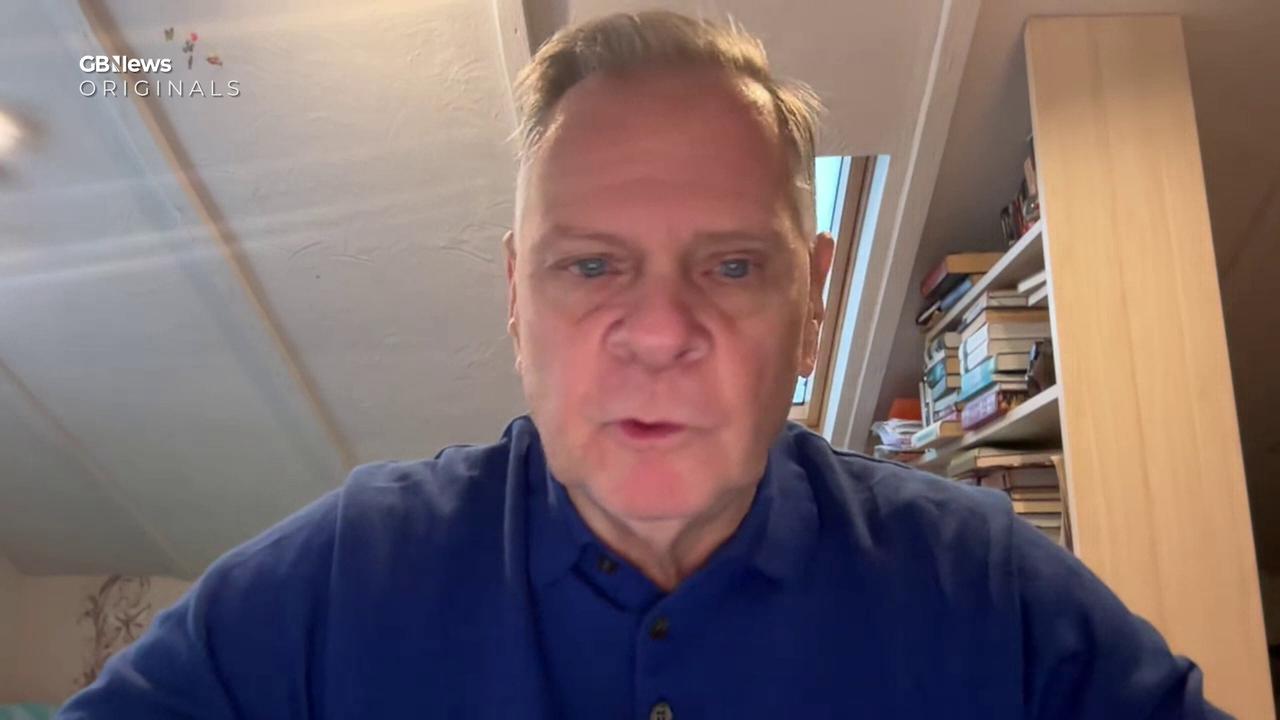
An academic expert has told the People's Channel it is "impossible" to integrate Muslim communities under a democracy, which "lets in" many individuals from another culture.Gordon Hahn, an author specialising in Eurasian politics, told GB News' Nick Dunning: "If you're letting in masses of people from a completely different culture, which to some extent has a negative attitude or a grudge to grind against your own culture because of years of colonialism and so forth and so on, one has to be extremely careful. "I think there has to be with magnetic magnanimity and kindness."There has to be a programme instituted that encourages Muslims to become become part of Britain. Nick asked: "If you don't control the numbers of people coming in, how can you, in a democracy, hold that line?""You can't, you can't, you cannot. It's an absolute impossibility," the academic declared.WATCH THE FULL INTERVIEW ABOVE
Show More Show Less View Video Transcript
0:00
What is Russia doing differently so that they don't seem to have this problem
0:04
They seem to be able to say, we are a Christian country, and Moscow and St. Petersburg are not going to implement Sharia law
0:12
We're not going to bring in basphemous laws so you can't say anything negative about the Koran
0:18
you know, that we see in Western Europe. Catherine the Great issued this decree in which it was banned for any religion
0:26
to attempt to convert members of another religion. Islam was recognised as a full-blooded traditional Russian religion
0:35
But the most important institution was something called the Orenberg Muslim Spiritual Assembly or Board
0:41
And this was an organisation that essentially co-opted the Islamic clergy. In terms of integrating our new Muslim populations into our countries, into our political sphere
0:52
sphere, what can we learn? What mistakes are we making? And what can we learn from what the
0:57
Russians have been successful with? If you're letting in masses of people from a completely
1:03
different culture, which to some extent has a negative attitude or a grudge to grind against
1:11
your own culture because of years of colonialism and so forth and so on, you know, one has to be
1:16
extremely careful. So I think there has to be with, you know, magnanimity and kindness
1:24
there has to be a program instituted that encourages Muslims to become part of Britain
1:30
you know. If you don't control the numbers of people coming in, how can you in a democracy
1:35
hold that line? You can't, you cannot. It's absolutely impossible. Political Islam is now
1:42
taking root in Britain, to its people's shock and horror. Our streets have seen terror attacks and a
1:48
continuous stream of fights related not to where they take place, but to events occurring thousands
1:53
of miles away. While many Muslims are well integrated, survey after survey shows a significant
1:58
minority harbouring extreme views. Data out of France, which has a larger Islamic population
2:04
than ours, shows widespread support for subjugating the role of women, the Muslim Brotherhood and a
2:09
sympathy for global jihad. So how can Western countries, now with large and politically
2:14
powerful Muslim minorities, successfully integrate them without giving rise to political Islamism
2:20
Well, one country could have some lessons for us. Russia. The country's home to 20 million Muslims
2:26
and outwardly at least relations appeared peaceful. Here to discuss all of this is author and Islamic
2:32
politics researcher Gordon Harm. Before we get into the complexities on the ground, could you
2:36
give us a little bit of an overview of how Islam came to be in Russia and how the state
2:42
treats it? Well, first, thank you for inviting me. Initially, Islam penetrates into southern Russia in what is now the North Dagestan
2:53
in the North Caucasus, in a town called Derbend in the 8th century
2:59
And in 922, the Baghdad caliphate sends emissaries to what is now Kazan, the capital of Tatarstan
3:08
the Republic of Tatarstan in Russia today. Back then it was called the Bulgarian Hani
3:16
And they adopted Islam in 922 as a result of this delegation that was sent from the Baghdad caliphate
3:24
So Islam was developing for six or seven centuries on territory that Russia would eventually
3:33
incorporate beginning with Russia's conquest of the Kazan Khanate, which was a successor
3:39
to the Bulgarian Khanate, but already had been under part of the Mongol horde, under
3:47
the Mongol conquest. the Tatars, the Tatars or Bulgars, no, Tatars, Bulgars, same thing basically, began to convert
3:57
some of the Mongols who occupied the Kazan Khanate to Islam. And so in 1552, Russia conquered the Kazan Khanate
4:08
That was the first, you know, beginning of sort of a deeper encounter with Islam because
4:12
now Russia has incorporated Islamic territory or Islamic lands and Islamic people into the
4:19
the Russian Empire and has to learn how to deal with that fact
4:24
Of course, initially, we're talking about the medieval ages and we're talking about
4:31
the rule under Ivan the Terrible, or Ivan Grozny in Russian as he's called, and the
4:37
incorporation was rather brutal. There was forced conversion, violence after the invasion, though it should be said that
4:43
the invasion was prompted by Tatar raids into Russian territory. So again, it's kind of a mixed bag
4:51
Islam also was one of the religions that Vladimir the Great of Kiev
4:57
the great prince of Kiev in the 10th century when he decided to convert Kiev and Rus
5:05
to Orthodox Christianity. Islam was one of the religions he was considering converting to
5:12
and having Russia convert to. But he eventually chose Orthodox Islam based on the basis of what really inspired him was the beauty of the Russian Orthodox churches and the ceremonies and the singing and so forth, the icons and so forth
5:28
So that sets up the stage. So there's this long tradition of dealing with Islam internally
5:34
And over time, as Russia modernizes, it moves from a less brutal form of colonization and integration and forced conversion to actually banning conversion of Muslims into orthodoxy and taking other steps, especially under Catherine the Great
5:54
we can talk about that a little bit later, of incorporating Islam into Muslims, into the Russian state and Russian life, nudging them rather than coercing them
6:06
As opposed to the way that Islam has sort of entered itself into the West, it's been much more of a Russia was conquesting their land and then having to integrate them rather than people moving to Christian lands
6:17
But we do think of Russia, despite, as you say, a very long history of incorporating Muslims into the country, we think of Russia as an Orthodox Christian state
6:27
How do Muslims in Russia see themselves? Do they see themselves as Russian
6:31
Well, Russians, they basically over the years, because of the policies implemented under Catherine the Great, especially in the late 18th century, and then even during some aspects of the Soviet period, policies which are much more brutal, obviously
6:52
Muslims have sort of a plural nationality, right? They regard themselves, for example, if you're an ethnic Avar who lives in Dagestan, you will, plural identity, I should say, you will regard yourself as an ethnic Avar
7:11
You will identify yourself as a Dagestani. You will identify yourself, 99% of the cases of ethnic Avar in Dagestan are Muslim
7:20
So you'll identify yourself as a Muslim. Not only that but you probably identify yourself as a Sufi Muslim And you also identify yourself as a Russian and not a not not Ruski Ruski is an ethnic Russian but a Russian and that is someone who lives in
7:36
Russia right and they'll be there's this sort of multiple multiple identity same
7:43
thing if you live in Tatarstan you identify yourself as a as an ethnic
7:47
tatar um a citizen of tatarstan you said that so you're saying that white
7:54
russians have their own ethnic identity and that's ruski yeah basically that's the word that russians use to identify an ethnic russian is ruski right you're
8:05
i have ruski i'm ruski chilek i'm a russian person a russian basically covers anyone who lives in
8:11
russia basically citizens of russia so tartars there's an understanding that the russian people
8:19
are all different all different ethnic groups whereas i think we're struggling sometimes in
8:24
the west here to give um status to white people aren't we we're in britain i don't know how much
8:30
you know of the context here but there's a big argument raging over what is english and what is
8:36
British and the difference between them and it's kind of interesting that actually Russia has
8:41
delineated the fact that the Ruski are an independent people Russia Russia has a basically
8:47
a similar you know debate going on in society all the time for basically centuries now and
8:53
you know the question in most most Russians identify as Russian Orthodox although many
8:59
Russians don't really practice Russian Orthodox religion um you know maybe more than half of them
9:05
don't really practice, but if you're a Russian, you sort of assume that you're a Russian Orthodox
9:09
Similarly with the Muslim peoples, right? If I'm an Avar, I'm also a Muslim. I may not be
9:16
a seriously practicing Muslim, but my identity is with the Muslims, right? So if some conflict
9:21
came, pushed the shove between the Russians and, say, ethnic Dagestad, or Russians and Chechens
9:27
the tendency would be, even though I'm not a practicing Muslim, I still identify with the
9:32
Chechens and even in the basis in the course of the conflict one might become more Islamic you
9:38
know as a way of you know striping yourself in the conflict and so forth so this is kind of
9:42
you know this is almost a universal issue when you're living in a multinational
9:47
multicultural state. Is there a lot of mixing between different groups? I mean I imagine that
9:54
you've got Chechnya, Tatarstan, places where are predominantly Muslim but then you've got the
9:59
larger cities of which in any country people are tempted to move to the capital so i imagine
10:05
in moscow and st petersburg you've got a melting pot of different religions and
10:09
from all over russia yeah how are the the the um how are the relations between them
10:15
and in those christian parts of russia is it that um anyone can enter politics and there is a
10:24
incorporation of political islam there or is it very much that the um ruski take the view that
10:31
they're in charge uh-huh well basically i mean there's a lot of intermarriages between tatars
10:39
and russians and because this is because uh and also bosch gears and russians bosh kodistan is
10:46
next to tatarstan so it's now on the volga river in central central russia as opposed to daghestan
10:52
which is in southwestern Russia. The North Caucasus is in southwestern Russia
11:01
If you look at the population, in Tatarstan it's about 45% Russian, 55% or 50% Tatar
11:09
or maybe another 5% Bashkir. So there's a lot of intermarriage. Also, many Tatars over the
11:16
the centuries because Tatars have been, or Bulgaria, Kazankanik, have been part of Russia now
11:23
for five going on six centuries, there's been a lot of migration
11:28
So there are lots of Tatars in Petersburg. There's a mosque in St. Petersburg
11:36
which is basically populated by ethnic Tatars. I think there's something like an estimate
11:44
of a million Muslims in Moscow. And so there's a lot of intermarriage
11:49
Once the Muslims move out of a Muslim territory, predominantly Muslim territory
11:54
there's a greater chance, right, that they're gonna intermarry with an ethnic Russian
11:58
or some other non-Muslim or Muslim nationality in Moscow, right, a Tatar might marry an ethnic Avar
12:07
They might meet a Kuvash, which is a non-Muslim ethnic minority not far from from South Darstan
12:16
It's a little bit different in the North Caucasus because of the North Caucasus there are very few Russians
12:21
So there's very little intermarriage between Russians and people from the North Caucasus, though there are some ones say a Chechen or a Nava or a
12:29
Lezgin or whatever different nationalities or a Kabad or a Balkhar moves to say a
12:36
larger city, a Russian dominated city, then there's some intermarriage but it's
12:39
much less excuse me much less than it is in the areas where these muslims move to that are
12:46
predominantly uh christian because we see that in the west and what i think i'm asking here is um
12:51
what is russia doing differently so that they don't seem to have this problem they seem to be
12:56
able to say right we are a christian country and moscow and petersburg are not going to implement
13:02
sharia law we're not going to bring in blasphemous laws so you can't say anything negative about the
13:08
the Quran that we see in Eastern Europe? Right. Well, in part there is some coercion, but there's again also nudging
13:18
This goes back, if you go all the way back, it really goes back to the era of Catherine the Great
13:24
after Catherine the Great incorporated Muslim Crimean, Tatar Crimea into the Russian Empire
13:32
and also because of a massive peasant rebellion in which many Muslims took part
13:39
though it was not a Muslim revolt per se, it was a peasant revolt, so-called Pugachev revolt
13:46
And also because Russia was in conflict with the Ottoman Empire over control over the Crimean Khanate
13:51
in general geopolitical conflict. Catherine the Great, who had been reading the French philosophers and become somewhat more liberal
14:01
and she wanted to create a more humanitarian Russian state. So in 1773, she issued a decree on toleration of religion
14:14
So previously, there had been attempts, for example, to limit Orthodox conversion of Muslims
14:21
but then the next ruler would reverse that, and so it would go back and forth
14:25
Catherine the Great issued this decree in which it was banned for any religion
14:30
to attempt to convert members of another religion. Islam was recognized as a full-blooded traditional Russian religion
14:43
Muslim clerics were incorporated into the military, but the most important institution was something called the Orenberg Muslim Spiritual Assembly or Board
14:52
And this was an organization that essentially co the Islamic clergy kept an eye on the islamic clergy at the same time gave them benefits paid them a salary and in return they were given pretty much free reign in terms of
15:06
preaching Islamic thought. And there was also all limits were removed on building mosques, building madrasas
15:14
all these limits were removed. Earlier, Russian Muslims were also allowed to enter into the imperial court, that is
15:28
to receive the status of an aristocrat, a noble, though some of that occurred earlier
15:34
as well. So, all these things, basically, so what you had is the state was ensuring the clergy's
15:40
loyalty and the clergy job was to ensure the Muslim population's loyalty
15:46
They would pray for the czar in the mosque and so forth during services
15:51
Another thing that was done is they sort of melded Russian law with Sharia law
15:56
That is, Sharia law was allowed to be implemented as long as it didn't seriously conflict with Russian state law
16:05
And so Russian state, Russian courts developed experts in Sharia law. and they would monitor what kind of laws and how the Sharia law was being implemented in Muslim regions
16:17
And if there were conflicts between different Muslim persons, Muslim entities, if they could not be resolved in the Sharia court
16:25
then the state court would step in and try to resolve it largely on the basis of an interpretation of Sharia law
16:31
Now, in the long term, Catherine thought that over time, many Muslims would convert to orthodoxy
16:37
Orthodoxy, but that would happen basically naturally because she was living under the
16:42
assumption that Orthodoxy is the truth or Russian Orthodox Christianity is the truth
16:46
and eventually people would come to see the light. So to avoid conflict in the interim
16:52
she gave a great deal of autonomy to the Muslim faith and individual Muslims as long as they
16:58
maintained loyalty to the Russian state. And this basically is continuing in the Soviet period
17:05
that obviously changed, right? The Soviet period was an atheistic state. They cracked down on Russian
17:10
orthodoxy, they cracked down on the Muslims, killed many, many, many Muslim clergy, just as they killed
17:15
many, many Orthodox clergy. We can go into the details somewhere if you want. But then in the
17:20
post-Soviet period, basically returned to the late imperial era where Islam has great autonomy
17:29
in terms of religious faith and so forth. No problem building mosques, madrasas. They have
17:35
We have, again, they've established Muslim spiritual boards, but instead of two or three
17:41
the first one, again, Mother Catherine, was covered basically the Tatar-Bashgir area
17:45
Then there was one created for the North Caucasus and so forth. Now there are about five, five or six Muslim spiritual boards
17:53
One could Tatarstan and Bashgir areas. One covers the North Caucasus. There's actually a Muslim spiritual board for ethnic Russians
18:00
ethnic Russians who was converted to Islam. And these again are watched by the state, you know, watched by the FSB and make sure
18:12
that there's loyalty and there's not any problem with, you know, say jihadism and so forth
18:20
And so they essentially have co-opted the Islamic clergy just as Catherine the Great
18:25
in the late imperial period did. And so this creates a sufficient autonomy for Muslims to practice religion
18:35
And as long as they play by the political rules, just the same political rules that an ethnic
18:39
Russian or ethnic Qubash or an ethnic, I don't know, Polar, an American living in Russia
18:46
abides by the political rules of, you know, not calling for the overthrow of the state
18:50
organizing of the state, attempting to organize mass demonstrations, and so forth and so on
18:57
against the regime, there's no problem. Another interesting issue is that every year when Ramadan begins
19:06
if you go to Moscow, hundreds of thousands of Muslims will gather outside on the street for the holiday Kairam Bairam
19:15
and pray right on the street, sitting hundreds of thousands of Muslims kneeling and praying
19:23
And there's no problem with that. The police ensure security and so forth and so on
19:26
And so, yeah, it's a more or less balanced picture, right, of tolerating Islam at the
19:35
same time maintaining loyalty. When you say about they allowed Sharia law, was that only in the Islamic republics or
19:43
was that across Russia, including in the Christian part? Yes, yes. That's only where there were a large percentage of the population was Muslim and where there
19:50
is an Islamic cleric. But then again, remember the Islamic cleric is under the control
19:56
His salary comes from the Russian state. I think what I'm getting at is that maybe, could I say that there are two models then
20:04
In areas that are predominantly Muslim, they have this model. But they must have a different attitude to political Islam in areas that are not predominantly Muslim
20:16
Among rank and file Russians? Oh, well, sure, there are many Russians who are very suspicious of the Muslim population
20:24
There's no doubt about that. And, of course, given what happened with the two wars in Chechnya and the rise of jihadism
20:31
in the North Caucasus and attempts by the jihadists to spread it to Tatarstan and Bashkorn
20:36
and elsewhere, you know, there's a heavy secret police involvement in keeping an eye on the
20:44
Muslim population. this is uh generally again you know it's largely hands off if you don't violate the law or attempt
20:50
to violate the law you're not going to have a problem if you don't attempt to go against the
20:54
regime organs it seems as though in the areas where it's predominantly muslim they are the
21:01
russian state is happy to accommodate that but in areas that are largely christian that maybe
21:06
muslims move to there doesn't seem to be any political representation normally if you have a
21:12
group move somewhere at some point the politics of the place has to refer to people and i'm wondering
21:17
what is it in the run case which means that that's not happening and is it actually to maintain that
21:25
line in a free society where people get the vote and they get representation yeah yeah well i mean
21:32
a tatar or an ethnic jechen can run for an office political office in moscow or st petersburg or
21:37
or Ekaterinburg or Voronezh, anywhere he wants. If he moves there, he can engage in politics
21:43
He's, again, he'll be subject to the same strictures that an ethnic Russian, right
21:48
He'll have to, there are certain political parties that are tolerated by the regime, certain parties that are not tolerated by the regime
21:54
There are certain speech that's tolerated by the regime, there are certain speech that's not tolerated
21:58
But there's no special rule for, you know, an ethnic Chechen who's moved to Moscow
22:04
He might run into some discrimination, political party that he tries to join and move up to depending on various factors, but
22:13
the possibility of entering politics and entering business and so forth is there
22:20
And there's certainly no state restrictions. It would be more attitudinal restrictions on the part of certain political party leaders or businessmen or whatever Would you say that Russia followed a multicultural model or would you say it a bit different from that
22:37
Yeah, I think it's pretty much a multicultural model with strict limitations
22:46
and one that certainly recognizes that, while not a state religion, that the orthodox Russian religion and the Russian people are sort of the backbone of the Russian state
22:59
And this is stated in the Constitution in certain ways. But at the same time, freedom of religion is guaranteed and freedom of movement and so forth and so on
23:11
Are you saying that the Russia is seen as the core of Russia
23:17
You know, the population is 85% ethnic Russian. Most of the ethnic Russians are Russian Orthodox
23:24
The state was founded by the Romanov dynasty. The people were Russian
23:31
The Russian Orthodox Church was deeply embedded inside the Russian state and is still a partner
23:36
of the Russian state. So it's just simply by dint of numbers and cultural weight
23:43
Russian ethnic, Russian and Russian culture, however you want to interpret that, is the
23:51
bulk of the culture inside Russia. That doesn't mean you can find programs about Islam and
23:57
programs about Dagestan and Tatarstan. They hold major conferences inviting foreign dignitaries
24:05
to these places. It's not as if these people are shoved off to the side and isolated. No
24:11
The goal for the Pali is to integrate them into society without them challenging the
24:17
fact that this is basically a Russian dominant state, which it is by dint of mere numbers
24:22
I mean, it would be absurd that Tatars would run the Russian state, right
24:27
Making up only 10% of the population. That doesn't mean a Tatar couldn't be elected president
24:33
That's certainly not possible, I don't think, now. But I think in the future, something like that might be possible
24:39
There are many, for example, federal officials who are ethnic Tatars, ethnic Chechens
24:46
Ethnic Chechens are increasingly becoming military officers serving in the war in Ukraine and so forth and so on
24:54
Tatars have long been part of the Russian and then the Soviet military
24:58
So now the post-Soviet Russian military. So it's a really very complex, you know, picture within a very fairly sophisticated policy that's been carried out, excluding the Soviet period since Catherine the Great on the part of the Russian state
25:15
And if we talk about the war in Ukraine, that's largely been framed by Putin as a an issue of family, in a way, of the Rus people, you know, the Ukrainians and the Russians
25:29
And I wonder how do the people from the Islamic republics feature in this
25:34
Do they willingly want to go and fight in Ukraine? Has there been an issue with recruitment in these areas
25:41
Or, you know, do they all feel part of the nation and they agree with the mission? Uh-huh
25:47
Well, I don't think Putin's main goal was not to reunite the Ukrainian people or the Ukrainian state with Russia
25:54
That is not his goal. His main goal is national security, not wanting to have the world's most powerful military bloc in a state bordering Russia after having turned that state's elite into an anti-Russian elite
26:10
And with the possibility of mid-range rockets and even nuclear rockets being stationed in Ukraine, foreign forces and so forth
26:19
That's the main driver of the war, the special military operation. yeah he has when he's spoken to the media make his point about how the russians and the ukrainians
26:30
are one people um and talk about their shared history and the importance of that um and so
26:35
on i think that's just that's just sort of an additional that's not just an additional
26:40
justification and it's often mentioned as a um uh to underscore the tragedy of the situation that is
26:49
is that in the Russian view that the West intervened in Ukraine and turned two brotherly
26:55
peoples against each other. That was the goal to turn Ukraine, they often say they wanted
27:00
to turn Ukraine into an anti-Russia. But getting back to your other part of your questions
27:04
about how Muslims are reacting to different Muslim peoples, well the Chechens being a
27:10
fairly militant people who like to fight, they've been more than, and because Russia
27:16
Putin has very successfully co-opted the Kadyrov clan in Chechnya and therefore basically taken
27:26
control over Chechnya and subdued the opposition there. Same in Dagestan. The Chechens are very
27:34
willing to go there and fight and Kadyrov has been sending various units. The Silla Ahmeda unit
27:42
which means the force of Ahmed. Ahmed was his father's, Ramzan Khadyrov, the president of Chesina
27:48
that was his father's name. He was the first president of Chesina, and he was assassinated by
27:52
jihadists. I understand that there are a lot of Boschkirs that are being recruited and sent
28:02
or already recruited and are being sent to Ukraine. That may be a point of potential
28:10
conflict. It's not clear to me how much ethnic Bashkirs would want to go fight in Ukraine
28:16
But again, we have this issue that most Muslims are loyal to the Russian state. So it would not
28:24
be a surprise to me that many of them are willing to go and fight. I would imagine among the Bashkirs
28:31
there are many more that are less willing to go fight than say amongst the Chechens or say the
28:37
the Dagestanis, where the North Caucasian peoples have this sort of long militant tradition
28:43
of fighting and so forth that the Bashkirs and the Tatars lost long ago because they
28:51
were incorporated into Russia, you know, 400 years earlier. So, 340 years earlier
28:57
You've talked about, you know, hundreds of years of successful policy, really, in integrating
29:01
the Muslims into Russia. But after the Soviet Union fell, that broke down for a little while, didn't it, in Chechnya
29:07
and then Putin seems now to have been able, as you say, to co-opt the Kadyrov clan
29:12
Could you talk to me a little bit about why you think it broke down and how Putin was able to secure control again
29:18
Well, one reason it broke down is because the Soviet Union created what they call national apartments
29:24
That is, if you look at the Union republics or you look at the next tier down
29:28
in the administrative territorial structure of the Soviet Union, there were these autonomous Soviet socialist republics inside the Union republics
29:36
So each Union Republic, Ukraine, Belarus, they're all named after an ethnic group
29:41
So when you move down the ladder, you had these autonomous Soviet Socialist Republics that were also named after it
29:48
So you had the Chechen English Autonomous Soviet Socialist Republic. You had the Kabardin Balkharia
29:55
These are all named after Muslim ethnic groups. You had the Republic of Tatarstan
29:59
at the Republic of Bashkodistan. So this created sort of sort of institutionalized the idea
30:06
and even gave a quasi state status to these different ethnic groups
30:11
territorial administrative unit. Right. So when the Soviet Union began to collapse and, you know, Ukrainians
30:19
Belarusians wanted to leave, the Russians, not so much, the Ukrainians certainly want to leave the Baltic states
30:24
wanted to leave the Georgians, the Armenians. This began to infect the lower tier of administration inside the Russian Republic, these Muslim Republics
30:35
And not only inside the Russian Republic, but inside Georgia, the largely Muslim Ahaz
30:39
that wanted to leave Georgia, the Assetians who were Christian but are also North Caucasian
30:44
people wanted to leave Georgia. So this is a widespread phenomenon. The Chechens, and also the Dagestani peoples, because they had been incorporated into the
30:55
Russian Empire relatively late, just 50, 60 years before the Soviet Revolution, they still
31:04
had more of an axe to grind than say the Tatars and the Boschkiers who had been part of Russia
31:09
for many, many centuries. So when the Soviet Union collapsed, it was very easy for this
31:16
rise of national feeling and national identity to infect these lower tiers and especially
31:21
in the North Caucasus where they had only recently been incorporated into Russia and
31:25
also had been brutally treated by the Soviet regime, especially brutally compared to, say
31:30
the Tatars and the Bashkirs. So it was natural that there would be a rise
31:35
Then you add the external factor, right, that there was a rise of Islamism and jihadism
31:39
abroad and they tried to penetrate into Chechen and other Muslim regions
31:48
This led to an explosion of, basically led to a revolt, a declaration of independence
31:54
and so forth. One important thing to look at, I like to compare the two things, is if you look at the
32:01
declaration of independence by the Chechen Republic of Ichkeria as it called itself in
32:08
1991, the Russians didn't begin war in Chechnya until 1995. But for four years, the Russians attempted to negotiate, resolve the problem peacefully before they invaded
32:20
If we compare that to, say, Ukraine, right, when the Donbass revolted in Ukraine in March, April
32:28
after the Maidan revolt in Kiev, within two months, they were bombing the Donbass people
32:35
So a big difference. They didn't want to negotiate. That's an aside from our issue
32:40
But it points to something, right? That the Russians, despite our impression of Russians here in the West, that they're somehow these brutal orcs who want to kill and conquer at the drop of a hat
32:53
In fact, the picture is quite different. They negotiated for four years with the Chechens
32:58
and one of the reasons why they ended up attacking is because the Chechens then began to attack
33:08
across the border from Chechnya into other parts of Russia. That was one of the things that led to the beginning of the First War and beginning of the Second War
33:15
The beginning of the Second War began when Chechen groups, led by a combination of radical, increasingly Islamist Chechens
33:23
is partnering with foreign jihadists, Taal-al-Qaeda, crossed the border of Chechnya into Dagestan
33:29
and established a Sharia-based state temporarily. The Russians then went in and booted them
33:35
out and with that, kicked off the second war. It's a fairly multi-causal explanation for
33:43
why Chechnya revolted, but let's look around at the other republics. There are five other
33:50
North Caucasian republics. There's Tatarstan, there's Bashkortistan. They did not revolt. Tatarstan sought more autonomy from Moscow In fact the core of the movement to create a Russian federation or a highly decentralized Russian federation was led from Kazan the capital of Tatarstan
34:13
And they published a journal on federalism and that whole idea was supported by the president
34:17
of Tatarstan. So, it's a very different picture. A lot of it has to do with the culture between the duration of being under Russian rule and
34:29
But also the culture of the different peoples. Again, the Chechens are fairly militant people and it's not all that difficult to rile them up
34:37
The reason, how Putin basically co-opted the Kadyrov clan is that the Kadyrov clan is part of Kadyrov
34:51
The last name Kadyrov comes from Kadyrov. Qadiriyah is a Sufi brotherhood, one of the main Sufi brotherhoods in the North Caucasus
34:59
and it's one of the more moderate. They're the ones that have always tried to come to accommodation with Moscow
35:03
even during the original conquest by St. Petersburg of the North Caucasus
35:10
And so, Ahmed Qadiriyah, Ramzan's father, seeing the rise of the jihadists in the North Caucasus
35:19
the rise of Al-Qaeda people like Khatab, nationally was concerned. And he wanted to move against them
35:28
And the only way he could do that was make an alliance with Moscow. So he cut a deal with Moscow
35:32
Putin appointed him president. And then when he died, there was an interim president, Al-Hanov
35:38
And then when Ramzan reached 35 years old, he was appointed president
35:46
And so basically what the Russians did is they co-opted the Qadiriya Tarakat of Sufi Islam and different regions of Chechnya where
35:57
the Qadiriya Tarakat predominates. And then that Qadiriya Tarakat along with the Qadirovs and other allied clans allied
36:09
with the Russian forces to defeat the jihadists. so again it was his policy of of using their knowledge of the of the muslim world in the region
36:19
and being able to co-opt in order to achieve a political goal yeah it seems like they do
36:27
yeah it seems like they take a compromising yet tough line and it seems that that's when they have
36:34
their success but um there's a lot of original nationalism and that's kind of given way more now
36:40
to global jihadism could you kind of explain a little bit about the present islamic threat in
36:45
russia that you've written about it's been largely quelled the main reason was that um two reasons
36:52
that the local uh governors or presidents of the republics in the north caucuses began to
36:59
use a carrot and not just stick and the same goes for the fsb so for example when ingushed
37:05
Ingushetia, the then president, he's now an advisor to Putin in the presidential apparatus
37:10
but President Yevkunov of Ingushetia began to visit the home. Once they knew that a certain
37:19
young man had gone to the forest, he would visit the family or send someone to visit the family
37:27
And he would say, look, if you can convince your son to come back home and leave the forest
37:32
We'll help him go to university, we'll pay his salary, we'll pay his tuition and so forth and so on
37:38
So policies like this partially did it. But I think the main factor, and this was proof that the movement in Russia, the jihadi movement in Russia
37:47
was in fact a global jihadi movement, not some Jeffersonian national independence movement
37:55
like some certain characters in the United States attempted to portray it
37:59
was the fact that as soon as things heated up in Iraq and Syria
38:02
all the Caucasus Emirate jihadists fled to Iraq and Syria to fight the jihad not all of them but most of them Moreover those that remained declared either loyal to Al or to the Islamic State
38:17
But then by then their numbers were so small that they really are ineffective
38:21
In fact, if you look at most of the terrorist attacks that have been carried out in Russia
38:26
on behalf of the so-called jihadism in Russia, most of them have been carried out by people
38:31
from Central Asia who have been in Iraq or Syria. Not all of them have been in Iraq or
38:36
Syria, but some of them. And they're from Central Asia, from Uzbekistan, Tajikistan
38:42
and then they immigrate into Russia and they carry attacks on behalf of al-Qaeda, mostly
38:47
in Syria. Now it's more of the Islamic State. So the North Caucasus jihadism has sort of
38:53
seriously waned since 2013, once the Syria and Iraq issue moved to the top of the agenda
39:01
I mean, taking from this hundreds of years of Russian experience, what do you think that
39:09
we're getting so wrong in the West? Well, basically, we have this bizarre stereotype of Russians as these, again, these crude
39:19
uncivilized orcs who are bent on territorial conquest. So that's why they have Muslim peoples inside Russia, simply because they were bent on territorial
39:30
conquest uh there also there's a lot a lack of comparative perspective if we look the way look
39:35
at the way the russians for example were dealing with um the russian the muslims in the north
39:41
caucuses in the late 19th century when they began to incorporate uh the north caucuses into russia
39:48
and then look at the way russia had been dealing with it was dealing with the tatars with the tatars they were already incorporated they were part of russian life there was very
39:56
little discrimination, they could participate in everything. But in the North Caucasus, where there
40:02
was a completion of the conquest, there was great violence and great brutality. But if we compare
40:08
that to what was going on, say, in the United States at the same time in the early and late
40:14
19th century, what were we doing to the American Indians? We were forcibly converting them, taking
40:20
their land, killing them. How is this different from what the Russians were doing in the North
40:24
Caucasus. If you go back farther, how is this different from what, say, the Tatarstans, what
40:32
the Russians were doing in Tatarstan, but that was 500 years earlier. We're still doing this kind of
40:38
thing 500 years later as the Russians were in the North Caucasus, as I just said. Let's look at the
40:43
way the British Empire treated various peoples in its empire. So there's a lack of comparative
40:50
perspective and self-awareness that's the main problem and then there's this exaggeration of
40:55
there's an exaggeration of this russian imperial militarist character yeah in terms of integrating
41:06
our new muslim populations into our countries into our political sphere what can we learn what
41:13
mistakes are we making and what can we learn from what the russians have been successful with
41:16
Well, I think one thing is, first it's a mistake to, if you're not ready, if you don't have
41:23
a set plan on how you're going to integrate these people into your society, and that doesn't
41:27
necessarily mean full assimilation, right? You should be allowed to continue to practice their living, but they should also be required
41:33
to take on some British values, right? Learn English, respect the Anglican Church, and so forth and so on
41:44
And I think all these things should be somehow instituted into a program once these people immigrate
41:50
The other issue is, shouldn't there be limits? Any state has the right to limit what people they want coming into their country
41:57
And if you're bringing people, a lot of people, you know, if you're bringing some people and
42:02
it's the first perfectly justified and it's actually good. But if you letting in masses of people from a completely different culture which to some extent has a negative attitude or a grudge to grind against your own culture because of years of colonialism and so forth and so on you know one has to be extremely
42:24
careful. So I think that has to be with, you know, magnanimity and kindness, there has to be a program
42:33
instituted that encourages Muslims to become part of Britain, you know. We want you here
42:39
But we want you to be here and behave more or less like we do outside of religion
42:46
Religion, you have your religion, please follow it. But you can't enforce Sharia law where British law reigns
42:56
We can try to find ways like the Russians did with the Muslim Spiritual Board to somehow accommodate Sharia law and British law where there's a more or less strong compatibility
43:08
but in general it's British law that's going to prevail because we here we have a British
43:13
sovereign state right right you know basically it's a very it's a it's a very fine line that has
43:20
to be walked and unfortunately right now they're not if you don't control the numbers of people
43:26
coming in how can you in a democracy hold that line you can't you cannot it's it's absolutely
43:33
be impossible because it's natural that the culture is going to be transformed, especially
43:38
if you're not requiring them to adopt your aspects of your culture. You're just inviting them in and allowing them to continue to live in their own culture
43:48
And moreover, there are segments of that population that see the predominant British culture as
43:53
antagonistic to Muslim culture, and that creates conflict. And of course, that creates a backlash amongst the British people
44:01
So, you know, it's a very tough, granted, it's a very tough fine line to walk, but great
44:08
thought has to be put into it. Maybe they should make an attempt. By the way, the Russians took their model from the Ottoman Empire, aspects of their model
44:15
that Catherine the Great did from the Ottoman Empire on how they dealt with the Christian minority
44:24
So it might be a good idea for the British to go back and look at, say, the Russian experience
44:30
imperial experience and maybe maybe maybe even even aspects of uh post-soviet russia and look
44:36
at the the way the ottoman empire dealt with christians uh and also look at more modern issues
44:42
such as developing you know a national program for incorporating these people once once they come in
44:48
they may be required to take some kind of a course about british culture uh just to to be able to
44:54
stay right um and so forth and so on so i don't know it's a again extremely sensitive complex issue
45:02
and to just put these silly labels of multiculturalism on top and we have to let people in
45:10
because we're democracies and we believe in freedom well this is this is utter nonsense
45:16
and just finally um you are american how do you see the way that islam is integrating into
45:22
into the us do you think it's a successful model uh i'm not really clear on that it really is
45:29
actually a model i mean there is some problem with uh somalis having created a sort of enclave up
45:37
there in minnesota and has created conflict and a reaction by the federal authorities and so forth
45:41
and so on so you know we're not having um you know we don't have a we don't have an a plus record
45:47
ourselves on the other hand we have far fewer muslims who've immigrated into russia into the
45:52
united states than having immigrated into england proportionally so it's uh it's not as big an issue
46:01
nevertheless there are probably some lessons to be learned by uh we americans uh from those
46:08
abroad whom have some experience in all this well thank you so much for taking the time to explain
46:14
Russia's experience and some of the lessons that we can learn. Thank you very much for inviting me
#news
#Sensitive Subjects
#War & Conflict