0:00
Following the discussion about PLBs and
0:03
AIS and surface separation, I thought
0:06
I'd show you how I deal with the issue.
0:09
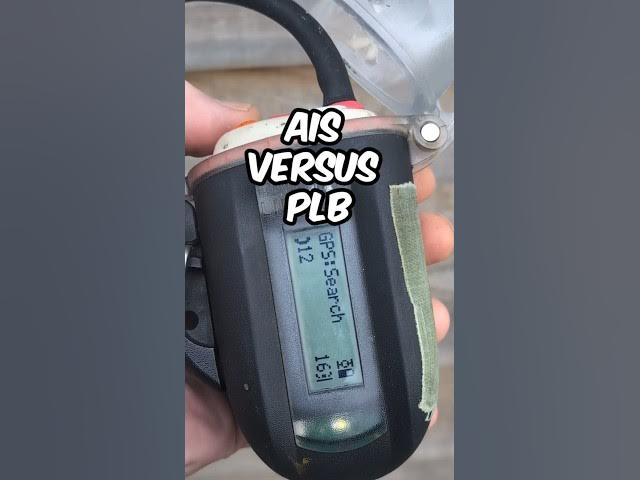
I've got the first generation of the
0:11
Nautilus, the diver radio. So, not only
0:14
is it an IIS, but it's also got a VHF
0:17
radio in there. It's relatively
0:20
reasonably sized. It lives on the
0:22
waistband of my rebreather, as you can
0:24
see here, and so is always there when I
0:27
need it. Now, there's a few issues with
0:29
this. The first of all is it is an AIS
0:32
radio. So, it isn't a satellite device.
0:36
It won't communicate with satellites.
0:38
So, you need receiving stations, whether
0:40
they're uh aircraft, whether they're
0:42
helicopters, whether they're boats in
0:44
the area to pick up on it. VHF also has
0:47
some really significant range
0:49
constraints, particularly if you're
0:51
transmitting from the surface of the
0:53
sea. So, you won't reach anything very
0:56
far. Now, for me, that's absolutely
0:59
fine. Most of the diving I do is around
1:01
the British Isles where there's lots of
1:03
coverage for those that those kind of
1:04
things. If you're somewhere more remote,
1:06
then you definitely need a PLB. The
1:08
second thing with this one is the diver
1:11
radio is actually quite old. So, the
1:13
other one that I've got, this white one,
1:16
I bought as a backup. I tried to upgrade
1:19
the firmware and I've managed to brick
1:21
it. So, this is going to be I'm going to
1:24
be using the Nautilus trading program to
1:26
get myself a new one of these, the newer
1:28
NextG Lifeline. And because that's going
1:31
to be quite smaller, that's going to
1:33
probably end up living in my dry suit.
1:35
So, you might ask why I don't use a PL
1:39
because clearly they are superior to
1:41
these AIS devices. I guess there's two
1:45
main reasons. One is that they're more
1:47
expensive and some of them like the gin
1:49
in reach come with requirement to have a
1:51
subscription and the second thing is
1:54
although most of them are waterproof on
1:56
the surface what they aren't able to do
1:59
is withstand the pressure at the kind of
2:02
depths I'm diving. So the Nautilus for
2:04
instance will go down and survive a dive
2:08
to my kind of depths. If I wanted to do
2:11
that with a PLB, I would need to buy a
2:13
another a canister for it. And everybody
2:16
I know who's done that has somehow
2:18
managed to flood their device and kill
2:20
it, which is clearly very expensive.
2:22
Anyway, I hope that explains why I've
2:24
made the choices that I've made. Hope
2:26
it's useful. But I think the important
2:29
message is all divers need to worry
2:32
about surface separation. You need to
2:34
have it as part of your plan, and you
2:35
need to have devices that will help you