Up next in 10


What are Probiotics?
Website: https://biologynotesonline.com/
Facebook: https://www.facebook.com/biologynotesonline
Instagram: https://www.instagram.com/biologynotesonline/?hl=en
Show More Show Less View Video Transcript
0:00
Probiotics are living microorganisms
0:02
that help restore the body's natural
0:04
balance when consumed in adequate
0:06
amounts. These beneficial bacteria play
0:09
a crucial role in supporting our gut
0:11
health and overall well-being.
0:14
Probiotics primarily function in our
0:16
digestive system where they interact
0:18
with our existing gut flora. When we
0:21
consume probiotics in food or
0:23
supplements, they travel through the
0:25
digestive tract and colonize the
0:27
intestines.
0:29
Probiotics offer several key benefits to
0:31
our health. They help restore the
0:33
natural balance of gut flora, support
0:36
digestive health, enhance immune
0:38
function, and maintain gut barrier
0:40
integrity.
0:42
It's important to understand that
0:43
probiotics are not the same as harmful
0:45
bacteria that cause disease. Beneficial
0:48
bacteria support digestion, produce
0:51
helpful compounds, and compete with
0:53
harmful bacteria. In contrast, harmful
0:55
bacteria disrupt digestive balance,
0:57
produce toxins, and cause inflammation.
1:01
In summary, probiotics work to maintain
1:04
harmony in our digestive system and
1:06
support our overall health and
1:08
well-being.
1:10
The science of probiotics has evolved
1:12
significantly over the past century. Our
1:15
journey begins in 1907 with Ellie
1:17
Mchnikov, considered the father of
1:19
probiotics. Metchnikov, a Nobel
1:22
Prize-winning Russian scientist,
1:24
proposed that consuming fermented milk
1:26
containing beneficial bacteria could
1:29
promote health and longevity. Over the
1:31
following decades, scientists began
1:33
defining and refining what we now call
1:35
probiotics. In 1953, the term probiotics
1:39
was first used to describe substances
1:41
produced by microorganisms. By 1989,
1:45
Fuller refined the definition to focus
1:47
on live microbial supplements that
1:49
improve intestinal microbial balance.
1:52
The most significant milestone came in
1:54
2002 when the Food and Agriculture
1:57
Organization and the World Health
1:59
Organization established the definition
2:01
widely accepted today. This definition
2:04
states that probiotics are live
2:06
microorganisms which when administered
2:08
in adequate amounts confer a health
2:10
benefit on the host. This carefully
2:13
crafted definition highlights several
2:15
critical components. The microorganisms
2:18
must be alive, administered in
2:20
sufficient quantities, provide
2:22
measurable health benefits, and work
2:24
within a specific host. Since 2002, our
2:27
understanding has continued to evolve
2:29
with scientific advancements. Modern
2:32
probiotic science now includes
2:34
identification of specific beneficial
2:36
strains, understanding of strain
2:38
specific effects, and detailed
2:40
mechanisms of action. Researchers have
2:42
also developed improved clinical testing
2:44
methodologies and standardization of
2:47
probiotic research, allowing for more
2:49
rigorous scientific validation. The
2:52
evolution of probiotic science
2:53
demonstrates how our understanding grows
2:55
with scientific advancement, building
2:57
upon the foundation laid by Metnikov
3:00
over a century ago.
3:03
Bifidobacterium is one of the most
3:05
important probiotic genera in the human
3:07
gut microbiome. These beneficial
3:09
bacteria have a distinctive Y-shaped
3:12
appearance under the microscope and play
3:14
crucial roles in maintaining gut health.
3:18
Bifidobacterium dominates the gut
3:20
microbiome of healthy breastfed infants,
3:22
comprising up to 70% of the total gut
3:25
bacteria. While their abundance
3:27
decreases as we age, bifidobacterium
3:30
remains an important component of the
3:32
adult gut microbiome, typically making
3:34
up about 20% of bacteria. Breast milk
3:38
contains special oligosaccharides that
3:40
specifically feed and promote the growth
3:42
of bifidobacteria in infants.
3:45
Bifidobacteria perform several important
3:48
functions in the gut. In the large
3:50
intestine, bifidobacteria help digest
3:53
complex carbohydrates and dietary fibers
3:55
that our bodies cannot break down on
3:57
their own. Through fermentation, they
4:00
convert these fibers into short-chain
4:02
fatty acids that nourish the cells
4:04
lining our colon.
4:06
Beyond fiber digestion, bifidto bacteria
4:09
produce essential vitamins, prevent
4:11
harmful bacteria colonization, support
4:13
immune development, and help maintain a
4:15
healthy intestinal barrier.
4:18
Several key species of bifidobacterium
4:20
have been identified, each with
4:22
specialized roles in the gut ecosystem.
4:25
Bifidobacterium bifidom is predominant
4:27
in the infant gut where it strengthens
4:29
the intestinal barrier and helps develop
4:32
immune tolerance. Bifidobacterium longum
4:35
is found throughout life. It scavenges
4:37
oxygen in the gut environment and
4:39
reduces inflammation. Bifidobacterium
4:42
infantis is specifically adapted to the
4:44
infant gut. It efficiently consumes
4:46
human milk oligosaccharides and is
4:49
critical for early development.
4:53
Beyond the well-known probiotics like
4:54
Lactobacillus and Bifidobacterium, there
4:57
exists a diverse world of beneficial
4:59
microorganisms that offer unique health
5:02
benefits. Let's explore some of these
5:05
less common but important probiotic
5:07
types.
5:09
Propionabacteria produce vitamin B12 and
5:13
have anti-inflammatory properties.
5:15
They're used in cheese production and
5:17
certain skin treatments as well as
5:19
supplements targeting gut health.
5:21
Entroacteria help maintain the gut
5:24
barrier function and may regulate immune
5:26
responses. They're being studied for
5:28
inflammatory bowel disease treatment and
5:31
recovery after antibiotic use. Basillus
5:34
species form protective spores making
5:36
them highly stable in supplements. They
5:38
produce antimicrobial compounds and are
5:41
effective for immune system stimulation
5:43
and digestive support. Sacroyces bulardi
5:47
is actually a beneficial yeast, not a
5:49
bacteria. It's resistant to antibiotics
5:52
and particularly effective against
5:53
antibiotic associated diarrhea and ced
5:56
difficil infections.
5:58
Probiotic research continues to discover
6:01
new beneficial strains, expanding
6:03
applications in personalized medicine.
6:06
Scientists are gaining a deeper
6:08
understanding of strain specific
6:10
benefits and developing novel delivery
6:12
mechanisms to target specific health
6:14
conditions.
7:11
Certain bacteria produce toxins that can
7:13
damage our cells and trigger various
7:15
symptoms. When harmful bacteria colonize
7:18
our gut, they can release toxins into
7:21
the surrounding environment. These
7:23
toxins can disrupt normal cellular
7:25
functions and contribute to disease
7:27
symptoms. Fortunately, certain probiotic
7:30
strains can help protect our bodies by
7:32
neutralizing these harmful toxins.
7:34
Probiotics produce specialized enzymes
7:37
that can break down and neutralize
7:39
toxins from harmful bacteria.
7:42
The neutralization process happens in
7:44
several steps. First, the enzymes bind
7:46
to the toxins. Then the enzymes break
7:49
chemical bonds within the toxin
7:51
structure. Finally, the toxin structure
7:53
is disrupted, rendering it harmless.
7:57
Probiotics protect us from bacterial
7:59
toxins through several key mechanisms.
8:01
These include producing specialized
8:03
enzymes, directly binding to toxins,
8:06
breaking down their chemical structure,
8:08
and preventing toxin induced damage to
8:10
our cells.
8:12
Specific probiotic strains such as
8:14
lactobacillus ramnosis GG have been
8:17
shown to produce enzymes capable of
8:18
neutralizing toxins from pathogenic
8:21
bacteria like claustrdium diffosil.
8:24
Probiotics fight harmful bacteria
8:26
through the production of antimicrobial
8:28
substances. These beneficial bacteria
8:31
produce three main types of
8:32
antimicrobial substances to create an
8:35
environment that's hostile to harmful
8:37
bacteria. Bacterioins are proteinbased
8:40
antimicrobial weapons. They act like
8:43
natural antibiotics, targeting specific
8:45
harmful bacteria by disrupting their
8:47
cell membranes. Organic acids such as
8:50
lactic and acetic acid, lower the pH in
8:52
the intestinal environment, making it
8:54
too acidic for many pathogens to
8:56
survive. Hydrogen peroxide, a reactive
8:59
oxygen species, damages the cell
9:01
components of pathogenic bacteria, while
9:03
probiotic bacteria have defense
9:05
mechanisms against it.
9:08
Let's see how these antimicrobial
9:10
substances work in the intestinal
9:11
environment. When probiotics release
9:14
antimicrobial substances, they create a
9:17
protective zone around themselves that
9:19
inhibits pathogen growth. As these
9:21
substances diffuse outward, pathogens
9:24
begin to struggle. They cannot grow
9:26
normally and their cellular functions
9:28
are disrupted.
9:30
This antimicrobial mechanism is
9:32
remarkably similar to the body's own
9:34
natural defense system against
9:36
infections. Like probiotics producing
9:38
lactic acid, our stomach produces
9:40
hydrochloric acid to create an acidic
9:43
barrier against ingested pathogens. Our
9:45
body also produces antimicrobial
9:47
peptides similar to bacterioins which
9:50
target and disrupt bacterial cell
9:52
membranes. Finally, our resident
9:54
beneficial microbiota competes with
9:56
pathogens for nutrients and attachment
9:58
sites, similar to how probiotic bacteria
10:01
create a competitive environment. To
10:03
summarize, probiotics produce a variety
10:06
of antimicrobial substances that
10:08
selectively inhibit pathogen growth
10:10
while allowing beneficial bacteria to
10:12
thrive. This natural antimicrobial
10:15
activity creates a balanced microbial
10:17
ecosystem in our digestive tract which
10:19
is essential for our overall health and
10:21
well-being.
10:23
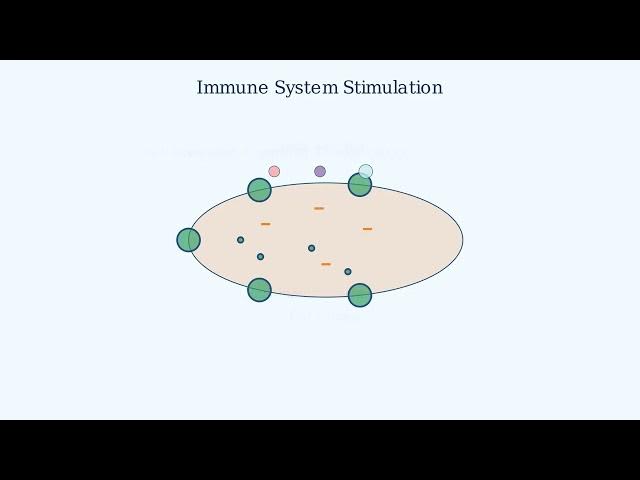
Probiotics play a crucial role in
10:25
stimulating our immune system. About 70%
10:28
of our immune system is located in the
10:30
gut making the interaction between
10:32
probiotics and gut immunity particularly
10:35
important. The gut contains specialized
10:38
immune tissues called gut associated
10:40
lymphoid tissue or g. When probiotics
10:43
enter the gut, they interact with the g
10:45
and stimulate various immune responses.
10:49
Probiotics enhance three key immune
10:51
functions. First, they stimulate B cells
10:54
to produce antibodies. Second, they
10:56
activate macrofasages, which engulf and
10:58
destroy harmful bacteria.
11:00
Third, probiotics help regulate
11:02
inflammatory responses, reducing harmful
11:05
inflammation while maintaining the
11:06
immune system's protective function.
11:10
Overall, probiotics provide several key
11:12
immune benefits. They strengthen the gut
11:15
barrier, train the immune system to
11:17
recognize harmful pathogens, help
11:19
balance immune responses, and support
11:21
long-term immune health.
11:24
This immune modulating function of
11:26
probiotics is why they're being studied
11:28
for conditions ranging from allergies to
11:31
autoimmune diseases.
11:35
Probiotics have shown significant
11:36
effectiveness in preventing several
11:38
types of diarrhea. The main types
11:40
include antibiotic associated diarrhea,
11:43
traveler's diarrhea, and infectious
11:45
diarrhea.
11:47
Antibiotic associated diarrhea occurs
11:50
when antibiotics disrupt the normal
11:52
balance of bacteria in the gut. These
11:55
medications can kill both harmful and
11:57
beneficial bacteria, leading to an
11:59
imbalance. When probiotics are taken
12:01
during or after antibiotic treatment,
12:04
they help restore the beneficial
12:05
bacteria and prevent diarrhea. Multiple
12:08
clinical studies have shown this to be
12:10
effective.
12:13
Clinical studies have demonstrated the
12:14
effectiveness of specific probiotic
12:16
strains in preventing antibiotic
12:18
associated diarrhea. Lactobacillus
12:20
remnosis GG has shown a 63% reduction in
12:24
risk across studies with nearly 4,500
12:27
patients. Sacroyces bulardi, a
12:30
beneficial yeast, reduced risk by 57% in
12:33
studies with over 1,000 patients. A
12:36
combination of lactobacillus acidophilus
12:38
and lactobacillus quesi showed a 41%
12:41
reduction in studies with more than
12:43
1,800 participants.
12:46
Traveler's diarrhea affects 30 to 70% of
12:49
people visiting developing regions. It's
12:52
typically caused by exposure to
12:54
unfamiliar bacterial pathogens in food
12:57
and water. Probiotics work by creating a
12:59
protective barrier in the intestines and
13:02
competing with pathogenic bacteria. For
13:04
maximum effectiveness, studies suggest
13:07
starting probiotics several days before
13:09
travel and continuing throughout the
13:11
trip.
13:13
Clinical trials show significant
13:15
effectiveness of specific probiotic
13:17
strains in preventing travelers
13:18
diarrhea. Sacroyces bulardi has
13:21
demonstrated up to 78% reduction in risk
13:24
while lactobacillus remnosis GG showed
13:26
approximately 65% reduction.
13:31
Infectious diarrhea can be caused by
13:33
various pathogens including bacteria
13:35
like E.coli and cedosil and viruses like
13:38
rotoirus. This condition affects people
13:40
of all ages worldwide. Clinical studies
13:43
show that probiotics can reduce the
13:45
duration of acute infectious diarrhea by
13:48
approximately 24 to 30 hours. They are
13:51
particularly effective for viral
13:53
gastroeneritis and especially beneficial
13:55
for children.
13:58
Probiotics prevent diarrhea through
14:00
several mechanisms. They strengthen the
14:02
intestinal barrier, compete with harmful
14:04
pathogens, produce antimicrobial
14:07
substances, and help modulate the immune
14:09
response. Based on clinical evidence,
14:12
the most effective probiotic strains for
14:14
preventing various types of diarrhea
14:16
include Lactobacillus ramnosis GG,
14:19
sacroyces bulardi, lactobacillus
14:21
acidophilus, and bifidobacterium
14:23
bifidom.
14:25
Autotopic diseases are a group of
14:27
conditions caused by an overactive
14:29
immune response and they're becoming
14:32
increasingly common in children. These
14:34
include eczema, also known as autotopic
14:36
dermatitis, which causes red, itchy skin
14:39
rashes. Food allergies, allergic
14:41
rhinitis, and asthma are also common
14:43
manifestations.
14:45
The hygiene hypothesis suggests that our
14:47
modern ultra clean environments might be
14:50
contributing to the rise in allergic
14:52
conditions. According to this theory,
14:55
limited exposure to beneficial bacteria
14:57
early in life fails to properly train
14:59
the immune system. Without this
15:02
training, the immune system may
15:03
overreact to harmless substances or fail
15:06
to distinguish between harmful and
15:08
beneficial microbes.
15:11
Over the past two decades, numerous
15:13
clinical studies have investigated how
15:15
probiotics might reduce the risk of
15:17
autotopic diseases in children. In 2001,
15:21
initial studies suggested that
15:23
probiotics could reduce eczema risk in
15:25
children. By 2007, Kyamaki and
15:28
colleagues demonstrated a remarkable 50%
15:30
reduction in eczema incidents. A 2010
15:34
metaanalysis confirmed benefits
15:36
specifically for high-risk infants.
15:39
Later studies showed that giving
15:40
probiotics to mothers during pregnancy
15:43
could have preventive effects.
15:45
Recent research has even demonstrated
15:47
long-term benefits lasting up to age six
15:50
and beyond.
15:52
Several specific probiotic strains have
15:54
shown promising results in preventing
15:56
autotopic diseases.
15:59
Probiotics help prevent autotopic
16:01
diseases through several mechanisms that
16:03
primarily center on gut health and
16:05
immune function. First, probiotics
16:08
enhance the intestinal barrier function,
16:10
preventing allergens from passing
16:12
through the gut wall. They also promote
16:14
immune tolerance and help balance the
16:16
TH1 and TH2 immune responses.
16:19
Additionally, certain probiotic strains
16:21
reduce inflammation in the gut, which
16:24
can have systemwide effects on allergic
16:26
responses.
16:28
Based on current research, several
16:30
clinical recommendations have emerged
16:32
for using probiotics to prevent
16:34
autotopic diseases in children. It's
16:37
important to note that benefits appear
16:38
to be strain specific and probiotics may
16:41
not work equally well for all children.
16:45
Probiotics offer significant health
16:47
benefits for the genital urinary system.
16:50
Probiotics, especially lactobacillus
16:52
species, play a crucial role in
16:54
maintaining genoturinary tract health by
16:56
promoting beneficial microfllora and
16:59
preventing infections.
17:02
For bacterial vaginosis prevention,
17:04
lactobacillus species maintain vaginal
17:06
pH between 3.8 and 4.5. This acidic
17:10
environment prevents the growth of
17:11
harmful bacteria. Clinical studies show
17:14
that regular probiotic use can reduce
17:16
bacterial vaginosis recurrence by up to
17:19
60%.
17:20
Lactobacillus bacteria produce hydrogen
17:23
peroxide and other antimicrobial
17:25
substances that inhibit the growth of
17:27
pathogens like gardenerella vaginalis.
17:30
For urinary tract infection prevention,
17:33
probiotics create a protective barrier
17:35
that prevents E.coli from adhering to
17:37
the urinary tract. Women with recurrent
17:40
UTI benefit most from specific strains
17:42
like Lactobacillus ramnosis GR1 and
17:45
Lactobacillus Rutary RC14. These
17:48
beneficial bacteria form a protective
17:50
biofilm barrier on the urethal and
17:52
bladder epithelia, preventing pathogens
17:55
from colonizing the urinary tract.
17:58
Clinical evidence strongly supports the
18:00
use of specific probiotic strains for
18:02
genital urinary health. Lactobacillus
18:05
ramnosis GR1 has been shown to reduce
18:08
UTI recurrence by 50% in clinical
18:11
trials. Lactobacillus reuteri RC14
18:13
demonstrated a 61.5%
18:16
resolution rate for bacterial vaginosis
18:18
when combined with antibiotics.
18:20
Lactobacillus crispatus CTV05 shows
18:23
remarkable colonization success of 90%
18:26
helping prevent both UTI and bacterial
18:29
vaginosis. Lactobacillus acidophilus can
18:32
reduce symptoms of vaginal candidasis by
18:34
approximately 40%.
18:37
For clinical applications, a daily dose
18:39
of 1 to two billion CFU is recommended
18:42
for prevention, while active infections
18:44
may require up to 10 billion CFU. It's
18:48
important to note that probiotics can be
18:50
taken alongside antibiotics for enhanced
18:52
effectiveness with both oral and vaginal
18:56
applications showing benefits. Always
18:58
consult your health care provider before
19:00
starting probiotic treatment for genital
19:03
urinary infections.
19:06
Align is a commercial probiotic product
19:08
specifically designed to target symptoms
19:10
of irritable bowel syndrome or IBS. This
19:14
probiotic supplement contains a unique
19:15
strain of bacteria called
19:17
bifidobacterium infantis 35624
19:21
which has been specifically studied for
19:22
its effects on IBS symptoms. Bifido
19:25
bacterium infantis 35624 also known as
19:29
biffantis is a patented probiotic strain
19:31
exclusive to Align. Let's take a closer
19:34
look at these beneficial bacteria. When
19:36
introduced to the digestive tract, these
19:38
bacteria help restore microbial balance
19:41
in patients with IBS. They can survive
19:44
stomach acid and bile to reach the
19:46
intestines where they provide their
19:48
benefits. Irritable bowel syndrome
19:50
affects the large intestine and causes
19:52
symptoms like bloating, abdominal pain,
19:55
and changes in bowel patterns. IBS
19:57
symptoms can include uncomfortable
19:59
bloating, abdominal pain, and
20:01
unpredictable changes between
20:03
constipation and diarrhea. Multiple
20:05
clinical studies have demonstrated the
20:07
effectiveness of Align's Bin Infantis
20:09
35624 strain in reducing IBS symptoms.
20:13
In randomized controlled trials,
20:16
patients taking Align experienced
20:17
significant reductions in bloating,
20:19
abdominal pain, and improved bowel
20:21
regularity compared to those taking
20:24
placebo. Based on clinical evidence,
20:26
Align provides several key benefits for
20:28
patients with IBS. It significantly
20:31
reduces bloating, alleviates abdominal
20:34
discomfort, improves bowel regularity,
20:36
and comes in a convenient once daily
20:38
capsule. It's important to note that
20:40
patients typically observe improvement
20:42
in symptoms after 2 to four weeks of
20:44
daily use.
20:48
Cultural L contains Lactobacillus
20:50
ramnosis GG, often abbreviated as LGG,
20:54
which is one of the most extensively
20:55
researched probiotic strains in the
20:57
world. LGG has strong clinical evidence
21:00
supporting its effectiveness in
21:02
preventing antibiotic associated
21:03
diarrhea, reducing the duration of
21:06
infectious diarrhea, and enhancing
21:08
immune function in both children and
21:10
adults.
21:12
One of LGG's most remarkable properties
21:14
is its unique ability to strongly adhere
21:17
to the intestinal mucosa, allowing it to
21:19
colonize the gut more effectively than
21:21
many other probiotic strains.
21:24
LGG is also highly resilient, capable of
21:27
surviving passage through the harsh
21:29
acidic environment of the stomach, which
21:31
is crucial for a probiotic to reach the
21:33
intestines alive and functional.
21:36
Additionally, LGG produces antimicrobial
21:39
substances that can help inhibit the
21:41
growth of harmful pathogens in the gut.
21:43
Cultural's LG strain is backed by
21:46
decades of scientific research, making
21:48
it one of the most reliable choices for
21:51
those seeking probiotic support for
21:53
their digestive health and immune
21:54
system.
21:58
Garden of Life is known for its
22:00
distinctive multistrain approach to
22:02
probiotic supplements.
22:05
Their whole food philosophy centers on
22:07
using only certified organic and non-GMO
22:10
ingredients. Garden of Life combines
22:12
beneficial probiotic strains with
22:14
organic prebiotics and whole food
22:16
ingredients without artificial
22:18
additives.
22:20
Garden of Life offers several
22:21
distinctive probiotic formulations.
22:24
Their doctor formulated line features 15
22:26
clinically studied strains. Their raw
22:29
probiotics provide up to 34 diverse
22:32
probiotic strains and their microbiome
22:34
formula includes 16 strains with
22:36
soilbased organisms.
22:39
Garden of Life offers specialized
22:41
formulations for different health needs.
22:43
Their women's health formula contains
22:45
specific lactobacillus strains with
22:47
cranberry extract. The colon care
22:50
formula provides a higher concentration
22:52
of 100 billion CFUs. And their immune
22:56
support formula combines probiotics with
22:58
vitamins and elderberry. Garden of
23:01
Life's approach combines multiple
23:03
carefully selected probiotic strains
23:05
with organic ingredients to create
23:07
targeted supplements for diverse health
23:10
needs.
23:12
Renew Life specializes in high potency
23:14
probiotic formulations focused on
23:16
digestive wellness. Founded by digestive
23:19
health expert Brenda Watson, Renew Life
23:22
has become an industry leader in
23:23
researchbacked digestive care products.
23:27
Renew Life is known for their high
23:29
colony forming unit counts, often
23:31
containing up to 100 billion CFUs per
23:34
serving, which is significantly higher
23:37
than many competing brands.
23:39
Their formulations combine multiple
23:41
probiotic strains, typically 12 or more
23:44
in each product, targeting different
23:46
areas of digestive health.
23:50
Renew Life offers specialized
23:52
formulations for different age groups
23:54
and health concerns from general adult
23:56
products to specific formulas for women,
23:59
men, and children.
24:01
A key innovation in Renew Life's
24:03
products is their delayed release
24:05
capsule technology, which protects
24:07
probiotics from stomach acid. This
24:09
technology ensures probiotics survive
24:12
the journey through the stomach,
24:14
delivering 15 times more live probiotics
24:16
to the intestines compared to standard
24:19
capsules.
24:22
Good Belly offers probiotic beverages as
24:24
an alternative to traditional supplement
24:26
pills. Unlike capsules or tablets, Good
24:29
Belly delivers probiotics in a juice
24:32
format that many people find more
24:33
enjoyable to consume.
24:36
Good Belly's products contain
24:38
Lactobacillus plantarum 299V, a specific
24:41
probiotic strain with extensive research
24:44
behind it. This bacterial strain was
24:46
originally isolated from human
24:47
intestines and has been studied for its
24:50
benefits since the 1990s.
24:54
For people who struggle with swallowing
24:55
pills or simply prefer a tastier option,
24:58
probiotic beverages provide a welcome
25:00
alternative.
25:02
While pills offer a concentrated dose,
25:04
they can be difficult to swallow and
25:06
provide less protection for probiotics
25:08
against stomach acid. Good Belly's juice
25:11
format offers a pleasant taste, making
25:14
it easier to consume regularly while
25:17
also providing additional nutrients and
25:19
helping protect the probiotics as they
25:22
travel through the digestive system.
25:24
Lactobacillus plantarum 299V has been
25:28
specifically studied for its benefits on
25:30
digestive health. Clinical studies show
25:32
that this particular strain helps
25:34
improve digestive comfort, maintains
25:36
regularity, and reduces common issues
25:39
like bloating and gas.
25:42
One key advantage of Good Belly's juice
25:44
format is how it helps protect
25:46
probiotics during their journey through
25:48
the harsh stomach environment. The human
25:50
stomach contains powerful acid that can
25:53
destroy many probiotic bacteria before
25:56
they reach the intestines where they're
25:57
most beneficial. The juice in good belly
26:00
products creates a protective
26:01
environment that helps buffer stomach
26:03
acid and shields the Lactobacillus
26:06
plantarum 299V bacteria. To summarize,
26:10
Good Belly offers probiotic beverages
26:12
containing Lactobacillus plantarum 299V,
26:16
providing an effective alternative to
26:18
traditional supplements. The juice
26:20
format not only makes probiotics more
26:22
palatable, but also helps protect the
26:24
bacteria from stomach acid, delivering
26:26
more live probiotics to support
26:28
digestive comfort and regularity.
26:33
Probiotic benefits are strain specific,
26:36
not just species specific. This is a
26:38
critical concept to understand when
26:40
selecting probiotics. Let's examine
26:43
Lactobacillus acetaphilus. While all of
26:45
these bacteria belong to the same
26:47
species, they are different strains with
26:50
potentially different health benefits.
26:52
Different strains of Lactobacillus
26:54
acidophilus can have completely
26:56
different effects on health. For
26:58
example, one strain might support immune
27:00
function, another digestive health, and
27:03
yet another vaginal health. A helpful
27:06
analogy is to think about dog breeds.
27:08
All dogs belong to the same species,
27:11
kynesis familiaris, but they have very
27:13
different characteristics. Just as a
27:15
chihuahua, beagle, and great dane have
27:18
different characteristics despite being
27:20
the same species, different probiotic
27:22
strains have different health effects.
27:25
When choosing probiotics, it's important
27:28
to select specific strains that have
27:30
been researched for your particular
27:32
health concern.
27:35
Proper storage is crucial for
27:37
maintaining the viability of probiotics.
27:40
Let's understand why proper storage
27:42
matters for probiotic effectiveness.
27:46
Storage requirements vary depending on
27:48
the probiotic product and strains.
27:51
Refrigerated probiotics include liquid
27:54
formulations, certain high potency
27:56
capsules, and products containing
27:57
bifidto bacteria. Shelf stable
27:59
probiotics include freeze-dried
28:01
capsules, tablets, and products with
28:04
spore forming strains. Several factors
28:06
can kill probiotic bacteria and reduce
28:09
product effectiveness.
28:25
Here are some practical tips to ensure
28:27
your probiotics remain potent and
28:29
effective.
28:39
Following these storage guidelines will
28:41
help maintain the viability and
28:43
effectiveness of your probiotic
28:45
supplements.
28:47
Understanding probiotic expiration dates
28:49
is crucial for getting the full benefits
28:52
of these supplements. Expiration dates
28:54
on probiotic products indicate when the
28:57
product will still contain the stated
28:59
number of viable bacteria measured in
29:01
colony forming units or CFUs. Over time,
29:05
the number of live bacteria naturally
29:07
decreases from manufacturing through
29:09
purchase best by date and beyond
29:11
expiration.
29:13
To ensure products maintain their
29:14
potency until expiration, manufacturers
29:17
include what's called overage.
29:20
Overage means they add significantly
29:22
more CFUs than what's stated on the
29:24
label, often 50 to 100% more. As
29:28
bacteria naturally die off over time,
29:30
the product still contains at least the
29:32
labeled amount by the best buy date.
29:36
Let's look at how to interpret best buy
29:38
dates on probiotic labels. The best buy
29:41
date is not the same as an expiration
29:43
date. It indicates when the product is
29:45
guaranteed to contain at least the
29:47
stated amount of CFUs. Using probiotics
29:50
after the best buy date may result in
29:52
reduced effectiveness as fewer bacteria
29:55
remain viable, providing less benefit.
29:57
For maximum benefit, it's recommended to
30:00
use probiotics before the best buy date
30:02
and to follow the proper storage
30:04
instructions to maintain potency.
30:08
Probiotic supplements come in various
30:10
formulations, each designed to meet
30:13
different needs and preferences. The
30:15
main types include capsules, tablets,
30:17
powders, liquids, and fermented foods.
30:21
Each formulation offers unique
30:23
advantages that make them suitable for
30:25
different situations.
30:26
Capsules provide precise dosing and are
30:29
formulated to bypass stomach acid,
30:32
protecting the beneficial bacteria.
30:33
Tablets have an extended shelf life and
30:36
remain stable in various environments,
30:38
making them reliable options. Powders
30:41
offer flexible dosing and can be mixed
30:43
with foods or beverages, making them
30:45
suitable for all ages. Liquid probiotics
30:48
are rapidly absorbed and ideal for those
30:51
who have difficulty swallowing pills.
30:53
Fermented foods deliver probiotics
30:55
naturally along with additional
30:57
nutrients and prebiotics that support
30:59
probiotic growth.
31:02
Researchers have developed specialized
31:04
formulations for specific population
31:06
groups and health conditions
31:09
for children. And probiotics come in
31:10
lower doses with pleasant tastes using
31:13
specific strains that support growing
31:15
immune systems. Senior formulations
31:18
often feature easy to swallow formats
31:20
with strains focused on digestive
31:22
regularity and immune support. Travelers
31:25
benefit from shelf stable formulations
31:27
that don't require refrigeration and
31:29
contain strains specifically chosen to
31:32
prevent travelers diarrhea.
31:34
IBS patients have specialized
31:36
formulations containing specific
31:38
bifidobacterium and lactobacillus
31:40
strains shown to reduce symptoms like
31:42
bloating and abdominal pain. For vaginal
31:45
health, specific lactobacillus strains
31:47
like Lrammosis and Luteri are formulated
31:50
with delivery systems optimized for
31:52
vaginal colonization.
31:55
When selecting a probiotic formulation,
31:58
it's important to consider several key
32:00
factors. First, consider your specific
32:02
health needs and conditions. Different
32:05
strains and formulations target
32:06
different health issues. Your lifestyle,
32:09
including how frequently you travel and
32:11
your daily routine, will help determine
32:13
the most practical formulation for you.
32:16
Consider ease of administration and how
32:19
likely you are to consistently take the
32:21
probiotic as directed. Storage
32:23
requirements and shelf life are
32:25
important practical considerations,
32:27
especially for those with limited
32:29
refrigerator space. Finally, look for
32:32
strain specific benefits that match your
32:34
health goals, as different bacterial
32:36
strains provide different benefits.
32:40
Before starting probiotic supplements,
32:42
consulting with a health care provider
32:44
is an important step that many people
32:46
overlook.
32:48
Health care providers can offer
32:50
personalized recommendations based on
32:52
your health, assess potential medication
32:54
interactions, and provide guidance on
32:56
appropriate probiotic strains and
32:58
dosages.
33:00
Certain individuals should be
33:01
particularly cautious and always consult
33:04
a health care professional before taking
33:06
probiotics.
33:07
While probiotics are generally
33:09
considered safe for most people, they
33:12
may not be appropriate for everyone,
33:14
particularly those with compromised
33:16
immune systems or serious health
33:18
conditions. When discussing probiotics
33:20
with your health care provider, it's
33:22
helpful to have specific questions
33:24
prepared.
33:25
Here are some final recommendations when
33:28
using probiotics under healthcare
33:29
supervision. By consulting healthcare
33:32
providers before starting probiotics,
33:34
you can ensure you're using them safely
33:36
and effectively for your specific health
33:39
needs. The future of probiotic research
33:42
holds exciting possibilities that extend
33:44
far beyond what we know today. Emerging
33:47
areas of research are expanding our
33:50
understanding of how probiotics can
33:52
benefit human health. Psychobiotics are
33:54
a fascinating new frontier exploring how
33:57
certain probiotics can influence mental
33:59
health through the gut brain axis. Next
34:02
generation probiotics are being
34:03
engineered with enhanced therapeutic
34:05
properties targeted at specific health
34:07
conditions. Personalized probiotic
34:10
therapies will be customized based on
34:12
individual microbiome analysis, genetic
34:15
factors, and specific health needs.
34:17
Future applications of probiotics may
34:19
include interventions for
34:20
neurodeenerative diseases, cancer
34:23
treatment support, metabolic disorders,
34:25
and improved vaccine delivery. While
34:28
we've learned much about beneficial
34:30
microorganisms, we've only scratched the
34:32
surface of their potential health
34:34
applications and complex interactions
34:37
with our bodies. The future of probiotic
34:40
research promises to unlock new
34:42
understanding and applications that
34:44
could transform how we approach health
34:46
and wellness.
#Health
#Nutrition