Up next in 10



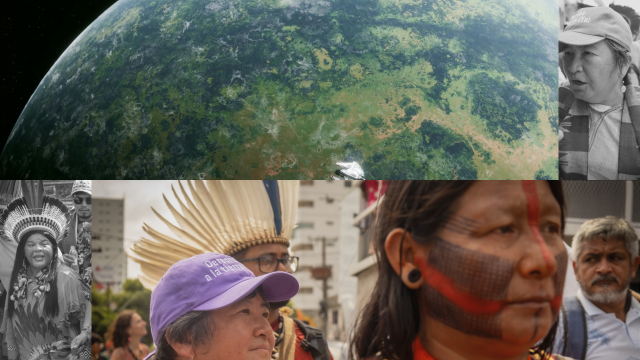
At COP30, Indigenous leaders came with a message the world can’t ignore: 5% of the global population is safeguarding 80% of Earth’s biodiversity. A $1.8B pledge was made to support their land rights — but will the money follow their lead?
We created this video in partnership with the Skoll Foundation.
Show More Show Less View Video Transcript
0:27
To further marginalize us, instead of recognizing the role that we do in protecting our environment
0:36
we need leaders that can speak out and say, enough is enough when we are being killed
0:43
Leaders that will be with us in the front when we continue to defend our rights
0:49
to defend our land, to defend the very resources that all of us rely on
0:57
Can you see? Can you see? No, I can see you. Oh, no, you're looking at me. Sorry
1:08
The view. You see? Yeah. The mountain. Okay. I'm Joanne Carling. I am from the Can Canae people here in the Cordillera Philippines
1:23
I dedicated my life in promoting human rights, justice and social equity
1:31
Universal access to justice means ensuring the effective protection of our collective rights against land grabbing
1:39
displacements and destruction of our cultural heritage by states and private sector
1:44
The work that I do and also with my colleagues is not easy because we are dealing with those in power
1:54
And it doesn't sit well with them when we call their attention, when we demand justice
2:00
I myself became a victim several times of being arrested and then being accused as funding terrorism
2:08
It's becoming a normal thing for activists like me to be facing this kind of threats and accusation
2:16
This COP is different because there will be high visibility of indigenous peoples
2:21
there will be social movements, and this is the moment to put a strong pressure to governments
2:28
to demand the autonomy for us in protecting nature and biodiversity. We broadcasting from the UN Climate Summit that COP30 from the Brazilian city of Bel This is really a show of commitment and we hope that there will be more leaders to join this network
2:51
This is a matter of obligation for all of us now, if we still want to survive in the planet that we have now. Thank you
3:00
The main demand of indigenous peoples in this COP is to ensure that our rights to our lands, territories and resources are recognized and protected and that our free, prior and informed consent is a requirement
3:19
It's not just that we are victims, we are actually agents of change. We are actually the ones protecting the environment and that has to be part of the equation
3:30
that has to be part of the discussion. I see Joanne is one of my idol, actually
3:36
I have met her in prison only twice, but we have heard about her since 2012
3:43
If I see most of our people, they just speak, but not in action, but I see Joanne is doing more on to action as well
3:50
Yes, let's go. Let's go, because we may run off seat. The representatives of the region were able to share the stories from each of the region
4:36
What is missing, though, is the lack of response from the cup presidency, the UNFCCC
4:43
So there's really no interaction, no real dialogue that has transpired. I'm happy that this exchange took place, but at the same time, I also feel like it's not enough
4:59
Dozens of Indigenous protesters blocked an entrance to the United Nations Climate Conference in Brazil Friday morning Sit forced delegates to use a side entrance to resume their negotiations on tackling climate change
5:22
Protesters are demanding the Brazilian government halt all development projects in the Amazon
5:28
including mining, logging and oil drilling. We're late
5:57
Hello, good morning. We're just waiting for some, I think they're delayed
6:03
because of what's happening in front. Thank you for your patience. Now, the exciting part is we want to hear back from you, from your discussions
6:26
We all need to rely on indigenous science, because they're just ahead of Western science in terms of system thinking and understanding those interconnections across all the life-supporting systems on the planet
6:39
and the best evidence base for protecting everyone's human right to a healthy environment
6:45
It's not an easy thing because we're dealing with the powers that be
7:05
We cannot say we protect indigenous people's rights, but also allow mining to come and destroy our lands
7:12
That's not compatible. So we need laws and policies that puts human rights
7:18
indigenous people's rights at the center. We need to be strategic and think about what it looks like
7:25
to build channels, to build a capillary network of public funding that can connect into our mechanisms
7:36
for direct resourcing for indigenous peoples and Afro-descendants and local communities. We have the values and principles
7:44
that will sustain the planet and we have been doing this for centuries
7:49
What we are offering is partnership We are not the enemies that has to be acknowledged and that our knowledge our rights should be part of the solution
8:01
And that brings strength to the defenders and defenders. And here we are going to be together with all of you
8:07
to support and build this strengthened network of defenders and defenders of the environment
8:45
what kind of political system we have, what kind of economic system we will have
8:51
that is fully in line with our culture, with our sustainable life ways
8:56
with our identities, with our social cohesion. Work is hard. It's stressful, I know
9:04
What inspires me is that in spite of the difficulties that communities face, they are persisting
9:11
They are still there sacrificing. and really challenging the powers. And that gives me hope
9:19
And what also gives me hope are the young people now. They are the present and the future leaders
9:26
They're standing up, fighting, and saying enough is enough. We want real leadership
9:32
We want real governance. And we need to support them on that
Green Living & Environmental Issues
Human Rights & Liberties