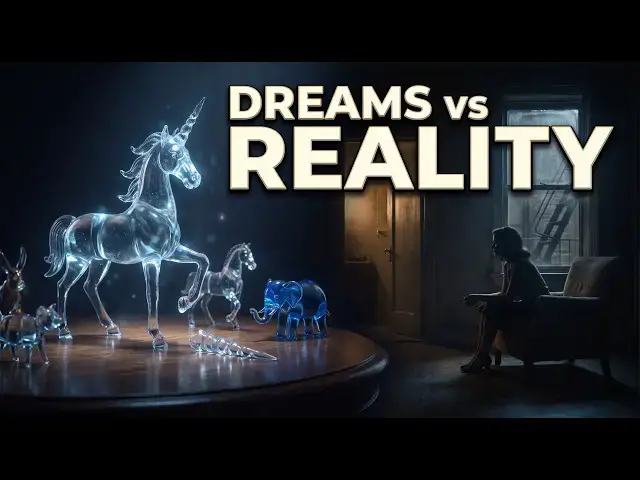
What is the deeper meaning of The Glass Menagerie by Tennessee Williams? In this video, we explore the major themes, important symbols, characters, and dramatic techniques that make this play a powerful study of memory, dreams, family conflict, and human vulnerability.
This complete literary analysis explains why The Glass Menagerie is more than a story about an unhappy family. Discover how Tennessee Williams uses symbolism, memory, and expressionistic theatre to reveal the emotional struggles of Tom, Laura, Amanda, and Jim.
In this video, you will learn about:
The memory play technique and Tom Wingfield's role as narrator, including how memory shapes our understanding of the past.
The conflict between illusion and reality, and how Amanda, Laura, and Tom each seek comfort or escape in different ways.
The symbolism of the glass menagerie, the glass unicorn, and the nickname “Blue Roses,” with explanations of how these images reveal Laura's individuality, vulnerability, and hopes.
Tom's desire for freedom, his family responsibilities, and the lasting influence of guilt and memory.
Amanda Wingfield's hopes for her children, Laura's struggle with social expectations, and Jim O'Connor's contrasting confidence and outlook.
The significance of the absent father, the movies, and the fire escape.
The dramatic techniques of plastic theatre, expressionism, symbolic stage effects, lighting, and music.
The difference between literary themes, symbols, and dramatic techniques, explained in clear, student-friendly English.
Why study The Glass Menagerie?
Tennessee Williams's play explores universal questions about family, independence, loneliness, social expectations, and the difficulty of accepting reality. This explanation is designed for literature students, high school and college learners, English-language learners, and anyone who wants to understand the play beyond its plot.
Whether you are preparing for an examination, writing a literary analysis, or studying American drama, this video will help you understand the play's central ideas and interpret its important symbols.
Watch until the end to develop a deeper understanding of The Glass Menagerie and the dramatic methods Tennessee Williams uses to communicate its meaning.
Subscribe to Ask Literature for clear, detailed explanations of poems, plays, short stories, literary themes, symbols, and important works of English literature.
Understand the deeper themes of The Glass Menagerie. This analysis explains the symbols and meaning behind the play.
Tennessee Williams presents a haunting look at an unhappy family trapped by their own past. We examine why the story relies on memory rather than reality, focusing on the conflict between dreams and the harsh truth. This breakdown is designed for literature students and anyone seeking to clarify the complex motivations of Tom, Laura, and Amanda Wingfield.
We explore the significance of the glass menagerie symbolism, including the unicorn and the nickname Blue Roses, to reveal the characters' inner vulnerability. You will also learn about the dramatic techniques of this famous memory play, such as expressionistic stage effects and the role of the narrator. By identifying these literary analysis elements, you gain a clearer interpretation of the play’s central message about freedom and guilt.
Subscribe to Ask Literature for clear explanations of classic plays, literary themes, and character studies.
0:00 Unlocking the Deeper Themes
0:36 The Nature of a Memory Play
3:29 Illusion Versus Reality
6:09 Symbols of Fragility
15:02 Plastic Theater and Expressionism
#TheGlassMenagerie #TennesseeWilliams #LiteraryAnalysis
Show More Show Less
View Video Transcript0:02
الأليفة» أكثر من مجرد
0:08
الصغيرة كل هذا المعنى
0:12
خلال الذاكرة بدلًا من
0:13
عرضه كواقع عادي؟ تكمن
0:30
خلال فحص هذه الأفكار،
0:35
الاكتفاء بسرد ما يحدث
0:49
من تقديمها كسجل محايد
0:50
تمامًا. في هذا العمل،
0:54
كشخصية وراوٍ في الوقت
1:00
لكنه ينظر إليها أيضًا
1:03
حياته. هذا يخلق فرقًا
1:14
يمكن لمشاعرنا أن تغير
1:42
المنظور العاطفي لتوم.
1:49
يعني أن المسرحية تولي
1:53
بدلًا من تقديم الماضي
2:07
إظهار سبب بقاء الماضي
2:16
لا تخلق بالضرورة حرية
2:17
عاطفية. ترتبط الذاكرة
2:21
بالذنب، وهو فكرة مهمة
2:41
الداخلي وجود صراع بين
2:48
أن يعيش وفقًا لرغباته
2:54
العاطفية لخياراته. لا
3:02
يجب أن تأتي دائمًا في
3:14
للحصول على الدعم. هذا
3:18
لأن اختيار مسؤولية ما
3:20
قد يضر بمسؤولية أخرى.
3:33
الوهم والواقع. الواقع
3:51
أكاذيب متعمدة. غالباً
3:57
التعامل مع خيبة الأمل
4:20
أماندا لا تكمن ببساطة
4:21
في أنها تتذكر شبابها.
4:31
وظروفها الحالية. تتجه
4:36
أكثر هدوءاً من الوهم.
4:42
وهو نشاط يمنحها مساحة
5:46
عن الراحة في الذكريات
5:48
. وتبحث لورا عن الأمان
5:55
لكن كلاً منها يكشف عن
6:12
الميناجيري"، يقدم أحد
6:21
مجموعة لورا من تماثيل
6:24
جميلة ولكن يسهل كسرها
6:29
بالرقة والهشاشة. يمكن
6:37
شخصًا ضعيفًا عاطفيًا.
6:58
أيضًا إلى أن الشيء لا
7:01
أو عمليًا ليحظى بقيمة
7:07
تعقيدًا. يمكن للحماية
7:12
يفصل الشخص عن الآخرين
7:37
كرموز للضعف فقط. إنها
7:45
الجمال في أشياء صغيرة
7:48
غير مهمة. من خلال هذه
8:08
عادة كحصان بقرن واحد.
8:30
كان جيم ولورا يرقصان.
8:33
هذه التفصيلة مهمة لأن
8:45
أن التغيير يمثل الضغط
8:48
في نظر المجتمع. ما بدا
9:07
إنساني عادي. ومع ذلك،
9:21
يجمع المشهد بين الأمل
9:22
، والضعف، وعدم اليقين
9:27
الفشل. رمز مهم آخر هو
9:31
عبارة "الورود الزرقاء
9:35
هذا اللقب بعد أن أخطأ
10:02
الاسم أيضاً كيف يمكن
10:04
للغة أن تؤثر على نظرة
10:05
الآخرين للشخص. بدلاً
10:08
من حصر تعريف لورا في
10:11
اللقب هوية غير مألوفة
10:22
للقب أن يفسر شخصيتها
10:24
بالكامل. لورا إنسانة
10:29
شخصية رقيقة أو غامضة
10:34
وبالتالي، يمكن تفسير
10:47
والواقع. تبدو الصورة
10:50
جميلة بالتحديد لأنها
10:54
خارج العالم الطبيعي.
10:56
وكما هو الحال مع وحيد
11:06
الأفلام. يمنح الذهاب
11:12
والإثارة التي تتناقض
11:14
مع قيود حياته اليومية
11:19
مؤقتاً، لكنها لا تغير
11:37
الرمزية للمسرحية. لا
11:41
بمنزل العائلة، بينما
11:43
يشير غيابه إلى الهجر
11:46
لرحيل شخص ما. لا تقتصر
11:49
أهميته على كونه فرداً
11:53
يساعد غيابه في ترسيخ
11:59
للواجب والاستقلالية.
12:01
كما يوفر نقطة مقارنة
12:04
المغادرة. يجب فهم هذا
12:07
الارتباط كوجه تشابه،
12:10
الرجلين لديهما دوافع
12:15
تزيد شخصية أماندا من
12:17
تعقيد الصراع العائلي.
12:20
هي تريد الأمان والفرص
12:23
تحاول غالباً توجيههم
12:26
الخاصة. يمكن أن يكون
12:32
متحكماً. هذا التمييز
12:36
يقدمها كشريرة بسيطة.
12:40
ومخاوفها في تفسير سبب
12:44
حول النجاح والوجاهة.
12:56
ستساعد الآخرين. عندما
13:01
الشخص الآخر يشعر بأنه
13:02
غير مفهوم أو غير كافٍ.
13:06
كيف يمكن للحب والصراع
13:07
أن يجتمعا في العلاقة
13:17
يؤثر على طريقة حركتها
13:23
تؤثر هذه الصعوبات على
13:29
التقليديين. ومع ذلك،
13:41
صفات قد تعجز المعايير
13:44
عن إدراكها. وبالتالي،
13:49
الجميع يجب أن يتطوروا
13:53
والشعبية الاجتماعية،
13:55
والاستقلالية أهدافاً
13:58
القيمة الكاملة لحياة
14:05
هي الحل المثالي. يكشف
14:16
بتعاطف بدلاً من تقديم
14:18
إجابة سهلة. يوفر جيم
14:31
ثقافة تشجع الناس على
14:37
المعنى، يمثل جيم بعض
14:40
لورا صعوبة في تلبيتها
14:47
للواقع أو كشخص يمكنه
14:49
حل جميع مشاكلها. لديه
14:52
آماله وقيوده الخاصة.
14:59
والفهم الكامل لتجربة
15:01
الشخص الآخر الداخلية.
15:17
بين الحوار والمؤثرات
15:24
المسرح الرمزية. تساعد
15:28
التي قد لا يعبر عنها
15:31
كامل. يستخدم ويليامز
15:34
أيضاً تقنيات تعبيرية.
15:39
درامي يمنح أهمية أكبر
15:45
الخارجي. يمكن للإضاءة
15:53
للجمهور. هذه التقنيات
15:58
الكشف عن جزء أعمق من
16:02
هذا التمييز مهم لأن "
16:04
الزجاجية" لا تهدف إلى
16:07
الحياة اليومية في كل
16:09
لحظة. يعكس جو المسرح
16:25
الأصلي أيضاً جهاز عرض
16:27
للصور والعناوين، على
16:31
برودواي الأصلي. يمكن
16:37
فكرة مهمة، لكنها ليست
16:44
تقنية يحمل فيها الشيء
16:54
القرن بالاختلاف. تربط
17:03
تنبثق هذه المعاني من
17:30
أدبي، مثل الذاكرة، أو
17:32
الوهم، أو المسؤولية،
17:36
شيء أو صورة تحمل معنى
17:38
أعمق. الأسلوب الدرامي
17:42
لتقديم المسرحية، مثل
17:45
أو الموسيقى، أو بنية
17:47
مسرحية الذاكرة. تعمل
18:01
شخصياتها إلى الراحة،
18:02
أو الحرية، أو الأمان،
18:11
بينما يكشف أن العوالم
18:30
للناس أن يحبوا بعضهم
18:31
البعض ومع ذلك يتسببوا
18:35
ومع ذلك يشعروا بالذنب
18:48
فهم البشر يتطلب أكثر