Up next in 10

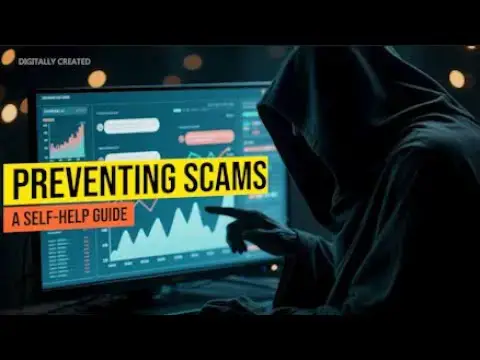
As scams become more sophisticated using AI and other tools we need help trying to figure out how to detect . The Consumer Guy has put together a self-help primer to show you how scams work and how to detect them. We offer practical steps to protect yourself from the bad guys.
Show More Show Less View Video Transcript
0:00
[Music]
0:00
There are plenty of self-help books out
0:02
here. Teach you how to do anything. How
0:04
to play the piano, for example, how to
0:06
have a successful diet. Lots and lots of
0:09
books about lots of topics. But there's
0:12
not one book out there that teaches you
0:14
how to avoid a scam. So, let's write
0:17
that book right now.
0:23
[Music]
0:26
Page one. Scams aren't random. They're
0:28
engineered. Somebody somewhere is
0:30
testing messages, scripts, and timing to
0:33
find the exact combination that makes
0:35
you want to click, call, or hand over
0:38
information.
0:39
Page two, once you understand the
0:42
mechanics of the scam, you stop being a
0:45
target and instead become a problem for
0:48
the scammer.
0:49
Page three, how scams work. Scammers
0:52
build trust the way that a salesperson
0:54
does, only their product is deception.
0:57
They use three basic premises.
0:59
Authority, for example, posing as a
1:01
bank, law enforcement, or government
1:03
agency.
1:03
Although, this call is officially a
1:05
final notice from IRS. You had tried to
1:08
do a fraud with the IRS Internal Revenue
1:11
Service, and we are taking a legal
1:13
action, and we are issuing an arrest
1:15
warrant on your name.
1:16
Urgency: Creating a fake deadline to
1:19
make you act before you think.
1:22
familiarity using names, logos, or
1:25
details scraped from social media to
1:27
seem legitimate. Fake sites like this
1:29
phony Delta ad or fake American Airlines
1:32
website have the wrong URL address.
1:35
They're hoping that you don't notice
1:37
it's not the real corporate address.
1:40
That's another common scammer trick.
1:42
They mix those premises with modern
1:44
tools like spoop phone numbers, cloned
1:47
websites, deep fake audio, and automated
1:49
chat scripts. The result looks
1:51
convincing enough to fool even the most
1:53
careful person when the moment is right.
1:55
Page four. Common red flags. Unexpected
1:59
contacts asking for money, codes, or
2:01
passwords. Legitimate organizations
2:03
don't demand that. Pressure to act now.
2:07
Final notice. One-time offer or threats
2:09
of immediate consequences. Request for
2:12
unusual payment methods. We're talking
2:14
gift cards, cryptocurrency, wire
2:16
transfers, or prepaid debit cards
2:18
because all of them are hard to trace.
2:22
Links or attachments in messages which
2:24
claim to be invoices, refunds, or
2:26
account alerts. Page five. You don't
2:29
need a degree in cyber security. Just
2:31
practice good cyber hygiene. So, here
2:34
are some practical ways to protect
2:36
yourself. Verify independently. If a
2:40
caller claims to be from your bank, hang
2:42
up and call the number on the back of
2:44
your card or on the official website.
2:46
Never use the number or link the caller
2:49
provides. Use multifactor
2:51
authentication. Freeze or monitor your
2:54
credit if you suspect identity theft. A
2:56
freeze stops new accounts from being
2:58
opened in your name. Treat one-time
3:00
codes just like cash. Never share
3:02
verification codes with anybody who
3:04
calls or messages you. Keep your
3:07
software updated and use reputable anti
3:10
virus tools. Many scams exploit old
3:12
software and known vulnerabilities. Page
3:16
six. What to do if you're scammed. Act
3:18
fast. Contact your bank or card issuer.
3:21
Report the fraud to the platform where
3:23
it happened and change compromised
3:25
passwords. Document everything.
3:27
Screenshots, call logs, and transaction
3:29
records. The sooner you move, the better
3:32
your chance of recovery. Page seven.
3:34
Remember, scammers rely on speed and
3:37
surprise, so your best defense slow
3:39
down. Treat any unexpected demands for
3:42
money or info as suspicious. Remember,
3:46
ask questions, lots and lots of
3:48
questions, and remember to verify the
3:51
claims independently.
3:54
Most of all, refuse to cave into
3:57
pressure. Now, you've written the book
4:00
on how to avoid being scammed. working
4:03
for you. I'm the consumer investigator,
4:05
Steve Spraer.