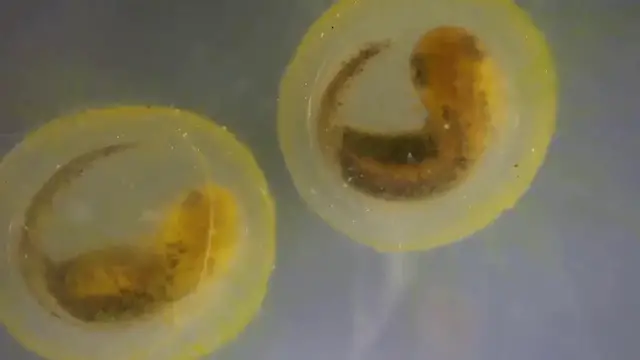

US: Rare Newts Hatch For First Time Under Human Care In Major Conservation Milestone.
Aug 1, 2026
Oregon, United States - July 30, 2026 Twenty tiny Mazama newts have hatched at the Oregon Zoo this month, marking the first time these rare amphibians have emerged from eggs under human care. The hatchlings, each no larger than a sunflower seed and still carrying frilly gills, represent a major step in efforts to prevent the Mazama newt from going extinct. Mazama newts are a rare subspecies of rough-skinned newt found only at Crater Lake. They arrived at the zoo last summer as part of an emergency conservation effort. During the first breeding season, zoo staff monitored the eggs daily under a microscope after two newts laid eggs this spring. Keepers used methods developed for axolotl eggs to track their development. The first egg hatched on July 19, followed by additional hatchlings over the following days. A total of 20 newtlets have arrived so far, with more eggs appearing fertile and continuing to develop. “It’s exciting and nerve-wracking,” said Kaley McClung, a keeper in the zoo’s newt conservation lab. “These hatchlings are exactly what we’ve been hoping for since the newts first arrived here. They may be tiny, but they represent a huge and hopeful step for everyone involved.” During their first days, the hatchlings receive nutrients from a yolk sac. Keepers have already offered brine shrimp and observed darting and pouncing behavior, signs of a healthy appetite. “Right now, our focus is simply to keep Mazama newts from going extinct,” said David Hering, an aquatic ecologist at Crater Lake National Park. “There's still a long road ahead before we can return them to Crater Lake, but this breeding success is a critical milestone and an encouraging sign that recovery is possible.” The Oregon Zoo, National Park Service, and Southern Oregon University are preparing a potential release site for zoo-bred newts. Partners are studying and removing invasive predators from an isolated pond at Crater Lake to create a protected refuge where newts can survive and reproduce. Historically, Mazama newts were an abundant aquatic predator in Crater Lake, but invasive signal crayfish have spread along much of the shoreline, reducing their numbers and disrupting the lake’s ecosystem.
Show More Show Less #news