Up next in 10



An artificial food dye ban was announced Tuesday, April 22, phasing out eight synthetic dyes from foods and medications.
Show More Show Less View Video Transcript
0:00
Eight artificial food dyes will be phased out of the U.S. food and drug supply by the end of 2026
0:07
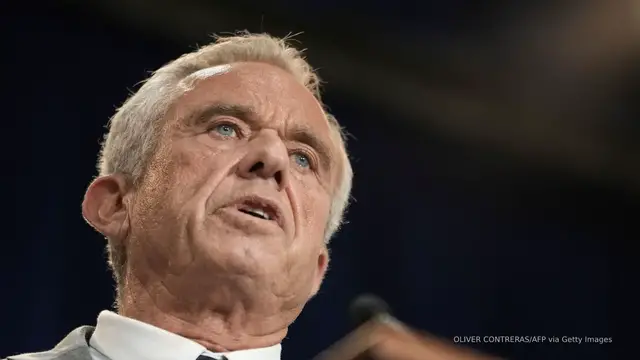
The announcement came Tuesday from FDA Commissioner Dr. Marty McCary speaking at a press event with HHS Secretary Robert F. Kennedy Jr. in Washington, D.C
0:16
These steps that we are taking means that the FDA is effectively removing
0:21
all petroleum-based food dyes from the U.S. food supply. McCary says the synthetic dyes are most commonly found in brightly colored fun foods like candy, cereal, snacks and sports drinks
0:35
They're asking companies to begin transitioning to natural alternatives like beet juice, carrot juice and watermelon juice
0:42
Two dyes not currently in production will be revoked. Citrus red number two and orange B
0:48
Six more artificial dyes will be eliminated from the U.S. food supply
0:52
Red dye number 40, yellow dyes 5 and 6, blue dyes 1 and 2, and green dye number 3
0:59
The agency is also pushing for the early removal of red dye number 3
1:04
Banned earlier this year from food and drinks due to potential cancer risks
1:08
red 3 is currently set to be phased out of foods by 2027 and medications by 2028
1:14
McCary says the FDA will work to eliminate it even sooner. To support the transition, the FDA will authorize four new natural color additives in the coming weeks
1:24
and is accelerating the review of others. McCary cited multiple health concerns Tuesday, especially for children
1:31
41 of children have at least one health condition and one in five are on medication The answer is not more Ozempic more ADHD medication and more antidepressants While this ban isn a cure all
1:48
he says it is an important step in addressing the childhood health crisis. This comes as the Texas
1:53
Attorney General investigates Kellogg for continuing to use artificial dyes in its U.S
1:59
cereals, even though the same dyes have been removed from products sold in Canada and Europe
2:04
A 2022 meta-ysis published in Environmental Health found a link between synthetic dyes and
2:09
hyperactivity in children. And a 2021 report from the California EPA found over half of 25 studies
2:16
reviewed showed a connection between artificial dyes and behavioral issues. McCary emphasized that
2:23
switching to natural dyes won't raise food prices, pointing to other countries that have already made
2:28
that transition. However, multiple sources within the food industry maintain that to natural food coloring would
2:35
to higher prices, possibly disrupting certain supply chains while manufacturers retooled to
2:41
federal regulation. We're going to start informing Americans about what they're eating. We're going
2:47
to try to work with Congress and the White House to make
2:51
sure that we have adequate labeling. McCary called the decades long use of synthetic dyes, quote
2:57
quote, one of the largest uncontrolled scientific experiments on children. He described the FDA's move as a step toward restoring public trust in food safety regulations
3:08
With Straight Arrow News, I'm Kennedy Felton. Download our app or visit san.com for more
#Chemicals Industry
#Candy & Sweets
#news
#Dyes & Pigments
#Health Policy
#Toxic Substances & Poisoning