Up next in 10

Recruiting and retention at the forefront: a conversation with top enlisted leaders
Jul 13, 2026


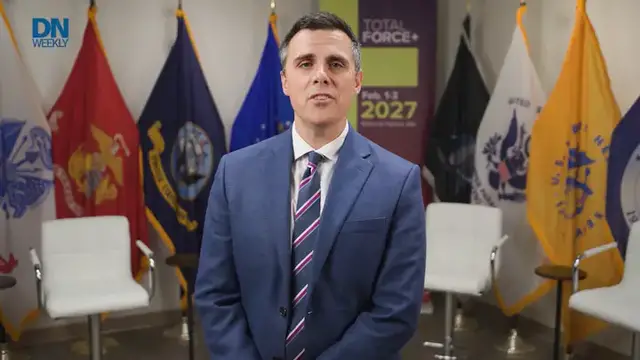
The Military Officers Association of America gathered senior enlisted leaders from across the services for conversation on topics ranging from recruitment to AI
Show More Show Less View Video Transcript
0:00
The Military Officers Association of America recently hosted our second conversation with
0:04
top enlisted leaders from across the services. Topics included recruiting and retention
0:10
the challenges and opportunities of AI, and quality of life issues for military families
0:16
All these conversations about taking care of the families and taking care of the people
0:20
ultimately for us, or this ecosystem, as I mentioned before, from the time you raise your
0:24
hand until you get that VA headstone. We want everybody in that system, not that every day is
0:28
you know, cotton candy and puppy dog tail service service should be challenging, should be hard
0:32
It's part of what we do. Right. But we want everybody in that ecosystem at some point in
0:36
time when they're asked, would you serve again to tell the next person? Yes, I would serve again. That's the best recruiter out there is. Well, I think, you know, if you look to our history
0:43
we've been pretty successful at recruiting and retaining because you've got to have both. Right
0:49
And I think that's the first realization is you're not going to out recruit your losses
0:53
So you've got to retain what you want to retain. There's some there's some healthy attrition that
0:58
needs to take place, but you want to retain the ones you want to retain your talent. For us
1:02
anyway, it's about taking care of our people when we get them into formation. And they'll stay
1:07
and they'll go out and be positive recruiters for you, because you're never going to be able to put enough recruiters on the street. Your recruiters are your people. So they're going to go out there
1:15
and everywhere they go, they're going to represent whatever uniform they wear, and they'll become your best recruiter. Share a little bit of where you guys are from a recruiting
1:21
perspective, and some of the, you know, are you thinking differently? Is it the same secret sauce
1:25
It's always been where you guys' perspectives as Marines. I think what it's always been is all credit goes to the recruiters
1:33
There is not a policy. There is not anything that can. It is the Marine recruiter that makes us successful and has made us successful
1:41
Still, we continue to tweak. So in the retention part, we started to retain two-year cohorts at a time
1:49
So instead of waiting until a Marine hits a certain window and only then can we talk to you No if the Marines just finished with the Central Command or South Con operation and they motivated because they doing Marine things why do we need to wait for them to hit that window before we talk to them and listen to what they want
2:07
No, so two years at a time. And for special circumstances, even sooner, right
2:12
We are looking into longer contracts. And then I'll be another thing that we're tweaking, that we're piloting, is the ASVAB the only indicator of success
2:23
The ASVAB score. You know, so we say it's not. What I've seen going well for us over the past year or so is I mentioned earlier how the commandant, I both believe service readiness begins with individual readiness
2:37
And as we've really, really reinforced that point to our folks, we've taken the stance of kind of shifting the mindset and the culture of the Coast Guard to accepting, focusing on your physical and mental readiness
2:48
That's part of your plan of the day. It's not in addition to the plan of the day. and one of the points that to change culturally took a little bit of a took a little bit of work
2:58
but I think we're getting where we need to be when we first started really driving this point home
3:03
I would have commanders asking me you know hey all right McPog I understand what you're saying
3:08
so what is it that you don't want me to do today and replace it with focusing on physical readiness
3:14
and my very frank answer back to him is well sir ma'am that's why you're in command you figure that
3:19
out. What I'm telling you is that this is the priority, and that has been exceptionally well
3:24
received, especially by the crew, but now the commands have latched onto it as well. That's
3:28
been a success. You know, I think, Greg, we all are serving or have served. We know this isn't a job
3:34
This is a way of life, right? This is a profession that comes with sacrifices and challenges. I don't
3:38
think any of us who serve in uniform were looking for the easiest job to collect a paycheck where
3:43
nothing was going to be expected of us, right? Like, we knew what we were getting into. So I talk a lot
3:48
about you're gonna have pride, right, to earn the title of guardian, earn the title of Marine or soldier or Coast Guard You have to have pride and respect in that We were just talking about the World Cup before we started right And think about right who wearing a jersey for the nation
4:04
If the players aren't performing, right, you're screaming at the television, like, why are they not? Did they not practice
4:09
Why are they not following the script? So what I tell Guardians is that that's the exact type of passion and pride in the team
4:16
I need you to have when you come to work every single day. If we can have the pride in the profession that we have and really put value on the titles and responsibilities that we have, then the standards and readiness will fall in line because no one wants to come to work and do a bad job for the team that they love
4:32
Why don't you guys each just talk to us a little bit about that tech mastery piece and what you guys are hearing or doing or thinking about from an AI perspective for each of your services
4:42
So what do we want as a Marine Corps? Every Marine and Rifleman
4:46
Absolutely. that is centerpiece culture. This is probably why we are effective in the joint force
4:54
and that the Marine brings this, because we make them a certain way
4:59
We are young by design and they're aggressive and we look for a certain type of person
5:04
in the civilian sector to bring into this club, right? Not everyone can be in it and we want everyone in
5:10
And I think that's what makes us unique and that binds us together, that makes us so effective in the joint force, right
5:16
And so I'm not afraid of AI. I want it to be used as a tool when it comes to people, right
5:24
Because you can easily say, you know, in this model, build me a podcast on this series of books and then put the Marines in a school circle and watch this fake podcast with fake people, recortuating a version of the series of books, professional military education
5:42
Check. Complete. All right. Get back up. You could. That's not what we're after and that's not what I'm after
5:49
It is the human connection that yes you must still be able to stand in front of a group of Marines and deliver confidence and deliver authenticity transparency when you can as much as you can and from a place of strength because you been there and done the sets and reps that require you to stand there with strength right
6:11
We're not running around fighting with bow and arrows nowadays. So things change, right
6:16
The hardware change, the weapon systems change. Things get more technical, more complicated
6:22
And we need the people to be able to keep up, to be able to employ those things
6:26
So I think our education systems, and not just our education systems inside the military
6:32
but our education systems, you know, that our kids are coming up in has to keep up
6:38
And it has to be able to produce that population that can come into the joint force and be able to take this complex, you know, hardware, weapon systems, machinery and be able to put it into, you know, employ it
6:52
So so I think, you know, that we got to stay involved in that and engaged in that
6:57
But we also got to make sure they don't lean too heavy on that side and they can still, you know, look somebody eye to eye and have a conversation with them
7:06
On the AI side, you know, when you think about the amount of data, right, that a guardian, a lot of us working in windowless rooms, right, we're using mesh networks, right, collecting data from satellites and ground-based radars and trying to do critical thinking, right, in a short amount of time
7:22
AI absolutely has a place for that. It's got to be done responsibly, right? So, you know, where do we have a human in the loop, on the loop, or what can we defer, right, out of the loop for AI to be able to do that
7:32
to collate that information so that the human guardian, the human weapon system
7:37
can then make a critical decision or a recommendation is where we have to leverage that
7:43
And we've been doing that little by little, but it's doing it responsibly and figuring out the right way
7:47
so we still have the trust and confidence of the American people to always go forward with that
7:51
For more highlights of this conversation, visit MOAA.org
#news