0:00
Today, we're shaping up the wobbly history of Jell-O
0:04
In 1897, in the small town of Leroy, New York, a carpenter named Pearl B. Waite
0:09
who also dabbled in cough syrups and laxatives, stumbled upon something unexpected
0:14
He and his wife, May, mixed gelatin with sugar and fruit flavoring
0:18
creating a powdered dessert that was easy to prepare. At the time, gelatin was considered a luxury item
0:24
requiring hours of boiling animal parts to extract. It was already used in pharmaceuticals
0:29
cosmetics, and even photography. So naturally, someone had the bright idea to eat it
0:35
But instead of the labor-intensive gelatin molds found in high society dining rooms
0:39
Waite's version was quick, colorful, and accessible to the everyday household. The result? Jell-O
0:45
That name was May's idea, supposedly inspired by a coffee substitute called Grano
0:51
The only problem? Nobody cared. Waite spent a year trying to sell Jell-O door-to-door
0:56
But with zero success, he gave up. In 1899, frustrated and out of ideas, he sold the trademark and recipe to his neighbor, orator Frank Woodward, for just $450
1:09
Woodward believed that once people saw how easy it was to make, they'd start buying it
1:14
And it worked. Jell-O was cheap, quick, and looked impressive, which made it a hit with families looking for an affordable indulgence
1:21
Advertisements leaned into its elegance showing that anyone could serve a beautiful dessert At just 10 cents a box Jell was priced like a loaf of bread but marketed like a luxury By 1907 sales had soared past million
1:36
During World War II, Jell-O went from quirky dessert to wartime survival tool
1:41
With sugar rationing in full effect, home cooks needed a way to make something sweet without using much sugar
1:46
and Jell-O stepped in like a hero. But why stop at dessert
1:50
People started trapping vegetables and leftover meats in gelatin molds as a resourceful way to stretch ingredients, embracing the unexpected fad
1:58
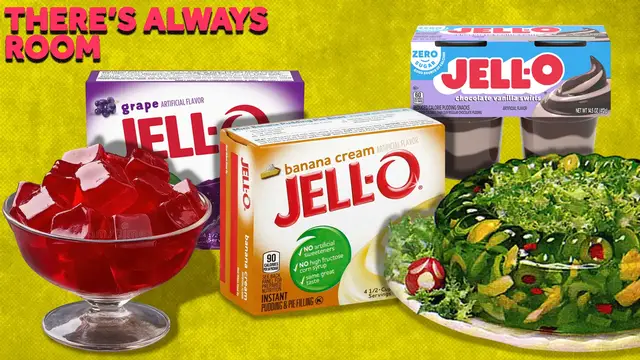
Jell-O decided to double down and release savory flavors like tomato, celery, and Italian salad
2:04
But by the mid-1970s, these flavors were mercifully discontinued, as Jell-O quietly returned to its rightful place as a dessert, not a questionable side dish
2:14
But over the next two decades, sales declined by about 2% per year
2:18
Smaller families, busier lifestyles, and fewer stay-at-home moms meant people weren't making Jell-O as often
2:25
Jell-O might not be America's most famous desserts anymore, but Jell-O isn't struggling
2:31
$688 million in sales in 2022 and over 1 billion Jell-O cups sold every year means there's still plenty of room for it
2:39
These days, Jell-O is less about family dinners and more about hospital trays, school lunch food fights, questionable party decisions involving vodka
2:47
So no matter what your favorite flavor is, Jell-O is going to be there for you for years to come
2:53
But those savory meat molds aren't coming back anytime soon