Up next in 10



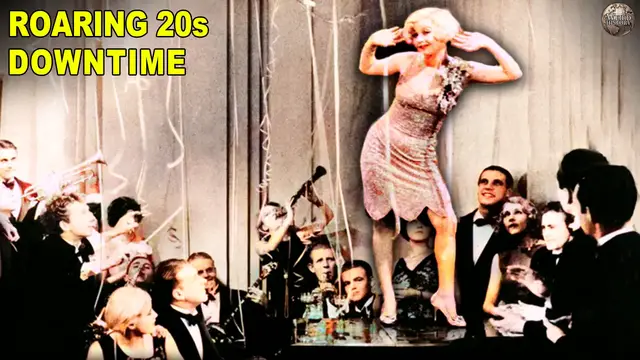
For the healing of the nations there must be good will and charity, confidence and peace," President Calvin Coolidge declared at the end of 1923, as the shadow of WWI continued to loom over America. What was life actually like in the decade that came to be known as the Roaring Twenties?
Show More Show Less View Video Transcript
0:00
Your high school history textbook probably spent more time talking about America's recovery from
0:05
World War I during the 1920s than anything else. But life during the Roaring Twenties was about
0:12
much more than that. Throughout the decade, the country's economy doubled, people had more free
0:17
time, and it became known as an era of prosperity. Of course, all of that screeched to a halt when
0:23
Wall Street crashed in 1929, leading to the Great Depression. Today, we're taking a break to look
0:29
back at how people during their roaring 20s spent their free time. We're about to party like it's
0:34
1929. January 17th, 1920 was a dark day for American drinkers. That was the day the 18th
0:46
Amendment went into effect, banning the sale, transportation, and consumption of alcohol in the
0:51
United States. For the next 13 years, prohibition sent the entire process underground. Plenty of
0:57
bootlegging operations and speakeasies popped up almost overnight to bring the sweet, sweet alcohol
1:03
to the people. Sure, you couldn't exactly walk into one of these establishments. These operations
1:08
could be as small as a bathtub moonshine affair or as big as an international bootlegging ring
1:14
Despite its illegality, alcohol was pretty easy to find and imbibe. The infamous gangster Al Capone
1:20
was heavily involved in the illegal trade too, making over $60 million per year during prohibition
1:27
He was eventually imprisoned for tax evasion in 1931, but not before becoming the most infamous gangster of the period
1:34
Al Capone's favorite activity also led to an increase in gang violence related to bootlegging
1:39
culminating in the 1929 St. Valentine's Day Massacre, when Capone's henchmen masqueraded as police officers
1:46
and brutally gunned down several members of a rival gang. Enterprising folks looking for whiskey or beer
1:52
looked through the shadows to find the speakeasies. These illegal bars, which often had live music, were only accessible through passwords and secret entrances
2:02
They were also frequently raided by the feds. But the owners knew how to avoid serious consequences
2:08
so it wouldn't be long before your favorite watering hole was open for business once again
2:13
Of course, there were always other things to do that didn't involve drinking
2:19
If drinking illegally wasn't your thing, you could always sit on a flagpole
2:23
Way back in the Halcyon days of 1924, a guy named Aloysius Anthony Kelly started the trend of flagpole sitting
2:32
The idea came to him when he managed to stay on top of a narrow beam for more than 13 hours after a friend dared him to do it
2:39
Things were pretty boring in those days, apparently. After successfully completing the dare, Kelly realized he had a special talent for this sort of thing
2:47
Nicknamed Shipwreck Kelly for his claim that he survived the sinking of the Titanic
2:50
Kelly ended up spending 22 days on top of a pole in New York's Madison Square Garden
2:56
But that not all folks Shipwreck Kelly outdid himself in Baltimore by sitting atop a 60 pole for more than 45 days Kelly favorite pastime swept the nation and people from all over the world tried to approach or surpass his record
3:10
But flagpole sitting wasn't the only popular athletic activity to rise in popularity during the 1920s
3:18
If movies weren't your thing, you could always just go for a drive
3:23
Advances in car manufacturing made vehicles safer, more comfortable, and more affordable
3:27
It goes without saying, although we'll say it, that automobile sales soared during the 1920s
3:33
In 1921, the Federal Highway Act led to new road construction, making it easier for folks to get around
3:38
That's when leisurely driving became a popular pastime. From camping to cruising, going on a road trip and exploring the town became fashionable for millions
3:47
They weren't exactly getting fast and furious, but the automobile's popularity in the 1920s
3:52
cleared the way for modern car culture to eventually become a reality at a later time
3:57
Seems like everyone takes time out of their Sunday afternoon to watch the game these days
4:03
but live sports didn't really come into style until the 1920s. Known as the Golden Era of sports, Americans found a delightful escape in sports like baseball and boxing
4:14
Baseball was the subject of controversy and scandal throughout the previous decade
4:18
But largely thanks to Babe Ruth, the game skyrocketed in popularity. Ushering in the era of the home run
4:24
Ruth led the league with 29 home runs in his first season as a hitter
4:28
But another sport also caught public imagination, boxing. Much like today, 1920s sports fans also enjoyed watching two people punch each other in the face
4:38
Boxing offered a glamorous, exciting spectacle for spectators and gamblers alike. And if you couldn't make it to a game, the radio or newspaper recaps had you covered
4:48
Speaking of the radio... We may take it for granted, at least for those who still listen to it
4:55
but radio wasn't always common in American homes. By the end of 1929, however, 10 million American homes were using them to connect with the outside world
5:04
While they were great for news, radio also brought sports, art, and entertainment to the masses
5:09
Much like streaming and the Internet make up our entertainment options today, radio served the same purpose back then
5:15
That is, until television came along. Radio also opened up the opportunity for advertisers and marketing firms to pitch their products to larger audiences worldwide
5:25
Some things never change. But radio wasn't the only popular entertainment source at the time
5:32
Everyone loves movies. In the 1920s, checking out the latest flick at the cinema was an event
5:39
Cinema became an exciting, captivating form of entertainment that would later become a cultural juggernaut in America
5:44
But in the 1920s, it was still a nascent art form and finding its way
5:49
The folks who attended those early films were among the first generation to become enamored
5:54
with the silver screen. Eventually, Hollywood began releasing upward of 700 films
5:59
a year, influencing culture in a major way. Popular films influenced and inspired fashion trends merchandise and household items Advertising firms saw great promise in cinema and invested significantly in product placement and trailers
6:13
Although they play in front of a feature today, movie trailers themselves were advertisements for upcoming films that trailed features
6:20
Get it? Trailers? Eventually becoming a staple of the cinema experience. But if there wasn't a good film out, you had plenty of other options
6:29
Joining cinema and radio as popular pastimes in the 1920s was the idea of keeping up with the news
6:38
Reading Time magazine was a pretty big deal at the, uh, time
6:42
Thanks to the weekly publication of Time magazine, anyone could keep up with the news of the world
6:47
From its inaugural March 3rd, 1923 issue onward, Time was a hit
6:52
Time magazine founders Britton Haddon and Henry Luce desired to make an accessible, engaging publication
6:58
to keep readers updated on current events. Better yet, Time was designed to only take about an hour to read
7:04
Loaded with first-hand accounts and strong narratives, the magazine kept a reader's attention
7:09
and became a constant presence on the periodical rack for decades to come
7:13
The magazine sold well throughout the decades and still holds the status of being one of the most well-known
7:18
and circulated periodicals today. Speaking of Time... Most people love to cut a rug every once in a while
7:27
Human endurance activities were all the rage in the 1920s. Having a dance marathon was a logical conclusion
7:34
Much like today's enduring reality TV dance contests, couples entered these competitions to win cash and other prizes
7:41
Of course, these dance contests lasted weeks or months, generating considerable controversy
7:46
Many cities ended up banning them as disruptive, disturbing, and even repugnant
7:51
As the Great Depression loomed, people entered the contests for fun and survival
7:55
as the economy began to take a nosedive. Jazz-inspired dance marathons might have offered some reprieve
8:01
from what was to come, but they had nothing on jazz music itself. Jazz helped create more lively songs and rhythms
8:10
ushering in a time of more danceable music, and people loved it. The upbeat, celebratory nature of jazz inspired another nickname
8:17
for the roaring 20s, the Jazz Age. Jazz legends like Louis Armstrong, Duke Ellington, and Jelly Roll Morton
8:24
rose to fame in the 1920s, setting the legendary soundtrack for the era
8:29
Jazz found its ways to clubs all over the country. Young people flocked to wherever it was played and tried out new dances like the Charleston
8:36
The genre was also largely responsible for creating the flapper movement. Characterized by short hair, flashy gowns, and red lipstick
8:44
flappers were the fashionistas of their day. In an ugly article published in 1920
8:49
the Atlantic Monthly defined flappers as women who trot like foxes, limp like lame ducks, one step like cripples
8:56
and all to the barbaric yawp of strange instruments, which transformed the whole scene into a moving picture
9:02
of a fancy ball in Bedlam. The Atlantic Monthly's description did nothing to stop the movement The flapper style was pretty popular until the Great Depression put an end to that too But flapper culture inspired something unexpected among the youth
9:19
Decades before George Carlin was on stage talking about words and wordplay
9:23
the youth of the 1920s engaged in wordplay and slang as a hobby. Yeah, riveting. Inspired by the
9:29
freeform nature of jazz and flapper culture, kids went wild and crazy with the wordplay
9:34
Are you a blue nose or someone who puts a damper on the mood or festivities
9:38
Do you like sinkers, also known as donuts? Do you know your onions when it comes to 1920 slang
9:44
Have you ever heard of a sock dologer? Someone or something which is truly remarkable or impressive
9:50
Noodle juice. Tea being zazzled, very drunk. Or drinking some foot juice, cheap subpar wine
9:57
If you haven't, don't worry. You're not alone. Some of the crazy linguistic turns live in our collective memory today
10:03
even if no one actually uses them. When they weren't having fun with words
10:09
kids liked to play board games at parties. It all started with the popular tile game Mahjong
10:15
In 1922, Joseph B. Babcock imported the game and began selling simplified versions of it to the masses
10:22
A four-player game with unique iconography and imagery requires skill and strategy to win
10:27
It was definitely an international hit, spawning countless imitators over the years
10:32
But Mahjong wasn't the only party game being played at the time
10:36
Kids in the roaring 20s loved their Ouija boards. Essentially a parlor game, the first Ouija boards appeared around 1890
10:44
In 1901, game manufacturer William Fold began producing them, seeing an increase in sales and popularity
10:51
popularity that grew with the rising public interest in the occult and spiritualism
10:56
People took the Ouija board to task for myriad questions or to speak with departed loved ones
11:00
hoping to gain some insight from the spirit world. It grew in popularity from there
11:05
but an aura of mystery surrounds the device. Fould himself used the board to guide his business decisions
11:11
and built a factory based on guidance from the board. In 1927, he died in a freak accident
11:17
falling from the roof of that very same factory. And if you think that's spooky
11:21
it's got nothing on some of the weird stuff students were doing on college campuses
11:25
Fashion trends come and go, but sometimes they take a bizarre turn along the way
11:35
One of the biggest trends on Ivy League campuses in the 1920s was acquiring raccoon fur coats
11:41
But they didn't stop at acquisition. Oh, no. The students would make a point to flaunt their new raccoon furs all over the place
11:48
While they were busy revealing their inner Davy Crockett for the world to see
11:52
the fur coats eventually caught national attention. One guy, George Olson, even wrote a song about them
11:57
in 1928 called Doing the Raccoon. The song was later covered by Rudy Valli
12:02
and can easily be found online if you're keen to listen. But with lyrics like, oh, they wear them down in Princeton
12:08
And they share them up at Yale. And they eat them at Harvard. But they sleep in them in jail
12:13
You can just take our word for it