Up next in 10


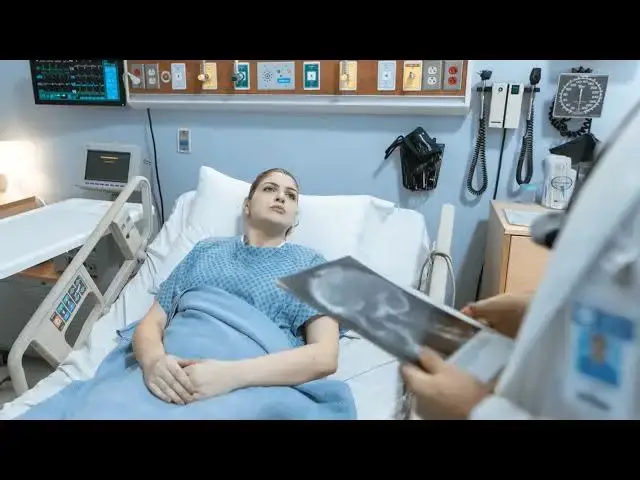
Learn about the various ways pneumonia can develop, including bacterial, viral, and fungal infections. This video covers common risk factors, transmission methods, and preventive measures to help you understand and reduce your risk of this serious lung infection.
#PneumoniaExplained
#HealthEducation
#MedicalInfo
Show More Show Less View Video Transcript
0:00
did you know that a simple cough could
0:02
be the start of a potentially
0:03
life-threatening condition what if I
0:06
told you that this condition affects
0:07
millions worldwide and can strike anyone
0:10
regardless of age or health
0:12
status how does someone get pneumonia
0:15
pneumonia is a serious lung infection
0:17
that affects millions of people
0:18
worldwide each year it occurs when the
0:21
air sacks in one or both lungs become
0:24
inflamed and fill with fluid or pus
0:27
making breathing difficult and causing a
0:29
range of symptoms from mild to
0:31
severe the most common cause of
0:34
pneumonia is infection by microorganisms
0:36
such as bacteria viruses or fungi
0:39
bacterial pneumonia is often caused by
0:41
streptococcus pneumonia while viral
0:44
pneumonia can result from influenza
0:46
viruses or respiratory sensitual virus
0:49
fungal pneumonia is less common but can
0:51
occur especially in people with weakened
0:54
immune systems certain risk factors can
0:57
increase a person's susceptibility to
0:59
pneumonia these include age with young
1:02
children and older adults being more
1:04
vulnerable people with chronic diseases
1:06
like diabetes heart disease or lung
1:09
conditions such as chronic obstructive
1:11
pulmonary disease are also at higher
1:14
risk smokers individuals with weakened
1:16
immune systems and those who have
1:18
recently had surgery or been
1:20
hospitalized face an increased chance of
1:23
developing pneumonia pneumonia can
1:26
spread in various ways it can be
1:28
contracted through inhaling airborne
1:30
droplets from an infected person's cough
1:32
or sneeze this is why pneumonia often
1:34
spreads in crowded places or where
1:36
people are in close contact in some
1:39
cases pneumonia can develop by
1:40
aspirating food drink or saliva into the
1:44
lungs which is more common in people
1:45
with swallowing difficulties or those
1:47
who are
1:48
unconscious hospital-acquired pneumonia
1:51
is another concern this occurs when a
1:53
person contracts pneumonia during a
1:55
hospital stay for another condition it's
1:58
often more serious because the bacteria
2:00
involved may be more resistant to
2:02
antibiotics
2:04
while it's not always possible to
2:05
prevent pneumonia there are steps you
2:08
can take to reduce your risk getting
2:10
vaccinated against numoccoal pneumonia
2:12
and influenza can provide significant
2:15
protection practicing good hygiene such
2:17
as washing your hands frequently and
2:19
avoiding touching your face with
2:21
unwashed hands can help prevent the
2:23
spread of germs maintaining a healthy
2:26
lifestyle including not smoking eating a
2:28
balanced diet and getting regular
2:30
exercise can boost your immune system
2:33
and make you less susceptible to
2:35
infections understanding how pneumonia
2:37
develops and spreads is crucial for
2:40
prevention by being aware of the causes
2:42
and risk factors and taking appropriate
2:44
preventive measures you can
2:45
significantly reduce your chances of
2:47
getting this serious lung infection
2:49
remember if you experience symptoms such
2:51
as persistent cough chest pain fever or
2:54
difficulty breathing it's important to
2:56
seek medical attention promptly let's
2:58
recap the key points about pneumonia
3:00
it's a serious lung infection caused by
3:02
bacteria viruses or fungi leading to
3:06
inflammation and fluid buildup in the
3:07
air sacks of the
3:09
lungs risk factors include age chronic
3:12
diseases smoking and weakened immune
3:15
systems pneumonia can spread through
3:18
airborne droplets or aspiration and it's
3:20
particularly concerning in hospital
3:23
settings prevention is key get
3:26
vaccinated practice good hygiene
3:29
maintain a healthy lifestyle and seek
3:31
prompt medical attention if you
3:33
experience symptoms like persistent
3:35
cough chest pain fever or difficulty
3:39
breathing thank you for watching our
3:41
video on how someone gets pneumonia we
3:43
hope this information helps you
3:44
understand the causes risk factors and
3:47
prevention methods for this serious lung
3:50
infection stay healthy and take care
Arts & Entertainment
Health
Infectious Diseases
Respiratory Conditions
Health Education & Medical Training