
Exploring the Timeless Charm of La Dolce Vita by Federico Fellini
Aug 26, 2024

Exploring the Timeless Charm of La Dolce Vita by Federico Fellini
"La Dolce Vita," directed by Federico Fellini, stands as one of the most iconic films in the history of cinema. Released in 1960, this masterpiece is not only a significant work of Italian neorealism but also a poignant exploration of modern society's decadence and existential ennui. The film's title, which translates to "The Sweet Life," is both ironic and reflective, offering a captivating glimpse into the hedonistic lifestyle of Rome's elite during the 1950s.
Federico Fellini, already an acclaimed filmmaker by the time he created "La Dolce Vita," uses this film to delve deep into the moral complexities and superficial glamour of a society obsessed with pleasure and fame.
The narrative follows Marcello Rubini, a disenchanted journalist played by Marcello Mastroianni, as he drifts through Rome in search of love and meaning. Marcello's encounters with various characters, including the enigmatic Sylvia, portrayed by Anita Ekberg, and his introspective friend Steiner, reveal the shallow pursuits and profound disillusionments of those around him.
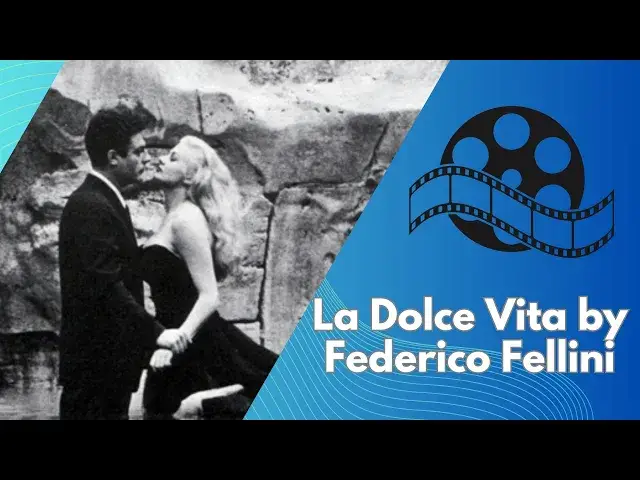
The film's structure is episodic, with each vignette contributing to a larger mosaic that critiques the emptiness of the pursuit of superficial pleasures. One of the most memorable scenes features Sylvia's iconic dip in the Trevi Fountain, a moment that epitomizes the film's blend of beauty and melancholy. This scene, among others, showcases Fellini's genius in combining visual splendor with deep thematic content.
"La Dolce Vita" is notable for its bold narrative and stylistic innovations. Fellini's use of black and white cinematography, handled masterfully by cinematographer Otello Martelli, enhances the film's dramatic contrasts and symbolic depth. The film also benefits from Nino Rota's evocative score, which underscores the emotional nuances and varying moods throughout the narrative.
It won the Palme d'Or at the Cannes Film Festival in 1960 and was praised for its artistic ambition and critical perspective on contemporary society. However, its candid portrayal of moral decay and its unconventional storytelling also sparked debates and censorship in various countries.
For those seeking a deeper understanding of Fellini's work, "La Dolce Vita" serves as a pivotal entry point. It encapsulates his signature style, blending fantasy with reality and offering a critical lens on societal norms. To truly appreciate the film, viewers should pay attention to its recurring motifs and the subtle evolution of Marcello's character, which reflect Fellini's commentary on the search for authentic happiness amidst a facade of glamour.
Have you watched "La Dolce Vita"? What are your thoughts on Fellini's portrayal of society's quest for meaning? Share your views in the comments and join the discussion.
#LaDolceVitaFilm #FelliniMasterpiece #ClassicCinemaDiscussion
https://youtu.be/Ip0UJO0cGaM
Show More Show Less