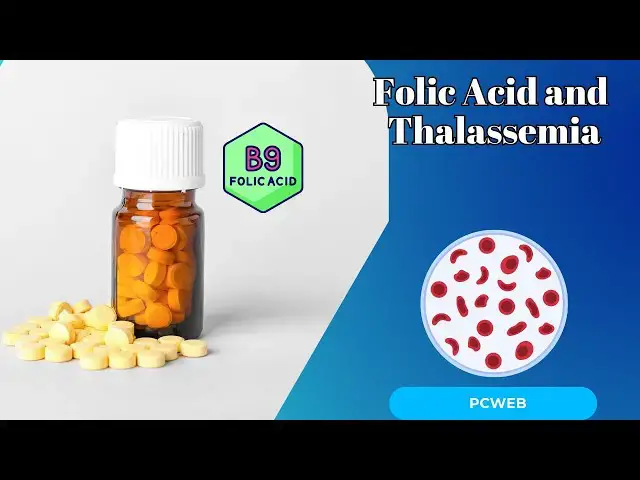

Folic Acid and Thalassemia: A Vital Role in Managing the Condition
Sep 24, 2024

Folic Acid and Thalassemia: A Vital Role in Managing the Condition
Have you ever wondered how a simple vitamin could make a significant difference in managing a complex blood disorder like thalassemia? Folic acid, a form of vitamin B9, plays a crucial role in the production and maintenance of red blood cells, which is particularly important for individuals with thalassemia. Understanding the connection between folic acid and thalassemia can provide valuable insights into how this nutrient can help improve quality of life for those living with this condition.
Thalassemia is a genetic blood disorder characterized by the body’s inability to produce enough healthy red blood cells and hemoglobin. This leads to anemia, which can cause symptoms like fatigue, weakness, and shortness of breath. Individuals with thalassemia have a higher rate of red blood cell destruction, meaning their bodies must continuously produce new red blood cells to compensate. This is where folic acid becomes essential.
Folic acid is crucial for the synthesis of DNA and the formation of new cells, including red blood cells. For those with thalassemia, maintaining adequate folic acid levels is vital to support the continuous production of red blood cells and to help prevent severe anemia. Without enough folic acid, the body’s ability to produce new blood cells is compromised, exacerbating the symptoms of thalassemia and potentially leading to complications.
Additionally, folic acid can help reduce some of the symptoms associated with thalassemia. By supporting the body’s red blood cell production, folic acid can help alleviate fatigue and increase energy levels, improving overall well-being. Moreover, ensuring adequate folic acid intake can help enhance the effectiveness of other treatments and reduce the need for frequent blood transfusions, which are often required to manage severe anemia in thalassemia patients.
For those with thalassemia, incorporating foods rich in folic acid, such as leafy green vegetables, beans, lentils, and fortified cereals, into their diet is highly recommended. In some cases, a healthcare provider may also suggest folic acid supplements to ensure sufficient intake. It’s important to consult with a healthcare professional to determine the right dosage and to integrate folic acid effectively into your management plan.
Are you or a loved one managing thalassemia and curious about the role of folic acid in your treatment plan? How do you plan to incorporate more folic acid into your diet? Share your experiences and questions in the comments below!
See more:
Folic Acid for Hardness: Can This Vitamin Enhance Physical Strength?
https://youtu.be/9QEtg0WVZAA
#FolicAcidForThalassemia #ManageThalassemiaNaturally #BloodHealthTips
Show More Show Less #Health
#Genetic Disorders
#Nutrition
#Vitamins & Supplements