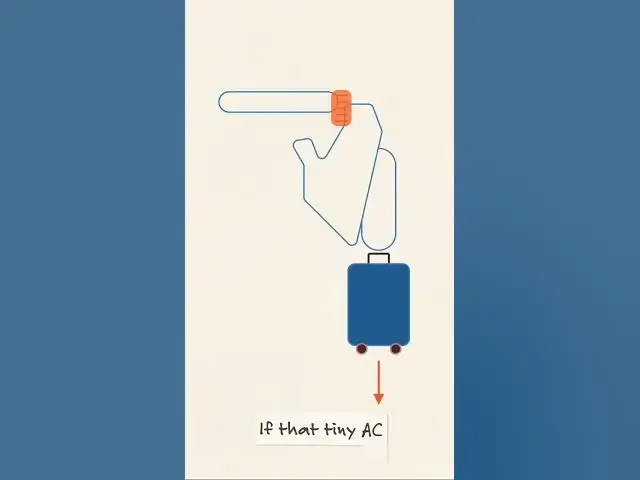

How do AC and CC ligaments work together for shoulder joint stability
Sep 20, 2026
The acromioclavicular (AC) and coracoclavicular (CC) ligaments work together by providing complementary stability across different planes of motion and maintaining proper shoulder mechanics
:
Horizontal Control (AC Ligament): The AC ligament surrounds and reinforces the joint capsule (via its superior and inferior bands) to maintain horizontal stability
. It stabilizes translational movements and prevents the clavicle from overriding the acromion
.
Vertical Control & Suspension (CC Ligament): Positioned extrinsic to the joint, the CC ligament is the primary vertical stabilizer, connecting the clavicle to the coracoid process to suspend the scapula from the clavicle
. It relies on two distinct components
:
Trapezoid Ligament: Located laterally, it limits lateral displacement of the clavicle over the acromion
.
Conoid Ligament: Located medially, it restricts superior displacement of the clavicle and plays a crucial role in passive posterior rotation of the scapula during arm elevation
.
Coordinated Functional Synergy: Together, their combined action achieves several key objectives
:
Preserves joint integrity and alignment while limiting excessive motion across both horizontal and vertical planes
.
Facilitates proper scapulohumeral rhythm and coordinated scapular movement during arm elevation and overhead activity
.
Enables efficient force transmission from the upper limb to the axial skeleton
Show More Show Less