Up next in 10


"Get $10 Off at BRUNT with code COWBOYKENT at
https://www.bruntworkwear.com/COWBOYKENT #Bruntpod"
Get 40% off select Lola Blankets products at Lolablankets.com by using code COWBOYKENT at checkout. Experience the world’s #1 blanket with Lola Blankets.
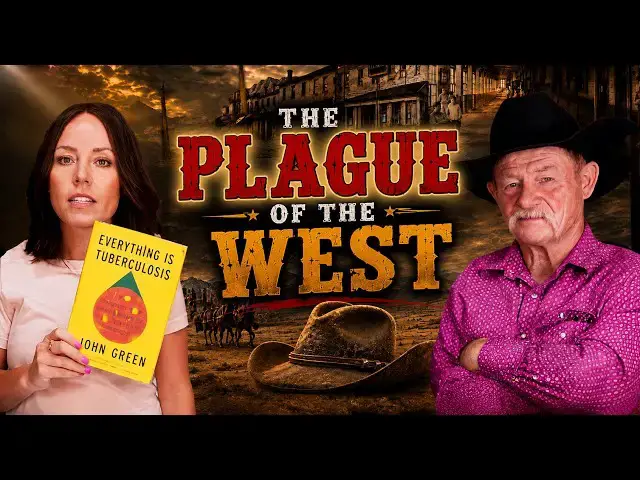
In this episode we're digging into the disease history books forgot — the plague that quietly reshaped frontier life, drove thousands to chase the Western sky, and left its mark on American cowboy culture forever. Tuberculosis, the world's most deadliest disease, has many interesting western connections, including how it helped create the cowboy hat, how it influenced where people settled and even what they ate!
Cowboy Coffee Hour Podcast
Podcast available on Apple, Spotify and your favorite podcast platform!
Check out our BEST SELLING cookbooks. Get your copy here: https://www.kentrollins.com/shop
Also available at bookstores nationwide, and Amazon www.amazon.com/shop/cowboykentrollins
---------------------------------
Connect with us!
https://facebook.com/cowboykentrollins
https://instagram.com/cowboykentrollins
https://twitter.com/Kent_Rollins
---------------------------------
Kent Rollins
Cowboy Cooking, Cast Iron, Outdoor Cooking, Grilling, Dutch Oven Cooking
Show More Show Less View Video Transcript
0:00
You see this hat? Its origin really
0:02
didn't start from some big cattle
0:03
rancher in Texas. It's really started on
0:06
one of the deadliest diseases in [music]
0:08
the world. And we're going to talk about
0:10
it today.
0:16
Howdy. My name is Kent Rollins. I've
0:18
been a cowboy and a chuck wagon cook for
0:20
over 30 years cooking for ranches all
0:23
across America. You might have seen me
0:25
on the Food Network or alongside my
0:27
beautiful wife, Shannon, on our YouTube
0:29
show where we share cowboy cooking from
0:31
the trail, but now we're going to take
0:33
you behind the scenes to real campfire
0:35
conversations. [music] Join us as we
0:37
share humor, cowboy wisdom, and stories
0:40
full of history, heart, faith, and of
0:43
course, a little fire. So, grab you a
0:45
cup of coffee, pull up a chair, and
0:47
welcome to the podcast.
0:53
Hey, thank y'all for joining us today.
0:55
And we are fixing to blow your socks
0:58
plum off your feet with the information
1:00
that we're going to give you today
1:01
because there was a disease that killed
1:04
so many people. A disease that shaped
1:07
not only America, but it helped shape
1:09
the West. But one thing you really
1:12
didn't know that I found very
1:13
fascinating about, it had something to
1:16
do with the cowboy hat. So, Kent, great
1:20
great introduction because I started
1:22
rabbit hauling this and the reason we
1:24
got into tuberculosis.
1:27
I almost accidentally picked up this
1:29
book, Everything is Tuberculosis by John
1:32
Green. And what fascinated me most is
1:35
that one, I had no clue really the
1:38
impact of tuberculosis. I thought this
1:40
is like a disease of the 1800s. Why are
1:43
we still talking about this?
1:45
But more importantly, how it had this
1:48
crazy connection of shaping the West and
1:51
really American society. So,
1:54
>> we can't just talk about this ourselves.
1:56
>> No, we're going to have to bring in an
1:57
expert. We
1:57
>> have to bring in an expert. And luckily,
2:00
she is just down the road from us at
2:03
Fort Stanton. We want to introduce Amy
2:06
Hoffman. And you are the interpretive
2:09
ranger for Lincoln and Fort Stanton
2:11
historical sites here in New Mexico.
2:14
>> Yes.
2:15
>> Welcome.
2:16
>> Oh, thank you for having me.
2:17
>> Our pleasure.
2:18
>> Thank you.
2:18
>> We were telling Amy, you are our first
2:20
in-house guest
2:21
>> in the podcast room.
2:22
>> It's very nice in [laughter] here.
2:24
>> Do you like our our setup?
2:25
>> Yes, it is great setup.
2:27
>> So, the reason we have you on because
2:30
you're you're perfect for this one.
2:31
You're close. You're at Fort Stanton,
2:34
which is just what maybe 15 minutes from
2:36
where we live.
2:38
>> And Fort Stanton and New Mexico have
2:41
this crazy history and tie-in with
2:44
tuberculosis, right?
2:46
>> Yes, it does. And um I have here Fort
2:51
Stanton became one of the most advanced
2:53
medical facilities in the country. Yes,
2:56
we were one of the first federal
2:57
tuberculosis centers. So we became one
3:00
in 1899.
3:03
>> It's been a little bit.
3:04
>> Yes. [laughter] And then that lasted
3:06
until 1953. And then we became a state
3:08
hospital after that. And we still were
3:11
treating tuberculosis during that time.
3:13
And New Mexico then for that reason
3:17
became a kind of tuberculosis hub or
3:20
treatment center. Very much so.
3:22
>> And also was really the reason that New
3:25
Mexico became a state.
3:27
>> Is that true?
3:27
>> Yes.
3:28
>> Yes. Now, Amy, uh, before we get into
3:31
this and your expertise, and you're
3:32
going to give us all the interesting
3:34
information that I know a lot of our
3:35
listeners didn't know because especially
3:38
I didn't know.
3:39
>> Yeah.
3:40
>> But when I read this book, and this is
3:42
what hooked me in the book was these
3:45
crazy connections to how tuberculosis
3:48
built the West. And one particular
3:51
character of importance was John Stson.
3:56
And this book made the mention that the
3:59
reason the cowboy hat exists is because
4:03
John got tuberculosis. Do you know this
4:05
story?
4:06
>> Yeah, a little bit. [laughter] Yeah.
4:09
Yeah. I mean I mean one of the things
4:11
out here is just so much sun.
4:13
>> Yeah.
4:13
>> Right. And you know they wanted to treat
4:16
tuberculosis, right? With the fresh air,
4:18
the high altitude, with rest, with food.
4:22
And when I've just moved out here, it's
4:24
the sun. Like that's what gets me.
4:26
>> Does it make you happy?
4:28
>> It does. It does. It does make me happy,
4:31
right?
4:32
>> But yeah, you need some protection.
4:34
Yeah.
4:34
>> Well, so John gets tuberculosis and this
4:38
is the big thing. So it's in um he's in
4:41
the
4:43
>> is he in New York, I believe.
4:44
>> Yeah,
4:44
>> he's in the east, I think it maybe even
4:46
New York City.
4:47
>> And he gets tuberculosis, which many
4:50
people at the time are getting.
4:51
>> Mhm. Especially
4:53
in urban areas. So those crowded
4:56
conditions, right, to spread disease.
4:59
>> Yeah. With and too with a lot more
5:01
humidity and moisture in the air, you
5:03
know, which makes it moist. But uh John
5:06
B. Stson, you know, people know that
5:09
name. And you talk about the hat.
5:12
>> He he incorporated cowboy hats into the
5:16
American West.
5:17
>> So he goes over. So his doctor's like,
5:20
"Oh yeah, you've got tuberculosis. You
5:22
need to get out of here." Because that's
5:23
what you were saying, doctors are
5:24
prescribing to go west.
5:26
>> Yes. The the arid air. So he heads west.
5:30
Now, before he left, his family were hat
5:32
makers. So that was kind of the family
5:34
business. And once he gets out here,
5:36
he's thinking, "Man, it's uh really
5:38
bright and the hatwear out here, it
5:42
needs to be worked on." So he kind of
5:44
restarts the hat business
5:46
>> and he creates a a wider brimmed hat for
5:49
the sunlight, a tall crown because that
5:53
keeps the heat off of your head, right?
5:56
>> And
5:58
really those were the first workings of
6:00
the cowboy hat.
6:01
>> Well, he got to noticing, you know, that
6:03
you know, ships captains wore these
6:05
little wool hats. They had these
6:06
skinin caps, many of the frontiersmen
6:08
were, but you had no protection from the
6:10
elements. And when when he made a cowboy
6:13
hat, he wanted to make something
6:14
widebrimmed that kept the sun out of
6:17
your eyes, but also off the back of your
6:19
neck.
6:20
>> It worked as a great fan. He also said,
6:22
you know, you can take this hat off.
6:25
This makes a great bucket to water your
6:26
horse. Also, yeah, but also it is with
6:31
the brim itself, it makes a great cup
6:33
for you to drink out of, you know. So
6:35
when he was on his way out here and he
6:38
didn't have a job when he was coming
6:40
west and he needed something, he made
6:42
one of his first hats out here in this
6:44
country and sold to a guy who was
6:46
pulling a big old team of oxen with a
6:48
wagon. Sold him a hat for $5, you know.
6:50
So
6:51
>> great deal.
6:52
>> He he done well, but his hats were so
6:55
popular. Buffalo Bill Cody had one. Andy
6:58
Oakley had one. Will Rogers had one.
7:01
Presidents still wear them. The Texas
7:03
Rangers wear Stson hats. They were the
7:06
only company that really decided, we're
7:09
going to go with a hat that really
7:11
symbolizes America.
7:12
>> That's crazy. So, I guess we can say
7:15
there was at least one good thing that
7:16
came out of tuberculosis.
7:18
>> Oh, yes. Was the the cowboy hat and uh
7:22
and and like the the people that it
7:24
brought west and created these different
7:27
communities. Um, okay. Amy,
7:31
can you help us for those that don't
7:33
know, because I sure didn't. Break it
7:36
down in like layman's terms. What is
7:38
tuberculosis?
7:40
So, tuberculosis, it's a bacteria,
7:43
right? It really doesn't stay too long
7:45
on surfaces, which is kind of nice. It's
7:48
mostly spread by um coughing.
7:51
>> Okay.
7:52
>> Right. Coughing, sneezing in that sense.
7:55
And so it it was first discovered kind
8:01
of as officially a bacteria in the 1800s
8:05
in the late 1800s by Robert Caul and he
8:09
said okay this is you know what's
8:10
causing it before then TB was still
8:13
around um we've seen in Egypt right
8:17
bodies um of spine like the the spines
8:20
are kind of curved like in an acute
8:22
angle and that's from pots Um and POTS
8:26
is basically tuberculosis of the spine,
8:29
>> right? So we so so researchers have like
8:32
you know kind of traced back for a long
8:34
time like this has been a thing and it's
8:37
just kind of sometimes changed names
8:39
over times like a white plague
8:41
consumption really popular in the 1800s
8:44
>> right and tuberculosis it was termed
8:47
probably 1830s but it wasn't really used
8:49
until the 1900s
8:51
>> um when you had mentioned consumption
8:53
now that's the word I know but I didn't
8:56
know what that meant or what that was
8:58
because Like Kent, I haven't watched a
9:02
lot of western old western movies.
9:04
>> Oh
9:04
>> I'm sorry. It's cough up blood, you
9:06
know, but they always talked about
9:08
consumption. I thought, well, that
9:09
sounds bad, but I don't know what it is.
9:11
So, tuberculosis and consumption is the
9:13
same thing.
9:14
>> And it's a a disease of the lungs. Well,
9:17
I guess they can go into other parts of
9:18
the body, too. Like I said, the spine,
9:20
right? And then it could curve those
9:21
vertebra. So, it can go into other
9:23
parts, but mostly it's going to be in
9:25
the lungs. And they called it
9:26
consumption because really it just kind
9:28
of consumes the whole body.
9:29
>> Yes. Yeah. You got very thin.
9:31
>> Yeah. Pale looking skin. Is there a time
9:35
that that the the disease lasts or does
9:37
it change for every person?
9:39
>> Um for for Stanton most of the patients
9:43
there we would have about 200 a year
9:45
when it was fully running. Uh and then
9:48
they would usually stay about a year.
9:50
Okay. That was kind of the ends, but we
9:53
still had a third basically that would
9:55
come in that would that would die.
9:58
>> Um there was an interesting fact that I
10:00
saw that TB killed more Americans in the
10:03
1800s than most wars combined.
10:07
>> It's one of the top killers. It's still
10:09
today a top killer.
10:10
>> Yeah.
10:11
>> That that is what's crazy. Um
10:14
we since you had mentioned that I was
10:16
looking at some statistics in 2023 over
10:20
a million people died. This isn't a
10:23
disease of the 1800s.
10:26
Unfortunately as westerners we don't
10:29
know it because we have the means to
10:31
combat it which we will get into later
10:33
but it really is a disease of
10:36
povertystricken areas. Is that correct?
10:38
And we still see it today in the US in
10:41
mostly crowded conditions.
10:43
>> Sometimes you'll see it in nursing
10:45
homes, in prisons, right, where you have
10:48
those kind of crowded
10:50
>> Oh.
10:50
>> areas cuz those those diseases just love
10:53
the lots of people in in a small
10:56
confined space.
10:57
>> Yeah. Um and even uh COVID for a brief
11:01
period of time was the only disease that
11:04
trumped it for for a very short time.
11:07
And now TB is surging again as the top.
11:10
And what you were saying, you know, a
11:11
million, you know, a little over a
11:12
million die, but like 10 million get
11:14
diagnosed, right? So it's still
11:18
significant.
11:19
[music]
11:27
You know, when I think about getting
11:28
boots, always think, well, if it's a
11:30
really good boot, it's going to be
11:32
heavy, going to make me really tired to
11:33
carry it all day. But when I pulled
11:36
these Brunt work boots out of the box,
11:39
they're put together well. I thought,
11:41
"These aren't as heavy as I thought they
11:43
might be." And I love the option that
11:46
you don't have to have a steel toe. You
11:47
can get a soft toe. You can get a pull
11:49
on. You can get a lace up. But when you
11:52
put them on, they feel like they're
11:54
handmade for your feet. They just feel
11:56
good. And when you're on your feet all
11:58
day like I am, that makes a big
12:00
difference. I would really recommend
12:03
that you try these boots. Put them on,
12:05
wear them, and put them to the test
12:07
because they're going to do the job.
12:09
Stop overpaying for work wear that
12:12
doesn't last. For a limited time, our
12:14
listeners can get $10 off by going to
12:17
bruntwork.com/cowboyk
12:22
and using code cowboyk at checkout. This
12:25
is a top tier gear for an incredible
12:28
price and with a risk-free trial.
12:31
There's no reason not to give them a
12:33
shot. Stop overpaying for work wear that
12:36
doesn't last. For a limited time, our
12:39
listeners can get $10 off by going to
12:42
bruntworkwear.com/cowboykent
12:46
and using code cowboyk at checkout. This
12:50
is a top tier gear for an incredible
12:52
price. And with the risk-free trial,
12:55
there's no reason you shouldn't give
12:57
these boots a try.
13:03
So walk through us again, why were
13:06
[music] doctors prescribing West?
13:09
So the big thing um one of the in the
13:13
late 1800s, right? Dr. Wyman, he was one
13:16
that kind of made [music] a big report
13:18
at that time that said, "Hey, this is
13:20
kind of a way to help the TV, right?
13:23
It's it's gives you like so we need
13:25
fresh air. We need the high elevation.
13:28
And then they started to really put in
13:30
food like lots of food, you know, um as
13:33
time went by too and give them lots of
13:34
calories.
13:36
And so and then um and then that report
13:39
I think it pushed a lot of people here
13:41
because I know like Colorado, New
13:44
Mexico, Arizona, they saw a huge spike
13:46
in population. Yes.
13:48
>> Um I think even the railroads had kind
13:51
of created like these almost marketing
13:52
campaigns
13:54
>> to get people on them out west.
13:56
>> Yeah. And I know out here about 1880s we
13:58
got the railroad kind of here in New
14:00
Mexico
14:01
>> and that was yeah I could push more
14:03
people here.
14:04
>> Yeah.
14:04
>> You know a lot of them when I was
14:06
looking back at stuff to try to find out
14:07
what was going on you know they they
14:09
called them loners they called them
14:11
health seekers you know and if a lot of
14:14
them would come by wagon train
14:15
>> the only way they had and little towns
14:18
would sprout up because they couldn't go
14:20
no further. They would just stop at
14:22
these little old towns and there was
14:23
tent shacks and everything else, you
14:25
know. But it was it was a journey that
14:28
them people made to try to better
14:30
themselves but also live longer,
14:33
>> you know, that I think that was they
14:34
were chasing the dream of clean air,
14:37
sunshine, you know,
14:38
>> right? Um, so I had made a mention of
14:42
this like we think that
14:44
the the cowboys or the the railroads or
14:48
you know those settled the west. Well,
14:50
maybe it was it sick people that more
14:52
settled the West. Like, was that more
14:55
the reason for the population boom
14:57
rather than just like let's go and grab
15:00
land? Well, it's a complicated question
15:02
in a way because in 1850 is when New
15:05
Mexico became a territory. Yeah.
15:07
>> Right. We got a lot of land, right?
15:10
Because again, it was modern day
15:12
Arizona. It was here in New Mexico,
15:14
right?
15:14
>> And I think really there was a push to
15:16
get people just out west, right? we
15:18
started to really bring in those forts.
15:20
Fort Stanton was 1855, right? So in 18,
15:24
you know, 50s, we started bringing out
15:25
these forts um really to control the the
15:28
Native American populations was their
15:31
purpose, right? And so but that brought
15:34
a lot of people. Um and so you have
15:36
those those populations coming, right?
15:39
You have these land grants, right? And
15:42
they're really pushing people like get
15:44
out west, come settle. Like you can take
15:46
this land, you improve it. Like here's
15:48
so many hundreds of acres.
15:50
>> Yeah. And then we've got cattle. That's
15:54
one of my favorite things too. I think
15:55
you like that too, Ken. [laughter]
15:57
Right. We gave it away.
15:59
>> Right. Um, you know, I I think there was
16:02
a big push really in the 1860s, 1870s,
16:05
right? We've got John Chisum.
16:06
>> Yep.
16:07
>> Right. along the POS. He's bringing all
16:10
those cattle through u good night loving
16:12
trail, right? Going up. Um then we've
16:15
got um I always think of Billy the Kid.
16:17
>> Yeah.
16:18
>> Right. Of course.
16:19
>> Right. And he was a cattle rustler.
16:21
That's mostly what he did out here when
16:22
he around Lincoln.
16:24
>> Right. And um one fun fact I I I like
16:28
about TB and Billy the Kid is that Billy
16:30
the Kid's mother died of TB.
16:33
>> Wow.
16:35
Um, and I'm sure did we see TB in in
16:38
families a lot just because of the
16:39
proximity?
16:40
>> Yes. Yes. Uh, you had mentioned with
16:43
with um Billy the Kid. I just want to
16:46
point out for those that you don't know.
16:48
So Lincoln where you also
16:51
>> work um because Lincoln and Fort Stanton
16:54
are very close. So you kind of go back
16:55
and forth throughout the week. Um, Billy
16:58
the Kid was his, you know, his famous
17:00
last stand happened in Lincoln. We have
17:03
done a video where Kent and I went to
17:06
Lincoln. We took the wagon. We cooked on
17:08
the most dangerous road in America.
17:11
>> Um, really cool. Retraced Billy's steps.
17:14
Go ahead and look back at that video if
17:16
you're if you're interested. Um, but it
17:18
Lincoln's also a place you can tour and
17:21
go see the old buildings. I know you do
17:23
tours there, correct?
17:24
>> Yes, I do tours there in Lincoln. So,
17:27
that that uh is definitely something for
17:29
people to check out um if you're
17:31
interested. But let's go into you've
17:34
mentioned Fort Stanton, you're at Fort
17:36
Stanton. Let's get a little deeper into
17:39
where where is Fort Stanton and why did
17:42
it become such a tuberculosis hotbed?
17:45
Okay. Yes. Okay. So, it was like I said
17:48
it it was um a fort from 1855 and then
17:53
that that lasted until 1896. So, by that
17:57
time a lot of Native Americans were in
17:59
reservations. Um, and the forts weren't
18:02
needed as much. So, they were all these
18:04
abandoned buildings and it was I mean it
18:06
was placed right in front of Sierra
18:08
Blanca which is to them like a very like
18:11
created like there creation story.
18:13
>> I didn't know that. So, Sierra Blanca is
18:16
a big mountain. Is it the highest peak
18:17
here or Well, in this area it's the
18:20
second in New Mexico.
18:21
>> Yeah, it's behind Wheeler Peak.
18:22
>> Yeah.
18:23
>> Yeah.
18:23
>> And it it is part of their creation
18:25
story. Interesting. That's a whole
18:27
another podcast right there.
18:28
>> There you go. Oh yeah. Are you coming
18:30
back? [laughter]
18:32
>> They've controlled that population. And
18:35
where were we at? Late 1890s.
18:37
>> Yes.
18:37
>> 1896. So the forts decommissioned along
18:40
with some other forts that are around
18:42
New Mexico. Um so um Dr. Wyman, right?
18:46
He had that that uh you know study
18:48
saying hey you need fresh air these high
18:50
elevation. He sent this guy Cobb. Uh
18:53
Cobb went out and tried to, you know,
18:55
scout out locations for tuberculosis
18:58
like sanatoriums basically and he found
19:01
Fort Stanton and he's like, "Oh, I like
19:03
this place. We got lots of buildings and
19:04
they're made out of stone, right? Our
19:06
our fort stand. It's a little different
19:08
than some of the other forts that are
19:10
made of adobe, right? So we got lots of
19:12
buildings, right? We've got the Rio
19:15
Bonito, right? That's a nice river that
19:17
flows. It doesn't flow as much anymore,
19:19
right? But that flows right nearby. lots
19:23
of land, right? Hey, this is a nice
19:25
place, right? So, in April of 1899,
19:29
right, they said, "Okay, well, we're
19:31
going to make Fort Stanton a federal
19:33
tuberculosis hospital, right? And they
19:36
made Fort Bayard around Silver City that
19:39
same year, right? At tubercul." So, the
19:41
the Fort Bayard got more of the veterans
19:44
from the Spanishame War. Well, we got
19:47
the merchant marine, right? And that's
19:50
kind of what surprises people sometimes.
19:52
They'll come over and they're like,
19:53
"Why? You're in the middle of a desert,
19:55
right?
19:57
New Mexico, why do you have this big
19:59
merchant marine symbol over here, you
20:02
know?"
20:03
>> Yeah. So, it began with military TB
20:07
treatment.
20:08
>> Yes. When did it expand to everybody or
20:12
the area? Well, for Fort Stanton
20:15
specifically, we were a merchant marine
20:17
until until uh 1953. Okay. When they
20:20
started to get uh drugs to help and that
20:24
kind of calmed down and then after that,
20:25
we were a state hospital from 1953 to
20:28
1966.
20:30
>> And we treated a lot of Native Americans
20:32
during that time
20:34
>> in TV still specifically or everything.
20:37
>> Um sometimes we would treat other things
20:39
too and when for Stan was there as a
20:41
hospital. So if any locals like needed
20:43
help sometimes we would treat local
20:45
people right but mostly tuberculosis if
20:48
you haven't been there right it is very
20:51
isolated right it is there's not
20:54
anything really next to it right
20:56
>> and so they tried to be as self-
20:58
sustaining as possible so they tried to
21:00
grow whatever they could they'd get some
21:02
things come in right but they tried to
21:04
they so they had cattle they have a we
21:07
have a we've had a big dairy
21:10
>> right at the area Yeah, but it was milk.
21:12
It was milk like every meal. You read
21:14
some of those reports. Milk and then
21:15
more milk and then more milk again. And
21:18
so this was before the the cure came
21:21
along. And so really these doctors who
21:24
were state-of-the-art, right? I mean,
21:26
you had the best doctor TB doctors in
21:28
the country at Fort Stanton.
21:30
>> They're prescribing sun, clean air, and
21:34
lots of food is basically and rest. And
21:36
rest.
21:38
That's what that was the big combatants
21:41
of the 1800s. Is that correct?
21:43
>> Yeah. That that's how they would treat
21:44
it. Wow. Yeah. I know there are varying
21:47
degrees of the patients whether you were
21:50
talking about the super sick were in the
21:52
hospital and then progressive up from
21:54
there. So what was like a daily routine
21:58
for a a patient that maybe isn't
22:01
completely bedridden? Okay. So, if you
22:04
needed more rest, right, you would have
22:06
more rest time periods, but you had
22:09
breakfast at um 7:00 a.m. Yep. 7:00 a.m.
22:13
breakfast. And then you had a rest
22:16
period in the morning if you needed it
22:18
or if you were prescribed that. Then you
22:21
had dinner, what they call the dinner,
22:24
right? Lunch really at at noon. And then
22:28
you had another rest period.
22:30
And then at 4:00 would be your supper,
22:34
right? So you had these three prescribed
22:36
meals. So you had rest time periods and
22:39
then you had to figure out something to
22:41
do,
22:41
>> right? [laughter]
22:43
With 200 people, you can't just Yeah.
22:45
>> Okay. So what they did is they tried to
22:47
they they thought if we keep them
22:49
entertained,
22:50
>> right? We keep them happy,
22:52
>> right? Then hopefully that will help
22:54
also heal them. And so they built a golf
22:57
course.
22:58
>> Well, oh my god.
22:59
>> Yeah. You can still go up hike and see
23:00
some of the remnants of the golf course.
23:02
>> Oh my word.
23:03
>> Yeah. And then they built a library. Um
23:08
patients that we have had interactions
23:10
with talk about how they read a lot or
23:12
had books shipped to them so they could
23:14
read.
23:14
>> Well, wasn't there a baseball field out
23:16
there, too?
23:16
>> Yes. Oh, there was baseball teams. Yes,
23:18
we had lots of baseball teams. Oh my
23:20
word. Um or back riding things that
23:23
people do today. You know, this sounds
23:24
like summer camp. Like
23:26
>> I know, right? [laughter]
23:27
Let's talk about the cure. Okay, that
23:32
did finally happen. I mean, it sounds
23:34
like everybody was making really great
23:37
efforts. We're eating well. We're out in
23:39
the sun, fresh air. Like I said, it's s
23:42
summer camp. We're all happy. But
23:45
really, ultimately, that's not going to
23:47
cure tuberculosis.
23:51
Obviously, now we have gotten to a point
23:52
we have a cure. What is that? When did
23:55
it come about?
23:57
Well, the major drug that helped was
24:00
streptoycin, right? That was the one
24:02
that was invented in 1943.
24:06
That was a what's called a
24:07
broadspectctrum antibiotic. Basically,
24:10
it could kill a lot of different types
24:12
of bacteria. Right? So, with
24:15
tuberculosis,
24:17
science-wise, it's called a it's a gram
24:19
negative bacteria, and those can be hard
24:21
to kill, right? So we got they got they
24:24
they developed a drug, right, that could
24:26
help cure it. And so um with that
24:32
discovery, I like to go into kind of how
24:35
it was discovered. Um so it was so 1943,
24:40
right? And there at Ruckers University,
24:43
right? Let's Okay, we're going down east
24:46
now. Right. Right. Um, and there's a
24:51
woman there named Elizabeth, right?
24:53
Elizabeth Bougie,
24:56
and she's working in the lab with this
24:58
guy named Albert and uh, you know, some
25:00
other guys. And
25:02
>> of course, she's probably the only
25:03
woman, right? What is she the only
25:05
woman?
25:06
>> Um, I don't know if she's the only woman
25:07
there, but she's a she was a major
25:10
significant contribution to this
25:12
discovery. And they thought at that
25:15
time, hey, you're a woman, so you don't
25:18
really get to be part of this. They took
25:22
all the credit. They got the Nobel
25:24
Prize, right, for this discovery of
25:27
streptoyasin. And Elizabeth was let like
25:30
just left out until there was a lawsuit
25:32
and then she got what 2%. Right? And and
25:37
so it she fought for that. A lot of the
25:40
women back then, or at least the thought
25:42
like, "Oh, you're a woman, so yeah, you
25:45
can be a scientist, but once you get
25:47
married, once you have kids, right, you
25:49
got to go back home."
25:50
>> That was the thought back then.
25:52
>> Mhm.
25:52
>> Right. Um, and so luckily said she
25:56
fought for it. A lot of women scientists
25:59
struggle through that.
26:00
>> Oh, I imagine.
26:01
>> Um, when you're saying the streptoyasin,
26:06
is that what it's called?
26:08
So I can't even imagine
26:11
the creation of that. I mean that's
26:14
huge. Would you say it was as big or
26:19
bigger than the discovery of penicellin?
26:22
Well penicellin that's an I think that's
26:24
a fun story too. Yeah. I love fun
26:27
stories about penicellin. How about you?
26:29
So back in 1928,
26:32
right, Alexander Fleming, he went on
26:34
vacation, right? He comes back to his
26:37
lab and was like, "Oh, what's this?" It
26:39
was penicellin. No.
26:40
>> Right. So ruined.
26:41
>> Yeah. An accidental discovery,
26:44
>> right?
26:44
>> And so with uh penicellin,
26:47
the problem was that they just couldn't
26:50
make enough of it, right? And so they're
26:52
trying their best to make large doses of
26:55
penicellin and they just can't get it.
26:58
Um, and what was a interesting bit of
27:02
the story, they say it was a woman,
27:05
right? Again, uh, who brought a
27:07
cantaloupe from a local market and that
27:10
was the key to kind of unlocking these
27:13
large doses of penicellin,
27:15
right? And so we get that going and by
27:19
uh the end of World War II, right, we
27:22
have uh it going basically to the armed
27:24
forces, right? but not necessarily maybe
27:27
a big mass production. Well, one of the
27:29
stories at Fort Stanton, right, they not
27:32
only treated tuberculosis, they treated
27:34
other diseases too. And this guy came in
27:36
and it had he had endocarditis. He had
27:38
something wrong with his heart valves.
27:40
>> Oh, and um Dr. RDE, right, was like, hm,
27:45
I think penicellin's the answer, right?
27:47
I think that could help this guy. And so
27:49
he writes to the national telegraphs
27:52
right to the national institute of
27:54
health and says I would like so many you
27:56
know grams of penicellin please and they
27:59
write back um are you sure [laughter]
28:03
because we don't have the evidence that
28:05
penicellin could treat that are you sure
28:07
you want it and he's like yes I'm sure
28:10
please send it and then two days later
28:12
right he got it luckily and saved that
28:15
man's life for he lived like for another
28:16
20 years. Wow.
28:18
>> Right. Um, so
28:20
>> you know when they talk about strepto me
28:22
earlier
28:23
>> and that was really the beginning of the
28:26
m family of medicine.
28:28
>> Yes. The penicellin help lead to this.
28:30
>> Uh, and I doctorred so many cattle and
28:33
you know we'd get cattle that had come
28:35
from southeast down Florida and stuff
28:38
like that and they'd get sick and we
28:40
called them loners because they just
28:41
have this old cough wheezing cough all
28:44
the time. And when they come out with
28:46
terrammy, which was a great drug to
28:49
treat it, you could if if calf had foot
28:52
rot, terrammy. If he had bacterial
28:55
infection, terrammy, you know, uh if he
28:58
thought he needed more hair growth,
28:59
terrammy, you know, one of them deals,
29:02
but it it was a very thick, syrupy,
29:05
stinking sort of medicine, you know,
29:08
>> that's how the early penicellin worked.
29:10
Like a cowpie, they described it. And it
29:12
was uh always anything in the M family
29:15
back then when we were doctoring cattle
29:17
was always thick and had a sort of a I
29:20
won't say awful smell but it's smelt bad
29:23
you know and uh but it if we never had
29:26
had streptoyosin we never would have the
29:29
health benefits that we have from all
29:30
that today
29:32
it is it was a great drug still is
29:35
>> okay so we've got streptoyasin was in
29:38
1948 43
29:40
>> 43 and penicellin is when it was earlier
29:43
1928 and then penis kind of led the way
29:46
yes to these development of these drugs.
29:48
So it's interesting we have two very
29:50
very powerful creations
29:53
>> that are are changing the world. So
29:57
what's interesting now is I feel like
30:00
Americans don't have TB on the radar
30:04
because we have access to the drugs. We
30:09
are a rich society.
30:12
Where are these staggering numbers
30:14
coming from of all these deaths and
30:16
diagnosis? It's in areas that have
30:20
issues with diagnosing TB and getting
30:23
access to medicine to TB. Those I feel
30:25
like are the like major the cost of some
30:28
of these medicines too. Cost and the
30:30
access of and and it's not just the
30:33
medicine, it's the it's the just
30:35
diagnosing it. Yeah. Here in the US, uh,
30:38
we had these like at some points, right,
30:42
little buses that would go around that
30:44
had an X-ray where you could, you know,
30:47
so you could diagnose it maybe even
30:49
earlier, right? But some of these places
30:52
um, in other countries, right,
30:54
specifically, like they're still
30:56
struggling with those kinds of issues.
30:59
Given all that the doctors were doing at
31:02
Fort Stanton before the cure, do you
31:05
think they got it right?
31:08
>> Like, do you think the the the things
31:12
and the steps that they were taking
31:14
before the cure were helping? Or was it
31:17
just kind of the body responding or was
31:20
it just luck that these people were
31:22
surviving? Good question. Like, what do
31:23
you think? Do you think Fort Stan was
31:25
ahead of their game? I I want to say
31:28
yes. Yes. I think it's always good for
31:32
your just your body to get rest, right?
31:36
To get that sunshine, you get that
31:37
vitamin D. You get proper nutrition and
31:41
and so one of the things that was
31:43
happening like in the east and some
31:45
other places, it was hard to get
31:46
nutrition, the right kind. So your body
31:49
is already kind of in a state of stress
31:51
and then it just kind of could easily
31:54
keep going down that that path.
31:56
>> Well, you're looking at TB in in areas
31:59
of slums and you know the the slums of
32:01
New York City, bad water, poor
32:04
nutrition. So yeah, anything a step up
32:07
that is going to help body
32:09
>> Yeah.
32:10
>> recover better, right? So tell me like
32:14
if I'm a patient there
32:17
I'm going through is it very it sounds
32:20
like it's pretty structured the way that
32:22
they have it like their their meals are
32:24
structured their entertainment time is
32:26
structured. Are there any other things
32:28
that these patients are having to deal
32:29
with? Yes. So it's very military-like
32:33
cuz again it was Martian marine right so
32:35
they had to structure.
32:36
>> So when they came to the fort they had
32:39
to pass a test basically. So they
32:42
understood all the rules, right? Lots of
32:44
rules you had to follow. So one um was a
32:48
little cup, right? And you had to spit
32:49
in the cup.
32:50
>> Yeah.
32:50
>> Right. Kind of like a spatoon kind of
32:52
thing, right? But you had a cup for your
32:54
tent. You had a cup, you know, that you
32:56
carry around with you. Sometimes they'd
32:57
be metal, but a lot of the times at the
32:59
fort, they'd be paper cups. And so then
33:01
you could just throw them into the
33:02
incinerator with your other trash. And
33:04
so they could would incinerate the trash
33:07
um to help spread like so some of these
33:09
things do really still today help like
33:12
curb the spread of tuberculosis.
33:15
>> One of the rules too you couldn't pee on
33:17
the ground,
33:18
>> right?
33:19
>> They thought back then, right, it might
33:21
spread that way. Um we know it doesn't
33:23
today, right? It's more spread, you
33:25
know, with the coughing.
33:26
>> Oh, interesting.
33:26
>> Um then uh you had to be clean shaven.
33:30
>> Oh shaving them.
33:31
>> Yes. What do you think about that?
33:34
>> There's been a lot of stuff that growed
33:35
in this through the years, you know,
33:37
like cow manure and everything else, but
33:40
I
33:41
>> So shave their head and everything.
33:43
>> Well, mostly just their facial hair.
33:45
That was their facial hair spreading
33:46
kind of issue. They felt like the hair
33:48
would collect it would collect it or
33:50
collect or spit, you know. Yeah.
33:52
>> I'm going to leave mine. It ain't I mean
33:54
I've had it since I was six, you know. I
33:57
think I'm going to keep it. [music]
34:06
I've heard about the Lola blankets
34:08
before. I've seen them a lot on social
34:10
media and I've always wondered like,
34:12
what's the big deal? It's a blanket.
34:14
Well, I got one in the mail and now I
34:17
can tell you I know what the big deal is
34:19
now. The comfort and softness of these
34:22
blankets just is so
34:26
inviting and warm and they just you just
34:29
want to wrap in it and enjoy the comfort
34:33
of it. The only problem is now Kent and
34:36
the dogs have taken my blanket so I may
34:39
need to get another one. The other
34:41
benefit of these is that I think they're
34:43
great for gifts. I'm always trying to
34:46
find new kind of unique things to give
34:49
as gifts and I think these blankets are
34:52
going to be amazing. In fact, after I
34:54
got my blanket, I ordered one um for a
34:58
baby present. And so, I thought that was
35:00
a great idea. These Lola blankets are
35:02
also machine washable and double hemmed
35:05
for durability. So, there's no peeling,
35:08
no shedding, even after repeated
35:10
washings. And here's the best part,
35:12
because I'm always looking for a deal.
35:14
For a limited time, our listeners can
35:16
get 40% off select Lola Blanket products
35:20
with code cowboy Kent at checkout. Just
35:23
head over to lola blankets.com and use
35:27
that code cowboyk and that's 40% off of
35:31
your order.
35:41
>> [music]
35:43
>> Oh, the other thing they couldn't have
35:44
was pets. Oh,
35:46
>> right. No pets to me. Like, I know. I'm
35:48
so sorry. Yeah, but that's important
35:51
part of my life, right? I love my cats.
35:53
I love my You know, I mean, I the pets
35:55
I've had. I get it. But like, if we're
35:57
talking about the whole happiness
35:59
factor, I think pets would have been
36:02
been nice. Oh, yeah. They cheer me up
36:03
all the time. And they wouldn't that I
36:06
know of like pets cannot get TB, can
36:08
they? Is it a transferable that way? Do
36:10
we know? I know that they had done
36:13
studies like uh Cobb, one of the first
36:16
people there, he had done studies like
36:18
with cows to see if it transmitted
36:20
between cows and humans and it didn't.
36:21
And that's why he's like we can do milk
36:23
and we can give milk to all these
36:25
people.
36:25
>> Thank goodness.
36:26
>> Right. Um so really to me it from the
36:29
disease it's spreading human to human,
36:31
right? And it's spreading mostly that
36:33
way through lungs. Yeah. Through through
36:36
like your spit or coughing.
36:39
Yeah. Um you couldn't drive a car unless
36:42
you had permission, you know, but you
36:45
can't do that. So some of the things we
36:46
kind of take advantage for. So they were
36:48
really isolated at the fort.
36:50
>> Yes. You were stuck there. The happiness
36:53
factor, the air, the food, those were
36:56
all more kind of like lifestyle changes.
36:58
Were there any more extreme measures
37:00
that the doctors were taking to see if
37:02
they could get ahead of TB in patients?
37:04
Yes. Some of the things that they would
37:05
do in the hospital, they they might
37:08
remove a few ribs. They might collapse
37:11
the lung, right? So, there were extreme
37:13
things they were testing out just to see
37:15
if they could combat the disease.
37:18
>> So, it wasn't all fun games and sunshine
37:22
at the hospital. Yeah.
37:23
>> What was the death rate or how many do
37:27
you know
37:28
>> like or I guess what was the success
37:30
rate of people leaving the fort? I
37:34
haven't looked through all the reports
37:35
but most of them that I've seen and what
37:38
I've I've read about a third died. So
37:42
2/3 were released. Now how long they
37:44
lived after that it was kind of hard to
37:46
keep track of people once they left.
37:48
Kent and I first became familiar with
37:52
the fort because we took a flashlight
37:55
tour.
37:56
>> So, we want to explain to people this
37:59
the fort is actually still somewhere
38:01
where you can go, right? Oh, yes. Yeah.
38:03
So, we've been a museum for many years.
38:05
We have seven buildings that are open
38:07
that you can go into. And that surprises
38:09
a lot of people when they come. They're
38:10
like, I'm used to forts and it's just
38:12
some ruins. I'm like, no, you can go
38:14
into these buildings, right? You can't
38:16
go into all of them, right? But we've
38:18
got barracks. You can go into the
38:22
hospital from the 1930s. You can go into
38:25
the chapel as we mentioned previously.
38:28
Commanding officer's quarters. Officer's
38:31
quarters. Another officer's quarters.
38:33
>> And and a lot of these are set up like
38:35
it was like it used to look, right?
38:37
>> Yeah. We do that. And then like but in
38:39
the hospital, we'll have different rooms
38:40
that say, "Okay, this is more about the
38:42
tents or this room's more about the
38:44
entertainment, right? This rooms are
38:46
more about this." Yeah. commanding
38:47
officer's quarters. We try to put in
38:49
some furniture to kind of help set it up
38:51
like how it used to be. The officer's
38:53
quarters, it doesn't have much. We don't
38:55
have electricity to that building.
38:57
Right. We're working on getting
38:59
improvement just like back in the fort
39:01
days. Right. Right. And then the nurse's
39:03
quarters, we have a day room setup and
39:06
that nurse's quarters used to be for
39:07
single nurses. So really when it
39:09
started, it was a lot of men um even
39:11
with the the crew, you know, like just
39:14
helping um set up the fort. And then we
39:16
got women nurses right starting to come
39:18
in especially of a lot of pictures from
39:20
the 1920s of them coming in and and
39:23
helping. When was the last time that the
39:25
it operated as a hospital? So the the
39:29
federal era as I call it was 1899 to
39:32
1953 and then we switched got switched
39:34
to the state and then we were that for
39:37
another 13 years as a state hospital.
39:40
Then after that, which also kind of
39:42
surprised people, we keep being things,
39:43
but that's helped these buildings I
39:45
think stay intact. Yeah.
39:48
>> And so after that, we were part of the
39:51
Loselus training uh in hospital. And so
39:54
we helped people with developmental that
39:56
were developmentally disabled.
39:58
>> Okay. And then that lasted to the early
40:01
90s and then in the later 90s we were a
40:03
low security women's prison and a drug
40:06
and rehab center.
40:07
>> Interesting.
40:08
>> Yeah. And so the women when when they
40:10
were there the from the prison era
40:13
they've painted these murals. And so
40:15
when you go to the nurses quarters you
40:17
kind of look down the hallway or you go
40:18
on the flashlight tour where you can go
40:20
deeper in right to some of these
40:21
buildings you can see a lot of their
40:23
hand painted murals of like the they did
40:26
a lot of birds right in nature scenes
40:28
and then they did some in the hospital
40:29
too. That's very that's very cool. So it
40:33
it is an open tour that people can take
40:35
or or guided tours also. It's a
40:37
self-guided tour. Um, most of the guided
40:39
tours we ask in advance and most of
40:41
those right now are school tours that we
40:44
do and we try to get the schools from
40:46
the local community to come and see the
40:48
history of the fort.
40:50
>> And then do you tell me what kind of I
40:52
know you guys do events quite a bit in
40:54
Lincoln and so tell me what's coming up.
40:56
>> We do. Okay. We do a lot of events. Um,
40:59
so
41:00
in in July and in August, uh, we have
41:04
what's called Fort Fun Days. Those are
41:06
going to be the first Sundays. Um, and
41:09
so what's neat about for first Sunday is
41:12
that the historical sites throughout New
41:13
Mexico, right? Including us and Lincoln,
41:17
right? Um, it is free if you have a New
41:19
Mexico ID to go on that first Sunday,
41:22
right? So definitely right a good time
41:25
to go if you're, you know, a resident of
41:27
New Mexico. Um, so but our ticket prices
41:30
I feel like are not too bad. They're
41:31
like $7 for a day, you know, and you can
41:34
go into those buildings. Uh, but events.
41:37
Yeah. So the Fort Fundays, um, our other
41:39
ranger on in Jul on July 5th is going to
41:41
do a demonstration about how they made
41:43
paper in the past. I'm going to do a
41:45
little nature talk on August 2nd. And so
41:49
I have a little bit of background in
41:51
like some biology and nature. So I kind
41:53
of teach people, you know, kind of, hey,
41:55
here's some, you know, uh, animals that
41:58
are around here at the fort. Here's the
42:00
plants we've got here around the fort.
42:02
You can show them some of that.
42:04
>> And you have the way we know it is the
42:06
flashlight tour, which is at night.
42:09
>> Yes. Really is walking you through.
42:11
>> It's a different vibe. Yes. So one of
42:14
the stories I like to tell, right? my
42:17
first day working there. It was a
42:19
flashlight tour. Oh, way to get back.
42:21
>> It was really cool though, right? Uh so,
42:25
um I go in there, I just kind of tag
42:26
along on the tour, but I look up at the
42:29
end of the tour and you can see the
42:31
Milky Way. And I I'm not from out I'm
42:34
from Dallas area. I And I was like, this
42:37
is beautiful, right? So, not only did I
42:40
do I get to go into these buildings and
42:42
and the flashlight to where you go into
42:43
buildings you don't we don't normally
42:45
let people in. You have to sign
42:46
something though, right? You always got
42:49
to sign that, right? Waiver. Um, but you
42:52
get to see like the Ford at night and
42:54
it's beautiful. There's not that much
42:56
light pollution out there. So, you can
42:58
just see these beautiful skies and they
43:01
run uh July through October. It's the
43:04
last Friday of the month. And the
43:07
tickets will go on sale about 2 weeks
43:10
before. And you you just Google New
43:12
Mexico historic sites, go to Fort
43:14
Stanton, and then that gives you more
43:16
information about ticket sales. Um, is
43:20
there also a Fort Stanton Live event?
43:23
>> Yes. So July 11th is our big yearly
43:25
event. Now, back in the day, they used
43:27
to have a rodeo around July 4th, right?
43:30
That's another form of entertainment,
43:32
right? Um, and and what was cool with
43:34
with that, too, like a lot of the
43:36
patients would collect trash, you know?
43:39
um and anything that contractors left
43:41
behind sell it to get this money to like
43:43
just give people that kind of
43:45
entertainment, right? Um today we have a
43:47
friends group that really helps us raise
43:49
a lot of money. Uh but we uh we have a
43:52
Fort Stan live event July 11th. That's a
43:55
Saturday. It's a all day event. So we
43:57
have things like vendors uh that are
43:59
coming in um Native American dancers, uh
44:03
lecturers, uh cannons. That draws
44:06
usually a lot of people. They like to
44:08
see the cannons firing. I think what's
44:10
interesting is that we're talking about
44:14
this disease that, as you mentioned, it
44:17
go dates back to the Egyptians.
44:19
>> Yeah.
44:20
>> A disease that I had thought was an
44:22
1800's kind of lore and was eradicated.
44:27
Um, but it's still something that's very
44:29
prevalent today, even though we don't
44:32
experience it every day. But this is a
44:36
living history at Fort Stanton. Like you
44:38
can go see these buildings. It's not
44:42
ruins. You can walk through these. You
44:44
can learn this history. Um and it's very
44:47
still tangible.
44:49
Yeah. And then a lot of, you know, like
44:52
you were saying, Kent, these patients
44:54
are buried out there. Yeah. M you know
44:56
and so you can that's a it's a great
44:59
place to just you know see kind of all
45:02
the history um of of these people who
45:05
were were left there.
45:06
>> Yeah. It's uh it's a
45:08
>> the cemetery.
45:09
>> I mean when you when you're I've been
45:12
through a lot of states and I don't know
45:14
the history of all of them, you know,
45:17
but even when I was coming back through
45:18
here guiding elk hunters in the early '
45:20
80s, I didn't know Fort Stanton was
45:22
there, you know. I'd heard of it, but I
45:25
didn't know it was just right off the
45:27
beaten path here. And there's so many of
45:29
these treasures that are off the
45:32
interstate
45:33
>> that are on the back roads, little bitty
45:35
places, but it's something that was
45:38
wrote about in history, something that
45:40
played a great part in shaping part of a
45:42
nation. But it doesn't need to be
45:45
something we forget. It doesn't need to
45:47
be something that we think, "Oh, I'm not
45:48
going to drive 30 miles out of the way
45:50
to see that." Uh it's it was a struggle
45:54
for them. It was a hard times for those
45:57
people, but they they passed on a legacy
46:01
to us to hold it up, to be proud of it,
46:04
what people accomplished. And if you get
46:06
a chance to drive through Lincoln, New
46:09
Mexico, drive on up to Fort Stain. You
46:12
will be blessed by that trip. I promise
46:14
you, there is so much scenery there. But
46:17
just get out and just sit in the quiet
46:20
and uh let it speak to you because there
46:23
is peace there. A lot of times where
46:25
there have been tragedies and there have
46:27
been troubles in life and people have
46:28
had hardship. If you sit there and you
46:31
just listen, you can find the peace that
46:33
that that them people wanted you to have
46:36
there. Amy, was a pleasure to have you,
46:40
darling. Uh we thank you for the great
46:42
work that y'all do out there. Uh it is a
46:45
great thing to preserve history but also
46:47
to pass it on. Uh rest of you I mean you
46:51
see me wearing this old hat. You learned
46:52
a lot about what part of history the guy
46:55
that made these hats originally starting
46:58
from but also how it shaped America and
47:01
West and how tuberculosis became part of
47:04
that man's life as so many others. And
47:06
you talk about resilience. We've all got
47:08
to have it. Uh we've all got to put that
47:10
foot forward. We've all got to step out
47:12
into the right place and we got to make
47:14
a difference in somebody's life.
47:16
>> You know, tuberculosis is not at our
47:19
back door necessarily, but it is
47:21
definitely something to know that the
47:23
rest of the world is fighting and to
47:25
keep that in mind. And if you all are
47:27
interested, highly recommend this book.
47:30
Everything is tuberculosis. Amy, you
47:32
also read this, correct? I enjoyed it
47:34
very much. Um, I think it's great just
47:37
because it's a short read. It doesn't
47:39
get too in the weeds, but it gives you
47:40
just a really interesting [music]
47:42
overall look and again how it helps
47:45
shape the West. It follows Henry [music]
47:47
like so he has this kind of big theme
47:50
throughout the book. Yeah. Just
47:51
following this character. It follows a
47:53
boy who has TB currently and the
47:56
struggles that he faces um in Africa.
47:59
Correct.
48:00
>> Yeah. Yeah. So [music] anyway, check
48:02
that out if you're interested. But as
48:04
always, well, it is with great pride and
48:07
honor and privilege that I tip my hat to
48:09
all our servicemen and women and all the
48:10
veterans that have kept that old flag of
48:12
flying. We commend you all and we lift
48:14
you up in prayer daily. Rest of you,
48:16
thank you so much for taking out a
48:18
little time just to sit and visit with
48:19
us. Hey, if you're watching [music] on
48:20
YouTube, be sure and give us a comment.
48:22
Give us a five star on that Spotify,
48:25
Apple, whatever your podcast may come
48:26
about. But God bless you each and every
48:28
one and we'll see you down the podcast
48:30
trail.
48:32
>> [music]
48:40
>> Pioneer.
People & Society