
Up next in 10

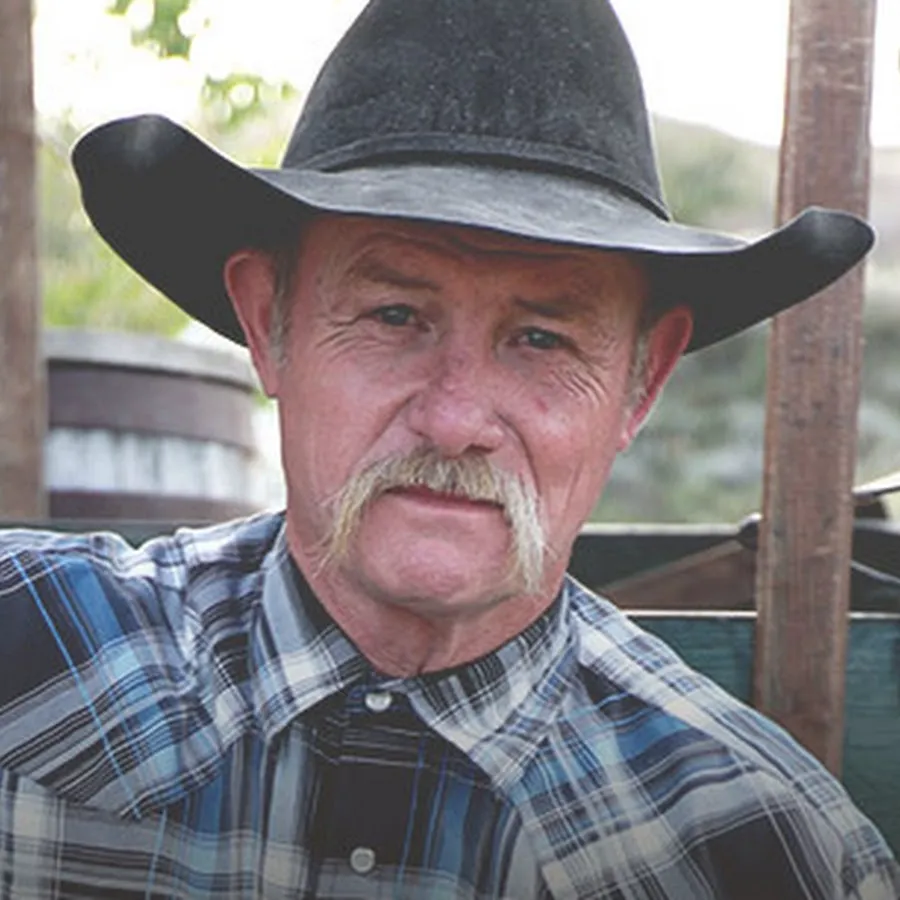

Printable recipe below! Join us as we relive the hard times of the Great Depression and some of the simple recipes those tough folks would have cooked.
Used in this video:
12-inch Dutch oven
Cowboy Apron https://www.kentrollins.com/shop
Mesquite Wood Spatula https://www.kentrollins.com/shop
DJI Mic 2 https://amzn.to/4ewAHAw
Cowboy Hat: Chazhatz.com
Smokey Woods Wood: https://smokeywoodsbbq.com/
For more suggested products seen in our videos click here: https://www.amazon.com/shop/cowboykentrollins
======================
Printable Recipe: https://kentrollins.com/blogs/pork/salt-pork-stew
https://kentrollins.com/blogs/dessert/rice-pudding
======================
Check out our BEST SELLING cookbooks. Get your copy here: https://www.kentrollins.com/shop
Also available at bookstores nationwide, and Amazon www.amazon.com/shop/cowboykentrollins
---------------------------------
Connect with us!
https://facebook.com/cowboykentrollins
https://instagram.com/cowboykentrollins
https://twitter.com/Kent_Rollins
---------------------------------
Kent Rollins
Cowboy Cooking, Cast Iron, Outdoor Cooking, Grilling, Dutch Oven Cooking
Note: Some of the above links are affiliate links, meaning at no additional cost to you, we may receive a commission for your click through and purchase.
Show More Show Less View Video Transcript
0:00
[Music]
0:08
Back in the 1930s, folks across America
0:11
were facing the hardest times this
0:13
country's ever seen. The Great
0:15
Depression had hit. The Dust Bowl rolled
0:18
through places like Oklahoma and Texas,
0:20
and a hot meal could mean the difference
0:22
between going hungry and holding on. So,
0:25
we're stepping back in time. And believe
0:27
me, them times was hard because I heard
0:29
all them stories from them old-timers
0:30
that went through the dust bowl in the
0:32
depression. And we're fixing two simple
0:34
dishes today that they probably had a
0:36
salt pork stew and for dessert, rice
0:39
pudding.
0:51
[Music]
1:07
[Music]
1:15
In 1929, the stock market crashed and
1:18
money was gone overnight. And in 1932,
1:22
the great drought had hit and the winds
1:24
had blowed and people had been
1:26
overplowing for years and the dust bowl
1:28
was amongst us. Farm wives became some
1:31
of the most resourceful cooks this
1:33
country's ever seen. They had trade
1:35
recipes through letters and newspapers
1:37
like the household search light recipe
1:39
book out of Kansas, sharing ideals for
1:42
stretching every scrap of food.
1:44
Government pamphlets taught families how
1:46
to reuse bacon grease, dry beans for
1:48
storage, and even bull wild weeds like
1:51
lamb quarters just to get a few greens
1:53
on the table. They had a saying back
1:55
then, use it up, wear it out, make it
1:58
do, or do without. And that's exactly
2:01
what they did. It wasn't just food that
2:03
kept them alive. It was the spirit of
2:05
forgiveness and the belief that tomorrow
2:07
night might just be a little better than
2:09
today. Now, I've heard these stories all
2:11
my life from the old-timers that I knew
2:13
that went through the depression and the
2:15
dust bowl. Now, Oklahoma got hit just as
2:18
bad as the Texas, and some of the
2:20
panhandle up there was even worse. But
2:22
these people figured it out. They had
2:24
true grit because that grit not only got
2:26
in their teeth, it got in their heart
2:27
and soul. And supper, while it might be
2:30
anything you could catch or put in the
2:32
pot. Salt pork stew. Now, a lot of y'all
2:35
may not even know what salt pork is.
2:38
Now, it's really just the rind of the
2:39
hog there with a little meat on it that
2:41
was cured in salt. And a lot of people
2:44
back then had smokeous. They cured their
2:46
own meat. So, salt pork might have been
2:48
readily available. And I know on the
2:50
wagon for an old cook, he had a lot of
2:52
salt pork. But start this recipe out.
2:55
And you can use any bean you want. But
2:57
today, we are using limema bean. Now,
3:02
you can get canned beans if you want to
3:04
do this a little quicker and just pour
3:05
them in there. But we soaked these
3:07
limema beans about probably an hour and
3:09
a half. We're going to put them on the
3:10
fire. No seasoning at all because when
3:13
we get the salt pork over there and go
3:15
to cooking it, remember the name salt
3:17
pork. We're going to get some of that
3:19
fat that's rendered down, make a gravy
3:21
and a sauce that goes in this. So there
3:23
will be no seasoning in this itself. If
3:25
you wait, I'll meet you right over at
3:27
the fire.
3:35
salt pork. You can see it looks a lot
3:38
like bacon in a way, but there's a lot
3:41
more rind on this than there is meat. I
3:44
want to get this salt sort of rinsed off
3:45
of it a little. So, I always like to
3:48
give it a quick rinse. It's still going
3:50
to be cured with salt, so there's going
3:52
to be a salty taste, but we're going to
3:54
rinse it off to get some of that off the
3:56
outside edges. And then we're just going
3:58
to chunk it, throw it in a cast iron
4:00
skillet, and render it down.
4:24
Well, carrots in there, onion, red skin
4:28
potatoes. them little beans have got
4:31
about I'd say three4s tender to where we
4:33
want them. Still no seasoning yet. Okay,
4:37
salt pork. We just got to let it cook
4:39
over here and render down cuz we need
4:41
some of that fat that's going to melt
4:43
out of there just so we can make this
4:45
sauce that goes in there cuz we'll drain
4:47
the water off this. The sauce will
4:49
become what is the base and the stock
4:52
for the best soup and stew you ever had.
5:00
[Music]
5:11
perfect doneness here on this salt pork.
5:14
You want it good and crispy. So, we're
5:17
going to get it out of that grease. Use
5:19
you a slotted spoon, whatever you got.
5:21
But we want to make sure all them
5:22
dripping stay in there because that is
5:24
the magic stuff right there. Get them
5:27
all out here on a plate.
5:34
It's pretty, I'll tell you. To me, sort
5:36
of first glance at it, you think them
5:38
fried ters? No, that is fried salt pork
5:41
that is rendered down all these good
5:43
drippings in here. That is going to make
5:46
some of the best sauce you ever seen in
5:48
your life. Going to let that grease cool
5:50
just a bit. Time to make some gravy. You
5:53
want to sift that flour in here.
5:56
Get you a flat spatula because you want
5:58
to mash all that flour in there.
6:02
We sort of get it like we want it. We'll
6:04
take it back over there to the fire to
6:06
where we can cook this down a little.
6:08
Little more flour.
6:11
Get her mashed down in there again. You
6:13
know, most time when you're making
6:15
gravy, and you see me make it a lot,
6:17
canned milk, cream, milk back then. Hey,
6:21
there was a lot of water gravy made
6:23
because old milk cow, she might have
6:25
done passed on during hard times. But
6:27
I'll meet y'all back at the fire cuz
6:29
we're going to thicken this up before we
6:31
add any water to it.
6:34
[Music]
6:41
Got our vegetables going right there.
6:44
Going to make this gravy. Try to put it
6:46
together cuz we got a family to feed.
6:48
We're going to let this get a little
6:50
thicker. Going to add just a tad more
6:53
flour.
6:54
Sifter on in there.
6:59
There we go. Now things is beginning to
7:01
happen a little. Try to knock them lumps
7:04
out of it if you get a chance. As my
7:06
grandmother used to say so many times
7:08
again, it's bad when you got a sift
7:10
gravy and it's got too many lumps in it.
7:13
But back then, I think a lump of gravy
7:16
might have went a long way.
7:18
[Music]
7:24
Well, beginning to thicken up it is.
7:29
So, we're going to add some water. How
7:31
much? I can't give you that amount
7:33
either. just till we can make it work to
7:35
where it's a good sauce.
7:40
And as that cold water hits it, it'll
7:42
begin to lump up if it gets a chance.
7:44
And this has, just keep stirring. I
7:47
ain't never seen a batch we couldn't
7:49
save. Might have to get the cheese
7:51
grater out and run it on there a time or
7:52
two. But hey, we're going to make us
7:54
some gravy. Now, when you're making
7:56
this, remember, we got to pour it over
7:59
all of that. So, we need it to be more
8:03
than a cup full.
8:06
And it's getting a little smoother. Got
8:08
a few lumps in it, but we'll see if we
8:10
can knock them out.
8:14
We're going to keep stirring this. And
8:16
it's about the right thickness. It is.
8:18
We're going to give a little taste right
8:19
here cuz I know it's going to need some
8:21
black pepper.
8:25
I'd eat that every day.
8:28
There's such a unique flavor to me that
8:30
salt pork brings out. And we'll have to
8:32
when we get this mixed together, we'll
8:34
have to add some more water as this is
8:36
cooking. So, this is good. I'm going to
8:39
set this off the fire to where I can
8:41
drain all the water and stuff off them
8:44
beans, and we'll start over.
8:47
Before refrigeration, salt was the
8:49
cowboys and the farmer's best friend.
8:51
Salt pork was cured so heavy with salt
8:53
that it could last for months in a
8:55
cellar or a smokehouse. During the
8:57
depression, butchers would often sell
8:59
trimmings, cheap ends of pork belly, but
9:01
sometimes just rind and fat. And folks
9:04
would stretch that into a stew that'd
9:05
feed a family. Salt pork wasn't new to
9:08
hardship. It was a Civil War ration, a
9:10
staple on sailing ships, and a trail
9:13
provision long before the depression.
9:15
Flyer was currency. Many general stores
9:18
ran barter boards. Folks could trade
9:20
eggs or butter for a sack of flour or
9:22
salt pork. Nothing went to waste. Even
9:25
the pork rind was rendered down for lark
9:27
used for biscuits, soap or lampo.
9:30
[Music]
9:48
Done deal. Salt pork stew. Now, let's
9:52
just go back in time and try to be
9:54
transformed back to this old old
9:56
farmhouse. Dirt blowed all up against
9:59
it. It is three kids, the wife, the
10:02
husband, and they're all sitting there
10:04
overalls, dirty as they can be. And she
10:07
brings this little pot out and sets it
10:09
there of salt pork stew. And you look
10:11
across the table and everything and the
10:13
kids begin to smile and they know they
10:16
have done something good today. Because
10:18
simplicity of what food they had on hand
10:22
to make it taste the best that they
10:23
could in the times that were so hard
10:26
didn't only just fill their stomach, it
10:28
filled their spirit. There was more
10:29
morale. They knew they could make it one
10:31
more day. These people were one of the
10:33
greatest generations that ever lived to
10:35
me and the toughest. Now, I haven't
10:37
never made this or tried it. Got to get
10:40
a carrot in there. One potato.
10:54
The crunch you get from that salt pork.
10:56
And remember, we added no salt to this
10:58
at all. It is right on the money, folks.
11:01
Everything is so good. It's just a
11:04
flavor that I really can't describe as
11:06
well. maybe like bacon grease gravy and
11:11
you add it to your soup. That's what it
11:13
sort of tastes like. But the little
11:14
crunch of the pork rind that's rendered
11:16
down to me, that is solid gold right
11:19
there. Cuz remember, hard times were
11:21
there. There might not have been a lot
11:22
of meat, but salt pork was pretty cheap
11:25
and sometimes readily on hand if they
11:27
had some left. So add it to this, make
11:29
it a meal, they'll bless it, they'll
11:31
make it tomorrow. Now, this is a story
11:33
that my dad relayed to me so many times
11:35
when the dirt would go to blowing after
11:37
I was 15, 16 years old. He said, "I hope
11:39
it don't turn out like the Dust Bowl."
11:41
He said, "Because them days was hard and
11:43
they was long." He said the first time
11:45
they seen one of them old black clouds
11:47
coming up, they thought maybe it was a
11:48
tornado, but he said the cloud just
11:50
rolled and rolled further and further up
11:52
in the sky. And he said it got dark at
11:55
3:00 in the afternoon. And he said it
11:57
wasn't rain. It wasn't a storm. It was
11:59
just a black wall of dirt that come
12:01
rolling in. And it didn't just last one
12:04
day. It went on seemed like forever.
12:07
They lived in it. They scratched out of
12:09
living in it. And they fought it every
12:11
day just to survive. He said his mother
12:13
would come in there late at night and
12:15
put a wet cup towel around him and his
12:17
twin sister's face just to keep the dirt
12:19
off of them. And he said the next
12:21
morning, the cracks in the wall in that
12:23
old bedroom that they were sleeping in,
12:25
you could see the lines of dirt
12:26
perfectly across the sheet that was
12:28
laying on top of them. The dust would
12:30
get so thick that they had light a
12:32
lantern in the house 2 or 3:00 in the
12:34
afternoon. Chickens go to roost in the
12:36
middle of the day. But they never give
12:38
up hope because it wasn't just affecting
12:40
one person or one family. Folks, this
12:43
covered an area forever. This brought
12:45
about something else besides just a dust
12:47
bowl. It brought people together and
12:50
they found out through the grit that was
12:52
in their teeth made grit in their heart
12:55
and it gave them determination to no
12:57
matter what mother nature throws at you,
12:59
we're going to get through this and
13:00
we're going to survive. These people
13:02
truly were the toughest generation of
13:04
folks I ever met in my life. Salt pork
13:06
is finished off. They have licked the
13:08
bowl clean. They have everybody was
13:10
starving. You know, it'd be such a treat
13:13
to have something sweet that we could
13:14
put out there on the table, especially
13:16
for those little young ones gathered
13:18
around with us. And what are we making?
13:20
What are we talking about? It is a rice
13:22
pudding. When the depression hit, the
13:24
government stepped in with something
13:26
called extension service. They sent out
13:28
women known as home demonstration
13:30
agents, traveling teachers, who went
13:33
from town to town, showing folks how to
13:35
make and do with the little that they
13:36
had. They taught women how to can
13:39
vegetables, sew clothes, and cook
13:41
balanced meals out of next to nothing.
13:43
White sauce was one of their biggest
13:45
lessons. It used the cheapest
13:47
ingredients you could find, and it could
13:49
stretch a handful of potatoes or
13:51
leftover greens into supper for the
13:53
whole family. Now, evaporated milk was
13:56
another depression staple. It didn't
13:58
spoil, and you could buy it cheap. In
14:00
1931, a can cost about 10 cents. And a
14:04
lot of folks thought it made food taste
14:05
richer than plain milk. You'd see it in
14:08
everything. Biscuits, mashed potatoes,
14:10
even desserts like rice pudding.
14:15
[Music]
14:20
Well, we simmered that rice for about 25
14:22
minutes, stirring continuously till the
14:24
rice got tender. I brought it over here.
14:26
Going to let it cool just a minute. But
14:28
we need two egg yolks.
14:33
That is a good chicken right there.
14:38
There's one.
14:40
There is two. Now to that, we're going
14:44
to add some brown sugar.
14:46
If it'll come out. There it went.
14:50
Tablespoon of melted butter that is
14:52
cooled cuz we don't want to temper them
14:54
eggs. A little bit of vanilla. I'd say
14:57
about a teaspoon.
14:59
And then we're going to whisk all that
15:01
together.
15:06
So we don't temper this when we mix this
15:08
together. I just want you to get just a
15:10
tad. And I'm going have to do it
15:11
left-handed cuz I need to be stirring
15:13
right-handed. Pour it in here. That'll
15:16
warm them eggs up. That way ain't nobody
15:19
going to bake before they get ready.
15:24
So we got that mixed well.
15:27
Let me get rid of this cuz we're going
15:29
to finish it with this whisk, I think.
15:31
Dump that in there. We're going to take
15:34
it back to the fire,
15:37
let it simmer till it thickens up till
15:39
the desired consistency and call it a
15:41
day.
15:44
Sugar was a luxury. Folks use sorghum,
15:47
molasses, or even a drizzle of syrup
15:49
from canned fruit to sweeten what little
15:51
they had. Rice pudding actually came
15:53
from much older roots. Recipes go back
15:56
to the pioneer days and even further
15:58
across the ocean. But during the
15:59
depression, it become a staple. Rice was
16:02
cheap and kept forever and it filled you
16:04
up. If you had raisins, that was a big
16:07
day. It meant payday or maybe even
16:10
Christmas. Evaporated milk was promoted
16:12
by brands like Pet and Carnation as the
16:15
poor man's cream.
16:28
Well, there you have it. Rice pudding.
16:31
And Shan done put some raisins on there,
16:33
but I'm going to go ahead and eat it cuz
16:34
I do like some rice pudding. Very simple
16:36
again to make it was. But remember,
16:38
don't walk off and leave this. You got
16:40
to sort of constantly stir it to keep
16:41
that milk from scorching and after you
16:44
put the sugar in it to keep that
16:45
scorching as well. So, I'm going to have
16:47
me a bite.
16:53
I am shocked.
16:59
That'll make you run back to the table
17:00
and get another bite. Now, to me, the
17:04
flavor that pops out of that really is
17:06
there is a to me a tapioca pudding taste
17:09
right off the bat, but then you get that
17:11
cinnamon and then them little raisins
17:13
add a little sweetness to it. So, I'm
17:15
sure back then when you'd set this on
17:16
the table, no matter if it was just two
17:18
spoonfuls or what to go around to feed
17:20
everybody, they were very thankful for
17:22
it. They were. Well, we hope y'all
17:24
enjoyed this episode cuz it really does
17:26
bring back a lot of memories for me to
17:28
be able to sort of think back to the
17:30
stories that my dad told me and all them
17:32
old-timers of how rough it was. But
17:34
tough times made very tough people back
17:36
then. It did. And speaking of other
17:38
tough people, I'd like to tip my hat to
17:40
all the service men and women and all
17:42
the veterans that have kept that old
17:43
flag of flying over camp. We commend you
17:45
all. To all the old-timers and all the
17:47
couples that fought through these daily
17:48
battles of dust storms and depression, I
17:51
thank you for the grit you put in my
17:53
heart. I do. Rest of you, get on up in
17:55
here and remember, no matter how hard
17:57
the times are, God is with you. We are
17:59
with you. And it ain't no step for a
18:01
stepper. Big hug I give you today. God
18:04
bless you each and everyone. and I'll
18:06
see you down the depression era supper
18:08
tape.
18:14
Just I will see you down.
18:16
I will see you down the dust. I will see
18:19
you down the depression era.
18:22
What do we call it? Supper table.
18:26
I will see y'all down the depression era
18:28
supper table trail.
Hobbies & Leisure