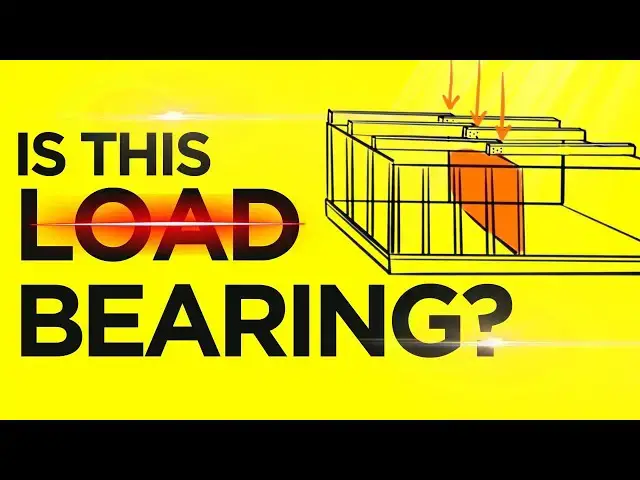

How to tell if a wall is Load Bearing (Easiest Methods that WORKS)
May 25, 2025
🏠 Thinking about opening up some space in your home? Before you start knocking down walls, it’s crucial to determine if the wall is load-bearing. Removing a load-bearing wall without proper precautions can lead to structural damage, safety hazards, and costly repairs. But don’t worry! In this video, we’re breaking down everything you need to know about load-bearing walls—from identifying them to safely removing them. Whether you’re a DIY enthusiast or just curious about home construction, this guide will help you make informed decisions for your next project. 💪🔨
What is a Load-Bearing Wall?
First things first, a load-bearing wall is a crucial part of your home’s structure. It supports the weight of the floors, roof, or walls above it, distributing that weight down to the foundation. Removing a load-bearing wall without adequate support can compromise your home’s integrity. That’s why it’s so important to identify these walls before any renovation work begins. 🏗️
How to Identify a Load-Bearing Wall
Check the Floor Plans or Blueprints 📐
The easiest way to find out if a wall is load-bearing is to check your home’s original floor plans or blueprints. Load-bearing walls are usually marked, showing their significance in supporting the structure. If you don’t have the plans handy, don’t worry—there are other ways to tell!
Look for Walls That Align Above or Below 🏡
If a wall is directly above or below another wall, it’s likely load-bearing. This is because the weight is transferred from one level to the next. Additionally, walls that run perpendicular to floor joists or beams are often load-bearing.
Check the Attic or Basement 🏠
In the attic or basement, load-bearing walls are often visible as they support beams or joists. Look for walls that run parallel to a ridge in the roof or are directly below structural beams.
Examine the Construction 🧱
Older homes may have brick or stone walls that are load-bearing, while modern homes often use wood or steel framing. Pay attention to the construction materials as they can give you clues about the wall’s function.
Professional Help 👷♂️
If you’re unsure, it’s always a good idea to consult a structural engineer or a professional contractor. They can provide a thorough assessment and help you avoid any costly mistakes.
Steps to Safely Remove a Load-Bearing Wall
Get Professional Advice 🛠️
Removing a load-bearing wall is not a simple DIY project. Start by consulting with a structural engineer or contractor to evaluate the wall and the load it supports. They will help you plan the necessary steps to safely remove the wall.
Install Temporary Supports ⚠️
Before removing the wall, temporary supports must be installed to hold the weight that the wall was bearing. This is usually done using temporary walls or jack posts.
Plan for a Beam or Header 🪚
A new beam or header will need to be installed to support the weight that the load-bearing wall was carrying. The size and type of beam will depend on the load and span of the area.
Permits and Inspections 📋
Ensure you have the necessary permits before starting the demolition. Building codes often require inspections at various stages to ensure safety and compliance.
Demolition 🔨
With everything in place, the demolition can begin. Carefully remove the wall, starting with the drywall and working your way down to the framing. Make sure to remove any electrical wiring or plumbing within the wall before proceeding.
Install the New Support 🏗️
Once the wall is removed, install the new beam or header as per the engineer’s or contractor’s specifications. Ensure it is securely fastened and that the load is properly transferred.
Finish the Project 🎨
After the structural work is done, you can finish the project by repairing the drywall, painting, and adding any other finishing touches.
Why It Matters
Removing a load-bearing wall can transform your living space, creating an open, modern floor plan that is perfect for today’s lifestyle. But it’s not just about aesthetics—doing it the right way ensures that your home remains safe and structurally sound. Always prioritize safety and consult professionals when dealing with structural changes. 🏡
Don’t forget to like, subscribe, and hit the notification bell for more home improvement tips! 🔔
#HomeRenovation #LoadBearingWall #DIY #HomeImprovement #RenovationTips #InteriorDesign #Construction #HomeSafety #StructuralEngineering #homedesign
Home renovation, load-bearing wall, DIY, construction, home safety, structural engineering, wall removal, home design, interior design, renovation tips, home improvement, modern home, house renovation, home makeover, building codes, open floor plan, construction tips.
Show More Show Less