Up next in 10



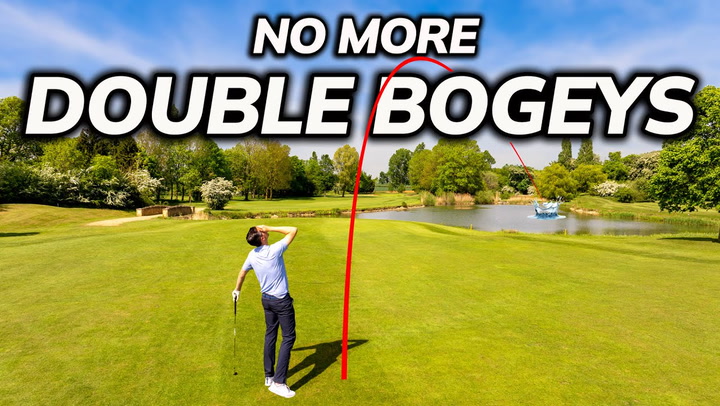
Joel Tadman runs through the 8 rules golfers need to follow if they want to keep double bogeys off their scorecard, with the help of data from Shot Scope.
Show More Show Less View Video Transcript
0:00
Now the key to shooting lower scores and getting your handicap down is not
0:03
making a barrage of birdies it's keeping those double bogeys or worse those
0:08
destructive holes off your scorecard so in this video I'm going to give you some
0:12
strategy advice backed up by data from ShotScope that's going to really help
0:16
you lower your scores by keeping those double bogeys off your card make more
0:20
pars and hopefully you'll see an improvement in your play with the beautiful Peter Milton Golf Club let's get into it now before we get into the
0:29
strategy advice. The first thing to acknowledge is the extent to which double bogeys are a problem
0:34
I'm going to flash up the data here from ShotScope. You can see the average golfer, a 15-handicap
0:38
golfer, is making nearly five double bogeys a round. It's an incredible amount, so clearly
0:43
reducing the frequency of them should be a priority. So let's head to the tee and see what we can do
0:49
there. Right, the first way you can reduce the number of double bogeys you make during a round
0:57
is by hitting it further off the tee. Now, I know this sounds obvious. We all want to hit the golf ball further
1:03
but if you look at the data from Shotscape, you can see there is a direct correlation
1:07
between how far you hit it off the tee and the score you end up with at the end of the hole
1:12
This is a 15 handicap, for example. The data is clear and obvious for all to see
1:17
The longer you hit it, the better your chances of not making a double bogey
1:21
The data tells us that being a lot further down the hole in the rough is better than being shorter
1:27
than on the hole and on the fairway so we know that accuracy isn't as important as distance so
1:33
for golfers that like to choose a three-wood over a driver because it feels like it gives them a bit
1:38
more accuracy and gets them in play a bit more that sort of ogy doesn't really quite work
1:43
and actually the stats show that golfers aren't really that more accurate with a three-wood than
1:47
a driver so in most cases i would say bin the three-wood off go with the driver and really
1:53
prioritize in your off-season or when you're not playing golf and you're practicing trying to increase the distance you get with the driver. There's
2:00
a number of ways you can do that really easily. Could be some speed training at
2:03
home, maybe get some speed sticks, maybe just improving the quality of strike
2:07
that you get with the driver. Trying to hit it out of the middle more often. Curving the ball less, that's one way golfers reduce the distance off the tee
2:15
if they hit big slices, big hooks, that's another reason why golfers don't hit it
2:20
as far as to try and hit the ball straighter maybe tee the ball up a little bit more to encourage more
2:24
of an upward hit all these different things could help you get a little bit more distance
2:28
off the tee really let it rip try and get down the hole as far as you can and that's going to
2:33
reduce the number of double bogeys you make so here i'm going to beautiful 17th hole here at
2:38
peter milton don't swing for control just give it a rip and deal with the consequences at the end
2:44
it's down the left it's in the rough but that's okay because i'm down the fairway
2:55
i've got a shot to the green the second way you can make fewer double bogeys is to avoid penalty areas lost balls and fairway
3:08
bunkers off the tee again it sounds obvious but again there is a direct correlation between
3:13
golfers that find those things off the tee and their scores because it goes up considerably
3:18
Actually, if you look at fairway bunker stats for a flash up on the screen now, you're about half a shot worse off if you find a fairway bunker off the tee than if you were to find
3:26
the fairway. So you definitely want to avoid fairway bunkers. And one way you can really
3:30
assess what lies ahead and make sure that you avoid those hazards that lie in wait for
3:34
you is investing in some sort of tech. I've got the ShotScape V5 watch here, which is
3:39
which is very nice because it gives you aerial hole maps, which is quite useful
3:43
So you can see, scroll up and down the hole and see what lies ahead at your driving distance
3:48
because that's the other thing. You really need to know exactly how far you carry your driver not total distance how far you carry it because that will determine what hazards lie and wait for you down there and what are in play for you and if you done all the things that i told you to do in point number one some speed training maybe some quality of
4:04
strike training you might well hit it a bit further and therefore you need to get on a launch monitor
4:08
and see how far you're actually hitting it now and recalibrate that and see what hazards lie
4:12
and wait for you with your new improved distance but so you know how far you've got down the fairway
4:17
You know you need to avoid all those things we talked about and lost balls are incredibly damaging
4:23
A 25 handicapper loses six balls a round. Not only is that very expensive, but it's definitely going to be hurting your scores
4:30
But the other thing I think all golfers should develop is a go-to shot or a shot that curves
4:35
one way. If you've got a shot that curves one way, or you know it's going to curve that way
4:41
then you can allow for that with your aim and it should take one side of the golf course
4:47
out of play. So if they're, for me, I've started to develop a bit of a fade, it's become my
4:51
go-to shot, I'm more comfortable with that when under pressure. So pretty good for this
4:55
hole, it's out of bounds all down the left, so I know I can aim down the left and curve
4:59
it to the right. Really understand what you go to under pressure, priority is avoiding
5:04
bunkers, out of bounds, lost balls in particular, and that will hopefully reduce the number of
5:11
double bogeys you have. So I know under pressure, I'm going to be able to cut this from left
5:16
right and it's going to avoid the trouble. Look at that, absolutely perfect. It's missed
5:26
the fairway bunker, it's missed the hazards. Slap bang in the middle of the fairway and
5:32
I'd do very well to make a double bogey from there. Now one of the main reasons double bogeys occur is by golfers getting too greedy from
5:44
fairway bunkers. We know from the stats you're far less likely to hit the green
5:48
from a fairway bunker and your scores go up considerably if you're in one of
5:52
these things and I think the reason is people get too greedy and often don't
5:56
get out on the first time. Maybe hitting a club that's not appropriate for the
6:01
size of the lip, hitting the lip comes back in and you're hitting again from the same place. So really important to not get greedy from the fairway bunker
6:08
Your absolute first priority should be to choose a club that you know is
6:12
to clear the lip and get the ball out. You're much better off being short of the green with a clear
6:17
shot for your next shot than having to play again from here. So on the Golf Monthly website there's
6:21
loads of good advice about how to get out of fairway bunkers and how to play that shot correctly
6:25
I'm not going to stand here and tell you exactly how to do that but a couple of things I like to
6:29
do in a fairway bunker is just grip the club a little bit tighter just pulls it away from the
6:33
ground a little bit and just have the ball slightly further back in your stance that's
6:37
going to ensure hopefully that you catch the ball first before the sand. Your intention is
6:41
is no different from the fairway in that regard. You're trying to hit the ball first, then the ground in a fairway bunker
6:47
I've got a pitching wedge here, which I know is plenty of loft
6:51
to get the ball out of this fairway bunker. So trust the loft on the club
6:55
ball a smidge back in the stance, and just try and catch the ball first
7:04
Oh, pulled it, but it's got out. It's missed the green. But most importantly
7:10
not still in the fairway bunker i've got a shot from the third shot hopefully i can make bogey it
7:15
worse and not a double both but when it comes to shorter shots like this around the green obviously
7:23
it's important to use a club that you're most comfortable with it could be you know a chipper
7:27
for example whatever club works for you but if you look at the data most ability of golfers or
7:33
pretty much every ability a golfer has a lower shots to finish stat with a lower lofted club
7:38
like an 8-iron or a 9-iron versus a sand wedge or a lob wedge. So using less loft where you can is really important
7:45
Obviously if you got a bunker to go over you might need to switch to a high lofty club to get the elevation But in most scenarios you much better off using a lower lofted club here like i got which is an eight iron so ditch the sand wedge go for a lower lower lofted club obviously because that way you going to
8:00
be making a shorter swing less can go wrong with that regard less wrist hinge less technique involved
8:06
versus a lob wedge where you're having to make a much longer swing far more can go wrong you want
8:11
to get the ball rolling as early as you can so i've got an eight iron here i mean this applies
8:15
if you've got a decent line than rough like I've got here but it works equally well from the fairway so
8:20
just really simplify the technique just get the shaft leaning slightly ahead of the ball back and
8:26
through and get it running up towards the hole pretty happy with that one I'd do very well to
8:34
make a double bogey from there so switch to a lower lofty club it's going to put this odds in your
8:39
favour right just a short interlude to say if you are enjoying the video please do click the like
8:44
and subscribe to the Golf Monthly YouTube channel. It really helps us out
8:48
And if you like the look of any of the ShotScope products featured in this video, I've put some handy links in the description
8:53
so you can get your hands on those for the best price in your area. Right, let's go and find us some more ways
8:58
that you can make fewer double bogeys. Now this is a classic scenario
9:05
that leads to double bogeys a lot of the time. You've hit a bad shot and you compound your error
9:11
with another by going for a risky shot and it leads to a double bogey or worse
9:16
I think that's the, you look at the tour pros, the one thing they don't do is follow one bad shot
9:21
with another, they're able to forget what's gone before and focus on the most important shot
9:26
which is the next shot and get the ball back in play. We're all gonna hit bad shots, duffs, fats, thins, shanks
9:32
it happens, the most important thing is to put that out of your mind and focus on hitting a good shot
9:37
for your next shot and in this particular shot here, it's clear I've hit a bad tee shot
9:41
I'm in the right hand side, I'm in the trees. And the one thing you absolutely need to avoid
9:46
to make sure you don't make a double bogey is those miracle shots
9:49
So whether it's here, a big slice around the trees, it could be a long carry over water
9:55
and taking on that high flop shot over a bunker. Those are the shots you really need to avoid taking on
10:01
if you wanna stop making double bogey. So in this particular situation, I'm not gonna try that banana slice
10:05
and try and get it up to the pin or maybe through that tiny gap over there towards the pin
10:09
I'm gonna take my medicine, get it back in play, and then hopefully it'll give me a chance
10:14
to get on the green, one putt, two putt at worst, and make a bogey
10:22
There we go. Perfectly back in play, I can pitch it on from there
10:26
and hopefully a double bogey won't be on the card. Now another way you can absolutely reduce
10:35
the number of double bogeys you make during a round is by developing a fail-safe greenside bunker technique
10:41
We know looking at the shot scope data, that you're about half as likely to get up and down
10:45
from a bunker than you are anywhere else around the green. So it's imperative that you have a technique
10:51
that gets you out every time. You know, high handicappers in particular struggle
10:54
with this shot and often hitting it into the face, coming back down and you're hitting again
10:58
from a greenside bunker. And that's where your scores really start to go up. So have a look on the Golf Monthly website
11:03
loads of really good advice about how to get out greenside bunkers every time. Maybe think about adding a bunker specific club to your bag. There's
11:10
a few out there. There's one from Ping, that Ping bunker that was recently launched, developed
11:15
specifically for bunkers. So if you really struggle from bunkers, I'd consider investing
11:18
in one of those. But in terms of your strategy, obviously you need to make sure you get it out
11:24
but really don't focus on getting too cute with these shots. Just focus on getting it out
11:29
Don't go chasing those tight pins. So for this particular shot, you can see the pin is quite
11:33
tight to me here on the front of the green. I'm not going to be messing around with that. I'm going to make sure I'm getting it past the pin, giving myself a putt back for a par. Who knows, I might
11:41
hold it but at least I won be making a double bogey So make sure you get it out don get too cute with it give it some speed Perfect It a little bit past the hole but I okay with that I might well
11:57
make that putt for a par but hopefully I won't be making double bogey
12:05
Now another cause of double bogeys is too many three putts during a round. Poor lag putting
12:10
specifically, lead to unnecessary strokes on the green. So you really need to develop
12:14
a system that allows you to control your distance and allows you to get the ball close to the
12:19
hole from long range and reduce the chance of three putts. Again, loads of tips on the
12:23
Golf Monthly website to help you with lag putting. But one drill I've found that works
12:27
for me, I'm a 2.5 index golfer, that I do a lot in practice is this one that I'm going
12:33
to demonstrate now. So what I like to do is I just like to roll a putt about 30 foot away
12:37
a little mark down there so i'm just going to try and roll this ball towards that mark down there
12:43
so that's around about 25 30 feet and then what i like to do with these next two balls i want to try
12:48
and hit this first one just past it and there's a second one just short of it because that really
12:53
develops that sort of the micro changes you need to make in your feel and your calibration to get
12:59
adjusting to different distances so i know that i want to just try and get this one just past that
13:04
ball. Pretty happy with that one. Just passed it and I want to get this ball just short of the first
13:14
one. Or you could do it, you could try and get the ball in between the first one and the second one
13:21
which would make it even harder. That's what I'm going to try and do now. So really developing that sense of feel and distance control. Try and get it in between those two balls, which I've failed
13:32
miserably and I've hit it way too hard but try that drill just try to put a ball down there get
13:37
one short one past just develops the sense of feel and distance control and hopefully
13:42
on the course will manifest itself into better lag putting and fewer three putts
13:50
now i think one of the easiest ways you can make fewer double bogeys is to improve your putting
13:55
from short range specifically that three to six foot range if you look at the data from shotscope
14:00
25 handicappers are only making 48% putts from this distance, whereas PGA Tour players are making up at 85%
14:08
Why I think this is one of the easiest areas to improve is that it doesn't require any physical strength or flexibility or speed
14:14
It's literally just about moving the putter a very short distance and squaring the putter face to your intended target every time
14:21
But also, you can pretty much practice short putts anywhere, at home, on the carpet, on a practice putting green, pretty much wherever you want
14:28
there's always room to be able to just work on getting the club base back to square every time
14:33
And one drill that I think was really going to help golfers with this particular issue
14:37
which I learned from my friend and colleague Joe Ferguson, who's a PJ pro, is rather than practice
14:42
putting to a hole on the practice putter grid, practice putting to a tee. That is going to
14:48
obviously make the target smaller and therefore when you're on the course it should increase your
14:53
margin for error. So rather than practice putting to a hole, really focus on trying to hit the T-peg
14:59
See if we can do one here for you. There we go, right in the middle of the T
15:03
I'm very happy with that one. Obviously that would have gone in the centre of the hole, but if you do just miss the T, you really focus on that T, it's a narrow target. If you do miss it
15:12
like that, that may well have lipped in on the right hand side. So focus on practice putting to
15:16
a T from three to six feet, that should hopefully help you hold more from short range and three putt
15:22
less which means fewer double bogies. So that concludes our look at the ways you can stop
15:27
making those destructive double bogies. I hope you enjoyed the video, big thank you to Peter
15:31
McMillton for hosting us here today and as I mentioned earlier I'll put some links in the
15:35
description where you can get your hands on some of the ShotScope products featured in this video
15:39
But that's all from me from Peter McMillton, I'll see you next time
sports