Up next in 10



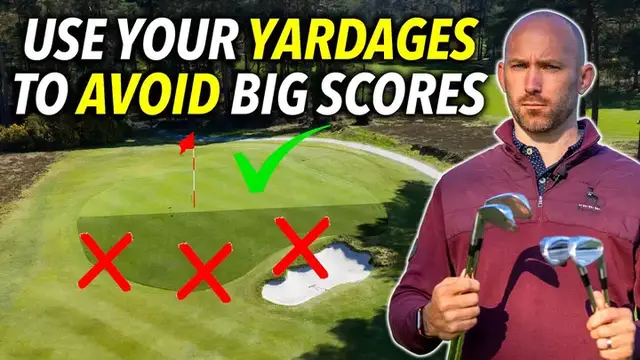
Lower your handicap by mastering on-course strategy. In this video, we show you how to accurately determine how far you hit each club and use that knowledge to your advantage. Learn about the best technology, simple tracking methods, and pro strategies for club selection that will help you avoid hazards and hit more greens.
Show More Show Less View Video Transcript
0:00
Most people think it's dodgy technique costing them all those shots over par and whilst that
0:05
may be true to an extent there's another big reason that could be hurting you and that's
0:10
knowing your yardages. With the help of ShotScope we've put together five brilliant tips to show you
0:16
how and why you need to know your yardages to shave shots off of your scores. I'm here at the
0:22
amazing Blackmoor Golf Club and Adam Hartnett is going to show us how
0:30
the most obvious way that knowing your yardages is going to help your game is with club selection
0:42
of course whether it be on a par three like this beautiful one behind us or on second shots
0:47
into the greens now the first part of that is of course adam knowing what your yardages are
0:53
so how do you work out what your yardages are for each club so i think the first thing is having a
0:59
distance measuring device okay so if you're using a rangefinder or a gps watch that's going to be the
1:03
most straightforward way for most golfers to do it what i like to do is something that um tommy
1:09
fleetwood actually spoke about which is keep a little notebook in my back pocket and every time
1:13
i hit my say seven iron i'll make a note of how far it goes and that way then i've got a range of
1:19
seven irons and i'll know that my shorter seven iron goes x my longer seven iron goes y and then
1:25
that gives me a real nice kind of area to work through when i've got a seven iron shot to the
1:30
grain of course you can also do it with all the modern technology out there we've got the lm1
1:34
little launch monitor down there a brilliant bit of kit you can use that indoors outdoors and it
1:39
will tell you those numbers on a variety of shots shot scopes data tracking as well will do that
1:44
with all of its shot tracking and its gps and actually a really little handy thing there is
1:48
that it will give you the p average which is essentially how far you're hitting that club
1:53
with any really dodgy ones taken out. So if you're chipping out of the trees or anything like that
1:57
so it gives you that true representation, as Adam said, on how far each club goes
2:02
Now, once you've got those numbers, you're stood on the tee here, you know where the flag is, you know where the edges of the green are
2:08
How are you then choosing the right club? Well, again, I think it comes down to knowing your shortest and your longest
2:15
and then taking into consideration the wind, uphill, downhill. in my notebook i also make note of if i'm going uphill or down here into wind so when i'm playing
2:25
on the round i'll look at my notebook and i'll see okay i hit this similar shot a few holes ago
2:29
now i know what to hit so that's my little bible right well you've chosen your club there yep
2:34
we're going to see if you've got the right one in hand let's have a go well the line is very good
2:49
and that's beautiful below the hole putting uphill for birdie what more do you want so there you go
2:56
a great shot from adam understand what your yardages are and use the technology available to find them and then factor that in appropriately when choosing your club on approach shots
3:08
When it comes to knowing the yardages of each of your clubs it's important to know that you want
3:13
to be thinking really about two yardages and that's your carry distance and your total distance
3:19
because what those two are and how they relate to each other is really going to aid you with your
3:24
shot selection and making sure you're taking any hazards out of play whether that be running into
3:29
them or flying over them so what is the difference between these two yardages in terms of how you're
3:34
putting your strategy together and how do you use them yeah so i like to think that carry is for
3:40
flying total is for dying and what i mean by that is carry is for flying obstacles bunkers ditches
3:47
hazards anything you've got to get over that number that carry number is crucial for those
3:51
scenarios and total for dying so when your ball comes to a rest okay so how far is the ball going
3:58
to run out that's my total distance so that's going to be more for things like getting to the
4:03
end of dog legs running into bunkers those kind of things off the tee now we've got a lovely shot
4:07
in here but that bunker on the right hand side is just coming into play if we're just right at the
4:12
pin now when it comes to working out exactly what club to hit here obviously you've got the back edge
4:18
to worry about but the bigger danger is that front and the bunker so how do you equate it especially
4:23
if you're a little bit between clubs in terms of your carry and where that pin is absolutely most
4:27
holes the danger is at the front right so here's a really good example of that so i want to know
4:32
the back yardage and the yardage to the flag it's nice to obviously know the yardage to that bunker
4:38
but i'm not going to flirt with it at all i'm going to completely take it out of play most of the time you've got a good amount of room between the front bunker and the back of the green
4:47
So we're going to be aggressive here. Brilliant. And of course, ShotScope and all of its technologies
4:51
if you use it to track your shots out on the course and the LM1 launch monitor
4:55
that will give you both of those numbers so you can know exactly where you are
4:59
I know you know what yours are, Adam. And now you're going to put it into practice and fly that bunker with ease onto the green
5:05
Let's give it a go. An absolutely beautiful shot. The carry distance was there. It soared well over the bunker
5:22
even if it had gone a little bit right, but it didn't. And that final distance
5:26
that total was spot on as well. Birdie putt upcoming. Underclubbing is an absolute epidemic amongst handicap golfers, and the stats bear that out
5:40
everyone over a 10 handicap is actually more likely to miss it short than hit the green from
5:47
150 yards and when you move to a 20 handicap you will hit half short so that is an incredibly high
5:55
number which shows we are doing something wrong adam why is that the case and what can we do to
6:00
fix it yeah i think it a case of you know golfers not truly knowing their yardages so you know really knowing your yardage is so key for that reason most people think they hit it further than they do so what i like to do is get a yardage not
6:13
only to the flag but to the back of the green when i get yardage to the back of the green i know what
6:19
i'm really working with so here i've got 150 yards to the flag i've got 165 to the back of the green
6:25
so i'm going to choose a club that i know goes a minimum of 150 and a maximum of 165 rather than a
6:31
lot of golfers are choosing a club that goes the maximum distance for the yardage that's why they
6:36
come up short and also here we look you can see there's a bunker short typically there is more
6:41
danger short than long so if you are going to miss to be honest favoring long a lot of the time
6:47
is actually a bit better yeah and i think it's great you know i played a game as a kid and this
6:52
is a really great way of doing it um i gave myself a point every time i got past the flag
6:56
and that way I kind of changed the instead of thinking about trying to get it just on the green
7:01
or near I was making sure I got it passed all the time and in reality I actually was getting it much
7:06
closer great stuff let's see you hit one into this flag and past it hopefully let's go past it yeah
7:12
looks good and there you go on the green but just past the flag brilliant stuff there you go
7:27
know your yardages and make sure you know that back edge of the green and play just short of it
7:33
knowing your yardages is also absolutely essential when it comes to building an effective strategy
7:43
that is going to take as much danger out of play as possible you can see we've got a big old fairway
7:49
bunker lurking down there behind us and statistically the average 15 handicapper is going to drop half
7:55
a shot by going in that fairway bunker as opposed to finding the short grass so it really matters
8:01
so when it comes to deciding whether you're going to take driver or anything else here and build a
8:07
strategy how are you approaching it yeah so for me i'm looking at the i know my total distance for
8:12
my driver this particular hole is a little bit into wind i'm not going to carry that bunker today
8:17
with my driver so i need to know the distance i've got to roll up to it and choose an applicable club
8:23
so that even if i hit it solid i'm not going to reach it i'm taking the bunker completely out of
8:28
play. Yeah, the bottom line is get it in play off the tee. Avoid those big bunkers, any penalty areas
8:33
any water. Take clubs that are going to keep you out of it. You've made your decision. Yep. Let's
8:38
see you commit to it and find that fairway. All right. So there we go. Good strategy. The right
8:53
club in hand takes all of the trouble out of play and now we're in the fairway and able to attack
8:58
with our second one important thing that knowing all of your yardages can do as well is help you build a full picture of the gapping through your bag with your clubs now adam what is gapping and why is it important yeah gapping effectively is the difference in yardage
9:17
between the clubs so as you go through the bag each club we want to have a nice consistent gap
9:22
between each club as we move through the bag what sort of gap are you looking for i guess a lot of
9:28
people would think 10 yards kind of range makes sense yeah i would say so um it varies on the
9:33
a golfer's ability you know so a lot of time golfers will go and get fitted for clubs and the
9:38
fitters you know part of the fitters job is to make sure that they've got a sensible gap between
9:42
clubs so it's not uncommon actually to not have certain clubs in the bag because maybe we're
9:47
lacking a bit of speed and you know we miss out certain clubs so we get a nice range through the
9:52
bag knowing how far you're hitting them might throw up some issues whereby the gapping isn't
9:56
where you want it to be either you've got a massive gap that you've not got a club that you
10:01
can fit into that yardage or equally you've got a couple of clubs that are almost doing the same
10:06
thing how do you approach that situation yeah i mean if you've got clubs that are going the same
10:10
distance quite often it's the longer clubs in the bag and it highlights usually one of two things
10:16
a lack of speed or inconsistency of strike so really if you've got two clubs that go the same
10:21
distance i'd always advise going for the slightly more lofted one just to give yourself that bit
10:26
more forgiveness yeah and i think you can also get things like now your fairway woods your hybrids
10:31
and that will help especially in the long end of the bag won't it if you're struggling to generate
10:36
enough speed to get your long irons going different distances yeah look at those alternatives hybrid
10:40
fairway woods absolutely and you know nowadays when we've got home launch monitors and you know
10:45
data everywhere it's really quite easy to do your own gapping on the driving range with your home
10:50
launch monitors so um no excuse really yeah i also wanted to look at the bottom end of the bag as well
10:55
wedges because often we think well i need a 56 a 60 a 52 and we're thinking about the numbers
11:00
on the bottom of the club but actually it's the distance they go that's more important isn't it
11:05
you want to get a spread of yardages and then find the lofts that enable you to do that yeah
11:10
absolutely and this is where you know a good fitter comes into their own because they will make sure
11:15
that when you're going through your sessions they're looking at the numbers and the you know
11:19
the lofts on the bottom of the club start to become irrelevant as long as we've got that nice gap in between the clubs there we go good gapping so making sure every club has its place in your
11:28
bag and the setup from top to bottom is correct will just make your life a lot easier so there
11:34
you have it some great tips on how knowing your yardages and using that information can really
11:40
improve your scores from getting the right setup of clubs right the way through your bag to planning
11:45
the best strategy on each individual hole and ultimately knowing how far every club goes so
11:52
you can pick the right one. All of these tips will help you save shots. I hope you've enjoyed
11:58
this video. My thanks again to Top 50 coach Adam Hartnett, ShotScope for providing all of the
12:03
wonderful insights and Blackmoor Golf Club for hosting us. We'll see you next time
sports