0:00
Well, it's certainly a good start. Let's put it that way
0:03
There are several issues ongoing that I still see. It removes the aspiration for us to grow as a business, which, you know, let's face it
0:15
most businesses, especially when you're farming, have had to diversify. And you've had to keep diversifying to keep that other income coming in
0:24
And the other aspect is, you know, five million, it sounds an awful lot of money
0:30
and it is an awful lot of money but it's not the farmers that have created the high land prices it's
0:35
the other pressures upon the land and being taxed upon that is is wrong um i would think just doing
0:43
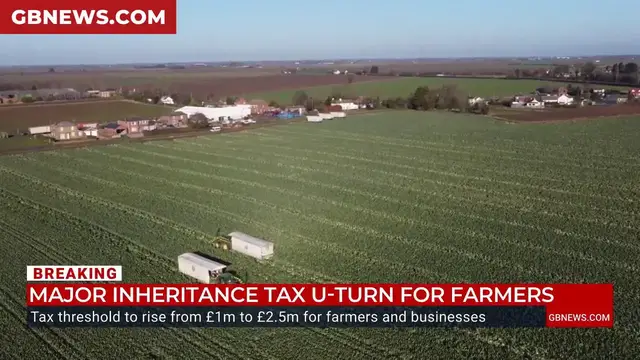
some rough estimations in our area i i think it's helped farmers at sort of 200 acre level and below
0:50
um anything above that is you know we're still in the firing line as a family farm um
0:56
I've done a rough calculation here this morning. You know it yeah it certainly still unachievable for us as a family You know my mother in her 80s she still works here in the farm office and uh um you know on on mum passing it still leaves her an impossible barrier yeah dan i
1:16
really glad you've got your mom sitting there with you because this is the human side of what we're talking about we're talking about ordinary families who have probably i mean i don't know how
1:24
long your family have been in farming dan i mean like most farmers probably a long time
1:28
Five generations, yeah. Exactly. So this is the real thing. You and your mum sitting there
1:34
you're dealing with the consequences of this. I mean, I don't know, you know, how your mum coped with the fact that, you know..
1:40
No worries. Yeah, absolutely. I mean, the pressure, the mental health pressure on both of you
1:45
It's, yeah, it's been powerful. I mean, I think the whole thing is this
1:50
that any of this many is not being realised at any time
1:55
because no farmer goes around. They want to pass it on to the next generation constantly
2:03
And it has to be a very, very long-term thing. And each generation puts their bit in And as time goes on obviously land gets more expensive or people have to diversify into other things because the crops don pay
2:23
and that is very much the case today. Mrs Willis, it must be a huge relief for you
2:31
I know you say your farm is still caught by this, but it means that less of any money will go to the tax man
2:39
Yes. Yeah, of course it does. You know, it is, as Rachel on the phone now
2:45
wanting some more, I suspect. But I think it is a relief
2:51
and it certainly removes some of the burden. However, there is this element that, you know
2:58
it's the aspiration of the business. We've done what we were asked to do
3:02
diversify, diversify, diversify. And we've done that almost to our own detriment now because actually we're going to be taxed upon it
3:11
You know it almost an impossible situation to see your way round you know You know the seven rule would have helped some of the older farmers We still caught in that of some of the older farmers who are considering you know
3:26
considering sort of ending their lives. You know, and mum and I have talked about death
3:35
way more than many parents ever talk about death since October last year
3:40
There's a whole discussion as, you know, Christmas was looking bleak but it's looking a little better you know I still don't know how we
3:48
find our way around it we won't give up the fight we will push on because there still is a big case
3:54
to answer here and for the amount of money we're talking and as you rightly said it's it's the
4:00
impact of the human impact um upon working families I'm a working man my mother's still working
4:07
You know, I thought Labour's policy was about the working people. And to be quite honest, we've seen pretty much every one of their policies is hindering the working person
4:19
Oh, Dan, that's awful to hear those conversations you had to have with your mum simply for doing your jobs