Up next in 10

'The establishment doesn't want to talk about left-wing violence': Will Kingston and Carl Benjamin
Jul 29, 2026


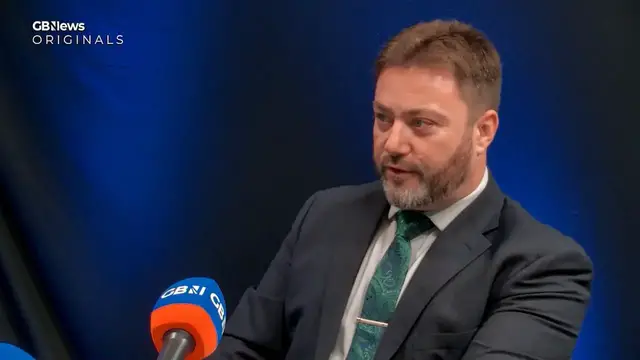
Will Kingston has been told that “the establishment doesn't want to talk about left-wing violence” by Lotus Eaters Media founder Carl Benjamin.Discussing the issue on GB News, Mr Benjamin stressed that the threat was "on the minds of a lot of people" currently.
Show More Show Less View Video Transcript
0:00
Hello and welcome to Fire at Will. I'm Will Kingston. I'm delighted to be joined by the
0:18
founder of Lotus Eaters Media, Carl Benjamin. Carl, welcome to the show
0:21
Hello, thanks for having me. It's an absolute pleasure to have you on. I had a little chuckle. We were talking about
0:26
this off air I saw you recently you made a star appearance in the now backbench MP David
0:33
Lammy's viral video clip on the Manosphere. Apparently an example of the Manosphere. How do you feel about seeing yourself here
0:43
I mean it's a bit weird. I've been married for 10 years. I've got four kids and a business
0:47
So I don't really feel like part of the Manosphere but I'm not a woke progressive feminist
0:53
So I suppose I am a part of the Manosphere. How would you describe yourself? Just a traditional man
0:58
Just a traditional Englishman. Just a normal guy. I remember you. In some respects, that sounds like a very simple description
1:08
I remember you had a great conversation with former Australian Deputy Prime Minister John Anderson recently
1:12
and you were talking about that description. I think you put it in your Twitter bio, and you said it actually had taken you some time to get to that very simple description
1:20
So what was the thinking that goes behind that? Yeah. It's very easy to describe yourself in ideological terms, to introduce yourself
1:30
This probably isn't the answer I gave John Anson, I can't remember what I said to him on that
1:34
But a large part of it is I wanted to avoid using ideologically loaded terms
1:39
as in terms that fit into propositional language through which you can derive definite and necessary conclusions
1:46
Because if I would say, well, I'm a libertarian, then people would say, ah, right, well, I know what you think on all these other issues
1:53
or if I would say I was a socialist, I know what you think on all of these other issues
1:57
and in contradiction to the libertarian position and therefore I'm already engaged in an ideological dispute
2:04
without even saying a word to any of the people that I'm having a conversation with
2:08
and that's just not how I think I actually don't think that most people's politics is actually very ideological
2:14
and I think that a large part of the problem with the discourse that we have
2:19
is it's trapped in an ideological frame that it doesn't even realize that it's in
2:25
Even though the people who are having these conversations, I mean, for example, with Andy
2:28
Burnham now, we're now talking about socialism again. And Andy Burnham's talking about Margaret
2:33
Thatcher. And so we're returning to the debates of the late 70s and the 1980s. And these feel
2:39
deeply archaic. The question of whether the state can do things has been roundly and soundly answered
2:47
The answer is yes, but it often does things badly. However, there are also answers that have been generated from those debates
2:56
which the neoliberals have also failed to, the libertarian side, has also failed to come to a good answer with as well
3:03
As in, is it wise to privatise essential infrastructure for your country
3:09
And the answer is no. I mean, the train to get here just from Swindon, an hour on the train
3:14
cost me nearly £100. I've been to Spain, I went to Spain recently, I've been to Italy recently
3:21
It costs about 15 euros to go about the same distance, and that was a return ticket
3:27
And it's because our train lines are largely monopolized by the state owned companies for
3:34
the national rails of their countries. So the Dutch, the Italians, I think the Spanish own some as well
3:40
they have got major investments, or not just outright owners, of our train companies
3:46
So did this get privatized or did it get outsourced to foreign countries
3:51
So the answer of should we privatize everything? No. The answer of should we nationalize everything
3:58
Also no. Should we privatize those things that are beneficial when they're privatized and nationalize those
4:04
things which are beneficial when they're nationalized? Probably yes. But that's not a hard or fast answer
4:09
changes depending on the context. This is one of the reasons I'm trying to get away from ideological discourse
4:15
Ideological discourse is the same in all times and places. If you go to the 19th century or you go to now, what's the libertarian answer to should
4:22
we privatize the rails? You know what it is. It's no, of course not
4:28
The situation has changed. The world has changed. We can see the negative effects of these actions
4:35
This is a very roundabout way of saying, my opinions are not fixed in amber like a lot
4:39
of ideological discourse is comfortable with opinions being fixed in because then the discourse
4:44
becomes entirely abstract and it's like well you've got a series of propositions and now we're just
4:48
deriving conclusions from them that's not anything to do with what's actually happening in the real
4:53
world and that's where i think politics actually takes place counter-argument to that though would
4:58
be that if you don't have a firm set of convictions rooted in a particular ideological foundation you
5:06
end up standing for nothing and then you have this class of politicians which are there just
5:10
for the sake of power itself and if you look at the last 15 years of British politics that's pretty
5:14
much what you've seen how do you respond to that particular line of argument yeah I think that this
5:20
is a way of people who don't know what they're doing or talking about interjecting themselves
5:29
into a place where they don't really belong someone who doesn't have conviction who doesn't
5:34
have any convictions. Even Andy Burnham has convictions and everyone says well I can never
5:39
pin down what he is. No Andy Burnham is a man who is socially connected to the people of
5:44
Manchester and so his convictions are I'm going to do whatever I can for the people of Manchester
5:50
and the people of the north. I mean that's great I'm a man of the southwest so great I don't want
5:54
Manchesterism in the southwest but I'm going to get it anyway because 25,000 people in Mayfield
5:59
voted for it um but that but Andy Burnham doesn't need to be heavily ideological because he's
6:05
actually done the job he's been an MP he's been in government and he's been the mayor of Manchester
6:11
for a decade and now he's the prime minister so he doesn't need an excessively ideological platform
6:15
because ideologies really are um kind of like uh political programming for people who have never
6:22
had any experience of the system of the situation and so they need to know it tells basically people
6:28
who are inexperienced in advance, something that they ought to be doing. But if you actually
6:34
notice, very few of the people who actually gain power in any particular system are actually
6:39
very ideological people. Very few of them actually come in with a sort of libertarian
6:46
manifesto. I mean Margaret Thatcher was probably the last person who had a deeply ideological
6:50
view and that's because she was in the height of the Cold War and it was directly after
6:54
and Labour would wreck the country. So it was a deeply ideological time
6:58
But in most times and places, the person is someone who is something of a kind of political
7:03
wheeler and dealer, someone who has actually had experience and contact with all of the
7:08
numerous compromises you have to make in politics. And Keir Starmer is another one
7:13
Keir Starmer has an ideology, but honestly, I'm not even sure Keir Starmer is like compus
7:18
mentis enough to know that he has an ideology. But again he went through the system of the Labour Party to get to the position he in He didn just say I have an ideology and therefore And so I just I find this ideological discussion essentially it kind of a cope for those people
7:36
who are outside of politics and don't know really what they ought to be doing. Well, interestingly, the last person who had an ideology
7:43
I agree with you, was probably Margaret Thatcher. And you said that came after a period
7:47
where they wrecked the country. Now we're about to enter, you know, in 2029, I think a very similar situation
7:52
Except I think you can extend that out to the conservatives, you can send out to the so-called uni party, a period now where the country is in a very, very dark place
8:03
Your answer to that isn't ideology necessarily or an ideologically positioned party. What is the answer
8:09
Well, you've got to ask yourself whose interests are you advancing in politics
8:15
And at the moment, I think that everyone feels that it's every interest other than our own
8:21
And this was, in fact, the argument that underpinned Danny Burnham's campaign in Makerfield
8:26
I'm going to make the Labour Party work for us, the people of Manchester and Makerfield in the north
8:32
And this essentially his argument was I'm going to restore Labour. I'm going to hark back to a golden era of Labour politics where at least if nothing else, it might not have been like a national success
8:46
but at least felt like it represented a certain kind of person in a certain kind of area
8:51
and made their voice and interest present in politics. And I think you've used that word restore quite deliberately there
8:56
I have, yeah. It was actually a deeply conservative campaign that he ran for Labour voters in the Labour heartland
9:03
in an area that's always voted Labour. It's the same message, honestly, Rupert Lowe is putting out to the rest of the country
9:09
and saying, well, actually, I mean, that's a good start, but what about the rest of us
9:13
You know, I would like Swindon to be restored to what it was like 30 years ago
9:17
when I first moved there after university. That would be lovely. It was a well-to-do, like, it's kind of a boom town
9:24
But it was just a normal English town. And now it feels it's just people from everywhere
9:29
And they've just arrived. It was just since COVID that they've arrived. And you just look at the situation and you're like
9:36
this is just not what I wanted for my future, for my children. And that's what Andy Burnham's message to Maconfield was
9:43
Yeah. I think people are past the hurting words. They're past that sort of thing
9:46
And they can just say this stuff for themselves. how do you reflect on how the discourse has changed in the country over the last five years
9:52
potentially even the last three years i think that essentially all of the ideological words
9:57
that the left uses to prevent normal people from recognizing the actual changes in their country
10:03
can only survive as long as for most people the changes are not manifestly in their face
10:11
and ruining the places in which they live. And until that distance, while that distance remains
10:19
then the words racist, xenophobe, fascist, blah, blah, blah, blah, all of the ideologically loaded you are a bad person words have an effect
10:28
because people say, oh, you know, I've got my comfortable bourgeois life
10:33
that I want to protect. But as soon as that starts disappearing and you're actually worried about walking down the street
10:38
suddenly all of the concerns about your moral standing with your neighbours disappear
10:44
because everyone's worried about their physical safety and the physical safety of the people they love
10:48
And so these words, I think the natural power that they contained was a social power
10:54
whereas the actual threat now is a real and present physical threat
10:58
And so these words can't overcome that. We'll get back to that
11:04
But I diverted us from what I think is a really interesting take on Burnham, which I hadn't heard anywhere else, which is effectively that this is not a progressive in the way that we now understand modern left wing politicians who have taken over social democratic left wing parties of the past
11:20
in many ways this is the most self-consciously backwards looking politician of modern times
11:25
even including conservatives and that's something which is quite unusual from what we've seen from left wing parties
11:33
and from Labour in the recent past You wouldn't know that mass immigration and woke ideology
11:38
had even happened if you just listened to what Andy Burnham says he never brings it up
11:41
and that's very smart however, because it's very unpopular nobody wants woke politics
11:49
and nobody wants mass immigration. It's only about a quarter of the country
11:53
the city-dwelling progressive liberal types, who are enchanted by that. Keir Starmer happens to be one of those people
12:01
So the second anything happens that refers to a minority group in any way
12:06
he's out there pounding his chest and saying, oh, brilliant, I can virtue signal as a good man
12:11
Andy Burnham isn't thinking like that. And he's thinking, okay, what do people actually want
12:16
And so he belongs to, I guess, what we call the post-woke left, where it's not that he challenges any of these things
12:23
he doesn't challenge any of these presuppositions. They're just not his particular focus. He's
12:29
concerned about the economic status of the people of the North. And that's not an unreasonable
12:36
thing to be concerned about. It's just it's a very particular historical confluence that
12:43
has produced what we think of as the North and the post-industrial North
12:49
And not only do I think that can't just be revived artificially
12:54
it's, as I said earlier, very conservative. Angela Rayner has just been made the housing minister
13:01
because they seem to have this deep longing in their souls to put northerners in little terraced houses like their grandparents lived in
13:08
But their grandparents lived in these little terraced houses for a reason. It was a step up from living in the countryside and being impoverished wherever they were prior to the Industrial Revolution
13:21
And then they were there because the factories were there and this was a community and way of life that they had
13:25
Well, the factories are no longer there. So the generative engine of economic prosperity for this community is gone
13:32
And unless we're going to take some really drastic, really drastic actions to force us to be the workshop of the world again
13:40
that's not coming back and so this looks like a dewy-eyed romantic
13:46
nostalgia trip government and I mean I watched Andy Burnham's first cabinet meeting and there was
13:55
a weird kind of laughter of the damned in it right the kind of the ship of fools
14:01
heading towards a whirlpool or something where they just they acted like
14:06
we can just think about these issues that come from the 1980s
14:10
we can beat the ghost of Thatcher and then our job is done
14:16
and so okay well let's assume that you do that and we don't get any of the problems that were created
14:20
economically from the Labour government in the 1970s we're still left with the rape gangs
14:25
we're still left with the insane house prices because the country is just so dramatically overpopulated
14:30
we're still left with that general feeling of fear we're still left with the inevitability
14:35
of the white British becoming a demographic minority in their own country
14:39
what can you do about any of this and Andy Burnham will say nothing this is not on my
14:45
radar at all and in fact I'm a bit afraid of going into that direction because I'm worried
14:49
that my left is going to call me a fascist over it and I'm going to lose them to the
14:53
Greens so I can do nothing and so the problems that we have again and this is assuming we don get any of the left wing economic problems which I think is inevitable that we will get from an Andy Burnham government
15:06
This is going to be compounded by a growing issue that grows out of his sight that he's not prepared to look at and he's constantly ignoring
15:14
and so when the inevitable right wing backlash comes and it's clearly coming
15:19
Nigel Farage may have slipped in the polls recently but Nigel Farage is just an avatar of this
15:28
and has taken the space of a right wing nativist backlash and if he fails, okay that's fine
15:35
but someone else will come along after him the motives, the forces that are driving the right wing backlash
15:41
are not going away and in fact they seem to be getting stronger and so the
15:47
liberal establishment really the kind of tail end of the entire Blairite experiment
15:52
that Andy Burnham is Keir Starmer was trying to save and fail
15:57
and Andy Burnham is trying to essentially ignore the end of that's coming to an end
16:02
and so it's one of those things where there's a dramatic tension whenever you see
16:09
them laughing that you know there's chaos outside of whatever small space they have that feels safe to them
16:16
And you've said before, I've heard you say on record, you think the Labour Party is effectively done as a political force
16:21
and you still stand by that. I wonder how many of them actually, in their heart of hearts
16:25
probably agree with you, know that they've got three years left to fulfil whatever agenda they have
16:31
and to enjoy the Westminster cocktail parties. There's a reason that Burnham didn't call an election
16:35
He's not going to win it. So let's look at what happens after that. Let's assume that this project goes to its inevitable conclusion
16:43
and see, you know, what slash who replaces it. I'm always like, you know, there is the assertion that GV uses
16:52
you know, Farage News, and I think Nigel's in the next room at the moment. You're a reluctant supporter of Nigel for a period of time
16:58
You no longer are. Why not? Well Nigel Farage Doesn't Realise that he is also the tail end of Blairism He's
17:11
Promising to fix Their mess The name of his party is literally reform
17:18
You don't reform something You intend to get rid of You reform something you intend to keep
17:22
And so he's looking at the current paradigm Which he is a product of
17:27
He's been in politics all the way through the Blair era As an MEP
17:31
and now as an MP and he is constantly saying and if you look at the
17:37
if you listen to the actual rhetoric he uses he uses the same kind of
17:41
abstract non-particular determinants that Keir Starmer Tony Blair or whoever else would
17:49
have agreed with in we need to look after our values we need to look at
17:53
look at the institutions the institutions are failing oh look at our high streets
17:58
It's like, okay, but what if these were all in really good condition, but there were no British people around
18:04
Would that be acceptable? And he would have to say, well, yeah. And he said this on many occasions, that he's not concerned about demographic change
18:10
He's not concerned about mass immigration. He's concerned about communities getting along with one another
18:17
He's concerned about our values. It's like, okay, but the values are not separate to the people that hold them
18:23
There's a reason that foreigners don't hold British values, and there's a reason that we do
18:27
and the appeal to the values in the abstract is a really weird thing to make
18:33
because it's like, well, if these values end up destroying our communities
18:38
of what use were the values? Why were we holding to them? Why weren't we using values that actually serve us
18:45
Why were we giving up our civilization in the name of a set of values
18:49
that I don't even really agree with? I don't agree with tolerance
18:53
and whatever the five British values are. I don't really agree with these things
18:57
So this is a conversation which both Restore, Lotus Eders, yourself, have been associated with in recent times, which is this civic nationalism, the ethno-nationalism debate, the relative importance of nativism
19:14
And I think a lot of the time these words are thrown around in online discourse, and a lot of people don't really understand what they mean
19:20
And if they do hear a word like ethno-nationalism, a lot of the time they'll hear, oh, well, you just want to throw non-white people out of the country
19:27
and i think um there is more nuance to it than that can you give me the the four dummies explanation
19:32
of what we're talking about here sure um so nationalism as a concept emerged in the french
19:37
revolution and i'm not a nationalist because it's a product of the french revolution um but a a
19:45
generous uh characterization of nationalism would be a political philosophy that i'm sorry i just had
19:53
the flu so I'm coughing a bit a political philosophy that concerned itself with the
19:59
character and quality of the nation and concerns and the interests of the nation
20:04
and this is a series of things that are predicated on the bedrock which is the people of the nation
20:12
and then their institutions their customs their habits their accomplishments their history all of
20:17
these things bound together and so when you try and separate out ethnic and civic nationalism
20:23
What you're doing is you're looking at the nation as a unitary whole and choosing one
20:29
layer of it. I like the civic life of the British people
20:33
I'd like to extract that out, turn that into an ideology and then essentially give it to
20:39
anyone else. And the ethnic component, which is what the nation is built on, all nations are, I mean
20:45
the natio literally is the Latin for race. It's a nation is the people that it's comprised of
20:51
And when we look at the, I like the culture of Britain, I like the civic life of Britain
20:55
I like the history of Britain, well these are all built on the people themselves acting
21:00
in their interests in the way that they think is best for their own country
21:04
And that's what the history of the British Empire is. And so when you take one of those things out and you say, right, I don't need to worry
21:11
about the rest of it, that's a very strange thing to do because you're kind of stealing
21:14
the effluence of a people from them and saying, I claim that away from you
21:23
And this is obviously an ideological, sorry to keep harking back to this, but this is an
21:28
ideological discourse that we have that hasn't really got any bearing on real life. Because when we are engaging in our politics, it's usually on a sort of personal basis
21:38
like the the american politics of rabidly attacking your opponents um i guess might make
21:44
good television but it's very inappropriate in breton it feels very strange and alien here
21:50
and this is why um we we expect to be able to sit down with someone who politically is opposed to us
21:57
and talk to them reasonably because at the end of the day they're still our countrymen
22:00
they're still part of the same ethnos the natio that underpins all of these things and that
22:05
in itself implies a certain level of acceptance whereas in America it's a very ideological I mean expressly ideological country
22:12
it's built on a constitution set propositions you have to agree with
22:16
whereas in Britain you don't you your British because your ancestry and so this
22:23
ethnic versus civic nationalism is kind of a falsehood the there is no such thing as civic nationalism Because if you saying look I just going to take one group of people civic life
22:35
and give it to anyone in the world, well, that's just another form of globalism. This is not a thing that belongs to everyone else in the world
22:41
They have their own political traditions, and I'm not judging them. I mean, maybe they're good, maybe they're bad
22:46
But they're not ours. And so when you say, well, this is now a nation for everyone
22:52
you're trying to turn us into a propositional nation like the United States which we're not
22:56
so it's quite deceitful really well the logical problem that I have when I hear these sorts of arguments is
23:05
you will hear effectively ethno-nationalist cases for countries like Japan or Israel
23:11
but when it is applied to England it becomes racist or far right
23:17
why is there that distinction? false distinction? I think ultimately it's because
23:24
The term racist will eventually Boil down after all of the arguments
23:28
Have been made to someone Who believes that people belong to races
23:32
I think that's what racist At its bottom really means So if you recognize
23:38
For example in Nolan's Odyssey film When the Indian Canadian man Says I am a Greek from Ithaca
23:46
If you recognize that actually He belongs to a race which is not greek a separate race or an ethnicity should we say um then that is itself a form of
23:56
racism because i'm recognizing a distinction between races i think that's what it all boils
24:01
down to and so this is why the left is constantly going on going on about zionism as a form of
24:07
racism well if zionism is a form of recognizing the difference between jews and non-jews or being
24:14
a japanese nationalist is a form of racism as a different recognizing difference between japanese
24:18
people and non-Japanese people then yes I suppose you can say that all nationalism whether
24:25
you call it ethno-nationalism or just the holistic view of the nation it is a form of
24:34
racism in that framing but that just shows you the paucity and uselessness of the term
24:41
racism because it's just not reasonable to ask groups of people to give up their collective
24:49
claims to their ancestral lands. That's just not a reasonable thing to do. And the left recognizes this in Palestine or in Ukraine, for example
24:57
They completely concede that, no, the Palestinians have a collective right to Palestine
25:01
The Ukrainians have a collective right to Ukraine. Well, therefore, we have a collective right to England, to Australia, to wherever we are
25:09
from because these are our lands and at the end of the day they will call that a form of racism
25:15
and it's just got to be well unfortunately for you that's not a very persuasive case to give up
25:21
our countries so this is where this is where i think the nuance comes in because i think now we're
25:25
at a point where most reasonable people would accept that but then it is how does that actually
25:30
manifest itself in immigration policies in policies towards welfare for citizens being non-citizens
25:37
Let's use immigration policy as an example. Sorry. I do apologize. No, no worries
25:44
Let's get me over a flip. Yeah, yeah, no, I know the feeling. Let's use immigration policy as an example
25:51
You have someone like Steve Laws, for example, who would say, basically
25:54
if you're not born in this country, bugger off. You then, on the other side of the spectrum
25:59
have someone like Zach Polanski say, everyone is welcome, you know, open the door
26:04
where is the sensible where maybe don't use to where where does a sensible uh nativist position
26:13
sit on that spectrum um well there there again i don't want to arrive in a specific ideological
26:22
spot to say this is the case in all places in all times um it depends on the position that
26:27
you're beginning with so for us i mean i think a sensible nativist policy would just be
26:33
end immigration if immigration were the solution to our problems is 20 million immigrants not
26:39
enough of a solution and if not what number are you asking for you know is it 30 million is it 40
26:45
million and if the answer is no that's still not enough then i can't help but feel that we might
26:50
be throwing good money off the bad here and saying well immigration maybe it's not the answer to
26:55
whatever our problems are um that doesn't mean we have to uh take punitive action against immigrants
27:02
although there are definitely immigrants we probably should take punitive action against we've got all sorts of ridiculous i mean we don't know how many foreigners are using the nhs for
27:11
benefits tourism because they just don't record the numbers so okay well these are these are all
27:16
things that we probably shouldn't tolerate and are doubtless making us poorer but there's there's no
27:22
need to go in a particular one direction of the the hard line we have to just get rid of every
27:28
foreigner or we have to bring in every foreigner on the other side. There's no reason
27:32
we have to choose and be committed to any hardline position. Well you do when you're actually
27:38
getting down to the needy grid and determining a policy. A policy
27:42
doesn't have to be eternal. The problem that we have with these
27:46
two extreme positions is that they are abstract propositional and eternal. We should have infinite immigrants
27:52
we should have no immigrants and these policies don't change regarding the situation
27:56
like Zach Polanski isn't like oh yeah we have got bit too many. Or Steve Law's like, okay, you're kicking out one too many doctors on the NHS
28:03
or something. They don't moderate their positions at all. We can choose the policy for the here
28:09
and now that we think is useful in the here and now. And we can be as discriminatory as
28:13
we want about this. Okay, well, if we need doctors for the NHS, okay, don't kick out any doctors. But you can kick out all of the welfare dependents because we don't need welfare
28:20
dependents. So we can just look at the situation with ClearEyes and say, what is actually in
28:24
interests what is actually harming the country and what steps can we take appropriate to improve
28:30
the situation yeah you talked about and so another term which again would have been seen as a
28:35
you know a dirty word even two or three years ago remigration i think is now becoming a more
28:42
normalized part of political debate there is the term of voluntary remigration you had a good
28:50
conversation, I don't know, maybe three months ago on this, on particular measures that you
28:54
think should be implemented, which would address the very obvious problem that for the last
29:02
20 years, this country has let in hundreds of thousands, if not millions of people who
29:06
despise the history, in inverted commas, in the broadest possible sense, the values, the
29:14
culture of the country, who hate Britain. What does that mean and what does that look
29:18
I think targeting people because of their opinions is probably more difficult than people expect
29:27
you'd have to spend a lot of man hours scouring the social media
29:32
or checking various histories of theirs to discover their opinions of the country
29:39
I think actually just doing it on revealed preference is best is a person here because they want
29:46
to be here or are they here because they think we're a frontier they can exploit. And you can look at lots of things
29:52
I mean, benefit system is obviously a great one. The sort of, I guess what we call the sort of
29:59
The Deliveroo economy, the temporary jobs, the easy-to-get jobs, Uber driving, things like that
30:06
And then remittances. What money do they send home? How can we possibly claim integration if they're sending money home
30:16
I don't send money to any other countries because I don't feel any other loyalty to any other countries
30:21
But these people still do. So they're not joining in the liberal dream of integration
30:26
I mean, we don't even talk about integration anymore. you know with 20 million foreigners in and we don't even bother talking about integration
30:33
because it's obviously not going to happen um and so there are and i think rupert lowe is
30:39
absolutely right when he says well look anyone involved in the rape gangs and knew about the
30:43
rape gangs those people can all go because there's an intrinsic betrayal of the british people in
30:48
there and i mean one thing that people don't really understand or seem to want to understand
30:52
I think on a natural level, people understand that there is a burden of guilt when you do something wrong to someone else
31:01
Like, if I stole your car and I was sat here now, you'd be quite annoyed at me
31:05
And I'd say, but I returned your car yesterday. What's the problem? He'd say, yeah, but I still acted against you
31:10
I still hurt you. Even if I've made restitution, you've still got a right to be angry at me
31:15
And I should be at least contrite about this. But we've seen very little contrition from this community
31:22
What was the answer? I don't think we're in a position to talk about answers yet
31:31
Well, to the extent that there are people who are looking for answers, you have aligned yourself with Rupert Lowe and Restore
31:39
Why do you believe that they are currently the best possible option
31:43
amongst now the range of parties on the right of politics in this country
31:48
They're the most devoured nativist party. Rupert Lowe isn't some sort of hardline online Twitter FNAT
31:56
but he is a nativist who recognises the claim of the British people to Britain
32:01
and thinks that the government should be working in our interests for once
32:05
Have you been concerned about his recent comments around supporting or comments on multiculturalism which would appear to be in tension with that
32:13
No, I think that's been taken out of context I think it's not even a slip of the tongue
32:18
And I think, I don't think he's wrong. I think, you know, if, say, you know, a man or a woman, a British man or a woman gets a foreign wife and they marry them and bring them, that's fine
32:30
That's totally normal. This isn't, I mean, he was specifically using that in the context of integration
32:37
So he wasn't arguing for multicultural, separated communities at all. but moreover Rupert Lowe and Russell Britain
32:45
recognise the primacy of the claim of the British people to their own politics
32:49
as in politics should be serving our interests and if foreign groups are not happy with that
32:53
well then they've got other places they can go I can't go anywhere else and see my politics
32:58
and my interests served I've only got one government and there's no particular reason that
33:03
the British government shouldn't be serving my interests I can't even imagine what the argument
33:08
as to why it shouldn't would be how would you make that argument which is why they never do they never argue you know your
33:15
interest shouldn't be i mean you're australian this maybe not you but like so my you know my
33:20
interest as i'm married i pay a huge amount of tax i've got kids i've got business i can't be
33:25
more invested in this country i can't do the right thing any more than i already do why shouldn't the
33:32
government be constantly talking to me rather than sidelining me and talking to muslims talking to
33:37
immigrants, talking to the LGBT community, talking to government interests like the NHS
33:42
or the civil service. You know, Keir Starmer wrote the civil service all handwritten notes to say thank you
33:48
It's like, but they're ruining our country. Like, sorry. You know, but for me, what do I get
33:55
I get the cold hand. I get the cold face. I get the edge of the knife
34:01
I get to pay more taxes. I get to feel unsafe in my town. I get less prospects in future
34:06
my children have fewer prospects as they go forward in their lives
34:11
and I'm just like this is just wrong and that's the thing that Restore Britain fundamentally
34:16
is addressing whatever the issues are is actually incidental, we can cross those bridges when we come
34:23
to them the first thing to do is make sure the locus of
34:26
concern for British politics is within the British people themselves and moving outwards rather than
34:32
outside of us and pushing against us And that's the primary thing. And that's the thing that Nigel Farage himself has never been able to capture. He's always been afraid of being called a racist, being seen as xenophobic, being seen as a nativist or a populist. He doesn't like those terms. And so he desperately tries to evade saying, no, the people in this country who actually matter first, above all others, are the native British people
34:55
He'll never say it, he's never said it And it why reform are basically a busted flush Even if they were to form a government tomorrow which doesn even look likely at this point Well let look at so I broadly agree with that you know on a principled level
35:13
In terms of some of the practical considerations we're still now need to think about, and there are a few
35:19
Number one, some people have raised concern that there is a divide between the leader of the party, Rupert
35:26
who is a 1980s kind of old style. He's a very right-wing boomer
35:31
Yeah. And by the way, I love that sort of politics. Yeah, yeah. I'm all for that
35:35
And the younger, more energetic wing of the party who represents a new type of right-wing politics
35:42
that in some respects, whilst not being incompatible with that older style of conservatism
35:47
is perhaps in tension with it. How do you reconcile that given that the younger guys are the ones
35:51
who are controlling the social media accounts, the younger guys are the ones who are writing policy papers
35:55
but ultimately Rupert Lowe is the guy who is the front and centre face of the party
35:59
There's not that much of a distinction. I think this has been dramatically overplayed
36:03
I mean, Rupert Lowe endorses everything that's in his policy papers and he goes around promoting them as often as he can
36:08
And if you read them, they don't represent Twitter discourse, which I think people involved in politics really enjoy Twitter
36:16
because it gives them an outlet to express what they think ought to be done
36:21
gather lots of information and have heated debates, which are always fun to engage in with the opposition or people who even maybe
36:28
slight right deviationists or something like this. And so it feels like a cauldron out of which anything could come
36:36
But actually it's much more of a silo than people realize. And so when you actually read through these policy papers, they're just very sensible
36:45
They're very, very well executed. And they identify problems with the system, problems with the state of the country
36:51
and reasonable propositions on how to fix these. And they're not even sort of hardline or ideological
36:59
in the way they formulate their solutions. They essentially indicate that if we do these steps
37:08
then we can reasonably expect a certain set of results. And this certain set of results will be in the best interest of the British people
37:15
And that is a great start. And so Rupert Lowe can endorse that
37:18
You know, the most hardline right-wing Twitter account can endorse that and everyone in between
37:23
Because at the end of the day, it might not be the exemplar position that someone who's got a hard right and not a Twitter account would want
37:32
But it's still a step in that direction. And it's a reasonable step. It's not a step that is unthinking
37:38
It's not a step that is malevolent. It's not going to hurt anyone. It's just going to do the right thing for the right reasons
37:43
And so it's very easy to see how Rupert Lowe can absolutely stand behind that, as well as anyone further to the right, because this is just travelling in the right direction
37:53
Travelling in the right direction is an interesting term, because I would suggest, at least when you look at it relative to the Polanskys and Burnhams of this world, the three right-wing political parties in this country are travelling in, if not the right direction, a better direction than those alternatives
38:10
When you can get them to, yeah. When you can get them to, sure. Where does this end on the right? So at the moment, I would suggest that there are, and again, online discourse can distort your view of reality, but it is still made up of people
38:25
And often the people who are more politically engaged and motivated and likely to knock on doors and likely to actually push parties in a particular direction
38:33
And many restore supporters hate reform more than the Greens and vice versa
38:37
But in a system which is fundamentally a two to two and a half party system, there is going to need to be some accommodation at some point in the future between people who are supporting Kemi Badenoch and supporting Nigel Farage and supporting Rupert Lowe, or else you end up potentially with some Frankenstein, Lib Dem, Greens, Labour coalition, and this country is totally stuffed
39:04
Where does this end on the right? I honestly don't know. We're in pretty uncharted territory. So for the last hundred years, you've
39:14
had essentially either the Liberals and the Conservatives or the Labour and the Conservatives
39:18
as being the two essentially only parties, the only games in town. This has been honestly
39:25
I think terrible actually, because what this has done is allowed them to ignore the general
39:34
expression of the will of the people loathes i am to use that kind of language um just ignore
39:39
people's concerns and just do whatever they like knowing that this can i mean this is why
39:44
burnham chose makerfield it's always voted labor he knew it was going to vote for him and so he
39:50
went with a conservative message to the labor voting like dynasties of makerfield and said look
39:56
i'm just going to do whatever you want put me in charge and they did it you know this is the
40:01
political agreement they made And so it may well be that we end up with essentially regional parties It looking like the Conservatives will be the regional party of the sort of the southeast The Lib Dems the regional party of the southwest
40:13
Literally, if you look at it on the map, that's where the constituency is. It looks like Labour will be the regional party of the post-industrial north
40:20
It looks like Reform will be the regional party of the sort of the bits that are left out of that
40:26
right it looks honestly like we're gonna end up in nothing but coalition governments going forward
40:33
but that sounds to me like a recipe for nothing getting done in politics and nothing changing and
40:38
that would be a disaster but everything's a disaster i mean it's not it's not what i want
40:43
but you know at the end of the day i i don't i don't see anyone on the right who can actually
40:49
act as a unitary figure because everyone on the right is afraid of the left and for some reason
40:55
and I just cannot understand for the life of me why they all desperately want acceptance from the Labour Party
41:02
They're desperate for it. And you saw this the other day in Keir Starmer's last PMQs
41:08
where they were all being so pally with him. Even Richard Tice got up and asked him a pally question
41:17
He said, oh, can we expect a bank holiday if England win? it's like didn't one of your
41:22
former speaker just get bludgeoned to death with a hammer and you're just going to be pally
41:29
because you're worried about her even Kemmi Badenock ended up being soft with Keir Starmer as if this was some
41:35
big team they were all on and until the right the parties of the right realise they don't need the moral
41:41
approval of the left and they actually just need to fix the country
41:45
I don't think there is going to be unity on the right and even if there was what good would it be
41:49
because it would still be morally in hock to the left it would still be oh yeah no we're not racist
41:53
sorry we're not going to deport a bunch of foreign criminals sorry we're not going to put the british
41:56
people first and until they can bring themselves say no our commitment is actually to the native
42:02
people of this country then there's nothing will ever get better for us nothing will ever get better
42:08
and it doesn't matter who's in charge left-wing violence is on the minds of a lot of people at
42:14
the moment speaking more generally about what is on the minds of many people it is interesting
42:20
that there is not a outrage a widespread social conversation about left-wing violence in this
42:29
country at the moment why aren't we talking about it nobody's really interested in talking about it
42:33
because the they know they control the government they control the courts they control the media
42:39
the left-wing paradigm is the dominant paradigm in all of these spaces
42:44
the civil servants if I recall correctly something like 95% of the civil service
42:49
voted against Brexit so you can't look at institutions that are that captured
42:57
and expect any kind of neutrality from them they serve their own interests
43:01
their own political ideological interests they will always side with their own
43:06
against Nigel Farage who's desperately trying to get into the club and will never be accepted
43:11
and somehow failed to realize this they don't care in effect the silence is a form of sanction
43:19
if the murder of Wayne Broadhurst can be downgraded to manslaughter even though we all watched the video
43:25
of him chasing him around when he was on the floor going for him if that's an accidental murder
43:30
an accidental killing then just be aware of what side of the blade that you're on
43:36
you're on the cutting edge you're not the one holding the handle they're holding the handle and the cutting edge only goes
43:41
one way you're going to be on the rough side of whatever happens and you're going to you're going
43:46
to get i mean you know you're not a national figure like amokim was you know none of us are
43:50
and so when something terrible happens to us i mean you might even see them celebrating it like
43:57
charlie kirk i want to finish with uh referring to the ideological capture of the institutions
44:04
that you just mentioned. And I think this is, you know, arguably the biggest problem
44:08
of the challenge facing the country because in some respects, it doesn't matter whether it is restored
44:14
It doesn't matter whether it's virage. It doesn't matter whether it's even, you know, the Conservatives
44:18
after the mother of all come to Jesus moments, which is, I think, improbable
44:22
but not outside the realms of possibility. It won't matter if you still have
44:28
those institutions that are staffed by people who are not on board
44:32
staffed by people who still have that same worldview so the question is how do you go about that project if you do have you know the
44:40
leaves of powers again you know of actually going about fighting against the institutions that will
44:46
try and stop you at every turn well I mean I think purging them wouldn't be sufficient you just have
44:52
to reconstitute new institutions you would like there would be no point purging the home office
45:01
in its current state You just need to construct a new institution that fulfilled the functions of the Home Office with a completely different culture in it That what you have to do If we want to do anything good in this country there is such a monumental task ahead of us
45:19
that to suggest that Nigel Farage could be the person to do it is laughable
45:26
And I'm sorry, and I don't even dislike Nigel Farage, right? But Nigel Farage is a kind of British archetype
45:35
that is a sort of popular, cheeky, chappy, wheeler and dealer archetype
45:40
He's charismatic, he's a great speaker, but he isn't the kind of man who has actually needed to fix this problem
45:46
What is needed to fix this problem is the kind of man who is actually attentive to detail, but just doggedly determined to do whatever needs to be done
45:55
regardless of the critiques that he's going to suffer. And unfortunately, the kind of Arthur Daly, Del Boyce, or wheeler and dealer type
46:02
he actually relies on the opinions of others for his business. He relies on the goodwill of other people for him to get his deals done
46:10
That's not the kind of person who can solve these problems. And unfortunately, that just means Nigel Farage is just frankly wasting everyone's time
46:19
And I'm not saying this because I dislike Nigel Farage, because I don't. In many parts, I can probably credit Nigel Farage for my journey from being a liberal to being a right winger
46:30
because I remember back in probably 2014, 2015 before Brexit even happened
46:36
when he was talking about problems of the left, I was finding myself going
46:40
yeah, these are very reasonable points I very much agree with these things
46:44
but Nigel Farage decided not to continue his journey to the right
46:48
and he seems to have in fact tried to make a journey towards the left
46:52
and so I just I think it's in his character to want the attention
46:59
but not want to actually do the job. And I think a lot of people are seeing that as well
47:04
And that's not even talking about the kind of more seedy nature of it being a business venture for him
47:09
and getting, you know, five million pounds in donations for no particular reason. I mean, that doesn't even bother me, right
47:15
I'm not particularly bothered by that. Like, people giving gifts, large gifts to
47:22
I guess what we call political influencers, like Nigel Farage of his stature
47:26
that's actually not terribly surprising. but I think it is just a part of
47:32
the nature of what the kind of archetype that Nigel Farage is
47:36
represents and how it acts and he's not acted outside of this at all and it's actually
47:43
really weird there's this kind of sort of tone deaf tin-eared sound whenever he says something
47:51
like oh I'm for family, community and country no you're not you are
47:56
a womanizer you are a guy who likes going out drinking you're a guy like a jack the lad you
48:03
know you're not like some staunch respectable conservative i can't be bought and then people
48:08
just juxtapose that with the cameo clip sorry if i'm going a bit too fire but like it's just
48:13
everyone can see your character nigel and you're not that guy and so you claiming to be that guy
48:20
just feels inauthentic and it just shows that we're not going to get what is needed to be done
48:26
I want to finish, when this is a question I often ask to finish conversations like this
48:32
which take a generally dim view of where the country sits at the moment which I think is a realist view of where the country sits, are there any reasons for optimism
48:48
Yeah, I mean things that can't go on forever won't go on forever, so at the end of the
48:53
I don't think that the current status quo, the current system as it is, has got that many more years left in it before things just stop working
49:02
And if Andy Burnham wants to accelerate that process and take us genuinely back to the 1970s where literally systems just ground to a halt
49:09
and the bins didn't get collected and we only had, you know, you got the electricity turned off for a couple of days and people just didn't work
49:16
didn't work then yeah I mean that's that's actually not a terrible I mean
49:21
that's a place we're gonna have to get to eventually before people realize these
49:26
systems will not do what they claim that they will do so we can actually have a
49:32
solid and irrefutable mandate for change they're a few people mandate know the
49:36
systems themselves are the problems they're in fact destroying us and now
49:40
they've themselves collapsed so we've got to do something different so I'm I'm
49:45
I'm an optimist by nature to be honest and maybe I'm looking at this too optimistically
49:49
because it's going to be rough when all this stuff stops but at some point it has to stop
49:54
It can't carry on like this. So at some point in hopefully not the too distant future, it'd be better to just pull
50:02
the plaster off and get on with it. Take the pain as quickly as possible, get it over and done with, just make the changes
50:08
we have to make and we'll try and rebuild from the collapse
50:12
Karl, thanks for coming in, Geoff. My pleasure. Thank you
#news