0:03
أهلاً بكم مجدداً في "ألتيتيود أديكتس"،
0:06
حيث نتجاوز الغلاف الجوي ونغوص مباشرة في
0:09
الحدود القصوى للهندسة البشرية وطاقة
0:14
اليوم، نكشف عن اختراق هائل من موسكو قد
0:17
يحل واحدة من أكثر المشاكل تعقيداً في
0:22
ابقوا معنا حتى النهاية، لأننا سنشرح
0:24
لماذا يفشل الفولاذ العادي داخل شمس
0:27
اصطناعية، وحيلة الإسفنج المعدني السائل
0:30
التي تنقذ الجدران، وتركيبة السبيكة
0:32
الدقيقة التي سدت هذه الفجوة أخيراً.
0:35
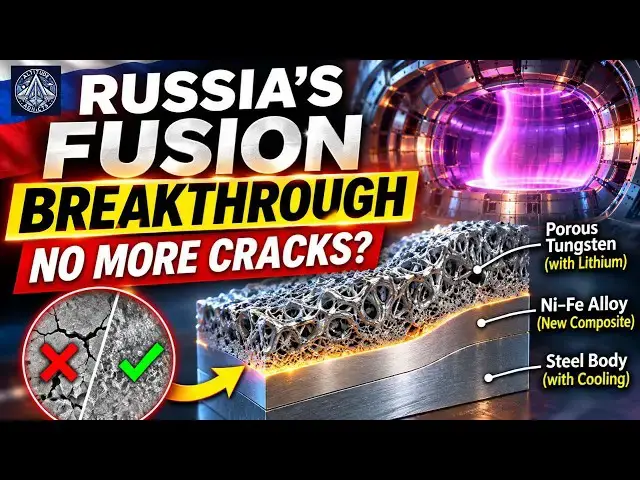
طور علماء نوويون روس مادة مركبة قائمة
0:39
على التنجستن، مصممة لتحمل الظروف
0:41
الحرارية القاسية داخل مفاعلات الاندماج
0:46
وقد أثبت باحثون في الجامعة الوطنية
0:49
للبحوث النووية، المعروفة بـ "ميفي" أو
0:52
معهد موسكو للهندسة الفيزيائية، طريقة
0:55
لدمج هيكل تنجستن مسامي مع مصفوفة من
0:58
سبيكة النيكل والحديد.
1:01
تنتج عن هذه الطريقة مادة خالية من
1:03
الطبقات الوسيطة الهشة والشقوق التي كانت
1:06
تعقد سابقاً عملية الربط بين التنجستن
1:12
يعالج هذا التطوير أحد التحديات الهندسية
1:15
المهمة في طاقة الاندماج، وهو الحفاظ على
1:18
الاستقرار الميكانيكي للمواد المستخدمة في
1:21
الهيكل الوقائي مع حماية جدران المفاعل من
1:24
حرارة البلازما الشديدة.
1:27
تحتوي المواد المماثلة القائمة على
1:30
الفولاذ على حوالي 25%من التنجستن بالحجم
1:33
، بينما يحتوي المركب الجديد "WNi34Fe"
1:36
على ما يصل إلى 42%من التنجستن بالحجم.
1:40
يمتلك هذا البحث القدرة على المساعدة في
1:43
إنشاء مكونات مواجهة للبلازما لمفاعلات
1:48
وهذا يقودنا مباشرة إلى التحدي الأساسي
1:50
المتمثل في حماية جدران مفاعل الاندماج في
1:53
المقام الأول. صُممت مفاعلات الاندماج
1:56
لمحاكاة التفاعلات النووية التي تمد
1:59
النجوم بالطاقة، حيث تُسخن البلازما إلى
2:02
درجات حرارة عالية للغاية وتُحصر بواسطة
2:05
مجالات مغناطيسية قوية في منشآت تجريبية
2:09
خاصة في المناطق التي تخضع لتفاعل مباشر
2:12
مع البلازما، يجب أن تتحمل الأسطح
2:15
الداخلية للمفاعل أحمالاً حرارية كبيرة.
2:19
يُعتبر التنجستن على نطاق واسع أحد أنسب
2:23
المواد للمكونات المواجهة للبلازما نظراً
2:26
لموصليته الحرارية الممتازة ونقطة انصهاره
2:30
العالية التي تبلغ 3422 درجة مئوية.
2:34
ومع ذلك، حتى التنجستن يخضع لقيود هندسية
2:38
صارمة عندما يتعرض لإطلاقات طاقة مفاجئة
2:41
ومركزة أثناء اضطرابات البلازما.
2:45
قد تكون الهياكل الداخلية للمفاعل عرضة
2:48
للتلف نتيجة للأحمال الحرارية المكثفة
2:51
التي يمكن أن تولدها هذه الأحداث خلال
2:56
ببساطة، لا يمكنك فقط تثبيت لوح صلب من
2:59
المعدن داخل نجم زائف وتأمل ألا يذوب
3:02
ويتحول إلى خبث معدني. إحدى طرق تخفيف هذه
3:05
المشكلة هي استخدام الليثيوم للحماية
3:09
تحت التسخين الشديد، يمكن توليد سحابة
3:12
بخار واقية عن طريق تبخر طبقة رقيقة من
3:15
الليثيوم تغطي السطح المواجه للبلازما.
3:19
تعمل هذه السحابة على حماية المادة
3:21
الأساسية من التلف الحراري.
3:24
يستخدم الباحثون هياكل مسامية شعرية مكونة
3:27
من أسلاك تنجستن دقيقة ومترابطة للحفاظ
3:30
على هذه الطبقة الواقية. تعمل هذه الهياكل
3:33
بشكل مشابه للإسفنج المعدني، مما يسمح
3:36
لليثيوم السائل بالانتقال عبر قنوات
3:38
مجهرية والوصول إلى السطح المواجه
3:42
يتمكن المعدن السائل من تجديد السطح دون
3:45
الحاجة إلى معدات ضخ إضافية بفضل القوى
3:50
إذن الإسفنج يعمل بشكل رائع، مما يجعلنا
3:54
نتساءل عن سبب فشل الوصلات الفولاذية
3:57
التقليدية في تثبيت كل شيء معاً.
4:00
تكمن المشكلة في ربط هيكل التنجستن
4:03
المسامي بإحكام بجسم المفاعل المصنوع من
4:07
الطرق التقليدية، مثل التثبيت الميكانيكي
4:11
واللحام الموضعي، قد لا تضمن تلامساً
4:14
حرارياً كافياً بين المادتين.
4:17
قد يؤدي التلامس غير الكافي إلى ارتفاع
4:19
موضعي في الحرارة، مما قد يتسبب في إذابة
4:25
إذا كنت لا تزال متابعاً لنا هنا في "
4:28
Altitude Addicts"، فابق معي لأننا على
4:31
وشك استعراض التفاعل المعدني الدقيق الذي
4:34
يفكك هذه الوصلات وكيف قلب الباحثون
4:40
يتمثل النهج البديل في تشريب هيكل
4:43
التنجستن المسامي بمعدن مصهور، مما يدمج
4:47
الطبقة المسامية وقاعدتها الداعمة في مكون
4:52
ومع ذلك، فإن وجود التنجستن مع الفولاذ
4:55
العادي يؤدي إلى تعقيدات معدنية.
4:59
ينتج عن هذا التفاعل مركب معدني هش يعرف
5:04
باسم Fe7W6 عند الواجهة.
5:07
يزداد تعقيد الوصلة بسبب التفاوت في
5:10
معاملات التمدد الحراري بين الفولاذ
5:14
مع تغير درجات الحرارة، تنشأ إجهادات
5:17
ميكانيكية، مما يشجع على تشكل الشقوق
5:20
وانتشارها عبر المادة.
5:23
قام الباحثون بفحص طريقتين للتصنيع، هما
5:26
التشريب بالغمر والصب في قالب نحاسي.
5:30
لوحظ ذوبان ألياف التنجستن عند ملامستها
5:34
للمادة المصهورة، بينما استمرت القواعد
5:37
المعتمدة على الفولاذ في تطوير أطوار
5:40
معدنية غير مرغوب فيها كما أثبتت التجارب
5:44
كما تفككت الطبقات الواقية التي صممت لمنع
5:48
هذا التفاعل، مما جعلها غير مناسبة لحل
5:54
بشكل طبيعي، إذا كان الفولاذ يفسد الرابطة
5:57
، فاستبدل الفولاذ، وهنا يأتي دور سبيكة
5:59
النيكل والحديد لتقديم الحل. جاءت
6:02
الانطلاقة من استبدال قاعدة الفولاذ
6:05
التقليدية بسبيكة من النيكل والحديد تعرف
6:10
استند الباحثون إلى أبحاث تظهر أن سبيكة
6:13
تحتوي على حوالي 66 بالمائة ذري من النيكل
6:17
و 34 بالمائة ذري من الحديد تتفاعل بشكل
6:23
تصبح المعادن غريبة عندما تبدأ في تعديل
6:26
النسب الذرية كهذه، لأن معدنين يكرهان
6:29
بعضهما يبدآن فجأة في التوافق.
6:32
على عكس الفولاذ العادي، لا ينتج عن هذا
6:36
التركيب نفس طبقة Fe7W6 المعدنية الهشة.
6:39
بدلاً من ذلك، يذوب التنجستن في محلول صلب
6:43
أكثر ليونة، ويشار إليه باسم جاما نيكل
6:46
حديد تنجستن. يغير هذا سلوك الواجهة ويقلل
6:50
من احتمالية تكون الكسور أثناء الدورات
6:55
نجح فريق MFI في إنتاج مركب Ni34 Fe من
6:59
خلال الصب باستخدام هذا النهج.
7:03
لم تظهر طبقات المركبات البينية الهشة
7:06
وشقوق الواجهات التي لوحظت في النسخ
7:09
المعتمدة على الفولاذ في المادة الناتجة،
7:12
كما أظهر الفحص المجهري.
7:15
كان هذا ذا أهمية خاصة نظراً لأن معاملات
7:18
التمدد الحراري للتنغستن وسبائك النيكل
7:21
والحديد مختلفة بشكل كبير، وهو ما يؤدي
7:24
عادة إلى إجهادات ميكانيكية عند تقلب
7:29
بالإضافة إلى ذلك، أظهر المركب الجديد
7:32
تركيزاً أكبر من التنغستن.
7:35
يشكل التنغستن حوالي 42%من حجمه مقابل
7:39
حوالي 25%في البدائل المعتمدة على الفولاذ
7:45
هذا التركيز المتزايد مهم لأن التنغستن
7:48
ضروري لمقاومة درجات الحرارة العالية
7:51
المطلوبة في جانب مكون المفاعل المواجه
7:57
تعمل سبيكة النيكل والحديد كمادة وسيطة
8:00
فعالة بين هيكل التنغستن المسامي وجسم
8:06
يعالج الترتيب الناتج نقاط الضعف المرتبطة
8:10
باتصالها المباشر مع الجمع بين مزايا
8:15
ومع ذلك، فإن الحصول على الوصفة الصحيحة
8:18
هو نصف المعركة فقط لأنك لا تزال بحاجة
8:21
إلى عملية تصنيع موثوقة لمكونات المفاعل
8:25
بحث الباحثون في التسلل بالصهر بما في ذلك
8:28
الصب والتسلل القائم على الغمر.
8:32
كما بحثوا في عملية تصنيع المركب ودمجه في
8:36
مكونات المفاعل الفعلية.
8:39
بالمناسبة، قبل أن نختتم جانب التصنيع،
8:43
ابقوا معنا لأننا سننظر بعد ذلك مباشرة
8:46
فيما يعنيه هذا حقاً لمفاعلات توكاماك
8:49
الواقعية وما هي العقبات التي لا تزال
8:53
فحص الباحثون التسلل بالصهر والذي يشمل
8:56
التسلل القائم على الغمر والتسلل القائم
9:01
يجب أن تخترق المصفوفة المنصهرة هيكل
9:04
التنغستن المسامي دون إذابة أليافه بشكل
9:07
مفرط أو إنتاج مراحل غير مرغوب فيها،
9:09
ولهذا السبب يعد اختيار تقنية التصنيع
9:14
فكر في الأمر كصب شراب ساخن فوق غزل
9:17
البنات. إذا كان توقيتك أو حرارتك غير
9:20
دقيقين ولو قليلاً، فإن الهيكل بأكمله
9:23
يتلاشى قبل أن يتصلب حتى.
9:25
لقد حدد الباحثون التسلل بالغمر كنهج يمكن
9:29
التحكم فيه بشكل خاص لمزيد من التطوير،
9:33
على الرغم من استخدام الصب للحصول على
9:36
مركب WNI 34 FE الموضح.
9:39
إنه يمكنهم من تنظيم درجة حرارة السبيكة
9:42
المنصهرة، وظروف تسخين هيكل التنغستن،
9:46
ومدة التلامس بين المواد.
9:49
تتأثر البنية المجهرية الناتجة بشكل مباشر
9:55
قد يمنع التسلل غير الكافي تكوين مركب
9:58
مدمج بشكل كافٍ بينما يمكن أن يؤدي
10:01
التفاعل المفرط إلى إذابة ألياف التنغستن
10:05
لذلك، سيكون من الضروري تحسين هذه الظروف
10:09
من أجل تحقيق خصائص مادية متسقة.
10:13
المكون المقصود هو هيكل متجانس يتكون من
10:17
مصفوفة معدنية وطبقة تنغستن مسامية.
10:21
يمكن ربط هذا التجميع مباشرة بجسم مفاعل
10:25
فولاذي يحتوي على قنوات تبريد.
10:28
سيتم إنشاء اتصال حراري أكثر موثوقية بين
10:32
نظام تبريد المفاعل والسطح المواجه
10:35
للبلازما من خلال هذا الترتيب.
10:38
بالابتعاد عن طاولة المختبر، يقودنا هذا
10:42
إلى الآثار الأوسع لتطوير طاقة الاندماج.
10:46
يتناول هذا التطوير مشكلة محددة في هندسة
10:49
المواد تتعلق ببناء مفاعلات توكاماك.
10:53
يجب أن تحافظ المكونات المواجهة للبلازما
10:56
على سلامتها الهيكلية ونقل الحرارة الفعال
10:59
مع تحمل القصف الحراري المتكرر.
11:02
قد يتضرر المكون بالكامل بسبب خلل في
11:06
الواجهة بين الطبقة الواقية وهيكلها
11:09
الداعم، حتى لو كانت المواد الفردية تمتلك
11:12
خصائص حرارية مناسبة.
11:15
يمتلك نهج MFI القدرة على تحسين هذه
11:20
دمج مصفوفة النيكل والحديد مع هيكل شعيري
11:23
من التنجستن قد يمكننا من إنتاج عناصر
11:26
واقية أكثر استقراراً وصلابة من الناحية
11:31
يوفر الهيكل المسامي أيضاً آلية لتقليل
11:34
الحمل الحراري الذي يصل إلى المادة الصلبة
11:37
من خلال استخدام الليثيوم السائل.
11:41
ومع ذلك، لم يُظهر هذا المركب بعد جاهزية
11:44
تجارية أو تشغيلية في مفاعل الاندماج.
11:48
هناك حاجة إلى مزيد من البحث لتحسين ظروف
11:51
التغلغل، وتقليل ذوبان ألياف التنجستن،
11:54
وضبط الأطوار غير المناسبة.
11:57
سيكون من الضروري أيضاً إجراء اختبارات
12:00
إضافية لتحديد أدائه تحت التعرض الطويل
12:03
للبلازما، وإشعاع النيوترونات، والدورات
12:06
الحرارية المتكررة. هذا هو أحدث ما توصلت
12:09
إليه مواد الاندماج في الوقت الحالي.
12:11
اشترك في قناة Altitude Addicts حتى لا
12:13
تفوتك القفزة التالية في هندسة الارتفاعات
12:16
العالية والطاقة العالية.
12:21
نشكر الأشخاص الذين شاركوا المقاطع
12:23
واشتركوا في القناة وساهموا في الترويج