0:04
An important development in Russia's
0:06
industrial sector emerged in early 2026
0:09
as the Alti-Tire plant, also known as
0:12
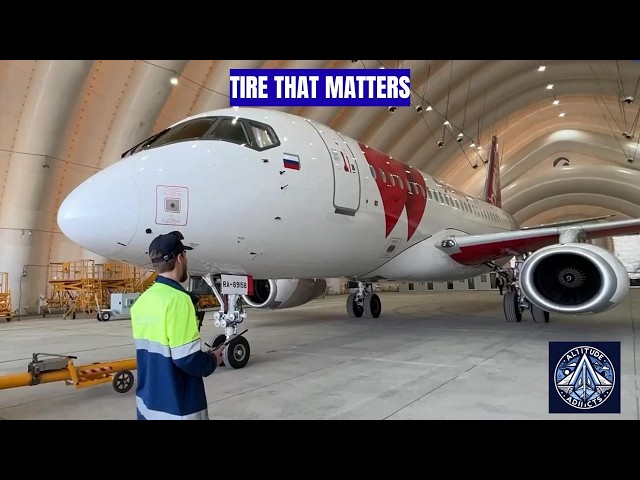
ASHK, began producing prototype aviation
0:16
tires specifically designed for the nose
0:18
landing gear of the Sukcoy Superjet 100,
0:21
often called the SJ 100.
0:24
This step is significant not only for
0:26
the plant itself but also for the
0:28
broader aviation ecosystem because the
0:31
facility is moving toward becoming the
0:33
only domestic producer capable of
0:35
supplying the full range of tires for
0:38
this aircraft type. Altitude addicts the
0:41
YouTube channel presenting this story
0:43
highlights how such developments reflect
0:45
deeper industrial transformation.
0:49
The initiative forms part of a national
0:51
effort aimed at import substitution
0:54
intended to strengthen technological
0:56
sovereignty in aircraft manufacturing
0:58
and reduce reliance on foreign
1:00
components in the current geopolitical
1:03
environment. Projects like this are
1:06
considered essential for maintaining
1:07
long-term operational independence and
1:10
ensuring continuity of aircraft
1:16
Looking at the scope of the project, the
1:19
new production effort focuses on
1:21
creating prototype tires tailored for
1:23
the nose landing gear of the Superjet
1:25
100, a key regional passenger aircraft.
1:29
Landing gear tires are missionritical
1:32
components because they directly affect
1:34
safety during takeoff, landing, and
1:36
ground maneuvering while enduring heavy
1:39
loads and demanding operating
1:44
program includes extensive modernization
1:47
of manufacturing facilities,
1:49
introduction of advanced production
1:51
methods, and implementation of rigorous
1:53
testing procedures to meet strict
1:57
Altitude Addicts notes that building
1:59
such capabilities domestically allows
2:02
regulators and manufacturers to maintain
2:04
tighter quality control.
2:09
From a strategic perspective,
2:10
strengthening technological autonomy in
2:13
sectors like aerospace has been a core
2:15
objective of industrial policy,
2:18
especially since aircraft programs
2:19
historically relied on imported parts,
2:22
including specialized tires. Developing
2:25
local production reduces risks linked to
2:27
supply disruptions, currency
2:29
fluctuations, and export limitations.
2:34
Local manufacturing can also lower
2:37
maintenance costs, shorten supply
2:39
chains, and improve logistical
2:41
efficiency for airlines operating the
2:43
Superjet fleet. This contributes to
2:46
long-term sustainability and resilience
2:48
of aircraft operations.
2:51
Considering the background of the Altai
2:53
Tire plant located in the city of
2:55
Barnal, the facility has long been a
2:58
notable participant in Russia's tire
3:00
industry. Although it experienced
3:02
significant challenges in the late
3:04
2010s, including financial restructuring
3:07
and temporary production stoppages,
3:11
recent investments and supportive
3:13
industrial initiatives have helped
3:14
revive operations and restore production
3:20
By 2025, the plant had completed a full
3:23
cycle of research, development, and
3:25
qualification, obtaining certification
3:28
for aviation tires used on the main
3:31
landing gear of the Superjet 100. The
3:34
current effort to produce nose gear
3:36
tires builds upon that foundation and
3:38
expands its role within the aviation
3:45
A major aspect of the project has been
3:47
comprehensive modernization of
3:49
production lines, including installation
3:51
of a hydraulic press and sector mold,
3:54
enabling advanced vulcanization
3:56
processes for precise shaping and curing
4:01
These upgrades help ensure consistent
4:03
structural integrity and performance
4:05
under demanding conditions.
4:08
Specialized assembly lines for bead ring
4:10
manufacturing have also been introduced
4:13
since bead rings are critical structural
4:15
elements that secure the tire to the
4:20
Commissioning and calibration activities
4:23
are currently bringing this equipment
4:25
into full operational readiness.
4:28
Understanding what makes aviation tires
4:30
unique is essential because unlike
4:33
automotive tires, they must withstand
4:35
intense mechanical loads, rapid
4:37
acceleration, and high temperatures
4:39
generated during landing and braking.
4:42
Aircraft can touch down at speeds
4:47
which is about 124 mph, creating
4:51
enormous impact forces.
4:54
Nose landing gear tires carry additional
4:56
responsibilities including maintaining
4:58
directional stability and enabling
5:01
precise steering during taxi operations.
5:04
Their design therefore requires a
5:06
careful balance between durability,
5:09
responsiveness, and resistance to wear.
5:12
Producing such components demands
5:14
specialized materials, exact engineering
5:16
tolerances, and rigorous testing regimes
5:19
to ensure reliability under realorld
5:21
operating environments.
5:24
Altitude Addicts emphasizes that even
5:26
small deviations in manufacturing can
5:29
have significant consequences in
5:32
The start of domestic production
5:34
represents a broader movement toward
5:36
greater technological self-reliance in
5:38
critical systems, reflecting a
5:40
structural shift rather than a single
5:43
isolated achievement.
5:45
Certification milestones reached in
5:47
recent years demonstrate the ability of
5:50
domestic manufacturers to meet stringent
5:52
performance and safety benchmarks.
5:55
With nose gear tire production underway,
5:58
the plan is moving closer to providing a
6:01
complete range of landing gear tires for
6:03
the aircraft, strengthening national
6:05
capability to support and maintain its
6:10
Knowledge gained through this effort may
6:12
also benefit future aircraft programs.
6:16
Beyond technical considerations, the
6:18
project carries important economic
6:20
implications by supporting regional
6:22
industry, creating skilled employment,
6:25
and encouraging collaboration between
6:27
research institutions and manufacturing
6:31
Such initiatives help build a more
6:33
resilient industrial ecosystem.
6:36
Domestic production of key aviation
6:38
components keeps economic value within
6:41
the country and reduces exposure to
6:43
global supply chain volatility. While
6:45
reinforcing the importance of
6:47
maintaining diversified manufacturing
6:51
Altitude Addicts observes that this
6:53
strengthens long-term industrial
6:57
Looking ahead, prototype production will
6:59
be followed by extensive testing,
7:01
validation, and refinement before moving
7:04
toward full-scale serial manufacturing
7:06
capable of supporting the operational
7:09
fleet. There is also potential for
7:12
expanding production to other aircraft
7:14
types or future export opportunities
7:17
depending on demand and certification
7:21
In conclusion, the launch of prototype
7:23
tire production for the nose landing
7:25
gear of the Sukcoy Superjet 100 at the
7:28
Alt Thai tire plant marks a meaningful
7:31
step forward in strengthening the
7:32
aviation manufacturing base. By
7:35
advancing domestic capabilities, the
7:38
initiative enhances technological
7:40
independence, supports operational
7:42
reliability, and opens new avenues for
7:44
innovation, a progression that Altitude
7:47
Addicts continues to follow as part of
7:49
the evolving aerospace landscape.
7:54
If you like the video, please subscribe,
7:57
share, and like. Also, please take the
8:00
membership of Altitude Addicts to