Up next in 10

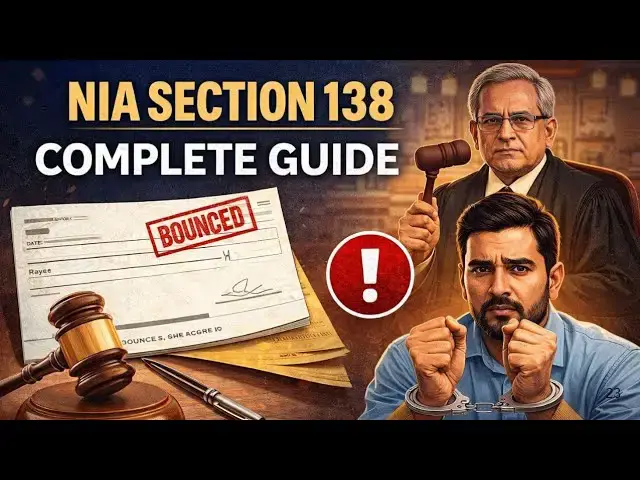
Negotiable Instruments Act Section 138: Cheque Bounce Legal Guide! #law #education #news
Jan 2, 2026

Section 138 of the Negotiable Instruments Act (NI Act) makes the dishonour of a cheque (due to insufficient funds, etc.) a criminal offence, punishable by imprisonment up to 2 years, a fine up to double the cheque amount, or both, aiming to restore trust in banking transactions; the procedure involves a bounced cheque, a mandatory written demand notice (within 30 days of dishonour), and if the drawer fails to pay within 15 days of notice, the payee can file a criminal complaint within 30 days of the notice period's end.
What is NIA 138?
NIA 138 refers to Section 138 of the Negotiable Instruments Act, 1881 (India).
It deals with the dishonour of a cheque issued for a debt or liability, specifically when it bounces due to insufficient funds or account closure.
Procedures involved:
Cheque Presentation & Return: The payee presents the cheque, and the bank returns it unpaid (dishonoured).
Demand Notice: The payee must send a written demand notice to the drawer within 30 days of receiving bank information about the dishonour.
Payment Window: The drawer has 15 days from receiving the notice to make the payment.
Criminal Complaint: If the drawer fails to pay within those 15 days, a criminal complaint can be filed by the payee in a Magistrate's court within 30 days of the notice period expiring.
Why is it criminal in nature?
Show More Show Less View Video Transcript
0:00
तो भाई साहब आप सभी का बहुत-बहुत स्वागत
0:02
और आज एक बहुत ही इंपॉर्टेंट सब्जेक्ट है
0:06
वो है सेक्शन 138 नेगोशिएबल
0:08
इंस्ट्रूमेंट्स एक्ट का यानी कि आप जानते
0:10
हैं चेक बाउंस की बात यहां पे हो रही है।
0:12
सो बहुत सारी क्वेरीज ऐसी होती हैं कि चेक
0:15
बाउंस एग्जैक्टली है क्या? लीगली किसको
0:17
चेक बाउंस कहेंगे? उसका लीगल नोटिस का
0:20
क्या प्रोटोकॉल्स है? प्रोसीजर्स है? उसके
0:24
बाद क्या प्रोसीजर्स हैं? सो आज ये सारी
0:26
चीजें कवर करेंगे। व्हाट द हेल इज सेक्शन
0:29
138 ऑफ द नेगोशिएबल इंस्ट्रूमेंट्स एक्ट।
0:32
बिना वक्त की बर्बादी के शुरू करते हैं।
0:40
सी एक बेसिक बात है आज के टाइम में चाहे
0:43
बिनेस हो, पर्सनल ट्रांजैक्शन हो सिर्फ यू
0:46
नो चेक सिर्फ एक कागज का टुकड़ा तो होता
0:48
नहीं है। चेक एक टाइप का ट्रस्ट है,
0:51
कमिटमेंट है। पेमेंट इंश्योरेंस होता है।
0:55
एंड एज दे कॉल इट, मनी इज़ अ सेंस ऑफ़
0:57
सीरियसनेस। तुम में तो वैसे भी नहीं है।
0:59
बट खैर लेकिन जब यह चेक बैंक में प्रेजेंट
1:04
करने पर बाउंस हो जाता है। मतलब कि आपने
1:07
चेक सबमिट करा, डिपॉजिट करा और फिर चेक
1:10
बाउंस हो गया। यानी कि अमाउंट सामने वाले
1:12
के उससे डेबिट हो के आपके इसमें क्रेडिट
1:15
नहीं हुई है। चेक बाउंस हो चुका है। तो
1:17
बात सिर्फ पैसों की नहीं रहती। यह
1:21
क्रिमिनल लायबिलिटी का मैटर बन जाता है।
1:23
इसीलिए आज हम बात करेंगे सेक्शन 138 के
1:26
नेगोशिएबल इंस्ट्रूमेंट्स एक्ट में जो 138
1:30
है 1881 के बारे में जो चेक बाउंस को
1:33
क्रिमिनल ऑफेंस बनाता है। ये भी एक बहुत
1:35
इंपॉर्टेंट चीज है कि ये क्रिमिनल ऑफेंस
1:38
क्यों है? अब इसमें हम क्या-क्या कवर करने
1:40
वाले हैं? भाई पहली बात तो चेक बाउंस कब
1:41
क्राइम बनता है? ये बहुत इंपॉर्टेंट है
1:43
समझना कि चेक बाउंस क्राइम कब बन जाता है?
1:46
लीगल नोटिस का क्या रोल होता है? प्रॉपर
1:48
प्रोसीजर क्या होते हैं? और चेक बाउंस
1:51
नोटिस कैसे वैलिड होता है? ये भी काफी
1:54
लोगों को पता नहीं है। मैंने बहुत सारे
1:55
एडवोकेट्स को सुना है। ऐसी भोंडी बातें
1:58
करते हैं। उन्हें खुद को नहीं मालूम कि
2:00
चेक बाउंस का नोटिस जो है वो वैलिड कब हो
2:02
जाएगा। ठीक है? तो पहले तो सेक्शन 138 को
2:05
बेसिक समझ लो। ठीक है? सेक्शन 138 कहता है
2:10
कि अगर कोई पर्सन चेक इशू करता है और वो
2:15
चेक इनसफिशिएंट फंड्स अकाउंट क्लोज्ड या
2:19
बैंक अरेंजमेंट एक्सीड होने की वजह से
2:22
बाउंस हो जाता है। किसकी वजह से?
2:23
इनसफिशिएंट फंड्स अकाउंट क्लोज्ड या बैंक
2:26
अरेंजमेंट एक्सीड होने की वजह से बाउंस हो
2:28
जाता है। तो वो पर्सनल क्रिमिनल ऑफेंस
2:31
कमिट करता है। लेकिन डायरेक्टली नहीं
2:36
वो पर्सन क्रिमिनल ऑफेंस कमिट कर रहा है।
2:39
पर्सनली क्रिमिनल ऑफेंस एक तरीके से कमिट
2:41
कर रहा है। डायरेक्टली नहीं कर रहा है। लॉ
2:43
एक फेयर अपॉर्चुनिटी देता है ड्रॉर को
2:46
पेमेंट करने का और इसीलिए लीगल नोटिस का
2:49
कांसेप्ट आता है। ठीक है? सुप्रीम कोर्ट
2:53
का एक बहुत इंपॉर्टेंट ऑब्जरवेशन है।
2:55
शक्ति ट्रैवल केस हुआ था 2002 में।
2:57
सुप्रीम कोर्ट ने शक्ति ट्रैवल एंड टूर्स
3:00
वर्सेस स्टेट ऑफ बिहार 2002 के जो केस है
3:03
उसमें क्लियरली बोला था आपसे कि सेक्शन
3:05
138 का बेस ही लीगल नोटिस है। कोर्ट ने
3:10
कहा प्रॉपर्ली सर्व लीगल नोटिस के बिना
3:13
सेक्शन 138 का कंप्लेंट मेंटेनेबल ही नहीं
3:16
है। और कई एडवोकेट्स हैं जो यह मिस कर
3:20
जाते हैं।
3:21
प्रॉपर सर्विस ऑफ लीगल नोटिस अगर नहीं
3:24
होगी तो 138 का कंप्लेंट मेंटनेबल है ही
3:26
नहीं। लीगल नोटिस सिर्फ फॉर्मेलिटी नहीं
3:29
है बल्कि स्टटरी सेफगार्ड है। यह ड्रर को
3:32
लास्ट चांस देता है पेमेंट करने का बिना
3:35
क्रिमिनल केस फेस किए। सिंपल
3:40
रिसेंट सुप्रीम कोर्ट का शिफ्ट था। एक यह
3:45
धन सिंह प्रभु का केस हुआ था 2025 में। तो
3:48
जो धन सिंह प्रभु वर्सेस चंद्रशेखर 2025
3:51
केस में सुप्रीम कोर्ट ने सेक्शन 138 और
3:54
141 एनआई एक्ट जो है एस्पेशली पार्टनरशिप
3:57
फर्म्स के चेक बाउंस केसेस। ठीक है? इसके
4:00
स्कोप को दोबारा एग्जामिन किया है। इस
4:03
जजमेंट ने पार्टनरशिप रिलेटेड लायबिलिटी
4:06
को और क्लियरली डिफाइन किया जो आने वाले
4:09
केसेस में काफी इंपैक्ट डालेगा।
4:12
चेक बाउंस नोटिस की बात करें। इसके लॉ
4:14
औरेंस की बात करें तो बहुत लोग यह सोचते
4:16
हैं कि चेक बाउंस हो गया मतलब केस हो
4:19
जाएगा। ठीक है? ऐसा नहीं होता। क्रिमिनल
4:23
लायबिलिटी तब बनती है जब चेक बाउंस हो और
4:25
ड्रर लीगल नोटिस के बाद भी पेमेंट ना करे।
4:28
मैं इसको रिपीट कर रहा हूं। चेक बाउंस हो
4:31
गया और ड्रर ने लीगल नोटिस के बाद भी
4:33
पेमेंट नहीं किया। तो सेक्शन 138 बी के
4:37
अकॉर्डिंग पेई को 30 दिन के अंदर लीगल
4:41
नोटिस भेजना होता है। यह 30 डे काउंट
4:44
होंगे बैंक से डिसऑनर इंफॉर्मेशन मिलने के
4:47
बाद तब ये लिमिटेशन वाली चीज घुस जाती है।
4:51
30 डे काउंट होंगे आपके बैंक से डिसऑनर
4:54
इंफॉर्मेशन मिलने के बाद शुरू होगा। नोटिस
4:57
में क्लियर डिमांड होनी चाहिए। चेक का
4:59
अमाउंट मेंशंड होना चाहिए। और 15 दिन का
5:02
टाइम दिया जाता है पेमेंट के लिए। अगर 15
5:05
दिन में पेमेंट नहीं होती मान लेते हैं।
5:08
ठीक है? किसी भी रीजन से 15 दिन में
5:09
पेमेंट नहीं हो रही है तब ऑफेंस कंप्लीट
5:13
माना जाता है। ये समझ में आया?
5:16
तो चेक आपने लीगल नोटिस दिया। चेक बाउंस
5:20
हुआ। लीगल नोटिस के बाद भी पेमेंट नहीं हो
5:23
रहा है। तब वो कंप्लीट माना जाता है। और
5:25
ये सारी टाइमलाइंस याद रखनी जरूरी है। ठीक
5:28
है? लीगल नोटिस की अगर बात करेंगे तो
5:31
सिविल से क्रिमिनल का ब्रिज है। लीगल
5:34
नोटिस सिविल ट्रांजैक्शन को क्रिमिनल
5:37
लायबिलिटी में कन्वर्ट करने का ब्रिज है।
5:39
इतना आप समझ लो। इसके बिना चाहे चेक कितना
5:44
भी जेन्युइन हो प्रोसीक्यूशन नहीं हो
5:47
सकता।
5:49
ठीक है? सुप्रीम कोर्ट ने शक्ति ट्रेवल
5:52
केस में बोला था कि नेगोशिएबल
5:54
इंस्ट्रूमेंट एक्ट नॉन पेमेंट को पनिश
5:56
नहीं करता बल्कि नोटिस के बाद विलफुल नॉन
6:00
पेमेंट को पनिश करता है। ये समझो इस बात
6:03
को समझना इसको इंटरप्रेट करना बहुत ज्यादा
6:06
जरूरी है।
6:08
एनआई एक्ट नॉन पेमेंट को पनिश करेगा ही
6:11
नहीं। बाप ने भाई नोटिस दिया नोटिस के बाद
6:14
भी विलफुल नॉन पेमेंट है उसको पनिश करता
6:16
है। तो एनआई एक्ट का जो चैप्टर है वो
6:21
क्यों आया? 1988 से पहले क्या था? चेक
6:24
बाउंड सिर्फ सिविल डिस्प्यूट था। रिकवरी
6:26
स्लो और बहुत इनफेक्टिव थी। इसके लिए
6:29
पार्लियामेंट ने बैंकिंग एंड नेगोशिएबल
6:31
इंस्ट्रूमेंट्स लॉज़ अमेंडमेंट एक्ट 1988
6:34
के थ्रू सेक्शन 138 से 142 इंट्रोड्यूस
6:36
किए। इसका पर्पस बहुत सिंपल था। चेक की
6:39
क्रेडिबिलिटी को बढ़ा देना, डेलीिबेरेट
6:41
डिफॉल्टर्स को डेटर करना, ऑनेस्ट
6:42
बिज़नेसमैन को प्रोटेक्शन देना। इतना बेसिक
6:45
फंडा इसका था।
6:48
अब चेक बाउंस नोटिस का पपस सिंपल वर्ड्स
6:52
में अगर मैं बोलूं आपको तो देखो चेक बाउंस
6:55
नोटिस तीन काम करता है। पहला तो ये कि वो
6:59
ड्रर को बताता है कि चेक बाउंस हो गया है।
7:02
सेकंड पेमेंट का भाई तुझे लास्ट एक लास्ट
7:05
चांस दे रहा है। ठीक है? और सेक्शन 138
7:09
कंप्लेंट फाइल करने का लीगल फाउंडेशन
7:12
बनाता है। सिंपल। पहले तो ड्रर को बताएगा
7:16
कि भाई चेक बाउंस हो गया। दूसरा पेमेंट का
7:18
लास्ट चांस देता है। और थर्ड सेक्शन 138
7:20
कंप्लेंट फाइल करने का लीगल फाउंडेशन
7:23
बनाता है। ओके? इसी बैलेंस की वजह से
7:26
स्ट्रिक्ट लॉज़ भी हैं और फेयर। ठीक है? ये
7:31
सिंपल सी बात है। तो चेक बाउंस क्राइम
7:33
क्यों बन जाता है? चेक एक रिटन लीगल
7:36
प्रॉमिस होता है कि अकाउंट में पैसा
7:38
अवेलेबल है। इसको प्लीज समझो। नहीं मतलब
7:41
तुम्हारे अकाउंट में नहीं है। तुम रोको तो
7:42
उसमें मैं कुछ नहीं कर सकता। ठीक है? दिल
7:45
पे मत लो। तो चेक क्या है? एक रिटन लीगल
7:48
प्रॉमिस होता है कि अकाउंट में पैसा
7:50
अवेलेबल है। जब चेक इनसफिशिएंट फंड्स की
7:54
वजह से बाउंस होता है, बिजनेस ट्रस्ट
7:57
टूटता है। बैंकिंग सिस्टम की क्रेडिबिलिटी
8:00
अफेक्ट होती है। सुप्रीम कोर्ट ने बोला कि
8:04
सेक्शन 138 का मेन एम है फाइनेंशियल
8:06
डिसिप्लिन।
8:09
तो, यह सब तो इंपैक्ट हो जाएगा। क्यों?
8:12
क्योंकि जब चेक इनसफिशिएंट फंड की वजह से
8:14
बाउंस हो जा रहा है तो क्या हो रहा है? जो
8:15
आपका एक बिज़नेस ट्रस्ट है एक तो पहली बात
8:17
ये है कि तुम फक्कड़ हो। दूसरा कि बिज़नेस
8:20
ट्रस्ट इंपैक्ट हो गया। बैंकिंग सिस्टम की
8:22
क्रेडिबिलिटी इंपैक्ट हो गई। ठीक है? यहां
8:24
पे मैं एक मोदी सीमेंट मोदी सीमेंट केस था
8:28
कुछ आई थिंक 98 या 99 का कुछ केस था। तो
8:31
मोदी सीमेंट्स लिमिटेड वर्सेस आई थिंक
8:34
कुचिल कुमार समथिंग उसमें सुप्रीम कोर्ट
8:37
ने क्लियरली बोला था मुझे याद है कि चेक
8:40
इशू होने का मतलब ही है लीगली एनफोर्सिएबल
8:44
डे एकिस्ट करता है
8:47
बाद में पेमेंट स्टॉप कर देना या
8:49
एक्सक्यूज देना ये क्रिमिनल लायबिलिटी से
8:52
बचने का ऑप्शन नहीं है ये बहुत सिंपल चीज
8:55
है। ठीक है? तो चेक बाउंस नोटिस का चेक
8:59
बाउंस नोटिस कब वैलिड माना जाता है? यह
9:01
इसके लिए बहुत जरूरी है समझना। लीगल नोटिस
9:04
ड्राफ्टिंग सबसे क्रिटिकल स्टेप है। अगर
9:07
नोटिस में मिस्टेक हुई पूरा केस फेल हो
9:10
सकता है। ठीक है? तो सेक्शन 138 के
9:15
मैंडेटरी कंडीशंस ये है कि ऑफेंस तब ही
9:18
बनता है जब चेक किसी डे या लायबिलिटी के
9:21
डिस्चार्ज के लिए दिया गया हो। चेक बाउंस
9:24
हो। यानी इनसफिशिएंट फंड है या अकाउंट
9:26
क्लोज या जो हमने बोला था पेई 30 दिन के
9:29
अंदर नोटिस भेजें और ड्रॉर 15 दिन में
9:31
पेमेंट ना करे नोटिस ही लीगल ट्रिगर है
9:34
यहां पे सिंपल सी बात है तो चेक बाउंस के
9:37
चेक बाउंस नोटिस के जो की कॉम्पोनेंट्स है
9:39
ये समझ लो आप एडवोकेट हो तो बहुत ज्यादा
9:42
जरूरी है समझना नोटिस में क्लियर होना
9:44
चाहिए पार्टीज के डिटेल क्या ड्रर का क्या
9:47
नाम है एड्रेस क्या है पेई या होल्डर का
9:49
क्या नाम है उसका क्या एड्रेस है चेक के
9:51
डिटेल्स यानी चेक नंबर डेट बैंक बैंक
9:54
ब्रांच अमाउंट वर्ड्स में और फिगर दोनों
9:58
में प्रेजेंटेशन एंड डिसऑनर भी होना जरूरी
10:01
है कि चेक कब प्रेजेंट हुआ? कब रिटर्न
10:04
हुआ? बैंक मेमो एंड रीज़ क्या है? नेचर ऑफ
10:07
लायबिलिटी मेंशन करो। किस डे या ऑब्लिगेशन
10:10
के लिए चेक दिया गया?
10:13
लीगल डिमांड उसकी करो। क्लियर डिमांड करो
10:16
एग्जैक्ट चेक अमाउंट की। 15 दिन का टाइम
10:19
है। ठीक है? मोड ऑफ सर्विस रजिस्टर्ड
10:22
पोस्ट यानी कि अपन उसको रजिस्टर्ड पोस्ट
10:25
आरपीएडी भी बोलते हैं कई लोग ठीक है स्पीड
10:28
पोस्ट करो कोरियर करो ईमेल करो सपोर्टिंग
10:31
प्रूफ के साथ आता है भाई ऐसा रैंडम नहीं
10:34
सिग्नेचर और डेट भाई पे या एडवोकेट का
10:36
सिग्नेचर लगता है एडवोकेट के थ्रू भेजा
10:38
गया नोटिस फुल्ली वैलिड होता है यह भी समझ
10:41
लो अब सबसे कॉमन मिस्टेक क्या होती है मैं
10:44
आप लोग को वो क्लियरली बताता हूं गलत
10:45
अमाउंट डिमांड करना है बहुत कॉमन एरर है
10:49
चेक अमाउंट के अलावा अलावा इंटरेस्ट
10:52
पेनल्टी या एक्स्ट्रा चार्ज ऐड कर देना।
10:56
ठीक है? लॉ कहता है डिमांड सिर्फ चेक
10:59
अमाउंट का होना चाहिए। ठीक है? डिमांड
11:01
सिर्फ चेक अमाउंट का होना चाहिए। इसमें
11:05
सुमन सेठी का केस था 2000 का। सुप्रीम
11:07
कोर्ट ने क्लेरिफाई किया था। अगर चेक
11:09
अमाउंट अलग क्लियरली मेंशंड हो। ठीक है?
11:13
और इंटरेस्ट सेपरेटली इंडिकेटेड हो तो
11:16
नोटिस इनवैलिड नहीं होता। ठीक है? अब
11:20
नोटिस का तो चलो सारा हो गया। अब नोटिस के
11:22
बाद क्या होना है? 15 दिन का पेमेंट विंडो
11:25
है। अगर ड्रर पेमेंट कर देता है केस में
11:28
ही खत्म। लॉ का पर्पस क्या है? रिकवरी।
11:31
पनिशमेंट नहीं है। रिकवरी है। कॉज ऑफ़
11:34
एक्शन कब बनता है? 15 दिन कंप्लीट होने के
11:37
बाद 16th डे से कॉज ऑफ एक्शन अराइज हो
11:40
जाएगा। पेई के पास एक मंथ होता है
11:42
कंप्लेंट फाइल करने का। उसके बाद में
11:44
जुरिसडिक्शन की अगर बात करें तो केस फाइल
11:46
कहां होगा? कहीं टट्ट होगा को नहीं मालूम
11:48
है।
11:49
दशरथ रूप सिंह राठौड़ का केस उठा के पढ़ो।
11:53
2014 का केस था उठाकर पढ़ो। उसके बाद और
11:56
2015 अमेंडमेंट के बाद क्लियर है केस वहीं
12:00
फाइल होगा जहां पे का बैंक अकाउंट है। पेई
12:03
का बैंक अकाउंट है। पेयर का नहीं यहां या
12:06
जहां पे चेक प्रेजेंट हुआ। तो जहां पे का
12:09
बैंक अकाउंट है या जहां चेक प्रेजेंट हुआ।
12:12
अब अगर मैं इसके ट्रायल प्रोसीजर्स की बात
12:15
करूं। वाह फास्ट ट्रैक सिस्टम है। सेक्शन
12:17
143 जो है एनआई एक्ट का
12:21
चेक बाउंस केस समरी ट्रायल होते हैं। आई
12:25
रिपीट चेक बाउंस केसेस समरी ट्रायल होते
12:27
हैं। इंडियन बैंक एसोसिएशन के हिस्सा था
12:31
2014 में सुप्रीम कोर्ट ने गाइडलाइंस दी
12:34
थी कि भाई डे टू डे हियरिंग एफिडेविट
12:36
एविडेंस क्लियर और अर्ली सेटलमेंट एनकरेज
12:40
करना। यह क्लियरली बोला था। सेटलमेंट और
12:43
कंपाउंडिंग की अगर इसमें मैं बात करूं इसी
12:45
से कनेक्ट करते हुए तो सेक्शन 138 ऑफेंस
12:48
कंपाउंडेबल है।
12:52
मीटर्स एंड इंस्ट्रूमेंट्स वर्सेस आई थिंक
12:55
कंचन मेहता था 2018 में। सुप्रीम कोर्ट ने
12:57
तब बोला था लॉ का ऑब्जेक्टिव कंपनसेशन है।
13:00
जेल नहीं है।
13:02
सेटलमेंट किसी भी स्टेज पर हो सकता है।
13:05
अगर पेमेंट नहीं हुई तो सजा क्या मिलेगी
13:08
भाई? नहीं तो कन्विक्शन के बाद दो साल तक
13:10
की सजा है या चेक अमाउंट का डबल फाइन है
13:13
या दोनों भी हो सकता है। आपको जेल भी हो
13:15
सकती है। पेनल्टी भी इतनी भारी पड़ सकती
13:16
है। सिंपल एस दैट कोर्ट कंपनसेशन ऑर्डर भी
13:21
दे सकती है। ठीक है? सेक्शन
13:25
आई थिंक 395 इफ आई एम नॉट रोंग ऑफ नागरिक
13:29
सुरक्षा सही था अपना डीएनएसएस उस 2023 के
13:33
अंडर में ये हो सकता है। अब इसमें कुछ
13:34
एफएक्यूस हैं। भाई आप लोग ने कुछ सवाल
13:38
इसके रिगार्डिंग मुझे पूछे थे तो मैं आंसर
13:40
करता हूं तो कि 30 दिन के बाद नोटिस भेजा
13:42
तो मतलब जो 30 दिन का टाइम है तो भाई सीधी
13:44
बात है केस टाइम बाहर हो जाएगा। टाइम बाढ़
13:47
होता है ना लिमिटेशन होता है हर चीज का
13:48
लिमिटेशन पीरियड लगता है। लेकिन चेक वैलिड
13:51
है तो रिप्रेजेंट कर सकते हो। उसको
13:54
रिप्रेजेंट आप कर सकते हो। अच्छा एक और ये
13:57
पूछा था कि ईमेल या WhatsApp से नोटिस भेज
13:59
सकते हैं क्या? हां कोर्ट्स अलऊ करते हैं
14:01
भाई। लेकिन रजिस्टर्ड या स्पीड पोस्ट या
14:04
रजिस्टर्ड पोस्ट जो है वो सेफेस्ट है। ठीक
14:06
है? फिर एक सवाल और है कि ड्रर नोटिस
14:09
रिफ्यूज कर दे तो
14:11
रिफ्यूजल इज इक्वल टू डीम्ड सर्विस। सिंपल
14:15
सी बात है। केस प्रोसीड करेगा। आपने नहीं
14:16
लिया कोई फर्क नहीं होता। केस तो प्रोसीड
14:18
करेगा। चेक बाउंस की पनिशमेंट क्या है? तो
14:21
2 साल की जेल है। डबल फाइन है या दोनों हो
14:23
सकता है। अच्छा कंप्लेंट फाइल करने का
14:25
टाइम तो भाई हमने अभी बताया था। 15 दिन के
14:27
बाद है एक महीने के अंदर। ठीक है? मतलब जब
14:30
वह टाइम निकल जाए 15 फिर एक महीने के अंदर
14:33
तो चेक बाउंड सिर्फ पैसों का इशू नहीं है
14:36
मेरे भाई यह ट्रस्ट क्रेडिबिलिटी और
14:38
फाइनेंसियल डिसिप्लिन का भी इशू है तो
14:39
सेक्शन 138 नेगोशिएबल इंस्ट्रूमेंट्स एक्ट
14:42
ऑनेस्ट पेई को प्रोटेक्ट करता है और
14:44
विलफुल डिफॉल्ट इसको पनिश करता है लेकिन
14:47
प्रॉपर नोटिस करेक्ट प्रोसीजर एक्यूरेट
14:50
ड्राफ्टिंग ये तीन चीजें केस जीतने का
14:53
फाउंडेशन होती है तो अगर आप बडिंग लॉयर हो
14:55
एडवोकेट हो या अगर आपके साथ यह हुआ है वो
14:59
प्लीज इन चीजों का बहुत-बहुत ध्यान रखना
15:02
और अगर आप चाहते हो कि ऐसे ही सब्जेक्ट्स
15:04
में आपकी एक्सपर्टीज बने तो जाके कमर्शियन
15:06
की वेबसाइट चेक करो। हमने इन्हीं
15:08
सब्जेक्ट्स को लेकर फॉर द फर्स्ट टाइम इन
15:11
इंडिया वन ऑफ़ अ काइंड कोर्सेस हमने डिज़
15:13
करे हैं आप ही लोगों के लिए। भाई उसमें
15:16
आपको अ मिनी कोर्सर्सेस भी मिलेंगे, फुल
15:19
कोर्सर्सेस भी मिलेंगे, डिप्लोमाज़ भी
15:20
मिलेंगे। ओके? ऑब्वियसली उसके पैसे हैं और
15:24
अगर तुमने हमें फी पे की चेक में और अगर
15:26
वह बाउंस हुआ तो तुम्हारा क्या होना है
15:28
तुम जानते हो। ठीक है? चलो भागो और यह
15:31
वीडियो के साथ शेयर करो जिसे जानने की
15:33
सख्त जरूरत है। टेक केयर। हैव अ गुड डे
15:35
एंड स्टे ट्यून विसलजिकल।
#Legal Services