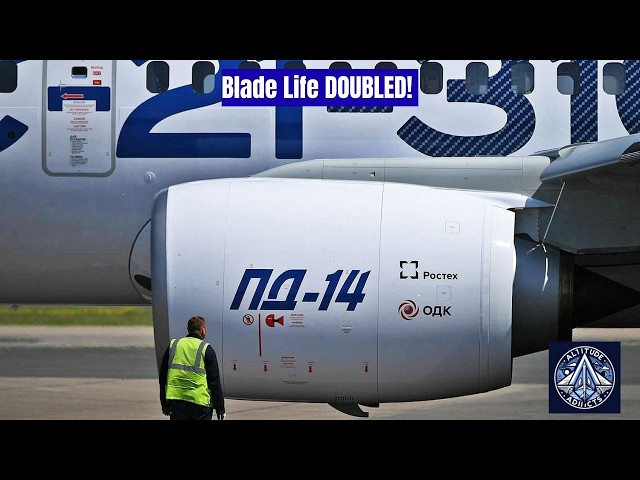

How Nano-Coatings Are Transforming the MC-21’s PD-14 Engine
Feb 26, 2026

Russia’s aviation manufacturing sector has taken a major technological leap with the introduction of nanostructured multilayer coatings for aircraft engine compressor blades. At the center of this advancement is the modernization effort supporting the PD-14, the flagship powerplant developed by Aviadvigatel and manufactured by United Engine Corporation.
This innovation was implemented at the Naro-Fominsk Machine-Building Plant using quadrupole ion-plasma magnetron sputtering technology on the domestically developed UNIP-900MS vacuum system. The result? A nine-layer nanostructured coating that more than doubles resistance to wear, corrosion, and surface degradation compared to traditional protective methods.
Compressor blades are among the most heavily stressed components in a gas turbine engine. They endure high rotational speeds, intense air pressure, and extreme temperatures. Even minor surface instability can reduce efficiency, increase fuel consumption, and shorten maintenance intervals. By strengthening blade surfaces at the microscopic level, this new coating significantly extends operational life and reduces micro-damage risks from dust, moisture, and harsh environmental conditions.
The PD-14 engine, designed to power the Irkut MC-21, represents Russia’s effort to modernize its civil aviation sector. Generating approximately fourteen tons of thrust with advanced high-bypass architecture and composite materials, the engine competes in the same class as Western powerplants like the Pratt & Whitney PW1000G.
Beyond coatings, the plant is integrating additive manufacturing for blade templates, robotic finishing systems, and machine vision for nondestructive inspection. A proprietary ERP digital management system now oversees the entire lifecycle of each component, from raw blank to final warehouse acceptance.
This combination of nanotechnology, additive production, automation, and digital process control marks a systemic transformation rather than a single innovation. For airlines, longer blade lifespan translates directly into extended maintenance intervals, lower operational costs, and improved fleet availability.
As the PD-14 program advances, these upgrades strengthen the technological base not only for compressor components but potentially for other high-temperature engine parts. The move demonstrates how materials science, plasma physics, and digital manufacturing can converge to redefine aerospace reliability in the modern era.
#PD14 #MC21 #RussianAviation #JetEngine #AerospaceEngineering #Nanotechnology #MagnetronSputtering #CivilAviation #EngineTechnology #AviationNews
Show More Show Less