
Odysseus vs. Palamedes: The Ultimate Mythic Betrayal
Feb 15, 2026
The story of Odysseus’ revenge on Palamedes is a dark masterclass in psychological warfare and political framing that reveals the "Architecture of Betrayal" inherent in the Trojan Cycle.
This lethal rivalry began in Ithaca, where Palamedes unmasked Odysseus' attempt at malingering - feigning madness by sowing salt with an ox and a donkey yoked to a plow - by placing the infant Telemachus in the plow’s path.
Forced into the war he sought to avoid, Odysseus harbored a resentment that would culminate in the "social construction of treason" at Troy.
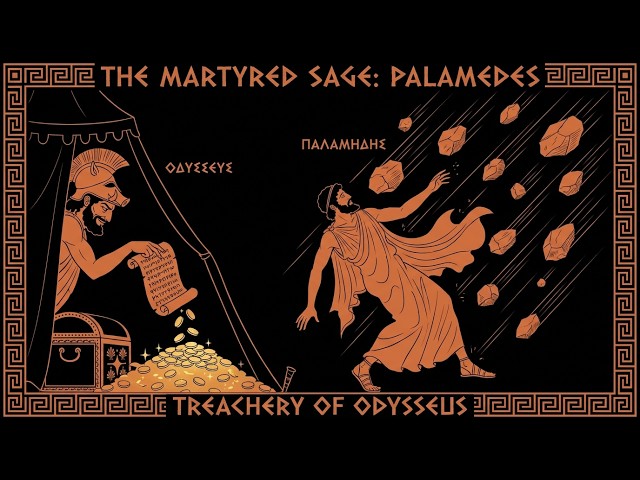
Odysseus’ plot turned Palamedes’ own invention - the written word - against him by forcing a Phrygian prisoner to forge a treasonous letter from King Priam.
After planting Trojan gold beneath Palamedes’ mattress and arranging for the discovery of the letter on the murdered prisoner's body, Odysseus secured a conviction of high treason.
Palamedes, the "martyred sage" who invented the alphabet, numbers, and board games to sustain the Greek morale, was executed by communal stoning - a ritualized death intended to share the moral burden across the entire Achaean host.
His final lament, "Truth has perished," underscores the subversion of civilizing wisdom by deceptive mētis.
The fallout was catastrophic:
Palamedes’ father, Nauplius, exacted a "Wrecker’s Vengeance" by inducing the wives of Greek leaders like Clytaemnestra to commit adultery and using false beacon fires at Cape Caphareus to wreck the returning Greek fleet.
This narrative remains one of the most profound "anti-heroic" tales, explaining why Homer may have suppressed Palamedes' name entirely to preserve Odysseus’ heroic standing.
Show More Show Less