Up next in 10

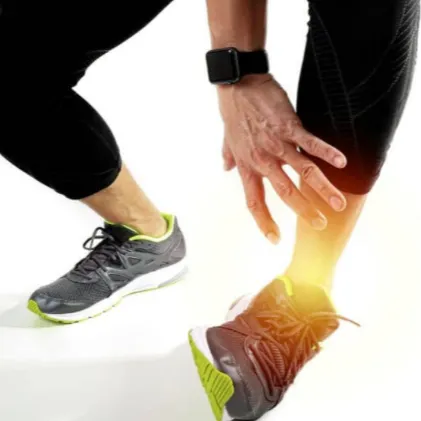
There are numerous causes of lateral column pain and the exact cause is difficult to diagnose without proper medical attention.
Read the full article at https://www.foot-pain-explained.com/lateral_column_pain.html
@marcbarry1000
Show More Show Less View Video Transcript
0:00
what is lateral column pain pain on the
0:03
outside of the foot commonly known as
0:05
lateral column pain in the medical
0:07
community is a fairly common
0:10
occurrence this is usually a result of
0:12
some sort of twisting injury to the foot
0:14
or an injury such as a sprained ankle
0:17
lateral column pain can range from a
0:20
dull pain that is only noticeable doing
0:22
certain tasks all the way up to constant
0:24
pain that is present regardless of one's
0:27
activity accordingly the effect area may
0:30
appear perfectly normal all the way to
0:33
severe swelling redness and
0:35
bruising causes of lateral column pain
0:39
narrow shoes without a history of trauma
0:41
but with an onset of lateral column pain
0:44
the first thing that needs to be
0:45
examined is the shoe s that you are
0:48
wearing fifth metatarsal base pain for
0:51
those with a very wide flare a shoe that
0:54
is too narrow in that part of the foot
0:56
will put excessive pressure on what is
0:57
known as the fifth metatarsal base and
1:00
in many cases will lead to pain peronal
1:03
tendinitis not only can the base of the
1:05
fifth metatarsal be aggravated but the
1:07
peronal tendons can also be
1:09
irritated the Peron longus tendon and
1:12
the peronal brevis tendon both originate
1:15
on the outside of the lower leg the
1:18
tendon of each muscle travels down the
1:20
outside of the ankle and then across the
1:22
outside of the foot the Peron brevis
1:25
tendon attaches into the top of the
1:27
fifth metatarsal base the per new's
1:30
longest tendon follows a more precarious
1:32
course at the level between the fifth
1:35
metatarsal base and the cuboid bone just
1:38
behind the fifth metatarsal base the
1:40
peron's longest tendon cuts under the
1:42
foot and travels all the way to the
1:44
first metatarsal bone the point here is
1:47
that both tendons are prone to excessive
1:49
pressure that may be brought about by
1:51
shoe styles that are too narrow in this
1:53
part of the foot OS Peron num poor
1:57
Footwear can also be the precipitating
1:59
factor in a painful OS
2:01
Peron the OS Peron is an accessory extra
2:05
bone that some but not all people
2:07
exhibit this is a small bone that is
2:10
located within the tendon of the peron's
2:12
longest tendon at the level of the
2:14
cuboid again because this small bone
2:17
happens to be on the outside of the foot
2:20
any shoe that is too narrow or not very
2:22
supportive will have a tendency to
2:24
irritate this bone so for most people
2:27
just changing the type of shoes that you
2:30
wear may go a long way in reducing
2:31
lateral column pain with no history of
2:35
actual trauma to the foot this would be
2:37
the first thing to do in an effort to
2:39
alleviate your foot pain foot trauma in
2:43
instances of trauma to the foot or ankle
2:45
the stakes become a little higher in
2:48
trauma there is usually more damage to
2:51
the outside of the foot than would be
2:52
found in situations where the shoes are
2:54
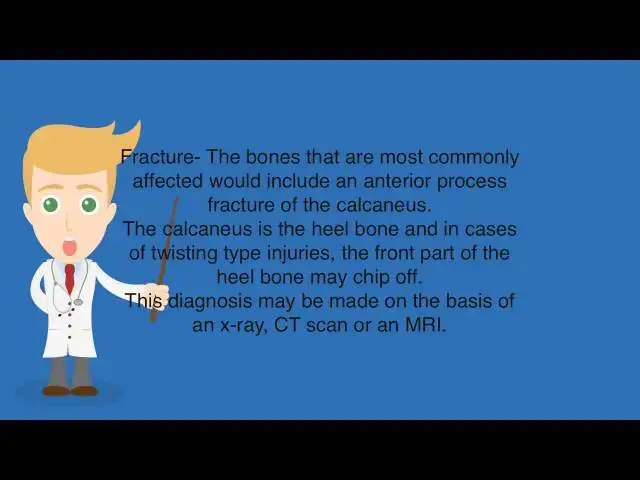
too narrow fracture the bones that are
2:58
most commonly affected would include an
3:00
anterior process fracture of the
3:03
calanus the calcinus is the heel bone
3:05
and in cases of twisting type injuries
3:08
the front part of the heel bone May chip
3:10
off this diagnosis may be made on the
3:13
basis of an x-ray CT scan or an MRI the
3:17
fifth metatarsal base is also a very
3:20
common site for a fracture particularly
3:22
in lateral ankle
3:24
Springs again because of the way the
3:26
bone protrudes excessive pressure from
3:29
trono Will the base to fracture the bone
3:32
in front of the calanus otherwise known
3:35
as the cuboid may also fracture most
3:38
cuboid fractures as the result of a
3:40
twisting foot injury or ankle sprain
3:42
tend to be very small and may not be
3:44
picked up on an X-ray a c skin or MRI
3:48
may be a better
3:49
alternative sux cuboid another problem
3:52
involving the cuboid bone in cases of
3:55
trauma is what is known as cuboid
3:57
syndrome this is actually a subluxation
4:01
dislocation of the cuboid bone many
4:04
times the movement is so small that it
4:06
is missed on all diagnostic tests and
4:08
the diagnosis is usually made on
4:10
clinical
4:11
presentation this is a diagnosis that
4:14
most non-f foot Specialists will miss
4:17
tendon tier lastly in cases of trauma we
4:20
need to be concerned about a tier to
4:22
either the Peron long tendon or Peron
4:24
brevis tendon in ader to the Peron
4:28
longest tendon we also need to to be
4:30
concerned about the OS Peron bone this
4:33
bone may also fracture or depending on
4:35
the type of tear to the peron's longest
4:37
tendon May Migrate move and thus become
4:40
a constant source of pain tendon tears
4:44
are best identified with an MRI
4:47
treatment of lateral column pain
4:49
treatment for most of these traumatic
4:51
conditions of lateral column pain may be
4:54
treated with
4:56
immobilization physical therapy or oral
5:00
anti-inflammatory
5:01
medication cortisone
5:04
injections eliminating the offending
5:06
shoe is
5:07
mandatory in some recalcitrant cases
5:10
surgery may be
5:11
indicated read the complete article at
5:16
www.f t-p a i n- x p l a i n d.com l a t
5:23
r a lcore c o l u m ncore p a i n HTML
#Pain Management
#Injury