Up next in 10

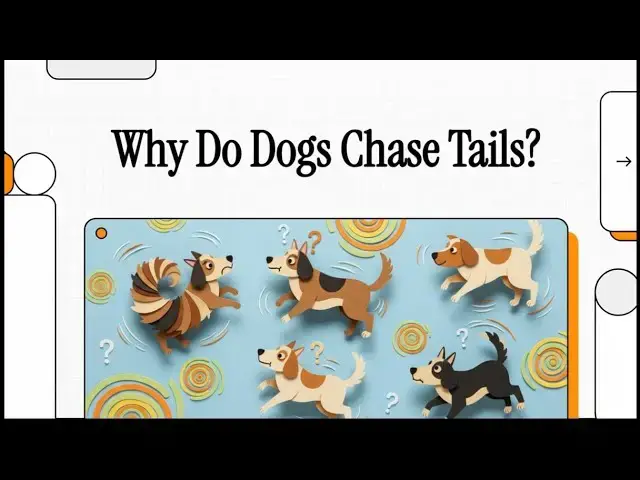
Why Do Dogs Chase Their Own Tail?
Nov 27, 2025
Dogs, those lovable furballs, often entertain us with their quirky behaviors.
One such act that captivates both pet owners and onlookers alike is the age-old phenomenon of tail chasing.
In the rhythmic dance of a dog chasing its own tail lies a mystery that goes beyond mere playfulness.
This exploration aims to decode the enigma of why dogs chase their tails.
🔎 Read the full article at Doggozila Magazine on the link below: 👇
🔗 https://doggozila.com/why-do-dogs-chase-their-tail/
👆📺 👀
#dogbehavior #dogchasehistail #dogtail #funnydog #funnydogsvideos #doglife
Show More Show Less View Video Transcript
0:00
You've seen it, right? A dog just
0:02
spinning and spinning, totally locked in
0:04
this dizzying fight with its own tail.
0:07
It's one of those classic funny things
0:08
dogs do. But it's also, you know, a bit
0:11
of a mystery. So, let's get into it and
0:13
figure out what's really going on with
0:15
this whole whirling enigma. It really is
0:18
the million-doll question for dog
0:19
owners, isn't it? Is it just them being
0:21
goofy? Is it some kind of ancient
0:23
instinct kicking in? Or could it be
0:25
something more? Let's find out what's
0:27
actually happening in their brains when
0:29
they decide to go for a spin. So, is
0:32
this just your dog having a silly
0:33
moment? Or is there more to it, like a
0:35
secret ritual or maybe even a weird way
0:37
of asking for help? Well, the answer, as
0:39
it turns out, is kind of all of the
0:41
above. First things first, let's talk
0:44
about the most common and honestly the
0:46
most fun reason for this dizzy little
0:48
dance. We're calling this part the
0:50
whimsical whirl because a lot of the
0:52
time it's really just about having a
0:54
good time. You know, sometimes the
0:56
simplest answer is the right one.
0:59
Picture this. Your dog's got all this
1:01
pent-up energy, but there's nothing to
1:03
do. Suddenly, that tail becomes the
1:05
perfect built-in toy. It moves. It's
1:07
unpredictable. It's basically an instant
1:10
self-entertaining thrill ride. But this
1:13
whole behavior usually gets its start
1:15
way back in the puppy days. And for a
1:17
little pup, chasing their tail isn't
1:19
just a game. It's a super important part
1:21
of growing up. Let's look at the puppy
1:23
playbook. It really all comes down to
1:26
this idea of body awareness. I mean,
1:28
imagine you just discovered this
1:30
fascinating wiggly thing attached to you
1:32
that you never knew you had. A puppy at
1:34
first genuinely has no idea that its
1:36
tail is part of its own body. So, that
1:39
clumsy, chaotic spinning is actually a
1:41
classroom in session. They're figuring
1:43
out coordination, learning their
1:45
physical limits, and even practicing
1:47
bite inhibition. Like, how hard is too
1:50
hard to chomp on that fluffy thing? It's
1:52
a lesson taught entirely by their own
1:54
butt. And this quote just nails their
1:57
thought process perfectly. It's that
2:00
simple question, that pure innocent
2:02
curiosity that drives the first spin.
2:05
It's not complicated at all. It's just a
2:08
baby animal exploring its own body and
2:10
its world. Okay, but what's going on
2:13
when a fully grown dog is chasing its
2:15
tail? Well, that's when the reasons can
2:17
get a whole lot more complex. It's time
2:19
for us to put on our detective hats.
2:22
Now, this is where it gets really
2:24
interesting. What starts out as simple
2:26
exploration for a puppy can turn into
2:28
something totally different for an adult
2:29
dog. It could be a learned trick to get
2:31
our attention, a sign of boredom, or,
2:34
and this is important, a sign that
2:36
they're in actual physical pain. And our
2:38
reaction plays a huge part in this. We
2:41
laugh, we point, we give them tons of
2:43
attention. Dogs are smart. If they
2:46
figure out that spinning in a circle
2:47
gets a great reaction from their
2:49
favorite person, you better believe it's
2:50
going to become a go-to performance.
2:52
This is a perfect example. Pickles the
2:55
terrier only chased his tail when
2:57
company was over. He'd do a few dizzy
3:00
spins, soak up all the laughter and
3:02
applause, and then just trot off like it
3:04
was nothing. It wasn't random at all. It
3:06
was a completely calculated party trick.
3:09
But here's the thing. It's not always
3:11
about getting attention. This is so
3:13
crucial. A sudden start to tail chasing
3:16
in an adult dog can be a huge distress
3:18
signal. They might not be having fun at
3:20
all. They could be desperately trying to
3:22
get at an itch from fleas or allergies
3:24
or trying to soothe some real pain back
3:26
there. This is when a trip to the vet is
3:28
absolutely non-negotiable. And you know
3:30
what? Genetics can play a massive role,
3:33
too. For a border collie with no sheep
3:35
to boss around, that intense hurting
3:37
focus can get misdirected right onto
3:39
their own tail. And for a terrier with
3:42
that super high prey drive, their own
3:44
twitching tail can look a lot like a
3:45
mouse and that just triggers the hunt.
3:48
All right, now we need to talk about
3:50
when this behavior crosses the line from
3:52
just a quirky habit to something much
3:54
more concerning when it becomes a true
3:56
compulsive disorder. Canine compulsive
3:59
disorder or CCD is very similar to OCD
4:02
in humans. At this point, the dog isn't
4:05
chasing its tail for fun or for
4:06
attention anymore. They're doing this
4:08
repetitive thing that they feel like
4:10
they can't stop and it's all a way to
4:12
cope with some kind of internal stress
4:14
or anxiety. They get caught in this
4:16
stress spiral. The repetitive spinning
4:19
can be almost hypnotic, kind of numbing
4:21
their feelings of fear or frustration.
4:24
There's a story of a rescue dog named
4:26
Buddy who would only chase his tail like
4:28
crazy right when his owner started
4:30
getting ready to leave the house. It was
4:32
a physical sign of his deep separation
4:34
anxiety.
4:35
So, how do you break this cycle? Well,
4:38
there's a plan. First, you always go to
4:41
the vet to rule out any physical
4:42
problems. Then, you get help from a
4:45
behaviorist. The goal is to make their
4:47
world more interesting with more
4:49
exercise and puzzle toys while you're
4:51
actively rewarding them for calm
4:53
behaviors. It definitely takes patience,
4:55
but you can help them find some peace.
4:58
Okay, that was a lot. So, let's try to
5:00
put it all together. How do you know
5:02
when you can just laugh at the show and
5:04
when you really need to be concerned?
5:06
Here are your green flags. If the chase
5:09
only happens once in a while, it's
5:11
during a classic case of the zooies.
5:13
Your dog looks happy and bouncy and you
5:16
can easily snap them out of it with a
5:17
toy, just relax. That's just a dog being
5:21
a dog and it's pure joy. But these are
5:24
the red flags. If the chasing is
5:26
happening all the time, if it's really
5:28
intense, if your dog seems like they're
5:30
in a trance, if it's causing them to
5:31
hurt themselves, or and this is a big
5:33
one, if it starts out of the blue in an
5:36
adult dog, it's time to react. This
5:38
isn't a game anymore. It's a sign that
5:40
something is wrong. So, I think the most
5:43
important takeaway from all this is to
5:45
just become a student of your own dog.
5:48
Watch them, be curious, and be
5:50
compassionate. The more you understand
5:52
the why behind the world, the better
5:54
friend and partner you can be to them.
5:56
And that really leaves us with one final
5:58
thought. Tailchasing is just one of many
6:01
weird and fascinating things our dogs
6:03
do. So the real question is, what other
6:06
quirks does your dog have? And what
6:08
might they be trying to tell you?
#Pets & Animals
#Pets
#Dogs
#Dogs