Up next in 10

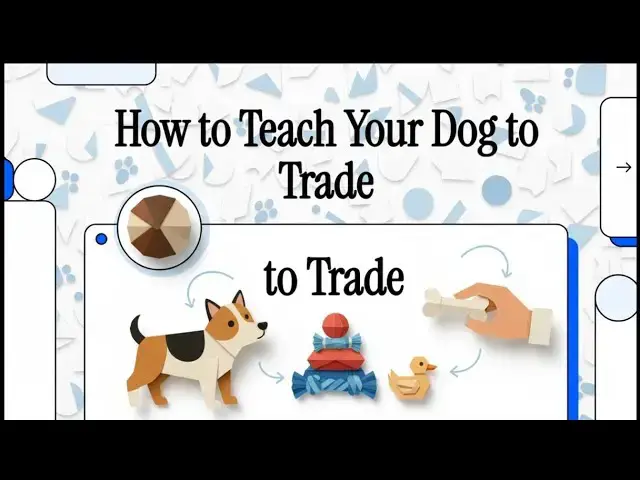
Understanding how to teach your dog to trade is one of the most valuable skills you can add to your training toolkit. It’s not just about getting a toy back without a chase, but it’s about building trust, preventing resource guarding, and turning potential conflicts into moments of cooperation.
By using positive reinforcement, patience, and a little creativity, you can help your dog see that giving something up often leads to something even better.
Whether it’s a favorite ball, a found stick, or a tempting sock, trading can strengthen your bond and make daily life smoother for both of you.
Teaching your dog to trade toys or other objects taps into their natural curiosity and desire for interaction, turning a simple swap into a fun learning adventure.
By blending principles of positive reinforcement and clear communication, you can guide your dog through each step of the exchange process.
Read the full article on Doggozila Magazine on the link below: 👇
https://doggozila.com/how-to-teach-your-dog-to-trade/
👆
#dogtraining #dogtrainingtips #dogtrainer #dogtrainingadvice #dogtrainingvideos
Show More Show Less View Video Transcript
0:00
All right, let's dive in. Today, we're
0:02
going to talk about one of the most
0:04
useful skills you can teach your dog,
0:06
the trade. And trust me, this is about
0:08
so much more than just getting your
0:10
stolen sock back. It's really about
0:12
building a solid foundation of trust and
0:14
teamwork with your dog.
0:17
Man, we've all been there, haven't we?
0:19
Your dog grabs a shoe, maybe your phone,
0:21
or something else they definitely
0:23
shouldn't have, and boom, you're playing
0:25
that frantic game of keep away. It's so
0:28
frustrating and honestly it can kind of
0:30
damage your relationship. But what if
0:32
there was a completely different way to
0:34
handle it? So here's our game plan.
0:37
We're going to cover why this matters so
0:38
much, how to get set up for success, and
0:40
then the step-by-step guide. After that,
0:43
we'll tackle some common problems, and
0:45
even look at how to take trading to the
0:46
next level. Okay, let's kick things off
0:49
with the why. And this part is so
0:51
important because teaching a trade isn't
0:54
just another command. It's a total shift
0:56
in how you and your dog interact. It's
0:59
about turning those frustrating moments
1:01
into opportunities for connection. And
1:04
this really gets to the heart of it.
1:06
You're moving away from that dreaded
1:07
chase game. You know, the one where your
1:09
dog thinks they have to guard their
1:10
treasure from you. Instead, you're
1:13
creating a trading game. It's
1:14
cooperative. It's fun. And suddenly,
1:16
you're not the bad guy taking things
1:18
away. You're a partner they can trust.
1:21
Here's something you might not have
1:22
thought about. Think about the
1:24
difference between drop it and trade.
1:26
Drop it is a command, right? It's you
1:28
telling them what to do. But trade,
1:30
well, that's an offer. It's a deal.
1:32
You're showing your dog that giving
1:34
something up isn't a loss. It's a win
1:36
cuz they're about to get something even
1:37
better. That totally changes the game.
1:40
And look, the benefits here are massive.
1:42
This is way more than just a neat trick.
1:45
By doing this, you're actually getting
1:46
ahead of major problems like resource
1:48
guarding. Every single time you make a
1:50
successful trade, you're proving to your
1:52
dog that you're the source of awesome
1:54
stuff that builds an incredible bond and
1:56
just makes your home a much calmer,
1:58
safer place to be. Okay, so we've got
2:01
the why down. Now, let's get practical
2:03
and talk about the how. Getting set up
2:06
correctly is honestly half the work. If
2:09
you create the right space with the
2:10
right stuff, this whole thing feels less
2:12
like training and way more like a game.
2:15
Your dog learns best when they can
2:17
actually focus. So, find a quiet spot in
2:20
the house, you know, away from all the
2:21
usual chaos. Pick up any other toys
2:24
lying around and maybe have your other
2:26
pets hang out in another room for a few
2:27
minutes. You're just setting your dog up
2:29
for an easy win by clearing out all the
2:32
distractions.
2:33
You don't need a lot of fancy gear, but
2:35
what you do use matters. Grab a couple
2:37
of different toys to keep it fresh. But
2:39
here's the absolute key, your reward. It
2:42
has to be amazing. Like way better than
2:44
whatever toy they've got. We're talking
2:46
tiny bits of chicken, cheese, you know,
2:48
the really high value stuff they do
2:50
anything for. And that awesome reward is
2:53
the engine behind all of this. It's all
2:55
about positive reinforcement. We're not
2:57
forcing anything. We're not punishing.
2:59
We're just rewarding the choice to let
3:01
go of an item. And timing is everything.
3:04
That reward needs to pop up the second
3:06
they make that good choice. That's what
3:08
helps their brain make the connection.
3:10
Oh, letting go of stuff means I get
3:12
something fantastic. All right, are you
3:15
ready? Let's get into the step-by-step
3:17
guide. This is where we take this idea
3:19
and turn it into a skill your dog can
3:21
use every single day. Seriously, this is
3:25
where the magic happens. Okay, before we
3:27
get to step one, let's talk about a
3:29
really cool concept. Mark and reward. If
3:32
you've got a clicker, this is for you.
3:34
Think of the click as a camera flash for
3:36
your dog's brain. It pinpoints the exact
3:38
moment they did something right. It's a
3:40
crystal clear signal that says, "Yes,
3:42
that right there, that's what's about to
3:44
get you a treat." And this is so, so
3:47
important. The timing has to be perfect.
3:50
You're not clicking when the toy is
3:51
already on the ground. No, you're
3:53
clicking the split second you see their
3:55
jaw loosen its grip on the toy. That
3:58
incredible precision is why clicker
3:59
training works so fast. It's just so
4:02
clear to the dog. So, here we go. Step
4:04
by step. First, grab two identical toys.
4:07
Nothing too exciting. This takes any
4:09
competition out of the equation. Let
4:11
your dog have one, then just show them
4:12
the other one. Most dogs will naturally
4:14
drop the first toy to check out the new
4:16
one. The moment they do, click and then
4:19
throw a party. Give them that awesome
4:21
treat. And the last step is maybe the
4:23
most important. Keep these first
4:24
sessions really short, like under 5
4:26
minutes. Keep it fun. And hey, don't
4:29
just take my word for it. There's actual
4:31
science here. Researchers found that
4:33
dogs learn way faster with short,
4:35
frequent training sessions. So, a couple
4:37
of two-minute games throughout the day,
4:39
that's going to work so much better than
4:41
one long, boring 20inut drill. So, yeah,
4:44
keep it short and sweet. Okay, let's be
4:46
real for a second. Things don't always
4:48
go perfectly, and that is totally okay.
4:51
If you run into a little bump in the
4:52
road, it's not a failure. It's just your
4:55
dog giving you feedback. So, let's talk
4:57
about a couple of the most common issues
4:58
you might see. So, what happens if your
5:01
dog just runs away with a toy or
5:03
hesitates to even come near you? Well,
5:06
that's a pretty clear sign, right?
5:07
They're basically telling you, "Hey,
5:09
this deal isn't good enough for me." Or
5:11
maybe, "I'm worried you're just going to
5:13
take my stuff." So, rule number one, and
5:16
it's a big one, do not chase them ever.
5:20
Chasing just turns it into their
5:21
favorite game. Instead, what you need to
5:24
do is make your offer better. If you are
5:26
using a boring treat, break out the
5:28
cheese. Go back to an easier stage if
5:30
you need to. And remember to keep your
5:32
own energy super positive and fun. They
5:35
can totally read your vibe. Okay, we
5:38
need to talk about something a little
5:39
more serious now. Resource guarding.
5:42
This is when your dog gets possessive
5:43
over their stuff. It could be a toy,
5:45
their food, anything. You might see them
5:47
freeze up, get really stiff, or maybe
5:49
even growl. Trading is an amazing way to
5:52
prevent this from ever starting. But if
5:54
it's already a problem, you have to be
5:55
extra careful. Your number one priority
5:58
here is safety. So, start with something
6:00
your dog doesn't even really care about,
6:02
like a boring old toy, and trade them
6:04
for something incredible. Build that
6:06
positive feeling. But, and please listen
6:08
to this. If your dog ever stiffens,
6:11
snaps, or lunges, you stop. That is not
6:14
something to push through. That's your
6:16
cue to stop to training and call a
6:18
certified professional for help.
6:19
Seriously. So once your dog gets the
6:21
hang of trading with their toys, this is
6:24
when it gets really exciting because now
6:26
you can start using this skill in all
6:28
sorts of real life situations, this is
6:30
what makes your life easier and a whole
6:33
lot safer. I mean, think about it. You
6:36
can use this on a walk to get them to
6:37
trade that disgusting thing they just
6:39
found on the ground for a yummy treat.
6:42
You can even teach them to trade you the
6:43
TV remote when they grab it. It's not
6:45
just a command anymore. It's part of how
6:47
you two communicate. It opens up a ton
6:49
of possibilities for fun games and even
6:51
dog sports. And that's really what this
6:54
all boils down to. What starts as just
6:57
swapping one toy for another becomes
6:59
this amazing tool for building a
7:01
partnership. You're proving to your dog
7:03
over and over again that cooperating
7:06
with you is always the best, most
7:08
rewarding choice they can make. So, as
7:11
you master the trade, remember this is
7:13
just one step on a lifelong journey with
7:15
your dog. You're not just teaching a
7:17
command. You're building a deeper, more
7:19
trusting relationship. The real question
7:22
is, what new adventure will you two
7:24
learn together next?
#Pets & Animals
#Pets
#Dogs