Up next in 10


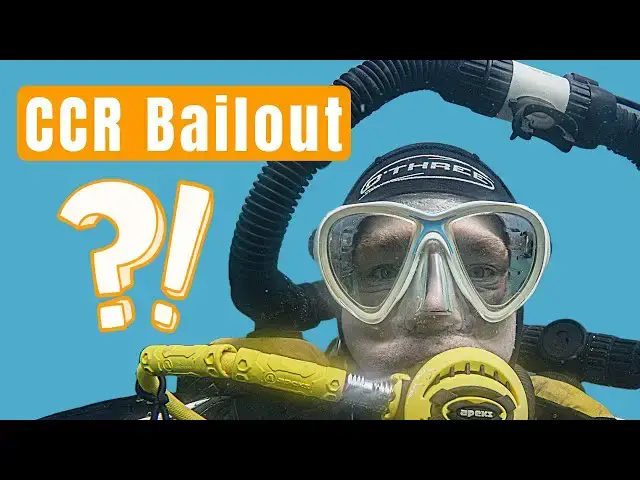
In this livestream, Achim Schloeffel, from @InnerSpace_Explorers, joins me to tackle the most pressing questions about deep CCR bailout procedures in technical diving. Whether you're a seasoned tech diver or just starting out, understanding the protocols for a rebreather bailout is crucial in the event of a diving emergency. Join us as we delve into the world of closed circuit rebreather diving and explore the essential skills and knowledge required to navigate a deep dive gone wrong. From recognizing the signs of a rebreather incident to executing a safe and controlled emergency ascent, we'll cover it all. With insights from experienced instructors like Achim Schlöffel and Innerspace Explorers, you'll gain a deeper understanding of the technical diving gear and training required to minimize risk and maximize safety in the underwater world. So, if you're ready to take your technical diving skills to the next level, watch on to get your questions about deep CCR bailout answered.
*Achim & Dom Livestream*
CCR Bailout Livestream Part 2 - https://youtube.com/live/hkjcREAK5Qw
*Kit I Use*
Note, some of these are affiliate links so help support making my videos:
- Gloves are Ansell Alphatec 87-063 - https://amzn.to/4jDHhX4
- Main torch is an Orcatorch D630 - https://amzn.to/4jlT4tA
- Backup torch is an Orcatorch D710 - https://amzn.to/4jhddRk
- Drysuit is an O-Three Ri200 - https://www.othree.co.uk/drysuit-range/ri-2-100-drysuit/
- CCR is an AP Diving Inspiration (XPD) - https://www.apdiving.com/
- Backup computer is a Shearwater Perdix v2 - https://amzn.to/42FXZOW
- Reels are by Kent Tooling - https://www.divingproducts.co.uk/
- Cameras are Paralenz Vaquita
- Video light is NiteScuba NSV60 - NiteScuba NSV60 - https://s.click.aliexpress.com/e/_onHEKQZ
- Phone housing is Divevolk Seatouch 4 Max - https://s.click.aliexpress.com/e/_omJlNKL
- Strobes are Prozhaozhu 3000 Lumen Diving Strobe - https://s.click.aliexpress.com/e/_oBMRF3X
*Like this video?*
Show More Show Less View Video Transcript
0:01
Uh, good evening everyone. Hopefully, good evening. Yeah. Hello, Akim. Uh,
0:07
good evening everybody else in the chat. I see there's a few people talking away there. Uh, hopefully everybody can hear
0:15
the two of us. Okay. Yeah, that would be great if we get some feedback because I can't hear
0:21
Dom very well. Actually, quite bad.
0:28
Yeah, there's some people chatting. Oh, sound is good. Somebody's just said so. Uh, sounds good. Stefan, how can you say
0:35
that? Okay,
0:41
that's great. Okay. Well, in that case, thank you very much to everybody for
0:47
joining and most of all, thank you uh Akim for joining as well. That's uh it's
0:53
it's really appreciated and I hope guys um that you enjoy this as much as I
0:59
think we're going to as well. So I guess just before we start I've just got a
1:06
couple of things to kind of uh say if um if you don't mind. So the first thing is
1:13
we've not done this before. So, please bear with us if there are problems. Um,
1:18
if there's problems with the sound or if uh you have a question that we don't get to, please bear with us. What we will do
1:25
is we'll go through the chat at the end and we will uh anything that we haven't covered, we'll cover either in another
1:31
one of these or or some some other way of doing it. So, we won't you won't get forgotten. Uh I'm glad that somebody has
1:38
already pointed out that we've both got the same hairstyle. Um,
1:44
yes. Actually, we figured out there's way more things we have in common, right? Except for the beautiful haircut.
1:50
There is there's a whole load of things. I think we're about a similar age. Yeah, we we're both 71 born, I guess.
1:56
Uh, yes. Yes. Yeah. I think we have kids in the same age. We have the same
2:02
passion for naval history, wreck diving, rebreather. So, actually, it's a pretty
2:07
good match. Yeah, absolutely. And um yeah, and we're both obviously really
2:13
interested in tonight's topic as well, which is rebreather uh bailouts. So um
2:19
yeah, I think what we we agreed we'd do to start with is we would each just say
2:24
a little bit about ourselves. Uh we've already had a question um earlier on
2:30
asking um what rebreathers we dive. So it might be useful to focus a bit on that as well. So do you want to go
2:37
first, my friend? Yeah. Yeah, just um yeah, you're the host. You
2:45
you start with your introduction and your rebreather and then I'll follow up. Okay. Yeah. No, fantastic. So, um yeah,
2:52
I uh I dive with an AP inspiration. I have dived with one of those for a very
2:58
long time. They're obviously a really, you know, kind of traditional, I guess, CCR model. Um, like most of them, mine
3:05
has been upgraded through the years as they, as AP have, you know, added different bits on. So, that's what I
3:12
dive with. Why do I dive with it? I guess because, uh, loads of reasons. The first thing is lots of people around me
3:18
dive with the same model of of unit. And that's really useful if you ever have any issues, but also it's useful to have
3:24
that kind of knowledge and experience around you as well. So, if you encounter something, there's always somebody around who knows what's going on. AP
3:31
obviously got fantastic support. I live very close to to their factory. So I
3:36
guess that's the reason that I uh dive and inspiration. Um and I guess what
3:44
sort of diving do I do? Well, anybody who's watched any of my videos will know my big thing is is deep wreck
3:50
exploration. And we're very fortunate where I live in the southwest of United Kingdom is that the sea around us is
3:57
just full of wrecks in that kind of sweet spot of 60 to 100 and something
4:02
meters. So, and lots of the wrecks never been identified before. So, so that's that's what kind of flicks my switch.
4:09
That's what the diving I do. Those are the gears that I that's the gear I uses I uses I use. Okay. Over to yourself and
4:19
Yeah. Well, um actually the um I agree with this point when you said a lot of
4:25
people around you dive the same uh unit. That's the same thing here. Uh and that's um actually a key point. It's um
4:32
it's great if if you dive in a team and everybody uses kind of the same equipment and knows the equipment of the
4:37
other person, can help with spare parts, but also knows how to uh handle it in case uh there's something wrong. And so
4:45
I'm diving a classic kiss um for a very very long time and uh recently also
4:51
started playing around with the go the dive truck go uh which is essentially a small kiss um that is chest mounted and
5:00
uh just I don't know how many of you watch my stuff but uh the last project I did in Italy I used these both
5:06
rebreathers and um that actually is already a good introduction for today's topic because I basically used the
5:13
second rebreather either as a bailout option um because at a certain depth the open circuit bailout was not a really um
5:21
doable option anymore. And um yeah, my thing also wreck diving. Uh I also do
5:27
cave diving and and other stuff, but wrecks were always my main passion. And uh for me um it's mainly um the
5:35
Mediterranean, so I spend a lot of time on Elba uh in Italy. And um I think you
5:42
also said it in one of my videos. Um I think it's essential essential that you focus on a certain era where you can uh
5:49
start to build relationships with locals and gain their trust and uh become sort
5:54
of a member of the community and then suddenly you get all the information and you can uh really dig deeper so to speak
6:00
than trying to explore a new era every year and start from the beginning. So for me it's Ela and in the last couple
6:06
of years I found a couple of wrecks there that haven't been dived before and um so that's my thing. Yeah,
6:14
absolutely. And I would say to anybody who's not watched your your recent video or your your videos on your projects or
6:20
your project, you know, that's it's incredible what you did there, you know, recovering the bells and, you know, kind
6:26
of having the flexibility, I guess, to kind of extend your depth and everything in order to achieve your mission, you
6:32
know. Absolutely fantastic. Yeah, fortunately my wife's in a
6:37
different room, so she Yeah, but um yeah, thank you very
6:42
much for that. Uh it was a pretty cool thing. Um but uh yeah, let's um actually there's
6:49
plenty and plenty of um of questions coming in. So how do we how do we going
6:55
to do this? Let me just see. Do we scroll back a little bit or just say do
7:00
we take it from here or I think we just try and we try and pick them up as we can. I mean the first thing I would say
7:05
is it's it's fascinating. I mean a I think somebody said there's 65 people listening into this which is which is
7:11
absolutely amazing. So I just want to say at the moment 84
7:19
uh so it's absolutely brilliant you know uh thank you and I'm also looking through the chat as well loads of people
7:24
on different types of units as well. So uh fantastic and you know different people from different parts of the world
7:30
and everything. So it's it's just awesome. So thank you. Um I guess there's a couple of different
7:36
questions. My daughter is on the chat and she's um she's she's uh she's
7:41
sending out a little bit of uh a little bit of uh of abuse. So thank you very much Faith. Uh I think you're probably
7:47
the youngest person uh on here but but that's great. And she said why why what
7:53
made me choose my rebreather? And um so I've got to answer it cuz she's my daughter. Um she So what made me choose
8:01
it uh Faith is uh as you know it's it's the rebreather I could get in without your mother being aware.
8:11
So so I guess what made you choose what made you choose your your kiss and Akim?
8:17
Um so I did a lot of work for various rebreather manufacturers. Uh wrote a couple of manuals. um participated in
8:24
some uh yeah basically construction work and so at some point I had um I had eight
8:32
different units in the basement and I realized that whenever I did a private dive so um not working on one of these
8:38
machines just for myself I always picked the kiss no matter what was available and so that made me realize that it's uh
8:45
like it's a bulletproof machine for me it was always you can travel wherever you want you can break whatever you want
8:51
on this machine and there's nothing you can't fix with a Swiss Army knife and some some duct tape. And that um was an
8:59
essential point for me and um for some reason I just fell in love with this thing. It's it's super simple and it
9:05
really fits my philosophy of not the rebreathers making decisions that I have
9:11
to control um and supervise but uh it just provides me with information and I
9:17
can make the decision so I'm in total control and um yeah I mean if you if you know me a
9:24
little bit better in inner space explorers than my background that was the closest thing to what I've I'm doing
9:29
open circuit. Yeah. And I guess that kind of picks up nicely into one of the questions there was about ECRS versus uh
9:37
you know MCCRs and and I guess that's your your philosophy isn't it fundamentally which is that you you want
9:43
to be the person who is making all the decisions or you you want to you know you don't want to have decisions made for you I guess.
9:50
Yeah exactly. So um I obviously have quite a bit of experience on electronic rebreathers but I realized my and that's
9:59
again and and this is is essential to understand for this video. Um there's nothing that I'm doing better or or uh
10:06
I'm right or I'm wrong. It's just we have different approaches and what I'm what I'm uh discussing here is just my
10:13
very personal opinion and that doesn't mean it's that it's good or better or whatever. It's just my personal belief.
10:21
So, um, yeah, and I think that's a really it's a really important point, isn't it?
10:27
I think there, which is which is there's no no right or wrong answers in this, is there? There's just different people's
10:33
opinions and what different people are comfortable with and how people perceive risk and all those kind of things.
10:39
Yeah, exactly. And um so for me the the manual rebreather
10:46
is just how should I explain that? Um I think people generally are lazy. So
10:54
whenever I and that's also myself. So when I started diving for the the last electronic rebreather that I dove a lot
11:01
was a Hollis prison 2. And um so you start diving it and you're
11:07
like okay I'm running it manually, right? you put like 0.7 as a as an emergency set point. So if you're going
11:13
beneath that, the machine's jumping in, but other than that, you're driving it manually, etc. And then you're doing
11:18
pictures and you're looking at the wreck and you're exploring and you realize the thing's working. Um, so even if you
11:25
don't do anything and you get lazier and lazier and lazier and you start to rely more and more and more on this thing and
11:31
then I had this 110 m dive penetrating a wreck and I was in this restriction and the visibility was zero and then the
11:37
solenoid got stuck and that for me was the prime example of like in the worst
11:42
possible situation this thing is actually doing something that forces me to react and I don't want to be forced
11:49
to react. I want to be in charge, right? So my kiss don't is not doing anything. So if I would be in the same decision,
11:55
that machine's not doing anything. So it's me and I know, okay, I pressed that button like a minute ago. So I probably
12:01
have another 10 15 minutes where I don't have to do anything and the machine's not doing anything creepy behind my back
12:08
that I need to then react to. But that again, this is me and that's probably also based on a couple of really bad
12:14
experiences. Yeah. Yeah. And and to be honest, you know, we're all uh we're all the product of our experiences and our
12:20
backgrounds, aren't they? And I guess that that brings me nicely because I obviously dive an electronic CCR. And
12:27
so, you know, I I have the, you know, not quite the decisions made for me, but I I uh view it as important. I quite
12:35
like having the task loading taken off me. So, to to to drive a rebreather
12:40
manually requires a high level of human input. And I guess my background my
12:46
background is um in the military I uh flew helicopters and the reality if you
12:53
if you're in that game you ultimately helicopters got more and more sophisticated and you relied upon them
13:00
taking a lot of the workload off you and if and if they if without them doing that they won't actually work you know
13:07
you couldn't do it manually. So I guess I got into the habit of trusting equipment to effectively keep me alive.
13:15
And for me therefore what I quite like is when I'm underwater the rebreather
13:20
it's all it's like you don't have to think to breathe do you on a rebreather an electronic rebreather you don't have
13:26
to think to maintain the P2. Um you then get a notification of when it's you know
13:31
or you hope you get a notification of when it's when it's not able to do that. So a different philos you know
13:38
philosophy between us there and I think if I'm if I'm not being task loaded it means that capacity that I've got I can
13:44
be using to do other things. So um you know I guess that's that's a philosophical difference between us
13:50
really isn't it? Yeah absolutely. Um I mean the what what I just described for
13:55
the manual rebreather is is basically just an extension of what I do open circuit. So I mean my open circuit
14:02
diving is the same thing. I not use a computer because I I think at some point
14:08
you will start to rely on this computer and for me personally this is wrong and I just I mean you go on a dive boat
14:15
somewhere in Egypt let's say and there's 20 divers and you ask 20 divers in the middle of their dive you take that
14:21
computer away and tell them like okay give me the status of your of your dive so where are you what what's the next
14:27
logical step to get out of this dive 19 of them will be like I have no idea give me that computer back and that for me
14:35
means that they just blindly rely on that piece of equipment and I've seen quite a few of them fail terribly. So
14:43
over these decades diving I just got the habit of like tracking my dive on my own
14:50
and so I don't feel that to be some sort of of bad task load or something that
14:56
bothers me. So I can I can keep track of it. So I know how long am I underwater?
15:01
Uh what's my average depth? What's my next uh next logical step? And I always have this this little guy in the back of
15:08
my head that's like what could be the worst thing that can happen in the next second? What's what's waiting around the
15:14
next corner for you? And a lot of people when I'm talking to students about that, they're like, "This is terrible. This
15:20
must be a complete burden over the life." But for me, it's more like a challenge and and it makes me prepared,
15:26
right? Um and so obviously this this open circuit or this diving mentality in
15:32
general is just something that I applied on my rebreather diving. Yeah. And for me that works great. Yeah. It's a really
15:38
and it's it's a really interesting philosophy. Um you know and you know I can absolutely understand why it will
15:45
why it will work for people like yourself. I've just got to say by the way Bob has has just um you know uh sent
15:52
us $5 which is which is really kind of you to do that Bob. I really appreciate that. Thank you very much. Thank you
15:57
very much. Obviously, you know, we'll split that between us. We'll go we'll go and get go and get a coffee or whatever.
16:03
Um but um completely not necessary, but really appreciated. So uh so so thank
16:09
you very much. Um now a few people are starting to ask some some bailout
16:14
questions as well. And a couple of pe somebody's asked about the number of cylinders I carry. Um you know, they've
16:20
seen in my videos that I only carry two cylinders. And um I know that's another point on which we disagree, isn't it? Um
16:27
you know, we take a different approach to this. So I guess I'll just disagree is a is a hard word for it. Again, it's
16:34
just two different ways of approaching the same goal. It's Yeah. I mean, if I
16:40
can talk through my the approach that I use and it's actually really common in this part of the world. um just just so
16:46
people understand it and then you know maybe you know we'll get your we'll get your view as well you know so we can
16:51
kind of do that contrast so in in this um I guess British Isles diving and I do
16:58
encompass Irish the Irish teams in that one as well by and large we all have a
17:04
similar philosophy to this I mean there are a few people who don't you know some of the GE guys and stuff they they do different things but by and large most
17:10
British Isles divers um you know 150 m dives whatever it is
17:16
um they will carry two bailout cylinders and they will normally have a uh for the
17:23
really deep stuff you will normally have a deep mix each and you will have a travel mix or if you're a bit shallower
17:30
one person might have a travel mix and the other person might have a 50% or something like that and we very much use
17:38
a team bailout philosophy. Um so so the idea is that in your team of two people
17:45
you will have enough gas to get back to about 50 mters and you if you're doing
17:51
something really deep you may blow off stops to get to 50 m. So the idea is you get back to 50 m and then at 50 m you
17:58
are calling for gas from the surface. So, uh, you will have seen that. Anybody who's watched my, uh, rebreather the
18:04
bailout video will have seen gas coming in. And I've done it on, you know, several other dives as well. So,
18:11
typically for, you know, a really deep dive, you will have probably five bailout cylinders on the boat. You will
18:18
have a 50 m gas, you will have two um, u
18:24
sort of 20 odd meter gases, and then you will have a 9 m and a and a 6 m gas. um
18:30
and possibly possibly more of those. And our whole philosophy is is about um
18:36
because we we're all in this idea of you get back to the shots, you get up and then the gas comes in. So So that is
18:43
essentially our philosophy and it is you know there is a significant element of risk to that and you can run what if
18:49
scenarios. What if you don't get back to the shot? What if um two divers have a problem? you know, there are a number of
18:56
whatifs that you can play with those kind of things, but but by and large, it's a
19:01
um uh it's a philosophy that works pretty well. I've seen it work perfectly
19:06
fine, as I say, on on several occasions. Um but yeah, so that's ours and if if
19:11
anybody wants to ask me some questions about that, you know, um happy to pick them up. But f but first of all I think
19:18
we you know go to yourself a for for your kind of uh your approach which is which is which is different.
19:25
Yeah. So um just quickly what you just described I'm very familiar with. I had a very very close friend that used to
19:32
live in the Emirates for a couple of years and we did a lot of diving there and he was diving with a couple of guys.
19:38
I think it was called the Abu Dhabi Desert Dive Club or something like that and it was um they're all British uh all
19:46
British divers and they did some really really deep um interesting stuff there
19:51
and so we did quite a bit of diving with them and it was um very interesting uh for me to see
19:58
because that was was the first time I got really um confronted with this type of philosophy.
20:05
Um, so my thinking is the eye is different because I think
20:13
well I mean I want to be sure that whatever
20:19
happens I can go back to the surface from that spot where the problem starts
20:25
on my own. Um so I mean we all know um I mean out of rebreather uh out of gas uh between
20:33
two rebreather divers is basically impossible to say right you
20:38
have you have the rebreather you have your bailout gas I mean normally you're out of rebreather because the machine
20:43
has some sort of issue it's flooded or CO2 breaks through or whatever and
20:49
um then it's open circuit bailout and so again I'm I'm very much oriented on what
20:56
I would to open circuit and the open circuit thinking is always based on
21:01
partner. So two people one have a problem and the problem is he has no gas and then together
21:08
um reach the point where he can breathe his own gas again. This can be the surface or the first available
21:14
decompression gas that he has on a stage etc. And so the same thing is what I'm doing with uh with my rebreather. So, my
21:21
thinking is I'm at the deepest spot of my dive. Um, my rebreather stops working
21:27
for whatever reason. I have to switch to open circuit. I don't want to have to rely on somebody else and
21:34
that this person is close to me or has the correct gas on it. I just want to pull a regulator and go on my deep
21:40
bailout and from there make it to my first decompression gas and then continue. So I always carry the amount
21:46
of gas that I need to make it back to the surface including all of my decompression. And um
21:53
so four cylinders relatively divable. So I have two on the
22:00
left side and two in the leash. Um so I don't carry any stages on the right side. And uh that works quite nice for
22:07
me. And if it's more than four stages, then I um actually use a secondary
22:13
breather because that actually minimizes the the the issue dramatically. And
22:18
that's what I did in the last dive because when I calculated it the way I just described it, it would have been
22:23
eight bailout cylinders. And that's obviously something that you don't want to dive because I mean obviously you can do that like going down on a rope and
22:30
going back up if you dive for numbers, which I don't do. But if you want to do something down there, um obviously eight
22:35
cylinders is no option. And so the second rebreather obviously eliminates that issue because if the rebreather
22:41
fails you take the second rebreather and then I have two drive stages um that
22:47
each tank can um drive both rebreathers. So I have two connections on each uh
22:52
drive tank and um then obviously each rebreather has its own oxygen and that
22:58
makes it a very very stable system and reduces the amount of gear to basically two cylinders which I have again on the
23:04
left side. Yeah. And and it's interesting we're increasingly seeing guys using bailout rebreathers as well.
23:11
You know, I think it's um it's in a lot of respects it's it's an answer to the to the problem. Um I think the you know,
23:18
for me personally that cost is is part of the reason I don't do that. Um I think one of the other things that I'd
23:24
kind of highlight is uh bailout is one element of the risk
23:29
that is facing a diver. You I think have just mentioned another element of risk which is which is the ability to
23:35
actually do anything when you've got mountains of kit. Now now for me particularly diving around the British
23:40
Isles one of the uh key challenges that we face is always getting uh into the water but actually the most difficult
23:48
stage is getting out of the water. So right at the end of the dive you know if you've been under the water for three
23:53
four maybe longer hours and the uh um the situation has changed. So all of a
24:00
sudden there's lots of waves and and stuff. Hello. My son has just joined us.
24:05
He wants he wants to say hello to everyone. There you go. Um so um so so if you have
24:14
a large amount of kit, you know, four or five cylinders for instance, getting out of a boat can be getting out of the
24:21
water even with a lift, even with a surface support team can be particularly challenging. So um you know and and
24:27
obviously you could say well you could just ditch gear but clearly uh nobody nobody's particularly wants to do that
24:33
and therefore you know you tend to you know people may push themselves to try and get out when they've got more kit than is um you know practical for doing
24:41
that even with two cylinders and a rebreather and everything can be quite challenging. So I think you know whenever you talk about risk you have to
24:47
balance across risks don't you in Yeah. Yeah. Absolutely. Um, I mean for
24:55
me most of the time, I mean the the last couple of things I did I was always alone. Uh, so it was a relatively small
25:01
boat. So I know exactly what what what you're talking about. And I mean the huge difference and I have a little bit
25:06
of experience in British waters. Um, so um, diving the Mediterranean is
25:14
obviously a different a different topic, right? I mean, when I'm in a in my small boat, I have a couple of lines in the
25:19
water so I can put my equipment in in in the water. Basically, just take one rebreather, jump in, then get everything
25:26
on myself, do my dive, come back, clip things on lines that are hanging from the boat, which are in heavy current uh
25:34
in the British channel or somewhere is a total different story. Yeah, absolutely. Especially if it's if it's more divers
25:41
on the water and if the boat captain has to collect five, six, seven divers or whatever that all surface more or less
25:46
at the same time. I mean that's a complete different Yeah, absolutely. And one of the questions somebody asked is
25:52
when are we going to dive together? And obviously um you you've got a standing invite as you know to uh to come and
25:58
dive on Darkstar. Uh and you know if you can fit that into your schedule that would be absolutely awesome, wouldn't
26:04
it? I will definitely. It's on the plan. We just need to I have a pretty crazy
26:10
schedule um because um I'm not living from my diving. So I I'm also running a
26:15
workshop restoring boats and cars, classical stuff from the 70s and 80s.
26:21
And um I'm doing this alone. So be being away always means spending money and not
26:27
earning money. And then uh there's a quite a bit of list of people waiting for stuff to be done. So I just have to
26:32
squeeze it in somehow. But it's definitely on the list. So we'll make this happen. and we will dive together.
26:37
I'm really looking forward to this. Yeah, I know that would be fantastic. Another guy uh on the on the chat,
26:43
sorry, I've forgotten your name or I missed it, has asked me, what do you do if you lose a team? And uh that's it's a
26:50
really good question. I mean, you should always try and stick together with your buddy. I guess in an ideal world, if you
26:55
lose your buddy, you probably want to abort the dive and get back to the to the shot line. And as soon as in the kind of diving I do, as soon as you get
27:02
back to the shot line, there are going to be other divers on on there somewhere either above or below you, always going
27:08
to be the case. But um what what you're into, I think, is is once you start getting into double failures, then most
27:14
safety systems fall apart. You know, most rebreathers, for instance, can't cope with double failures. Um, so it's
27:21
it's it's something to um you know what you have to do is if
27:26
you have a single failure, it's very rare to get two failures right on top of each other. What you have to do is when
27:31
you get the first failure, i.e you lose your buddy or you really either stops working, you have to make sensible
27:37
decisions. That's my kind of view. Yeah, same here. I made a video quite a
27:43
bit um a while ago and it was like the how to avoid the spiral of death or something like that. um can't remember
27:50
the exact uh name but that's the thing so I always plan for one one problem and
27:55
then you need to solve the problem and if it's something that you cannot fix
28:00
like okay then it's working again like you have a loose first stage that's a problem that you need to fix but it it
28:06
it doesn't make you abort the dive right because you can you fix it it's it's good um but something that requires to
28:14
abort the dive I mean there's this one problem you fix it or you solve it and
28:19
then and then if something else comes comes up
28:25
then yeah you usually that's that's the real bad moment. So I had one of these
28:30
um where I was actually losing two bailout gas or yeah two bailout gases spacing or two decompression gases in a
28:37
row uh which then was not good so to speak. I mean I'm I'm still
28:43
here but um the problem
28:48
you have to accept a certain amount of risk. I when when you when you go diving, there's always if you don't want to drown, don't
28:56
go in the water. But um if you start getting into this
29:03
thinking like, okay, if my bailout solution fails, I need an bailout
29:08
solution for the bailout. It becomes undable at some point. That's like in the in the 80s when this technical
29:15
diving thing started. And when you look at old magazines like Aquacop or so you see these funny I mean today funny
29:21
pictures of these people with 10 cylinders with two valves on each cylinder and two full regulator sets on
29:28
on each of these valves and they look like Christmas trees. And the thinking obviously was like, okay, the more stuff
29:34
I I I take with me, the safe I am, right? You have a light and a backup light and a backup light for the backup
29:39
light, etc., etc. And you can, I mean, get that to a really absurd um amount of
29:45
of items, but at the same time, I mean, each of these items is a certain task load. You have to store it, you have to
29:51
be able to reach it, to take it off, to take it back, etc. And um the numbers
29:57
also showed that the more stuff people took it was not that the accidents became less actually the ex the accident
30:03
rate increased and that clearly um showed the problem. And then I mean I
30:09
don't want to go too much into dive history now but this is when the uh Hogathian system then also um got
30:16
um in the diving um in the thinking of the divers when I was like okay reduce
30:21
the amount of stuff make it keep it simple right take only what you need and really rethink what do you need and um
30:28
this is the philosophy that I still stick to it so have a have a proper a proper plan in the first place uh which
30:35
helps you to avoid issues in the first place and then have a proper solution for a problem and if you have one solve
30:42
it and then get out of the water. Yeah, absolutely. And and in the chat, Richard
30:47
has just made exactly that point. Risk mitigation versus risk removal. And that's absolutely true. You know,
30:53
mountains of kit is is not is not in itself, you know, in itself creates problems. It's a it's a really really
30:59
important uh point there. So, you know, I think we're both advocating the same thing, isn't it? which is which is you
31:06
know to think through your solution, make sure it works and if if you have a
31:11
problem, deal with it, don't ignore it. Um and and whatever that solution is, you know, that you believe is acceptable
31:18
and you feel is manageable for for for your situation, then uh you know, that's that's it, isn't it? But you, as you
31:24
said, you have to accept that diving carries with it a risk. And you know there is no doubt the deeper you go the
31:30
longer you stay down the greater the risk because that's you know simply simple absolutely the way it is isn't
31:36
it? Yeah. I mean what you just said um with with with the um you you cannot
31:43
overload um with um with bailout equipment. I mean you being a
31:48
pilot an aircraft and I always use this this example um in my classes. I had a a
31:55
transatlantic flight years ago and there was one of the engines there was a four engines on that plane and one of them
32:00
was burning and they shut it off and uh a lot of people in the in the in the plane freaked out and then after
32:08
everything was okay. So the engine stopped burning and the captain actually went through the plane and calmed down
32:14
people and was like, "Hey, relax. We have four engines. Three are still working. All is good. We can we don't
32:19
even have to turn around. We continue to the states, etc., etc., etc." And this one lady was like, "And what if a second
32:25
one fails?" And he was like, "Ah, even with two, we can still make it. Don't worry. Don't worry." And she was like, "And what if all four fail?" And he was
32:33
like, "And that's the point. I mean, at some point, it's just over. I mean at some point you're running out of options
32:39
and that is something you have to accept. Yeah. Abs. Absolutely right. No, absolutely right. We've got a few more
32:45
we've got a few more questions here. There's a question uh have you ever suffered a CO2 hit? Now, now I haven't I
32:51
haven't had a CO2 hit, but I know people who have had them and uh my understanding is they're absolutely
32:58
horrendous. Um and so yeah, definitely want to be avoided. I think it's an
33:04
interesting experience. You're missing something. Tell tell us about Yeah. No, I don't want one. Thanks. Tell us about
33:09
yours. I had a I had a few. Yeah. Um I mean, but to understand that a little bit
33:16
better, I did quite a bit of um of engineering on rebreather. So, I was
33:21
building certain experimental units. I was driving a lot of experimental units. So, I had two severe ones on
33:26
experimental stuff. And I had one bad one on a kiss actually. Um, and I, um,
33:33
yeah, it was a cold water dive and it was one of these old POVs which have these yellowish rubber pieces as, um,
33:41
oneway valves. And we figured out later on that when they get really cold, they actually roll up. So,
33:49
um, which is is not good. And I couldn't really figure out what the problem was. And we came out, it was actually in a
33:55
mine in Germany, so four degrees water temperature. and I took it
34:02
a there was no um directional gas anymore. So we put it outside and I
34:08
think I put it on the on the on the engine hood of my of my car and you
34:14
could actually watch these like go up again. I was like hm that's interesting. So I put it back inside four degrees and
34:21
you could see doing this again. Yeah. Um, so that was actually the only real one that I ever
34:28
had using a normal rebreather. Um, but uh, yeah, interesting experience. Yeah.
34:34
Okay. Yeah. Now, another question's come in here. Uh, somebody quite a while
34:40
back, sorry, asked me if I um if I dived on on the go. Now, I've not dived on the
34:46
go, but I've I've obviously watched uh the videos and it seems like a really interesting unit. I don't know if
34:51
there's anything you you know you want to add to that.
34:57
Yeah, I come to England and then we dive it [Laughter] together. Um yeah, it's it's I mean I I
35:05
don't want to want to put this into a marketing thing, but as I have one and I dive it and I dove mine to 170, uh I can
35:11
tell you it's a fantastic rebreather. And for me the main thing is and a lot of people asked me uh like oh so you
35:18
took the the go as the ba as the bailout rebreather on that dive and actually the classic was the bailout rebreather so I
35:25
was on the go and that is because it's the way best breathing rebreather I ever
35:33
had. Unbelievable. So, the breathing resistance is non-existing. And if you compare it to the to the classic, which
35:39
I really like, the classic is horrible in a in a direct comparison. So, yeah.
35:45
Um, you need to check it out at some point. It's interesting. And, um, yeah, maybe we can do this together. Would be
35:50
awesome. Yeah. No, absolutely. I'm definitely up for that. Um, there's another another question here. Um, uh,
35:56
sorry, sort of a a thing, I guess, an observation. Simon Mitchell says divers are better at recognizing things like
36:02
hypoxia if they've experienced it previously in a controlled environment. Interesting enough I have experienced
36:08
hypoxia. So um I uh part of flying training is clearly hypoxia if you go up
36:16
too high then you become hypoxic and and therefore it's one of the things they want to they they do is to show us how
36:23
dangerous it is. So the opposite to a recompression chamber, they actually have special chambers that can reduce
36:28
the pressure and therefore reduce the P2. And what they did was they got us to do some fairly simple uh manual tasks um
36:37
with with normal P2. Then they took us up to I don't know 20 or 25,000 ft I think it was. Got us to repeat the same
36:44
tasks. Um then they brought us back down again and said you know how were you?
36:49
And I remember thinking yeah no problems at all. I can absolutely cope with that. and and you've written something on a
36:54
board, they get you to turn over the board and mine was just like somebody like a spider, a drunken spider had
37:00
wandered all over it. It's it's absolutely incredible. It made me realize how insidious and how dangerous
37:07
and how horrendous hypoxia is. I'm sure anybody who's been a rebreather diver for a while will know people who've
37:13
ended up um you know very sadly dying uh you know hypoxic events and it is really
37:19
easy to see. It's a it's the it is the thing that scares me most really about diving or worries me most about diving a
37:26
rebreather and um it's why you know religiously the thing I do before every
37:31
dive is check the uh low P2 alarm on my unit and the inspiration's got a visual
37:37
one it has got an audio one as well and and I I make sure that's working because I I've seen how how you know horrendous
37:44
it can be and it's really easy when you hear about people have gone in with O2 cylinders turned off and all those kind of things it's really easy to see how it
37:50
can catch them unawares. Yeah. So there were two um Yeah. So I mean generally I I I
38:00
um in back in the day um also that always sounds a bit stupid. Um I ran
38:06
through this training where we in the end of the course we removed the scrubber, went back in the pool and was swimming against the wall uh to
38:13
experience CO2 hit which was pretty ugly and um brought us some nasty uh headache
38:20
for um for the evening. So I understand the the concept and the point of it, but
38:27
I would not do it in my courses like on purpose harm somebody. It's like and I
38:32
also know people that on purpose tried this hypoxic thing and I really want to
38:38
tell you don't try this. So I can remember so when when when when we did this like breathing a 1080 sitting on
38:45
the couch and then you pass out and somebody else giving you oxygen mask nonsense like that.
38:53
was trained that way through another agent rebreather and uh till a doctor
38:59
came up and said like you guys know that one out of a 100 people doing this falls into common and is not coming back so I
39:05
recommend you stop this crap and that's exactly what we did and so um don't do it um it's it's really
39:13
really stupid and I just so I don't forget it somebody was asking here let me just scroll back a little bit
39:20
[Music] Um, why do DR
39:26
agencies exceptionalize E not have focused curriculum on wreck diving? Yeah, I just Okay, now I see because we
39:33
have we have a wreck diving curriculum. Uh, and that's like equal to I mean we have um expedition expedition diving,
39:41
try mix diving uh and then cave and then wreck. So we we have that. Is that kind
39:46
of like when we talk about wreck, you talk about penetration there? Is is that what you're referring to? Yeah. Yeah.
39:52
It's in three levels and the second I mean the first one has a little bit of penetration but especially level two is
39:59
basically focusing on penetration. Yeah. Okay. So, um yeah. So hopefully that
40:05
that um that picks up the question there from Richard. Um there's also a question here about bobs versus DSVs. Um,
40:13
personally I I got rid of my Bob um probably about four or five years ago.
40:19
And the reason that I got rid of it was because um a I found that they they they
40:25
were more trouble than they were worth. So I would often get leaking and uh you know those kind of things. So there's
40:31
quite a lot of maintenance, but also I think you know for me uh the simplicity of having a DSV was was quite important.
40:39
And you know, I I've bailed out probably I don't know, five times maybe in in
40:45
different scenarios and I've done a lot of bailout training obviously, but but for real probably bailed out four or
40:50
five times and I I've never found the need to have above. Um I've always been
40:56
entirely happy and obviously the work the breathing on a normal open circuit regulator is always going to be better
41:03
than than on above and you don't have to go through all the hassle of plugging in different gases and all that kind of stuff. So, so that's my kind of
41:09
rationale. I don't know how where you stand. Aim.
41:15
Um, actually I have a it's great because I mean it would be super boring if we uh if we look at this the same way. So I'm
41:22
actually a big fan of the VOV but um it depends a little bit of how it is
41:29
set. Saw people like like um having to bail out in shallower water and then
41:34
having deep gas connected to the BOE. So, it requires a little bit of thinking when you set it up. Um, but I like this
41:43
sanity breast. So, if you ever been on a really bad CO2 breakthrough or something like that, um, or you get a flooding and
41:51
you get some, um, a costic cocktail in your mouth or something like that and you you need to
41:58
breathe now and then you have to figure out which of these five regulators is the one that I need.
42:03
Um, I like the opportunity of having a proper breath, clearing my mouth,
42:09
clearing my mind, and then make an educated decision. But, uh, that's again
42:14
maybe because I I've been in this situation and I didn't like it at all. Um, and then it obviously depends a
42:20
little bit on the rebreather. So, for example, on the Go, I don't have a BOV because uh the bow you the the the Go
42:26
you clip on your regular gear, which means I have my necklace hanging here and I have the the DSV from the Go here.
42:33
And it's so small and tiny that the POV is probably like bigger than the entire rebreather, right? So, and then it's
42:39
just like this. And I mean, it's all it's the right guess. It's it's my it's
42:45
my diluent. Yeah. Uh, and unless you do something super crazy, deep stupid like
42:51
I heard some people did in somebody did in Italy, that's a that's a great choice. And um, if you've seen my video,
42:59
I had this little stroll up session on the way up from this deep one. And actually, there was the same thing. I
43:04
mean, I switched on my classic because I had the BOV because when you start to throw up in a BSV, that's not a good
43:12
idea. So, um, you want to go on open circuit regulator, which means you have a guest switch. So, if you're on a BOE,
43:17
you can just put it on open circuit and that solves the problem. At least it solved it for me. Yeah. Okay. So,
43:24
interesting. Uh, two different philosophies there again. And, you know, both both with our own reasons for doing
43:30
it. Um, we've got another question actually. It's kind of ties in with this um this question. We got a question
43:36
about to have whether to have bottom bailout on a necklace or clipped off like a like a long hose. Um, I actually
43:42
do neither of those. I have my uh all my regulators uh effectively tucked in uh
43:49
on on my stage where where they're not going to get caught or anything. And if I need one of them, I mean, I guess one
43:54
of the things the differences between us is I don't have five cylinders to choose from. I've got two cylinders to choose
44:00
from. And uh and therefore, it's it's really easy. I have one on the left and one on the right. So, if I'm deep, I'm
44:06
going to have the one on the left. And if I am shallower, then I'm probably going to have the one on the right. So,
44:12
um, but in in in both cases, I'm gonna have to get the DV from from being kind of, you know, clipped onto the not
44:18
clipped onto the cylinder, but kind of secured to the side of the cylinder. So, so that's uh that's what I'm doing. Uh,
44:24
and I guess you've just you just talked there, haven't you, about having it around your neck um uh with the go
44:31
riding the gold on the neck. Yeah. And if it's uh if I'm on the on the classic kiss, it's on the BOE because then uh I
44:38
normally don't run um my diluent from the little cylinder um on the back, but
44:45
I have run it from the stage directly and that means I don't even have to pull the regulator uh because the gas is
44:51
connected to the block and that means I switched to open circuit and that's it. Yeah. No, no, absolutely fine. So
44:57
there's a question here. What made you jump from open circuit to closed circuit? How long ago was it? Um, for
45:03
me, I actually never really did that much, um, open circuit triix diving, uh,
45:09
deep deep stuff. So, um, I I guess I went straight onto from a rebreather. I
45:16
went straight to, uh, you know, I, you know, I took my rebreather and then just kind of kept on going deeper with it.
45:22
So, uh, so that that was me. Um, you're obviously, you know, very different. Uh,
45:27
you've been doing this a lot longer than I have in terms of the deep stuff. Um I'm my first rebreather was an oxygen
45:35
rebreather and that was when I was 11 years old. So that was my first rebreather experience. Um but like real
45:43
rebreather diving I think
45:49
1990. Um and um that was more like curiosity. Um so
45:58
it was back and forth. I was just playing around different units. Um, so
46:04
one of the first people that I ever had contact with that like, hey, do you want to try this was Billy Deans in Key West
46:10
while I used to live in the States. So, um, but yeah, not not really because I
46:16
needed it or I dove it regularly. It was really just test testing out different units and like sucking in more knowledge
46:23
because I was super lucky to be at this u place where all of this happened so to
46:29
speak at the right time and um had the chance to talk to all these amazing people and learn from them. And then
46:37
back in Germany, we started to do uh some deep exploration dives on aircraft
46:42
wrecks in a lake here. And I was freezing to death. And that was the main
46:48
reason when I then started to really switch to Rebreather because uh I was looking for ways to stay a little bit
46:55
warmer. So cold was always my biggest issue. I basically froze my hands as a
47:00
teenager to a point where they were almost um amput um taking off some of
47:06
the fingers which they didn't fortunately but it's still an issue. So when I get cold that's the nastiest
47:12
thing that can happen to me. And so the prime reason for switching to a rebreather for me was staying warmer.
47:19
Okay. And then obviously I mean um all the other benefits kicked in and and uh
47:25
that made me stay on the rebreather. But I have to say I still like to to dive open circuit a lot.
47:33
Oh man, clearly your business must be doing pretty well then if you dive in if you dive in.
47:39
Yeah. I mean when when the when the helium prices got ridiculous a couple of years ago, that obviously means I mean
47:46
I'm not diving open circuit try anymore because that's ridiculous. Yeah. So but I generally because I know there's
47:52
people out there that simply only dive free breather. So, I have a quite a few students uh and fellow divers that sold
47:59
their open circuit gear. They're like, "Yeah, maybe if I go to the Maldives for a trip with my wife, I might use a a
48:05
single tank configuration, but everything else is rebreather." And that for me is not the case. I really like
48:10
rebreathers. I have quite a few flying around here. And I sometimes it's a little bit like going to the garage and
48:16
starting one of these old-timers and going for a ride. I always I sometimes like to take one of the more ancient
48:22
rebreathers and go for a dive because I just like to dive it. Um and so obviously I always use it for the deep
48:29
stuff, but uh for recreational diving I still do a lot of open circuit stuff.
48:34
Yeah, no worries. Okay. Yeah, sorry I miss misunderstood you there, I'm afraid. Um we've um we've got a a
48:42
question here. Um why don't we push P2 higher than 1.6 six during
48:48
decompression. Um, and I guess the uh
48:53
the answer to that is I think the whole oxygen toxicity thing is is not
48:59
particularly well understood, but but what people do know is that the higher the P2, the more likely you are of
49:05
having a seizure. And the the general view appears to be that, you know,
49:10
somewhere about 1.3 to 1.5 1.6, you know, that's about the right level. If
49:16
you go much more than that um you know partic especially if you're underwater then it then it the risk becomes
49:23
intolerable. I mean that's my kind of understanding my view on it. Yeah I mean uh that clearly means you're
49:30
pushing it and I mean while on open circuit I mean you go to 1.6 in your decompression. I mean depending a little
49:36
bit of what you did before. I mean on the rebreather they're usually running a higher P2 during the dive means you have
49:42
a higher accumulation of CNS which also means that you normally decomp don't decompress with 1.6 but with 1.5 just to
49:50
uh save a little bit on the CNS loading. So definitely not above 1.6. Yeah, absolutely. I think I think that's one
49:56
thing we both absolutely agree on, isn't it? An an oxygen hit underwater is is
50:02
pretty horrendous. Um you know that's that's up there with the list of things you don't want to happen.
50:08
Um, so another question about hydrating while you are diving. Now I don't know
50:13
about you, but I uh I never drink or eat underwater. Uh, having said that though,
50:18
u my kind of longest dive is is kind of 4 and a half hours. Um, I'm I'm
50:23
absolutely limited on I have this kind of uh, you know, maybe a bit of a confession time. I have this mental
50:29
block where even though I've got a suit and I've got all the bits and pieces equipped and everything, I really
50:35
struggle to to urinate underwater. So, um, what I don't want to be doing is is is making that even worse. And often I
50:41
come out and, you know, it's really quite uncomfortable. So, um, I don't drink underwater. I don't eat
50:47
underwater. Um, how about yourself?
50:52
Um, normally, no. So, even on the last one, which was 6 and a half hours, I
50:58
didn't bring any drinks when I did the channel crossing, I actually had two two
51:04
liter drinking bags, like these camel bags, what you call them. Um, where you have like a hose that you can squeeze
51:09
with your teeth and then drink. Uh, so I had two of these mounted on the scooter and I use them. Okay. Um but other than
51:16
that and I mean I know obviously people that do long cave dives and then sit hours and hours somewhere decompressing
51:23
uh they use um drinks but um and also sometimes to get warm. So I know that
51:29
people that decompress in habitats and stuff that they start to drink hot tea and stuff like that. Uh which I think is
51:36
um is quite smart but uh on the type of diving I do that's normally not necessary. Yeah. Absolutely. And and me
51:44
too as well. I mean the there's loads of reasons why you don't want to be diving for much longer than kind of four or
51:49
five hours um if you're doing sea dives, you know, in tidal streams and and all
51:54
those kind of things. So So that's kind of that's kind of our our limit. Um
52:00
there's another question here about narcosis at depth or mixed gases. How does that compare to narosis at the bottom end of recreational depths? Well,
52:07
I mean, that's a really easy one to pick up, which is that you you choose you choose a sensible gas. And the advantage
52:14
of a of a rebreather is is that the the the difference in cost between a really
52:20
uh you know, good helium mix and one that's not quite so good is is so small
52:26
as not to be worth messing around with. So you can do a 130 m dive with a you
52:32
know equivalent narcotic depth of 15 m or something like that which is sensible for all sorts of reasons isn't it?
52:40
Yeah, absolutely. So my rule of thumb is also the deeper I go the the the less the um equivalent narcotic depth should
52:47
be. Um so on the last one that I did, I used Helio 6. So narosis
52:52
was almost non non-given and uh you actually start to appreciate that if
52:58
something happens at that depth and you have to react and you realize you can.
53:03
Yeah, absolutely. I mean, it's one of the one of the interesting things we've noticed is is um lots of the wrecks
53:08
around us were first dived by people maybe 20 or 25 years ago and they were
53:13
all diving really they were either diving, you know, air or really really weak dryix and because of that they
53:20
would do a dive and they would come back up and they they would record what they found and we we've got the the records they're they're published on rec site
53:26
and you go and dive the wreck and you're like this is completely different to what was what was written down and the
53:32
reason is those people Those pioneers were doing these 70 or 80 m dives and they were completely knocked. So they
53:38
they just, you know, they missed everything. We can go back with much better mixes and all of a sudden everything is clear and you can see
53:44
everything. And that's I mean that's just really sensible thing to do, isn't it?
53:51
Absolutely. I have a had a scary experience in the Baltic Sea doing a 50
53:56
52 53 m w dive and there was a TV team on board and it was an air dive and I
54:03
was filming. So they they just needed somebody to film under water for them. So I was filming for I think 35 minutes
54:08
or so and I came back up and this guy with the microphone was there. I was like, "Okay, Akim, tell our viewers how
54:14
was the dive etc." And I was like, "Yeah, it was crap. The visibility was bad. I didn't see anything." And the guy
54:19
was super disappointed and asked me a couple of times that there must be have been something. So tell me, tell me, tell me. And then afterwards, we watched
54:25
the video and I found the steering helm of this wreck with the compass and everything in place. I was filming it
54:31
for I think 8 minutes straight. And when I got back to the surface, I couldn't remember it. So I saw it the first time
54:37
on the video and that really made me scratch my head. It was one of those um
54:42
um moments where I was like, hm, this Tryix is something you need to try.
54:49
Yeah, absolutely. And and that's that's the thing. So, I've just got a question here from uh for from Wade who wants to
54:54
know how he does the the kind of diving that I do. Um well, I don't know your
54:59
particular circumstances, uh Wade, but um what I would say, mate, is uh first
55:05
thing you need is qualifications. Then you need the experience and probably and what you really need is is to know that
55:11
the right people. So, um I don't know where you are in the UK. if you're in the UK, if you're somewhere else, but um
55:18
drop me drop me a message and let us know where you are and and you know your details and everything and I'll offer
55:24
you a bit more bit more tailored advice. So um but you know, we all started somewhere and and I know people who've
55:30
come from, you know, mod one qualified, you know, even not even being mod one
55:35
qualified and some of them are on boats for some of the stuff that I do now. So you know, it's a lot of it is about
55:41
being willing to put yourself out there, I would say. Don't know if you've got got any thoughts on that, Aki.
55:47
No. Oh, definitely. You need to find somebody that you trust, that you like, and that takes you under your wing.
55:53
That's the best way of getting started with this type of stuff. Yeah, absolutely. Um, we've only we've only
55:59
got a couple, you know, I think we said we'd do this for about 60 minutes and we're kind of kind of getting up onto that. Um, so, uh, what I say is we we
56:07
take one more question and then we, um, we we we knock it on the head there, but
56:13
we can always do it again, I guess, if if if people think it's a good idea. So, um, yeah, definitely. Um, I saw
56:20
interesting here. Have you experienced bad gas mixes? That's a good one. Yeah. Did you? Yeah. Yeah, for certain.
56:27
Interesting enough, on air, of course. That's where that's where bad gas mixes come from, isn't it? Who hasn't who
56:33
hasn't had a bad air fill from, you know, somebody stuck the inlet from the compressor next to a a car or, you know,
56:40
something else and yeah, you do an air dive and, you know, you come up with an absolutely banging headache that that
56:47
won't shift for what seems like forever. Um, you know, uh, that's that's my kind of bad bad gas. Um I I've also I've done
56:56
that thing where I I mean probably the worst one I saw was a not me but there was a guy I was diving with. We were we
57:03
were diving I think somewhere in the uh Middle East and for whatever reason we had a 15 liter cylinder of oxygen on
57:10
board the boat and it may have been the one for that we were going to use if somebody got bent or something like
57:15
that. Anyway, um all the cylinders got mixed up. A guy was about to go in the water on I think a 30 meter dive and I
57:22
was like and it wasn't well marked the cylinder. I was like mate if you analyze that gas and he's like no it'll be fine.
57:28
I said right I'm not 100% certain. So we analyzed it and he was about to do a 30 m dive with a 100% cylinder of oxygen.
57:34
Now that's that's a bad gas. Yeah, that would have been the last one. Yeah. Yeah. I mean these these bad bad
57:42
airfills I experienced obviously also a couple of times especially places like Egypt or so I mean there was this time
57:48
where you did a lot of like this camel diving so they transported everything somewhere and then like filling with a
57:54
with a fuel driven compressor and stuff like that. Um, but I also had quite a few scary ones uh with Stryix that was
58:02
either filled by people and it was really crappy like you ask for a 2135
58:07
and you get some 2815 or something and you're like this is completely not
58:12
usable which is not an issue because you analyze your gas. The scariest one that I had and that might be interesting for
58:19
people out there also mixing themselves. I had a helium tank um delivered that
58:25
had 16% oxygen. Okay. Um how did that happen? So I mixed
58:31
it. Yeah. I I don't know how it happened. I think it was balloon gas somehow. Uh because there is something
58:36
in Germany that balloon gas has to have a certain amount of oxygen. So if children play with it, it's it has
58:43
certain amount of oxygen to um to not kill somebody. Um, but I was mixing like
58:49
a 1080 or so, picked my gas and was like, "This is really off." And I was
58:54
like, "What did I do wrong?" And then at some point analyzed the the helium tank and figured out there's something
59:01
terribly wrong. And since that I always analyze the storage tanks that I get in and um, so never happened again, but it
59:08
was interesting because I never expected that to be a possibility. Yeah. Interesting. Interesting. Somebody Dave
59:13
just observed that he's had 8020 when he asked for O2. So, I mean, clearly it it's not just you. I think we got to
59:20
pick we got to pick this one up. We've we've got we've got dive talk in the uh in the chat who've asked us uh what's uh
59:27
what's keeping more divers from getting into rebreathers and what can they do to remove those blockers. So, pick that one
59:33
up as a last question seeen as though we got we got some c we got some real celebrities on the uh in the live
59:38
stream. Um I don't know. For me, I think um there's a load of different things. I think you've got to say cost is the
59:45
first one, haven't you? um you know difficult to argue against cost but also I I think probably uh
59:52
perceptions of complexities versus benefits. So you know um do people think
59:59
that dealing with the the complexities are the benefits worth it? So I mean I
1:00:04
know a load of people have tried to do that um and you know to try and overcome that. You mentioned obviously the Hollis
1:00:11
as just one example of of that and there's there's loads of other examples of it, isn't it? And I don't think
1:00:16
anyone's quite quite hit that sweet spot yet. So, um I mean I don't know may
1:00:21
maybe the GO will. Um I don't know. Um I guess it's it's about getting enough of that kind of momentum, isn't it? Um and
1:00:29
convincing people that this is the way ahead. These things aren't terrible. They're not going to kill you. What
1:00:34
they're just going to do is make your diving so much better.
1:00:39
Um yeah, I think the the um you you already said it
1:00:45
um this this how much benefit do you get for the
1:00:52
cost and for the trouble um if you want to call it trouble. So if somebody is just like diving once a month uh in the
1:00:59
50 meter range it's probably not worth getting a rebreather. I mean just when when when you when you see cost versus
1:01:06
uh versus benefit um if you dive a lot and a lot deep like you do obviously
1:01:13
like every weekend and uh then actually the cost in the rebreather is actually a
1:01:18
cost saver because I mean yeah it's a quite an investment but in the long term you're saving quite a bit of money um
1:01:24
when you when you calculate how much that by the way you should definitely tell her that a good
1:01:31
argument um Yeah, I mean, think about it. I mean, when when when when you think about the dives you do over a year
1:01:37
and you would calculate how much money that would be in helium costs, I mean, the rebreather is a real bargain. Yeah.
1:01:45
Um, and then Yeah. I mean, it really depends
1:01:50
where you're diving, what you're diving, and um then to pick the right unit. I
1:01:57
mean, somebody just just mentioned here again the goal and um I mean the huge
1:02:02
benefit of that machine is that it really is way way less cost intense than
1:02:09
some I don't want to want to name anything but but but but some crazy uh
1:02:14
ECCR where you spend 10 grand just for the machine or something like that and it's quite uh quite capable as uh I can
1:02:22
tell you from my personal experience. Um but again I don't want to want to put make this a marketing thing. Everybody
1:02:28
knows that I like this rebreather and then I dive it but um that's yeah there
1:02:33
is alternatives out there and I think it really you really need to tailor it to the person and the needs behind yeah no
1:02:41
for certain. So I guess on that point there should we should we bring things to a close? I mean there's there's a
1:02:48
whole load of people you know who've been commenting and have been um you know joining in and listening to us and
1:02:53
everything. I just want to say thank you very much to everyone. Um, you know, I think
1:03:01
um we we'll we'll do it again, I think, sometime. Yeah, actually um I mean we we we should
1:03:09
talk after this video anyway, but I think there's plenty plenty plenty of questions here that we did not answer.
1:03:16
So, my suggestion would be that we um we find time and make a video together
1:03:22
answering these questions. not a live one but just putting that out again so everybody all these questions are
1:03:28
answered and then um yeah I mean uh to all the people watching if you have
1:03:34
things you want us to discuss then tell us and uh from my side I'm totally happy
1:03:41
uh to do this uh even as a regular thing because um I think everybody can can learn from
1:03:48
that um also myself um it's always interesting to to talk to other
1:03:53
experienced divers and also see what questions are out there that we can answer and if we can make it a little
1:03:59
bit safer for anybody or a little bit more interesting or get somebody into this then it's worth the time. Yeah,
1:04:06
absolute certain. Absolutely certain. And we we'll defin we'll definitely do that. We will we will we'll put together
1:04:12
another video with any questions we've missed. And if we have missed your question, guys, I'm really sorry about that. Obviously, the live stream has
1:04:18
been going. we've been talking away, but we will go back and we'll reanalyze it and we'll make sure that um every
1:04:24
question that you put on there is asked. And if you've got any more afterwards, you know, please just drop either of us
1:04:29
a message. Um just like to uh you know, we'll certainly deal with it. But um we
1:04:35
hope you've enjoyed it. And um on that note, I think I uh will say good night
1:04:41
to everyone. Yeah, happy Easter to everyone. Thank you, Dom, for hosting this and the time
1:04:47
and uh thanks everybody for watching and um looking forward to do this again.
1:04:53
Yeah. Okay. Cheers everyone. Bye-bye.
1:04:58
Just need to figure out how to end it now.
1:05:03
Yeah, good one. I think you have to end it. I can't. Yeah. No, no, it's it's on there somewhere. I just don't know where.
1:05:12
Uh, bloody
1:05:18
hell. I sorted out everything else apart from this.
1:05:23
Uh, there's a button on the left. Yeah. Yeah. Let's turn off my camera, I
1:05:31
think. There we go.