Up next in 10

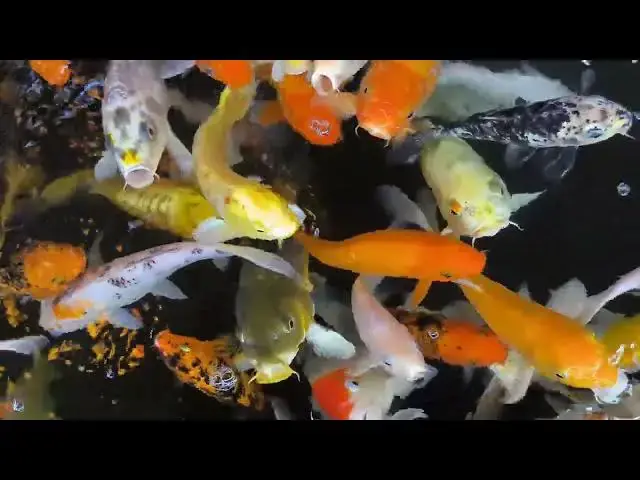
Learn how to properly feed your koi fish at each stage of their life. This guide covers nutritional needs from fry to adult, including protein requirements, feeding frequency, and essential nutrients. Discover how to adjust your koi's diet based on their age and seasonal changes to promote optimal health and vibrant colors.
Show More Show Less View Video Transcript
0:00
koi fish nutrition feeding guide for
0:02
every growth stage koish are living
0:04
jewels in our ponds but their beauty and
0:06
health depend greatly on proper
0:08
nutrition just like humans COA different
0:11
dietary needs as they grow and develop
0:13
understanding how to adjust their diet
0:15
throughout their life stages is crucial
0:17
for raising healthy vibrant koi KO fish
0:21
go through three main growth stages the
0:24
fry stage juvenile stage and adult stage
0:27
each of these stages requires a specific
0:30
diet to support optimal growth and
0:32
development let's start with the fry
0:34
stage koi fry or baby koi you need a
0:37
diet high in protein to support their
0:39
rapid growth during this stage which
0:41
lasts for the first few weeks of Life
0:43
koi should be fed a diet consisting of
0:45
about 50 to 60% protein ideal Foods
0:49
include finely ground flakes liquid fry
0:52
food or newly hatched brine shrimp feed
0:54
the fry small amounts four to six times
0:57
a day to ensure they have constant
0:59
access to nutrition without overfeeding
1:01
as koi enter the juvenile stage which
1:03
lasts from a few months to about a year
1:05
their protein needs decrease slightly at
1:07
this stage a diet with 40 to 50% protein
1:11
is appropriate juvenile koi can eat a
1:14
variety of foods including high quality
1:17
koi pellets freeze dried foods and some
1:21
fresh vegetables like lettuce or spinach
1:23
feed them 3 to four times a day offering
1:26
only as much as they can consume in
1:28
about 5 minutes adult koi which are
1:31
typically over a year old require a more
1:34
balanced diet their protein needs drop
1:36
to about 30 to 40% of their diet at this
1:40
stage it's important to provide a vared
1:43
diet that includes both animal and
1:45
plant-based proteins commercial koi food
1:48
supplemented with fresh fruits and
1:50
vegetables makes an excellent staple
1:52
diet for adult koi feeding two to three
1:55
times a day is usually sufficient
1:58
adjusting the amount based on water
2:00
temperature and koi's activity level
2:03
throughout all stages it's crucial to
2:05
ensure that koi receive essential
2:07
nutrients these include vitamins uh D E
2:11
A and C as well as minerals like calcium
2:15
and phosphorus many highquality
2:18
commercial koi foods are formulated to
2:20
provide these nutrients but
2:22
supplementing with Fresh Foods can help
2:24
ensure a well-rounded diet the frequency
2:26
and amount of feeding should be adjusted
2:29
based on water temperature in warmer
2:31
months when koi are more active they'll
2:33
need more food as temperatures drop
2:36
their metabolism slows and they require
2:38
less food when water temperatures fall
2:40
below 50° F feeding should be reduced
2:44
significantly or stopped alt together
2:46
remember overfeeding can lead to poor
2:49
water quality and health issues for your
2:51
koi it's better to slightly underfeed
2:54
than to overfeed always remove any
2:56
uneaten food after a few minutes to
2:59
prevent it from decomposing in the pond
3:01
monitoring your Ko's growth and health
3:03
is key to ensuring their diet is
3:05
appropriate watch for signs of Healthy
3:07
Growth vibrant colors and active
3:10
Behavior if you notice any issues
3:13
consult with a COA expert or
3:15
veterinarian to adjust their diet
3:17
accordingly by understanding and meeting
3:19
the nutritional needs of your KOA at
3:21
each growth stage you'll be rewarded
3:23
with healthy beautiful fish that will
3:25
bring joy to your pond for years to come
3:28
remember uh well-balanced diet is the
3:31
foundation of Chloe Health contributing
3:33
to their growth color and overall
3:36
vitality
#Meat & Seafood
#Pet Food & Supplies
#Pets
#Fish & Aquaria
#Biological Sciences