Up next in 10

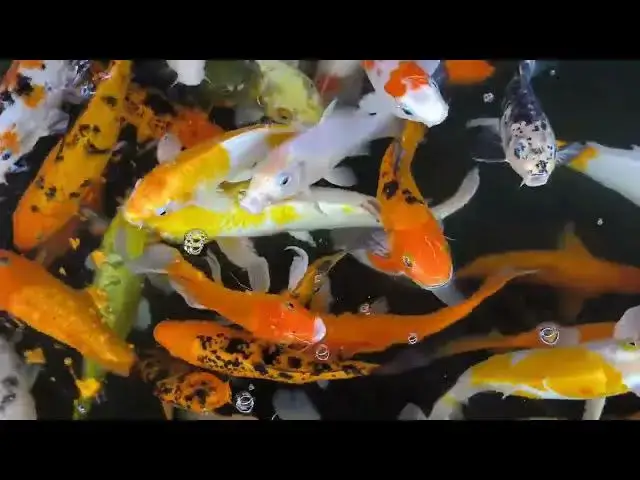
Learn why koi fish require large ponds to thrive. This video explores the space needs of koi, the dangers of small ponds, and how to properly care for these beautiful ornamental fish. Discover alternatives for smaller water features and ensure your koi live healthy, vibrant lives.
Show More Show Less View Video Transcript
0:00
koi fish need space debunking the small
0:02
pond knit imagine two ponds side by side
0:05
one is spacious crystal clear and
0:09
teeming with vibrant graceful KO fish
0:12
the other is Tiny murky and overcrowded
0:15
with stressed sluggish koi this stark
0:17
contrast illustrates a dangerous myth in
0:20
the world of ornamental fishkeeping the
0:22
belief that koi fish can live happily in
0:24
tiny ponds GOI also known as Nishiki GOI
0:29
are colorful varieties of the amure carp
0:32
these beautiful fish have been
0:33
selectively bred for centuries in Japan
0:36
and have become popular ornamental fish
0:39
worldwide their striking colors and
0:41
patterns combined with their seemingly
0:43
peaceful nature have led many to believe
0:46
they make ideal pets for small water
0:48
features however this could not be
0:50
further from the truth the myth that Ki
0:52
can thrive in small ponds likely stems
0:55
from their calm demeanor and the sight
0:57
of them in small display tanks that P do
1:00
some people mistakenly think that fish
1:02
only grow to the size of their
1:04
environment this misconception has led
1:06
to countless koi being kept in woefully
1:09
inadequate conditions in reality koi
1:12
requires substantial space to grow swim
1:15
and maintain their health a single adult
1:17
koi can grow up to 3 ft in length and
1:20
needs at least 250 gallons of water for
1:23
a small group of koi a pond should be at
1:25
least 1,000 gallons this is not just
1:28
about swimming space it is about
1:30
maintaining water quality and a stable
1:32
ecosystem keeping koi and Tiny ponds can
1:35
have severe consequences for their
1:36
health and well-being in in cramped
1:38
conditions water quality deteriorates
1:40
rapidly leading to high levels of
1:42
ammonia and nitrites this poor water
1:45
quality can cause stress stunted growth
1:47
weakened immune systems and increased
1:50
susceptibility to diseases koi in small
1:53
ponds often exhibit abnormal behavior
1:56
loss of color and shortened lifespans to
1:59
prop ly care for koi you need more than
2:02
just space uh well-designed Koi pond
2:06
should have adequate filtration to
2:08
handle the fish's waste production it
2:10
should be deep enough at least 4 to 5 ft
2:12
in some areas to allow the fish to
2:14
escape surface ice in Winter and avoid
2:17
Predators the pond should also have
2:19
varying depths and features to mimic
2:21
their natural habitat and provide
2:22
environmental enrichment if you do not
2:25
have the space for a large koi pond
2:27
there are alternatives consider smaller
2:29
P fish species that are better suited to
2:32
compact environments such as goldfish or
2:34
smaller varieties of cart you could also
2:36
opt for a water feature without fish
2:38
using plants and decorative elements to
2:40
create a tranquil atmosphere the myth
2:42
that Ka can live in tiny ponds is not
2:45
just false it is harmful these
2:47
magnificent fish deserve to live in
2:49
environments that allow them to thrive
2:51
not just Survive by providing adequate
2:53
space and proper care we can ensure that
2:56
Co Remain the beautiful healthy and long
3:00
lived creatures they are meant to be
3:02
remember when it comes to keeping KO
3:04
bigger is always better
#Pets
#Fish & Aquaria
#Biological Sciences
#Aquaculture