Up next in 10


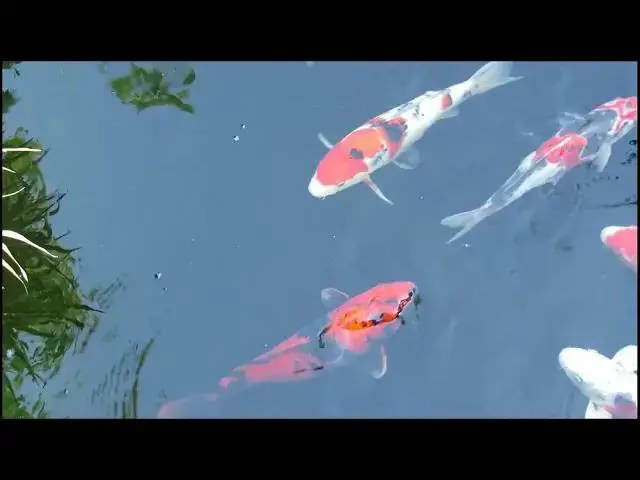
Discover how koi fish motifs are integrated into traditional Japanese woodworking. Learn about the cultural significance of koi in Japan and how skilled carpenters incorporate these symbols into various wooden structures and decorative elements, creating pieces that are both functional and rich in meaning.
Show More Show Less View Video Transcript
0:00
koi fish in Japanese carpentry blending
0:02
symbolism and scill koi fish and
0:05
Japanese carpentry might seem like an
0:07
unlikely pair but these colorful carp
0:10
have swung their way into the intricate
0:12
world of traditional woodworking in
0:14
Japan this fascinating intersection of
0:16
Nature and craftsmanship tells a story
0:18
of symbolism skill and cultural heritage
0:22
in Japanese culture koi fish are much
0:25
more than just aquatic creatures they
0:27
represent perseverance strength and good
0:30
fortune Legend has it that a koi fish
0:33
that successfully swims upstream and
0:35
leaps over the Dragon Gate waterfall
0:37
will transform into a powerful Dragon
0:39
this taale has made koi a symbol of
0:42
determination and the ability to
0:44
overcome obstacles Japanese carpentry
0:47
known as maku is an ancient art form
0:50
renowned for its precision and beauty
0:52
master Carpenters or miiku create
0:56
stunning wooden structures without the
0:58
use of nails or screws relying instead
1:02
on intricate joinery techniques this
1:04
craft has been passed down through
1:06
generations with each Master adding
1:08
their own artistic flare to traditional
1:10
designs the incorporation of koi fish
1:13
into Japanese carpentry is a testament
1:15
to the versatility and creativity of
1:18
these skilled Artisans Carpenters often
1:21
integrate koi motifs into various
1:23
elements of their work from small
1:25
decorative pieces to large structural
1:27
components this Fusion of symbol ISM and
1:30
craftsmanship adds layers of meaning to
1:32
the finished product one common place to
1:35
find koi fish designs is in Ranma the
1:38
decorative transom panels often seen
1:40
above sliding doors in traditional
1:42
Japanese homes these panels are
1:44
typically carved with intricate scenes
1:46
of koi swimming among waves or leaping
1:48
from water the delicate details of
1:50
scales fins and flowing water showcase
1:53
the carpenter skill while bringing a
1:56
sense of movement and life to the static
1:58
wood koi motifs also appear in wooden
2:01
screens known as the OBU these folding
2:04
partitions often feature elaborate
2:06
Landscapes and koi fish might be
2:08
depicted swimming in ponds or streams
2:10
Within These scenes the Carpenters
2:12
carefully select wood grains and colors
2:14
to enhance the natural appearance of the
2:16
fish creating a harmonious blend of Art
2:19
and nature even in more structural
2:21
elements such as beams and posts skilled
2:24
Carpenters find ways to incorporate koi
2:26
designs a subtly carved koi might swim
2:29
along the length of a beam or stylized
2:32
fish scale pattern could be worked into
2:34
the surface of a post these details
2:36
might not be immediately noticeable but
2:38
they add depth and meaning to the
2:40
overall design the use of koi and
2:42
carpentry goes beyond mere decoration
2:45
each koi inspired element carries
2:48
symbolic weight a pair of koi carved
2:50
into a wedding chest might represent
2:52
Harmony and prosperity in marriage a
2:54
single koi swimming upstream and
2:56
business offices Decor could symbolize
2:58
professional perseverance and success
3:00
the number and arrangement of koi in a
3:02
design can also convey specific meanings
3:06
with odd numbers often preferred for
3:08
their auspicious nature in Japanese
3:10
culture this tradition of incorporating
3:12
koi fish into carpentry speaks to the
3:15
Deep connection between nature art and
3:18
daily life in Japanese culture it
3:20
reflects a world view where even
3:23
functional objects can carry profound
3:25
symbolic meaning by embedding these
3:27
auspicious symbols into the very
3:29
structure of buildings and Furniture
3:32
Japanese Carpenters create spaces that
3:34
are not just physically sound but
3:36
spiritually and culturally rich as well
3:38
the symbolic use of koi fish in Japanese
3:41
carpentry is a beautiful example of how
3:44
traditional crafts can preserve and
3:46
transmit cultural values it demonstrates
3:49
the Japanese appreciation for subtlety
3:51
and layers of meaning in art as we
3:54
admire these intricate wooden koay we're
3:57
not just seeing fish or admiring
3:59
Craftsman ship we're glimpsing a piece
4:01
of Japan's cultural Soul swimming
4:03
gracefully through the currents of time
4:05
and tradition
#Crafts
#Biological Sciences
#Sculpture
#Other
#Ceramics & Pottery