Up next in 10


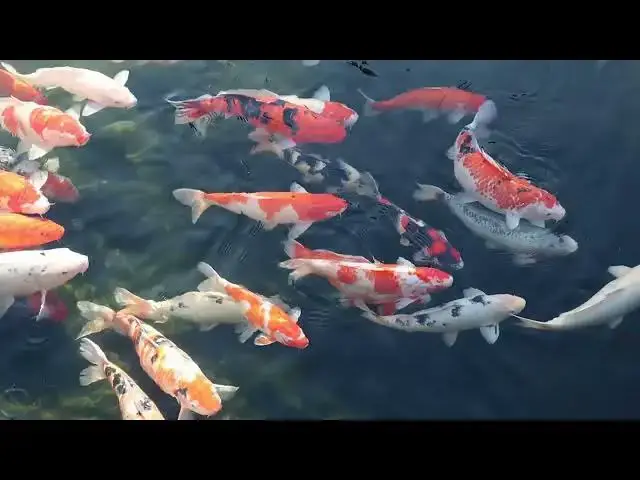
Explore the significance of koi fish in Japanese architecture, from ancient temples to modern designs. Learn how these colorful creatures symbolize perseverance and transformation, and see how architects incorporate koi motifs in various elements of buildings, including tiles, rain chains, and structural features.
Show More Show Less View Video Transcript
0:00
koi fish in Japanese architecture symbol
0:03
of strength and beauty koi fish with
0:06
their vibrant colors and graceful
0:08
movements have long captivated the
0:11
imagination of the Japanese people these
0:13
beautiful creatures have transcended
0:15
their natural habitat to become a
0:17
powerful Motif in Japanese architecture
0:20
symbolizing perseverance transformation
0:23
and good fortune the use of koi fish as
0:26
an architectural element dates back to
0:28
the Ed period which lasts from 16003 to
0:32
1868 during this time of peace and
0:34
prosperity Japanese art and architecture
0:36
flourished and koi fish began to appear
0:39
in various forms of decorative Arts
0:41
including building design in Japanese
0:43
culture koi fish hold deep symbolic
0:45
meaning they represent strength and
0:48
determination as they are known for
0:50
their ability to swim upstream against
0:52
strong currents this has led to their
0:54
association with overcoming obstacles
0:56
and achieving success KO are also linked
0:59
to the concept of transformation as
1:02
there is a legend that states if a koi
1:04
successfully climbs the waterfall it
1:06
will turn into a dragon Architects and
1:09
designers have Incorporated koi fish
1:11
motifs into Japanese buildings in
1:13
numerous ways one common application is
1:15
in the form of decorative tiles or
1:17
mosaics often seen in traditional bath
1:19
houses or onset these colorful
1:22
depictions of koi can be found on walls
1:24
floors and even ceilings creating a
1:27
Serene and luxurious atmosphere another
1:30
popular use of koi fish in architecture
1:32
is in the design of rain chains or
1:34
kuzari DUI these decorative alternatives
1:37
to traditional down spouts often feature
1:40
stylized Koy fish shapes guiding
1:42
rainwater from the roof to the ground in
1:44
an aesthetically pleasing man Co Motif
1:47
can also be found in more structural
1:49
elements of buildings some traditional
1:51
Japanese homes feature intricate wood
1:53
carvings of koi fish on beams pillars or
1:57
sliding doors these carvings not only
1:59
serve as beautiful decorations but also
2:02
as symbols of protection and good
2:05
fortune for the household one notable
2:07
example of koi fish in Japanese
2:09
architecture is the koi gate at
2:12
shimogamo Shrine in Kyoto this striking
2:15
red Torii gate features a large
2:17
three-dimensional koi fish sculpture at
2:20
its Center appearing to swim upwards
2:22
Towards the Sky the gate serves as a
2:25
powerful symbol of the shrine's
2:27
connection to water and the
2:28
transformative power of perseverance in
2:31
modern times Japanese Architects
2:33
continue to draw inspiration from Koi
2:36
fish incorporating their forms and
2:38
symbolism into contemporary designs for
2:41
instance the koi Cafe in Hanoi Vietnam
2:45
designed by Japanese architect vron Anda
2:48
features a stunning facade made of
2:50
tubular steel bars arranged in a pattern
2:53
reminiscent of swimming koi this
2:56
Innovative design not only pays homage
2:58
to traditional Japanese motifs but also
3:01
serves a practical purpose by providing
3:03
shade and ventilation to the building
3:05
the enduring presence of ko fish motifs
3:07
in Japanese architecture speaks to their
3:10
deep cultural significance and aesthetic
3:12
appeal from ancient temples to Modern
3:15
cafes these elegant creatures continue
3:18
to swim through the built environment of
3:20
Japan reminding us of the beauty
3:22
strength and transformative power found
3:24
in nature as Japanese architecture
3:27
evolves the koi fish remains a tiny less
3:30
symbol Bridging the Gap between
3:32
tradition and innovation in design
#Visual Art & Design
#Architecture
#Fish & Aquaria
#Biological Sciences