Up next in 10



Unlocking the Mystery of the "Iron Lung": Tech Explained
Show More Show Less View Video Transcript
0:00
Imagine being completely paralyzed, unable to breathe on your own, and facing the very real possibility of suffocating
0:08
That was the reality for thousands of people during the polio epidemics of the mid-20th century
0:14
But thanks to an incredible invention known as the iron lung, many of these patients were able to survive and even thrive
0:22
The savior iron lung is such an amazing invention that needs to be looked into
0:26
How does it work? And what are the impacts it had on the lives of those who relied on it for survival
0:33
Hey everyone, welcome to Best Cool Tech. In today's video, we're discussing iron lungs
0:42
So sit back, relax, and prepare to be amazed by the remarkable reality of the iron lung
0:48
If you've never heard or know anything about this technology, you need to
0:53
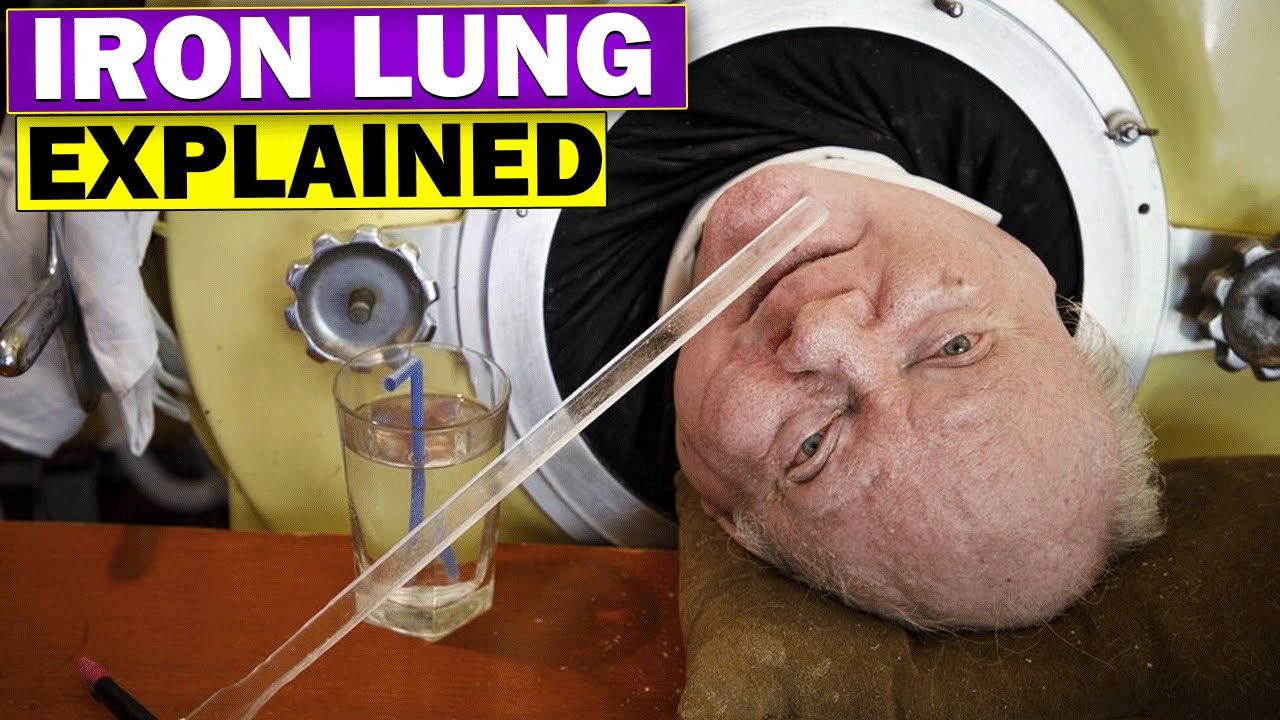
So what is an iron lung? An iron lung, also known as a negative pressure ventilator, is a mechanical device that is used to help people breathe when their respiratory muscles are paralyzed, such as in the case of polio
1:06
It consists of a large metal cylinder or box in which the patient's body is inserted up to the neck and a motorized pump that creates a vacuum inside the chamber
1:15
causing the patient's chest to expand and contract and allowing air to be drawn in and out of their lungs
1:21
When the patient was placed in the iron lung, a rubber collar would be placed around the neck to create a seal
1:27
and then the pump would be turned on, causing the pressure inside the chamber to drop and air to be drawn into the patient's lungs
1:34
When the pump was turned off, the pressure inside the chamber would return to normal
1:39
causing the patient's chest to relax and the air to be expelled from their lungs
1:43
Iron lungs were widely used in the mid-20th century to help people with polio breathe
1:48
and they were very effective at keeping patients alive. However, they were also very large and cumbersome and required a lot of maintenance
1:57
As more effective respiratory treatments, such as positive pressure ventilators, were developed
2:02
the use of iron lungs declined. Today, they are largely obsolete, but they remain an important historical reminder
2:08
of the challenges that were faced during the polio epidemics of the past
2:13
When you think of medical devices, iron lungs might not be the first thing to come to mind
2:18
However, the history of iron lungs is a fascinating and important one
2:23
filled with innovation, perseverance, and hope. From the earliest prototypes to the
2:28
sophisticated models of the mid-20th century, iron lungs revolutionized respiratory treatment and saved countless lives during the polio epidemics of the past The story of iron lungs began in the early 20th century when doctors searched for a way to help people with polio breathe At the time polio was a devastating disease that caused paralysis of the respiratory muscles
2:51
making it difficult or impossible for patients to breathe on their own
2:55
The first attempts at respiratory treatment involved manually squeezing the patient's chest, but this was exhausting and often ineffective
3:03
Then, in the 1920s, a doctor named Philip Drinker came up with the idea of using negative pressure to help the patients breathe
3:11
He and his team developed a prototype iron lung that consisted of a metal cylinder with a motorized pump that could create a vacuum inside the chamber, allowing the patient's chest to expand and contract
3:23
Over the next few decades, the design was refined and improved, and iron lungs became a common sight in hospitals and treatment centers around the world
3:32
The development of iron lungs was a major breakthrough in respiratory treatment
3:37
and it played a crucial role in the fight against polio. Iron lungs were able to keep patients alive for weeks, months, or even years
3:44
giving them a chance to recover from the disease. They also paved the way for other respiratory treatments
3:50
such as positive pressure ventilators, which are still used today. The history of iron lungs is a testament to human ingenuity and the power of medical innovation
4:00
Despite the challenges posed by polio, doctors and scientists were able to develop a device that saved countless lives and helped usher in a new era of respiratory treatment
4:10
Today, iron lungs may be largely obsolete, but they remain an important reminder of the medical breakthroughs that have helped shape our world
4:19
Do you know how an iron lung works? If you've ever seen a picture of one of these massive metal cylinders, you might wonder how they were able to keep people alive
4:28
The answer lies in the complex mechanics of the pump that creates negative pressure inside the chamber
4:35
Inside the iron lung, a patient's body is sealed up to the neck, with only their head sticking out of the top
4:41
The pump creates a vacuum inside the chamber, which causes the patient's chest to expand, drawing air into their lungs
4:49
When the pump is turned off, the pressure inside the chamber returns to normal
4:53
causing the patient's chest to relax and air to be expelled from the lungs
4:57
This simple yet effective mechanism allowed thousands of people with polio to breathe when their respiratory muscles were paralyzed
5:05
The early versions of iron lungs were operated by hand-cranked bellows, but later models used motorized pumps that were regulated by sophisticated controls
5:15
The pressure inside the chamber had to be carefully monitored and adjusted to ensure the patient breathing was optimal While iron lungs are now largely obsolete they played a crucial role in the development of modern respiratory treatment paving the way for positive pressure ventilators
5:31
and other advanced devices. Understanding the mechanics of iron lungs is a fascinating reminder
5:36
of the ingenuity and perseverance of medical innovators who worked tirelessly to save lives
5:42
in the face of great adversity. Have you ever wondered how medical technology has advanced
5:48
over the years to help people with respiratory issues. The world has come a long way in the field
5:53
of respiratory care since the invention of the iron lung. In modern times, we have a range of
5:59
advanced medical technologies that have replaced the iron lung and other traditional ventilators
6:04
and respirators. In particular, the ongoing COVID-19 pandemic has spurred new developments
6:10
in this area, with innovative technologies being developed to help patients breathe and recover
6:15
from the virus. One of the most significant advances in respiratory care has been the
6:20
development of positive pressure ventilators, which work by pushing air into the lungs rather
6:25
than creating a vacuum around the patient's body. These machines are smaller, more portable
6:31
and less invasive than the iron lung, making them more practical for use in a variety of
6:36
medical settings. They are commonly used in hospitals and emergency rooms to treat a range
6:42
of respiratory conditions, including acute respiratory distress syndrome, or ARDS, pneumonia, and COPD. In the wake of the COVID-19 pandemic, new technologies have emerged to provide even more
6:54
targeted and precise respiratory care. For example, extracorporeal membrane oxygenation, or ECMO, is a form of life support that oxygenates the blood outside of the body and removes carbon
7:07
dioxide, providing vital support to patients with severe respiratory failure. High-flow nasal cannula, or HFNC, is another technology that has proven effective in treating
7:18
COVID-19 patients, providing high levels of oxygen directly to the patient's airways
7:23
through a special nasal cannula. Other advanced technologies that have replaced the iron lung and other traditional ventilators
7:31
and respirators include non-invasive positive pressure ventilation, or NIPPV, which provides ventilation support without intubation, and continuous positive airway pressure, or CPAP
7:43
which provides a continuous stream of air to keep the airways open during sleep
7:47
These technologies have made respiratory care more effective, less invasive, and more accessible to
7:53
a wider range of patients. The modern-day technologies that have replaced the iron lung
7:57
and other traditional ventilators and respirators have revolutionized the field of respiratory care
8:03
From positive pressure ventilators to advanced technologies like ECMO and HFNC these innovations are providing life support to patients with respiratory conditions including those
8:14
suffering from COVID-19. As medical technology continues to advance, we can expect even more
8:21
breakthroughs in respiratory care that will help patients breathe easier and live healthier lives
8:27
Since modern technology has revolutionized the healthcare industry, and respiratory devices like ventilators have become increasingly sophisticated. However, have you ever wondered
8:37
how the traditional iron lung machine differs from the modern-day ventilators? Iron lungs have been used to treat various respiratory ailments for over a century
8:48
The traditional iron lung machine is a large cylindrical tank with a door that opens at one
8:53
end. Patients would lie down inside the tank, and the machine would force air in and out of their
8:59
lungs by altering the pressure within the chamber. In contrast, modern-day ventilators use an entirely
9:05
different mechanism. These machines are smaller, portable, and can be used to treat various
9:11
respiratory conditions. Ventilators typically consist of a pump, oxygen supply, and tubing that
9:17
delivers air to the patient's lungs. They can be programmed to deliver different amounts of air and
9:22
oxygen at specific intervals, depending on the patient's needs. One significant difference between
9:28
the two devices is the level of control they offer. Ventilators can be precisely programmed
9:33
to deliver specific amounts of air and oxygen, whereas iron lungs rely on the natural pressure
9:39
of the chamber to force air into the lungs. This makes ventilators more adaptable to different
9:44
patients and conditions. Another difference is the level of discomfort the patients experience
9:50
While iron lungs are bulky, cumbersome machines that can be claustrophobic and uncomfortable to
9:55
lie-in, ventilators are more streamlined and offer patients greater mobility. Patients can be connected to a ventilator while sitting upright, which is a significant
10:05
advantage for those with breathing difficulties. While the traditional iron lung machine played a significant role in treating respiratory
10:12
conditions for over a century, modern-day ventilators have revolutionized the way we
10:17
treat these ailments. With greater adaptability, ease of use, and more significant levels of control, ventilators
10:24
have become the go-to device for treating respiratory conditions in modern healthcare facilities
10:30
Now, I want to hear from you. Have you ever heard of iron lungs before? Or what do you think about
10:35
the development and use of these devices? Let me know in the comments below. And if you enjoyed
10:41
this video, don't forget to give it a thumbs up and hit the subscribe button for more engaging
10:47
and informative video. Thanks again for watching
Respiratory Conditions
Public Health
Hobbies & Leisure
Assistive Technology