Up next in 10



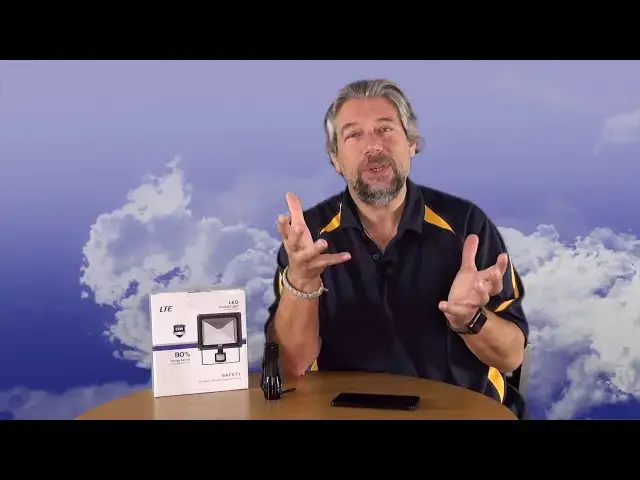
You've seen the mysterious IP ratings on cameras, phones, smart watches, even outdoor surveillance equipment, but what really is the difference between an IP43 and an IP68 gadget or device? Tech expert Dave Taylor of https://www.AskDaveTaylor.com/ takes the mystery out of International Protection Markings (aka "Ingress Protection") and explains how the scales are calculated and what you should look for in a truly weatherproof smartphone, drone, or camera.
Devices considered include a DJI Matrice 200 drone, a Nest Outdoor Camera, an Apple Watch and a Samsung Galaxy Note8.
Show More Show Less View Video Transcript
0:00
IP ratings on your devices what do they
0:02
mean let's find out Dave Taylor here and
0:13
I want to talk about IP ratings on
0:15
devices now you've seen the before on
0:18
your phone maybe your watch where it's
0:20
gonna be like IP 65 or IP 67 or
0:23
something but what do they actually mean
0:25
turns out that IP stands for depending
0:28
on who you talk to either ingress
0:30
protection or international protection
0:33
IP turns out that that is actually more
0:37
formally known as IEC standard let me
0:40
get it right 605 to 9 and it's a two
0:44
digit number that explains both with
0:46
solids and liquids what level of
0:48
protection a device has so let's take
0:51
this outside floodlight for example if
0:53
we look on the box it says that it's
0:56
rated where is it IP 65 so this outdoor
1:01
floodlights rated IP 65 well the first
1:04
number is its resistance to solids and
1:07
let me just say in both cases as zero
1:10
means that's completely open and exposed
1:12
if you have an open circuit board that's
1:15
an IP zero and then it goes up from
1:17
there so IP level 1 it's protected from
1:20
things greater than 50 millimeters which
1:22
is pretty big IP level 2 is twelve point
1:26
five millimeters three is two point five
1:28
four is where we're starting to get
1:30
something interesting where it's
1:32
protected from anything greater than one
1:35
millimeter in size so you know sand
1:38
probably is still gonna be a problem but
1:40
IP 5 is dust protected and IP 6 is dust
1:46
tight so remember this is an ip65 so IP
1:51
6 the first digit that's the highest it
1:54
can be and that's good that means that
1:55
it's completely rated against any sort
1:58
of dust issues the second digit is water
2:01
and again liquid level zero means it's
2:05
not protected at all you don't even want
2:06
to like get it humid IP level 1 is
2:10
dripping water and then it goes spraying
2:12
water is
2:13
three splashing water is four five is
2:17
water jet 6 is high-pressure water jets
2:21
7 is immersion in water up to one metre
2:24
and eight which is the highest waiting
2:27
is immersion greater than one meter in
2:29
depth so now let's go back and look at
2:32
this again ip65 so it has as much dust
2:36
protection as it can but it only
2:39
protects against water jets so if you
2:42
put this somewhere where it's going to
2:43
be rained on and waters gonna sit and
2:46
maybe accumulate around it it will fail
2:48
but if you hose it off
2:50
you're good to go that's what a water
2:51
jet is right now let's look at a
2:54
smartphone so let's for example say this
2:57
is the Galaxy Note 8 the brand new
2:59
Galaxy Note 8 that's an IP 68 now that's
3:03
the best rating you can have so the 6
3:06
means it's completely dust proof and the
3:09
8 means that it's a safe and can survive
3:12
immersion greater than 1 meter in depth
3:14
so that's pretty good so Galaxy Note 8
3:17
the LG G 6 those are all IP 68 now let's
3:22
work our way down a little bit my Apple
3:24
watch is an IP 67 or an ip67 and what
3:29
that means is that I can actually have
3:32
it it's totally dust proof but it's only
3:34
technically rated waterproof up to one
3:37
meter in depth or three feet so
3:40
perfectly good for the shower perfectly
3:42
good if I want to just go and jump in
3:44
the pool and swim around but not very
3:47
good for deep sea diving that would
3:48
actually cause the watch to fail now
3:51
what else do we have so let's look at
3:53
the nest outdoor camera so the nest
3:56
outdoor cam is an IP 65 so again just
4:00
like this it means that it's fully dust
4:03
proof but it's not waterproof if for
4:05
some reason it falls down and ends up
4:07
sitting in a puddle it'll fail now there
4:10
are even devices that have less
4:12
protection than that a really
4:13
interesting example is the DG I deed
4:16
sorry DJ I matrice 200 and that's a
4:21
drone and that's rated as a super
4:24
all-weather drone but it turns out it's
4:26
IP
4:27
is only 43 so what does that mean so ip4
4:30
means it's protected from objects or
4:33
solids greater than one millimeter in
4:35
size so when it's up in the air and
4:38
there's dust and all sorts of stuff I
4:41
not be fully protected from that
4:42
depending on how big the actually
4:44
individual bits of dust are and then I
4:47
said IP 43 3 is not much of a water
4:50
rating that means it's safe from
4:52
spraying water but it's not okay from
4:55
splashing or Jets of water so if you
4:58
have that up in the air and you have
4:59
your DJI drone and you're having fun and
5:01
it starts raining you probably need to
5:03
land it and get it back under cover as
5:05
fast as you can so that's how this works
5:08
the IP ratings the first number is
5:11
solids the second number is liquids and
5:13
bigger numbers are better than smaller
5:16
numbers and the best possible value that
5:18
you can have from this rating system is
5:21
ip68 like things like the Samsung Note 8
5:26
and the LG G 6 this is Dave Taylor go
5:29
ahead and click that subscribe button if
5:31
you don't mind and I will catch you in
5:34
my next video
5:40
[Music]