Up next in 10


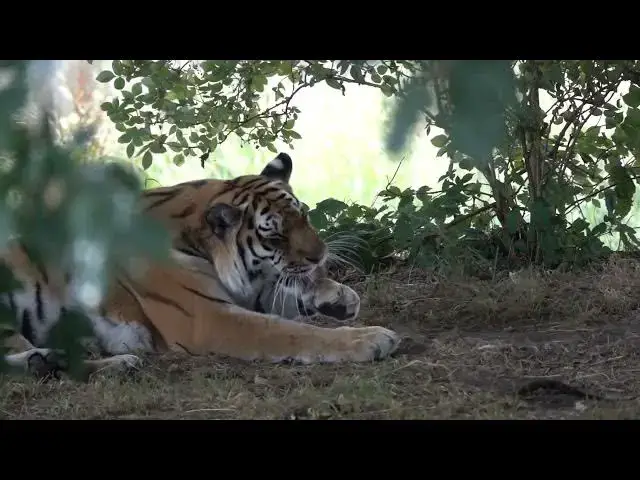
Discover the clever strategies tigers use to avoid human encounters in their shrinking habitats. From nighttime activity to silent movement, learn how these big cats adapt to survive in a human-dominated world.
Show More Show Less View Video Transcript
0:00
how Tigers evade human
0:02
detection survival tactics of big
0:05
cats tigers are known for their striking
0:08
orange and black stripes but these apex
0:12
predators are masters of staying hidden
0:15
from human
0:16
eyes how do these large cats manage to
0:20
avoid detection in a world increasingly
0:22
dominated by human
0:24
activity tigers have evolved remarkable
0:27
strategies to remain undetected by
0:29
humans
0:30
a skill crucial for their survival in
0:33
today's rapidly changing
0:35
Landscapes as human populations expand
0:39
and encroach upon tiger habitats these
0:42
big cats have had to adapt their
0:44
behavior to avoid conflict and maintain
0:47
their secretive
0:48
Lifestyles one of the primary ways
0:51
Tigers avoid detection is through their
0:54
activity
0:55
patterns these nocturnal Hunters are
0:58
most active during the night when human
1:01
presence is at its
1:03
lowest by operating in the darkness
1:06
tigers can move more freely and hunt
1:08
with less risk of encountering
1:11
humans this nighttime activity also
1:15
aligns with the behavior of many of
1:17
their prey species which are similarly
1:20
adapted to avoid human
1:22
detection Tigers also utilize their
1:25
iconic coat pattern to great
1:27
effect while their orange and back
1:30
Stripes might seem conspicuous to us
1:33
they provide excellent camouflage in the
1:35
dappled light of forests and
1:38
grasslands this natural camouflage
1:42
allows Tigers to blend seamlessly into
1:44
their surroundings making them nearly
1:47
invisible to the human eye especially in
1:50
low light condition another key strategy
1:54
is the tiger's use of dense vegetation
1:56
and challenging
1:58
terrain these big cats prefer areas with
2:02
thick undergrowth tall grasses and
2:04
rugged Landscapes that are difficult for
2:07
humans to
2:08
navigate by sticking to these areas
2:11
tigers can move about and rest with
2:13
minimal risk of human
2:16
encounters they often establish their
2:18
territories in the most remote and
2:21
inaccessible parts of their range
2:23
further reducing the likelihood of human
2:26
detection tigers are also in incredibly
2:30
stealthy in their
2:32
movements despite their large size they
2:35
can move almost silently through their
2:37
environment carefully placing each pore
2:40
to avoid making
2:42
noise this silent approach not only
2:46
helps them hunt more effectively but
2:48
also allows them to retreat quickly and
2:51
quietly if they sense human presence
2:54
nearby interestingly tigers have shown
2:57
the ability to learn and adapt to human
3:00
activity
3:01
patterns in areas where human presence
3:04
is more frequent Tigers May adjust their
3:07
movements to avoid peak times of human
3:11
activity they might use specific
3:14
Wildlife corridors or crossing points
3:17
during times when human traffic is
3:19
lowest demonstrating a remarkable
3:21
ability to coexist with humans while
3:24
minimizing direct
3:26
contact Tigers also have acute sense
3:30
that help them detect human presence
3:32
long before humans are aware of the
3:35
tiger their excellent hearing and sense
3:38
of smell allow them to pick up on human
3:41
activity from a distance giving them
3:44
ample time to retreat or hide before any
3:48
visual contact is
3:50
made understanding how Tigers avoid
3:52
detection during human activity is
3:55
crucial for conservation
3:57
efforts this knowledge helps Wildlife
4:00
managers and
4:02
conservationists develop more effective
4:04
strategies to protect tiger populations
4:08
and mitigate human tiger
4:10
Conflict by respecting the Tiger's need
4:13
for space and minimizing disturbances in
4:16
key tiger habitats we can help ensure
4:19
the survival of these magnificent
4:21
creatures in our shared
4:23
Landscapes the ability of tigers to
4:26
avoid human detection is a testament to
4:28
their intelligence and
4:31
adaptability as we continue to study and
4:34
understand these elusive Predators we
4:36
gain valuable insights into the delicate
4:39
balance between human activity and
4:42
Wildlife
4:43
Conservation the future of tigers
4:45
depends on our ability to coexist
4:48
respecting their need for undisturbed
4:51
habitats while managing the inevitable
4:53
interactions between humans and these
4:56
iconic big cats
#Wildlife
#Wildlife
#Ecology & Environment
#Hunting & Shooting