Up next in 10


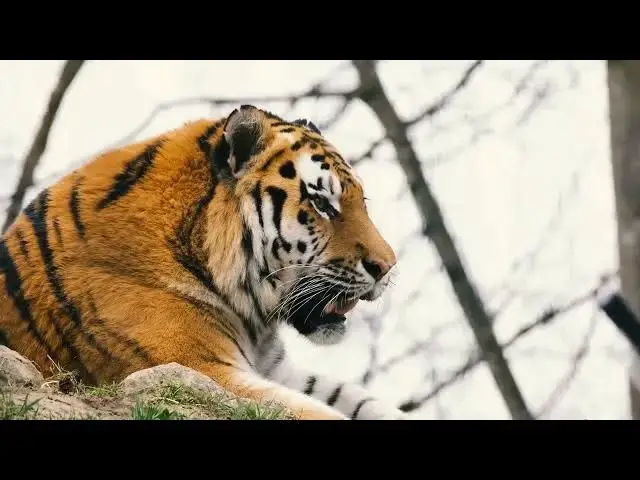
Explore how contemporary Japanese artists reimagine the tiger, blending traditional symbolism with new techniques. This video examines works by Yayoi Kusama, Takashi Murakami, and others, showing how the tiger motif evolves in various art forms, from digital illustrations to street art, reflecting Japan's cultural dynamics.
Show More Show Less View Video Transcript
0:00
tigers in modern Japanese
0:02
art from tradition to
0:05
Innovation the tiger a creature of power
0:08
and mystery has long captivated the
0:11
imagination of artists around the world
0:14
in contemporary Japanese art This
0:18
Magnificent animal continues to play a
0:20
significant role evolving from its
0:23
traditional representations to new
0:26
thought-provoking interpretations
0:30
historically Tigers were not native to
0:33
Japan yet they held a special place in
0:36
Japanese art and
0:37
culture introduced through Chinese
0:40
influences Tigers were often depicted in
0:43
classical Japanese paintings and
0:45
sculptures as symbols of strength
0:48
courage and protection against evil
0:52
spirits these Port Trails were largely
0:55
based on imagination and imported
0:57
artistic conventions as most ja Japanese
1:00
artists had never seen a live tiger in
1:04
the modern era Japanese artists have
1:06
begun to reinterpret the Tiger in
1:09
fascinating
1:10
ways no longer bound by traditional
1:13
artistic constraints they are free to
1:16
explore new dimensions of this iconic
1:19
animal contemporary Japanese art
1:22
featuring Tigers often Blends elements
1:24
of the country's Rich cultural heritage
1:26
with modern artistic techniques and
1:29
Global INF
1:30
influences one striking example of this
1:33
Evolution can be seen in the work of
1:35
yayoi kusama a Renown contemporary
1:38
Japanese
1:40
artist Kama poker dotted sculptures of
1:43
animals including Tigers challenge
1:46
conventional
1:48
representations her Tigers covered in
1:51
vibrant spots blur the line between the
1:54
natural and the Fantastical inviting
1:57
viewers to reconsider their perceptions
2:00
of this powerful
2:02
Predator another notable contemporary
2:04
artist Tashi murakami incorporates tiger
2:07
imagery into his superlat style which
2:10
merges traditional Japanese artistic
2:12
techniques with contemporary pop
2:15
culture murakami Tigers often appear
2:19
alongside other animals and mythical
2:22
creatures in colorful chaotic
2:25
compositions that reflect the
2:27
complexities of modern Japanese Society
2:31
the digital age has also influenced how
2:33
Japanese artists portray
2:36
Tigers many contemporary illustrators
2:39
and graphic designers create stylized
2:42
tiger images that circulate widely on
2:45
social media
2:47
platforms these digital Tigers often
2:50
incorporate elements of anime and manga
2:53
Aesthetics appealing to younger
2:55
generations and Global audiences alike
2:58
in the realm of stre street art tigers
3:01
have become a popular subject for murals
3:04
and graffiti in urban
3:06
Japan these public artworks often depict
3:09
tigers in bold graphic Styles sometimes
3:13
combined with traditional Japanese
3:15
motifs or Modern urban
3:17
elements such pieces not only beautify
3:21
City spaces but also serve as a bridge
3:24
between Japan's artistic Heritage and
3:27
its contemporary Urban culture
3:30
contemporary Japanese photographers and
3:33
filmmakers are also exploring new ways
3:35
to capture the essence of
3:38
tigers through Innovative use of
3:40
lighting composition and digital
3:44
manipulation they create images that
3:46
highlight the Tiger's Beauty and power
3:49
while also commenting on issues such as
3:52
conservation and the relationship
3:54
between humans and nature the symbolism
3:58
of the Tiger in context Japanese art has
4:01
expanded Beyond its traditional
4:04
associations while still representing
4:06
strength and courage modern depictions
4:09
often incorporate themes of
4:11
Environmental Conservation cultural
4:14
identity and the tension between
4:16
tradition and modernity in Japanese
4:20
Society some artists use the tiger as a
4:23
metaphor for Japan itself exploring the
4:26
country's economic and cultural impact
4:28
on the global stage
4:30
others employed tiger imagery to
4:32
critique social issues or Express
4:35
Personal emotions demonstrating the
4:38
versatility of this powerful symbol in
4:41
modern artistic
4:43
expression as Japanese art continues to
4:46
evolve in the 21st century the tiger
4:49
remains a potent and adaptable
4:52
symbol from traditional paintings to
4:55
digital art from public murals to Avant
4:58
G inst ations the Tiger in contemporary
5:02
Japanese art reflects the dynamic nature
5:05
of the country's cultural
5:07
landscape it serves as a testament to
5:10
the enduring power of this Majestic
5:12
creature to inspire provoke and
5:16
Captivate Bridging the Gap between
5:18
Japan's Rich artistic Heritage and its
5:22
vibrant contemporary creative scene
#Visual Art & Design
#Art Museums & Galleries
#Painting
#Photographic & Digital Arts
#Body Art
#Pets & Animals
#Other