Up next in 10


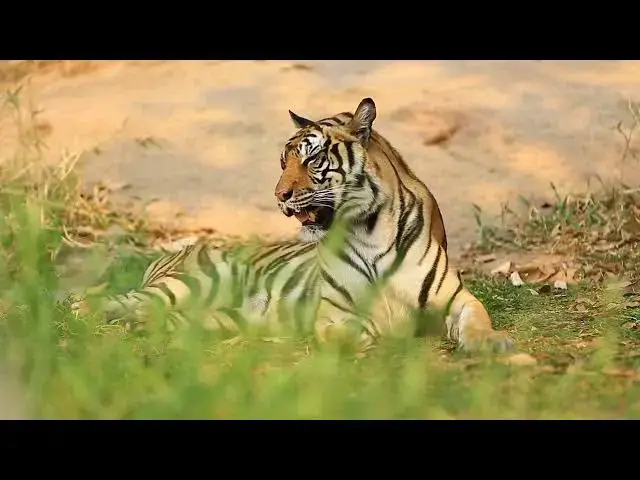
Explore how different environments influence tiger coat colors, from the pale Siberian tigers to the dark Sumatran tigers. Learn about the role of climate in tiger adaptation and its importance for conservation efforts.
Show More Show Less View Video Transcript
0:00
how climate shapes tiger coat
0:02
colors tigers are known for their
0:05
striking orange and black stripes but
0:08
did you know that their cat color can
0:10
vary depending on where they live the
0:13
local climate plays a crucial role in
0:16
shaping the appearance of these
0:17
magnificent big
0:19
cats tigers are found across a wide
0:22
range of habitats from the snowy forests
0:25
of Siberia to the tropical jungles of
0:28
Southeast Asia this diversity in
0:31
environments has led to the evolution of
0:34
several tiger
0:36
subspecies each adapted to its specific
0:39
climate and
0:40
surroundings the most well-known tiger
0:43
subspecies is the Bengal tiger found in
0:47
the Indian
0:48
subcontinent these Tigers typically have
0:51
the classic orange coat with black
0:53
stripes that most people associate with
0:56
tigers the warm tropical climate of
0:59
their habit T doesn't require
1:01
significant changes to their coat color
1:03
for
1:04
survival in contrast Siberian tigers
1:08
also known as Amura tigers live in much
1:11
colder
1:12
regions their coats tend to be lighter
1:15
in color with a paler orange or even a
1:18
golden
1:19
hue this lighter coloration helps them
1:24
blend in better with the snowy
1:26
Landscapes of their habitat during
1:28
winter months
1:30
additionally their fur is thicker and
1:33
longer to provide insulation against the
1:35
harsh coal the Sumatran tiger found on
1:39
the Indonesian island of Sumatra has a
1:42
darker more rust colored coat compared
1:45
to other
1:46
subspecies this deeper Hue helps them
1:49
camouflage in the dense shadowy
1:52
rainforests where they live the darker
1:55
coloration allows them to be more
1:57
effective predators in their Lush green
2:01
environment climate influences tiger cat
2:04
color through two main mechanisms
2:07
temperature regulation and
2:10
camouflage in colder climates lighter
2:13
coats help Tigers absorb more sunlight
2:15
and stay
2:16
warm in warmer climates darker coats can
2:20
help with heat absorption during cooler
2:23
nights camouflage is equally
2:26
important tigers in snowy regions
2:29
benefit from lighter coats that blend
2:31
with their surroundings while those in
2:34
Darker forests are better concealed with
2:36
deeper colored
2:38
fur this adaptation is crucial for their
2:42
hunting success and
2:44
survival interestingly even within the
2:47
same subspecies individual tigers can
2:50
show variations in cooked color based on
2:53
their specific local
2:55
environment Tigers living at higher
2:58
altitudes or in areas with more extreme
3:01
temperature fluctuations May exhibit
3:04
more pronounced color
3:07
adaptations the relationship between
3:09
local climate and tiger coat color is a
3:12
testament to the incredible adaptability
3:14
of these
3:15
animals over Generations tigers have
3:18
evolved to match their environments
3:21
optimizing their chances of survival in
3:23
diverse
3:25
habitats understanding these adaptations
3:28
is not just fascinating from scientific
3:30
perspective it's also crucial for
3:33
conservation
3:34
efforts as climate change Alters
3:37
habitats around the world it may impact
3:41
the effectiveness of Tiger's coat colors
3:43
in their
3:45
environments this knowledge helps
3:48
conservationists better protect these
3:50
magnificent creatures and ensure their
3:53
survival for generations to come the
3:57
next time you see a picture of a tiger
3:59
take a moment to consider its Coke color
4:03
it's not just a beautiful pattern it's a
4:06
window into the animals habitat and a
4:09
testament to Nature's remarkable ability
4:11
to adapt to local climates
#Pets & Animals
#Wildlife
#Climate Change & Global Warming
#Other