0:00
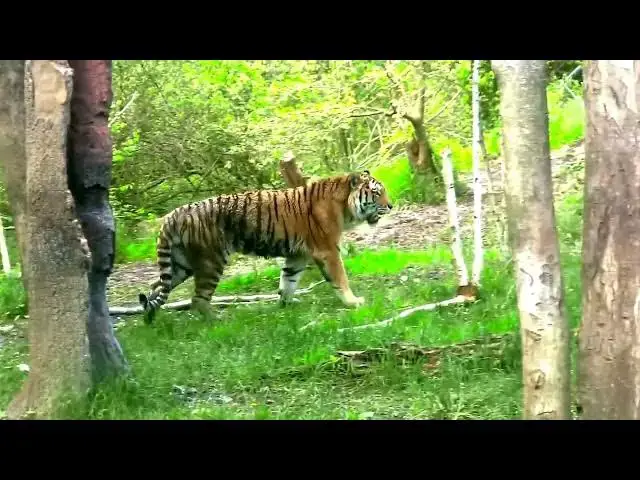
tiger influence how Predators shape prey
0:04
migration the mere presence of a tiger
0:07
can send ripples through an entire
0:10
ecosystem these apex predators don't
0:13
just hunt their prey they shape the very
0:16
movements and behaviors of the animals
0:18
around them today we're exploring how
0:21
Tiger's movements influence the
0:24
migration patterns of their prey a
0:26
fascinating dance of survival that
0:30
landscapes in the world of Predator prey
0:34
relationships every action has a
0:37
reaction when Tigers roam their
0:39
territories they create what ecologists
0:44
fear pre animals must constantly balance
0:48
their need for food and water with the
0:50
risk of becoming a meal
0:52
themselves this Balancing Act often
0:56
leads to changes in migration patterns
0:59
as prey species alter their movements to
1:02
avoid areas where tigers are
1:05
active consider the case of deer species
1:08
like sambar and chital in Tiger
1:12
habitats these animals have evolved to
1:15
be highly attuned to the presence of
1:19
tigers when Tigers frequently Patrol
1:22
certain areas deer May shift their
1:25
grazing patterns avoiding these highrisk
1:28
zones even if they contain abundant food
1:32
sources this can lead to seasonal or
1:35
even permanent changes in their
1:39
routs it's not just deer that are
1:43
affected wild BS and another common
1:47
tiger prey May alter their rooting
1:50
behaviors and movement patterns in
1:54
activity they might become more
1:57
nocturnal in areas with high tiger
2:00
changing not just where they move but
2:03
when these changes in prey Behavior can
2:07
have cascading effects on the
2:10
ecosystem as prey species alter their
2:13
movements they may impact vegetation
2:16
patterns in different
2:17
areas some regions might experience
2:20
reduced grazing pressure allowing for
2:23
increased plant growth While others
2:25
might see more intensive foraging as
2:28
prey concentrate in safe
2:30
areas the influence of tigers on prey
2:33
migration isn't limited to their
2:37
grounds Studies have shown that the mere
2:39
scent of tigers can alter prey Behavior
2:44
areas this means that even in regions
2:48
where tiger sightings are rare their
2:50
presence can still shape the movements
2:54
animals understanding these complex
2:57
interactions is crucial for conservation
3:00
efforts as tiger populations recover in
3:03
some areas and decline in others we can
3:06
expect to see shifts in prey migration
3:10
patterns this knowledge helps Wildlife
3:13
managers make informed decisions about
3:16
habitat protection and Corridor planning
3:19
ensuring that both predators and prey
3:22
have the space they need to maintain
3:26
populations the relationship between
3:28
Tigers and their prey is a testament to
3:31
the intricate balance of
3:33
nature by studying how these magnificent
3:36
Predators shaped the movements of other
3:38
species we gain valuable insights into
3:42
the functioning of entire
3:45
ecosystems this understanding is not
3:47
just academically interesting it's
3:50
essential for the future of wildlife
3:52
conservation in regions where Tigers