Up next in 10


#AlohaAirlines #MiracleFlight243 #aviationdisaster
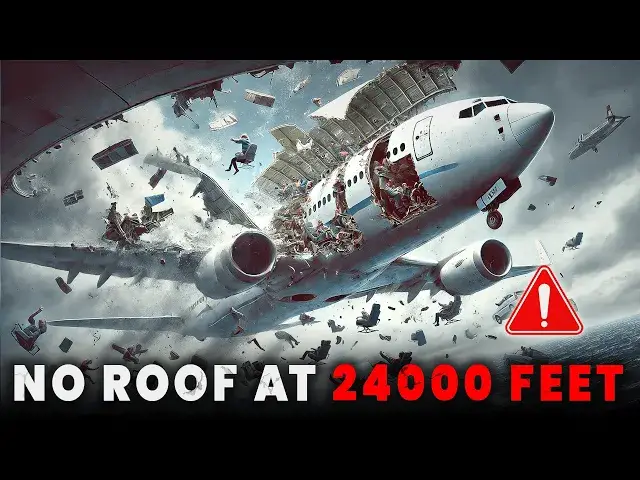
On April 28, 1988, Aloha Airlines Flight 243 experienced a mid-air disaster that no one could have ever predicted. Just 20 minutes into the flight, a massive section of the plane’s roof was ripped away, exposing passengers to the open sky at 24,000 feet. Despite the terrifying conditions—freezing temperatures, thin air, and no oxygen masks—Captain Schornstheimer and First Officer Tompkins fought against all odds to save the lives of 59 passengers. In this video, we break down the events of that fateful day, how the crew performed a miraculous landing, and the lasting impact this incident had on aviation safety. This story is often remembered as "The Miracle Flight Without a Roof," and it serves as a powerful reminder of the dedication and skill of those who keep us safe in the skies.
WATCH NEXT:-
Is Elon Musk Secretly Working on a Tesla Motorcycle? - https://youtu.be/oSZp8sptyw4
The Bermuda Triangle - Myths, Mysteries & The Science - https://youtu.be/xP9ieSf_4j4
Will A. I Destroy Human Civilization - https://youtu.be/qGAaJDwDOXk
We are Living in a 4th Dimension - https://youtu.be/_y9PQ5u06_s
The Shocking Truth About Black Holes Singularity - https://youtu.be/mBC2iV75LsI
Iran's Missile Attack on Israel Could Spark World War 3 - https://youtu.be/oMAdsaCb7kA
Join this channel to get access to the perks: https://www.youtube.com/@TheFounder_Diary/
GEAR USED:
My favorite camera: https://amzn.to/3hYR3ZT
Budget camera to shoot videos: https://amzn.to/3TzryxM
Show More Show Less View Video Transcript
0:01
[Applause]
0:02
[Music]
0:11
on 1988 28th April at about 1 p.m. a
0:14
loha Airlines flight 243 was getting
0:17
ready to take off from Hilo Hawaii to
0:19
Honolulu the capital of the state it was
0:21
a typical day in Hawaii the Sun was
0:23
shining and people were excited about
0:25
their vacation Hawaii is a beautiful
0:27
place with stunning beaches Lush
0:29
mountains and warm weather many
0:31
Travelers were looking forward to
0:32
exploring the islands this particular
0:34
flight was short lasting only about 35
0:37
minutes most passengers were already on
0:39
board eager to get to their destination
0:41
Aloha Airlines was known for its
0:43
friendly service and was a popular
0:44
choice for travelers moving between the
0:46
Hawaiian Islands the plane had already
0:48
completed eight flights earlier that day
0:50
so everything seemed routine it was just
0:52
another day in the skies above Hawaii as
0:54
the passengers settled into their seats
0:57
they might not have known that something
0:58
was not quite right just before takeoff
1:00
one passenger noticed a tiny crack on
1:03
the outside of the plane where two Metal
1:05
Sheets Were riveted together at the time
1:07
it seemed like a small issue the
1:09
passenger thought to herself this is a
1:10
reliable Airline they must have checked
1:13
everything she brushed it off assuming
1:14
the airline's maintenance team had it
1:16
covered after all planes go through
1:18
extensive checks and she felt safe
1:20
flying with a well-known Airline at 1:25
1:23
p.m. the plane took off from Hyo airport
1:26
the flight attendants began their usual
1:28
routine pushing drink trolley down the
1:30
aisles and offering Refreshments the
1:32
passengers were still buckled in as the
1:34
plane had not yet reached its cruising
1:36
altitude of 24,000 ft everything felt
1:38
normal just like any other flight but
1:40
that feeling of normaly would soon
1:42
vanish about 20 minutes into the flight
1:44
as the plane leveled off at cruising
1:46
altitude a loud bang erupted through the
1:49
cabin it was a heart-stopping sound that
1:51
shattered the calm of the
1:53
flight passengers looked around in
1:55
confusion and horror suddenly a massive
1:58
section of the airplane's roof about the
2:00
size of a small room was gone they were
2:02
now exposed to the Open Sky this was not
2:04
just an ordinary problem the sudden loss
2:06
of cabin pressure caused immediate Panic
2:09
loose items bags and papers were sucked
2:11
out of the aircraft passengers were
2:13
terrified gasping for air as the air
2:16
pressure dropped dramatically at high
2:18
altitudes the air is too thin for humans
2:20
to breathe normally which is why planes
2:22
have pressurized cabins when the
2:23
pressurization system fails oxygen masks
2:26
are supposed to drop down for passengers
2:28
to use but this time the oxygen system
2:31
failed too the explosion had damaged the
2:33
system and no masks were coming down
2:35
passengers were now struggling to
2:36
breathe at 24,000 ft where the air was
2:39
dangerously thin inside the cabin a
2:41
brave flight attendant named Michelle
2:42
Honda was near row 15 when the chaos
2:45
began she immediately tried to reach the
2:47
cockpit using the intercom but there was
2:49
no response can anyone hear me another
2:52
flight attendant CB Lancing had been
2:55
serving drinks near row five when the
2:57
blast hit tragically she was sucked out
2:59
of the plane
3:00
instantly a third flight attendant Jane
3:03
sat Tomita was thrown to the floor near
3:05
the front of the plane badly injured by
3:07
flying debris Michelle struggled to find
3:09
help and moved through the cabin
3:11
crawling on the floor asking passengers
3:13
one chilling question does anyone know
3:16
how to fly a plane the desperation in
3:17
her voice only heightened the terror
3:19
among the passengers what had happened
3:21
to the pilots were they still alive were
3:23
they in control of the situation Panic
3:25
spread quickly among everyone on board
3:27
the temperature at that altitude was a
3:29
freezing - 45° C and with the plane's
3:32
roof gone passengers were exposed to the
3:35
brutal cold and roaring wind that rushed
3:37
through the cabin at speeds nearing 500
3:40
kmph many passengers were wearing light
3:42
clothing shorts and t-shirts typical
3:45
Beach wear for a Hawaiian vacation they
3:47
were not prepared for the extreme cold
3:49
or the howling winds their bodies began
3:51
to shake uncontrollably and some
3:53
passengers started to lose Consciousness
3:55
slipping into a dangerous State called
3:57
hypoxia where the brain does not get
3:59
enough oxygen
4:00
despite the horrific scene in the
4:01
passenger cabin there was still hope up
4:04
front in the cockpit Captain Robert shr
4:07
and first officer Mimi Tomkins were both
4:09
alive and fighting to save the plane
4:11
when the explosion happened they felt
4:13
the impact and turned to see the
4:14
devastation the roof above the
4:16
passengers had been torn away and debris
4:18
was flying everywhere the cockpit door
4:20
had blown off but fortunately their
4:22
oxygen masks were working both Pilots
4:24
knew they had only moments to act they
4:26
immediately began an emergency descent
4:28
trying to bring the plane to a lower
4:30
altitude where the passengers could
4:32
breathe without needing oxygen mass at a
4:34
terrifying speed of 500 kmph the plane
4:37
began dropping at a rate of 4,100 ft per
4:40
minute every second counted however they
4:42
faced another terrifying problem the
4:44
structure of the plane had been severely
4:46
compromised the floor was the only thing
4:48
holding the cockpit and passenger cabin
4:50
together if they continued flying like
4:52
this for too long or if they descended
4:54
too quickly the entire plane could break
4:56
apart midair the situation was beyond
4:58
critical first off off Tomkins radioed
5:00
air traffic control to report their
5:02
emergency given the state of the plane
5:04
they were instructed to divert to Maui a
5:06
closer airport instead of continuing to
5:08
Honolulu the crew was racing against
5:10
time but their expert handling of the
5:12
plane prevented a complete disaster at
5:15
least for the moment 3 minutes after the
5:17
explosion the aircraft descended to
5:18
14,000 ft the thinner Air at higher
5:21
altitudes had been the most immediate
5:23
danger but now most passengers could
5:25
breathe normally again they were still
5:27
exposed to the freezing temperatures and
5:29
howling winds but at least they weren't
5:31
suffocating anymore the situation
5:33
remained dire but a small bit of Hope
5:35
returned to the terrified passengers as
5:37
the plane continued its rapid descent
5:39
the pilots realized they had another
5:41
major obstacle kalakala a massive 10,000
5:44
ft Mountain stood between them in Maui
5:46
airport with the plane already in such a
5:49
weakened State flying over or around the
5:51
mountain would be a tricky and dangerous
5:53
maneuver carefully Captain Shor timr
5:55
reduced the plane speed to just 170
5:58
knots any slower and the plane would
6:00
become hard to control with steady hands
6:02
and nerves of Steel they guided the
6:04
plane between the islands avoiding the
6:06
Towering mountain and aiming straight
6:07
for the runway meanwhile in the cabin
6:09
passengers could finally see that the
6:11
pilots were in control and the plane was
6:13
making its way toward the ground there
6:15
was a sense of fragile relief but fear
6:17
still lingered what if something else
6:19
went wrong would they make it through
6:20
the landing the situation was still
6:22
touch and go as they approached the
6:24
runway first officer Tomkins deployed
6:26
the landing gear the main gear the
6:28
wheels at the rear of the plane locked
6:30
into place successfully but the nose
6:32
gear The crucial front wheels weren't
6:34
working without the nose gear Landing
6:36
would be much more dangerous the pilots
6:39
had to make a tough decision could they
6:40
attempt a belly landing where the
6:42
plane's body would make contact with the
6:44
runway normally a belly landing would be
6:46
a last resort but given the extensive
6:48
damage to the plane it was a huge risk
6:51
if the plane hit the ground too hard it
6:53
could break apart completely even worse
6:55
a rupture in the fuel tank could ignite
6:57
a fire or even cause an explosion as as
6:59
the aircraft descended lower and the
7:01
runway came into view passengers braced
7:03
for impact some began praying While
7:06
others clutched the hands of loved ones
7:07
fearing they might never see each other
7:09
again the plane started to sway from
7:11
side to side as it came down the pilots
7:14
quickly realized that the left engine
7:15
had failed they tried to restart it
7:17
manually but their attempts were
7:19
unsuccessful Emergency Services were
7:21
already on standby on the runway
7:22
firefighters ambulances and evacuation
7:25
teams were prepared for the worst Trying
7:27
to minimize any possible damage at one
7:29
1:56 p.m. the pilots informed the Maui
7:32
tower that they needed all the
7:33
assistance the airport could provide
7:35
sending out of 11,000 of West clearance
7:38
in the Maui for landing request the
7:40
Emergency Equipment on the runway a
7:43
person watching the plane through
7:44
binoculars noticed something important
7:47
the nose gear had successfully deployed
7:49
meaning the plane wouldn't have to make
7:50
a belly landing they informed the pilots
7:52
which eased at least one of their many
7:55
concerns at 1:58 p.m. exactly 13 minutes
7:58
and 4 2 seconds after the explosion
8:01
Aloha Airlines flight 243 touched down
8:03
on the runway in addition to using the
8:05
brakes the pilots activated the thrust
8:07
reverser on the raining engine to help
8:09
slow the plane down gradually the
8:11
aircraft came to a safe stop the
8:13
emergency crews on the runway breathe a
8:15
sigh of relief as they rushed to the
8:16
plane passengers were evacuated through
8:18
the emergency slides and there is real
8:21
video footage showing them sliding down
8:23
clearly shaken but alive as they made
8:25
their way to safety many passengers
8:27
applauded the captain and thanked him
8:29
for saving their lives although most
8:30
passengers survived many suffered severe
8:33
injuries an 84-year-old woman sitting in
8:35
seat 5A had a skull fracture and was the
8:38
most critically injured the passenger in
8:40
seat 6A had a broken arm while those in
8:42
seats 4 a and 4f were also seriously
8:45
hurt essentially the passengers sitting
8:47
between Rows 4 and seven were the most
8:49
severely affected because the roof over
8:51
this section had completely blown off
8:53
passengers from rows 8 to 21 on the
8:56
other hand fared much better with minor
8:58
injuries reported tragically flight
9:00
attendant CB Lancing was not found she
9:03
had been thrown from the plane when the
9:04
roof was torn away her body was never
9:06
discovered leaving her family in grief
9:08
CB was well- loved by her co-workers and
9:11
had been a dedicated flight attendant
9:13
for Aloha Airlines for many years many
9:15
passengers reported that she had shown
9:17
exceptional care and kindness throughout
9:19
the flight making her loss even more
9:21
painful in the days and weeks that
9:23
followed the incident investigations
9:25
began the national Transportation safety
9:27
board NTSB looked into what went wrong
9:30
they discovered that the aircraft aeing
9:33
737 had been flying for over 19 years
9:36
over time wear and tear from
9:37
pressurization and depressurization had
9:40
weakened its structure cracks had
9:41
developed in the metal which went
9:43
unnoticed during routine inspections the
9:45
exact location of the failure was found
9:47
to be in the area above Row 5 where CB
9:50
Lancing had been serving drinks when the
9:51
tragedy struck the NTSB reported that
9:54
the plane had not been properly
9:56
inspected for metal fatigue which led to
9:58
the catastrophic failure this accident
10:00
led to significant changes in Airline
10:02
regulations airlines across the country
10:04
tightened their safety protocols older
10:06
aircraft underwent more thorough
10:07
inspections and maintenance teams were
10:09
required to check for signs of metal
10:11
fatigue regularly despite the tragic
10:13
loss of CB Lancing the crew and Pilots
10:16
of Aloha Airlines flight 243 were hailed
10:19
as Heroes Captain Shorr and first
10:21
officer Tomkins received numerous Awards
10:23
and commendations for their bravery and
10:25
skill in handling the crisis they
10:27
managed to save 59 lives that day and
10:29
brought the plane down safely Against
10:31
All Odds the story of flight 243 is
10:33
often remembered as the miracle flight
10:35
without a roof it is a reminder of the
10:38
importance of Aviation safety and the
10:40
lives that can be saved through quick
10:41
thinking and skilled decision-making
10:44
passengers who survived that day shared
10:46
their stories and many went on to become
10:48
advocates for Aviation safety they
10:50
wanted to ensure that no one would ever
10:51
have to experience a similar tragedy
10:53
again Aloha Airlines flight 243 stands
10:57
as a crucial event in aviation history
10:59
it taught everyone in the airline
11:01
industry the importance of Maintenance
11:03
and inspections leading to significant
11:05
improvements in Airline safety standards
11:07
passengers everywhere can feel more
11:09
confident knowing that safety is a top
11:11
priority for airlines in the end the
11:13
incredible survival of most passengers
11:16
aboard flight 243 serves as a testament
11:18
to the dedication of those in the
11:20
aviation industry who work tirelessly to
11:23
keep us safe while we travel the legacy
11:25
of that fateful flight continues to
11:27
influence how airlines operate today
11:29
ensuring that such a tragedy will not
11:31
happen again stories like this remind us
11:33
how far Aviation has come and the future
11:36
looks even more exciting meanwhile NASA
11:38
is working on something that could
11:39
change air travel forever the x59 a
11:42
supersonic jet that can fly faster than
11:44
the speed of sound without the loud
11:46
Sonic Boom I've explained this entire
11:48
process in detail in the next video so
11:50
what do you think about this amazing
11:51
plane let us know in the comments below
11:54
if you learn something new today please
11:55
give this video a like And subscribe so
11:57
you don't miss any of our future updates
12:00
see you next time until then stay
12:02
curious keep learning and keep growing
#Air Travel