Up next in 10

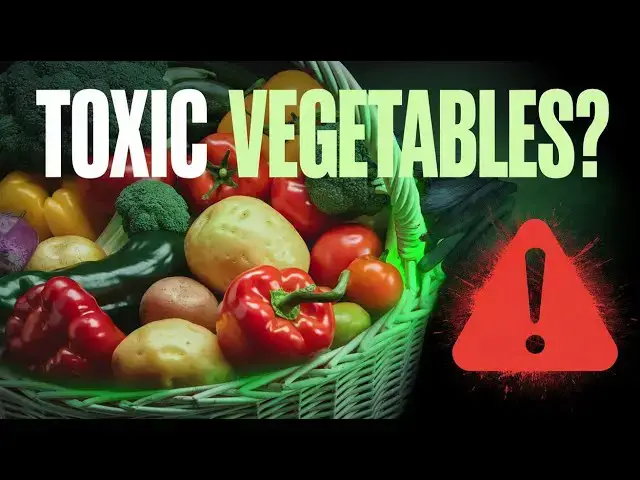
Did you know that some everyday vegetables contain harmful toxins? In this video, we explore the hidden dangers in common vegetables you might be consuming regularly. Watch now to learn about these potential risks and how to avoid them!
#PoisonousVegetables #HiddenDangers #HealthRisks #ToxicVeggies #FoodSafety #HealthyEating #EatWithCaution #VeggieToxins #FoodFacts
Show More Show Less View Video Transcript
0:00
welcome to the health Vibes podcast
0:02
thanks for having me today uh we're
0:04
going deep on a topic that might make
0:07
you look at your pantry a little
0:09
differently oh hidden toxins in everyday
0:13
Foods oh wow we've got some fascinating
0:16
research and insights to share with you
0:17
today so okay buckle up get ready to
0:20
learn about the unexpected dangers okay
0:24
working in some of your favorite meals
0:26
that sounds a little scary it is a
0:27
little scary I mean we often assume that
0:29
right natural equals safe but as we'll
0:32
see today that's not always the case
0:35
definitely not even the most common
0:37
foods can Harbor toxins that can cause
0:40
real harm if we're not careful
0:42
absolutely exactly and we're not talking
0:44
about things like pesticides or
0:46
artificial additives we're talking about
0:48
naturally occurring toxins within the
0:51
foods themselves wow to kick things off
0:54
let's talk about red kidney beans okay
0:57
yeah now I'm a huge fan of Chile but it
0:58
turns out these little lagoons can pack
1:01
a serious Punch Yeah if they're not
1:03
cooked properly absolutely that's right
1:06
the culprit here is a compound called
1:08
phyto hemog glutenin oh wow or PHA okay
1:12
it's found in many types of beans but
1:14
red kidney beans have particularly high
1:16
concentrations uh what makes PHA
1:20
dangerous is its ability to bind to the
1:22
lining of your intestines yeah
1:24
interfering with nutrient absorption and
1:26
causing a whole host of unpleasant
1:28
symptoms right now before we go any
1:31
further if you're enjoying this deep
1:32
dive into hidden kitchen toxins don't
1:35
forget to hit that like button and
1:36
subscribe to the channel for more
1:38
fascinating insights I definitely agree
1:40
with that so about those symptoms we're
1:42
talking nausea vomiting diarrhea oh my
1:45
God and some pretty intense abdominal
1:48
pain and here's the kicker these
1:51
symptoms can hit you within just a
1:52
couple of hours wow of eating
1:54
undercooked beans that's really fast wow
1:57
2 hours that's faster than some food
1:59
delivery services it really highlights
2:02
how potent this toxin can be right I've
2:05
definitely heard stories of people
2:06
getting sick after eating undercooked
2:07
beans yeah but I never realized it could
2:09
happen so quickly it's true it's a good
2:12
reminder that proper cooking is crucial
2:15
absolutely fortunately the fix is pretty
2:18
simple thoroughly boiling your beans for
2:21
at least 30 minutes M effectively
2:24
destroys the PHA making them safe to eat
2:27
yeah so sloke effort or pressure
2:31
cookers are they safe options for beans
2:35
that's a great question um yeah slow
2:37
cookers can be a bit tricky because they
2:40
don't always reach a high enough
2:42
temperature to fully neutralize the
2:44
toxin gotcha pressure cookers on the
2:46
other hand reach those high temperatures
2:47
and cook beans relatively quickly making
2:50
them a safer bet for eliminating PHA
2:52
okay so boiling for at least 30 minutes
2:54
or using a pressure cooker got it mhm
2:57
and of course canned beans are already
2:58
cooked right so those are a safe and
3:00
convenient option as well now that we've
3:02
covered the basics of bean safety M
3:05
let's move on to another kitchen staple
3:06
that might surprise you potatoes
3:09
potatoes you probably know that green
3:11
potatoes are a nogo right but it turns
3:14
out even regular potatoes can Harbor a
3:16
toxin mhm if we're not careful really
3:19
this is where it gets really interesting
3:20
because I love potatoes mashed baked
3:23
roasted you name it yeah I'll eat it
3:25
yeah but I had no idea that there could
3:28
be hidden dangers wow even in the
3:30
potatoes it look perfectly fine
3:32
interesting the toxin we're talking
3:34
about here is called solanine okay and
3:36
it's a type of glycol coloid uhhuh it's
3:38
primarily found to in the skin MH and
3:43
any green parts of the potato like those
3:45
little Sprouts that sometimes pop up oh
3:47
right hold on if you're loving this deep
3:50
dive into hidden food toxins don't
3:52
forget to show your support by liking
3:55
this podcast and subscribing to the
3:57
health vies channel for more absolutely
3:59
we've got so much more to uncover so
4:01
stick with us looking forward to it so
4:03
how exactly do these glycolides mess
4:06
with our bodies well um they disrupt
4:09
cell membranes okay interfere with nerve
4:12
function and can even cause
4:14
gastrointestinal distress so those green
4:17
Parts aren't just unsightly they're a
4:19
warning sign that those potatoes are
4:22
packing some serious toxins yeah
4:24
precisely and it's not just the green
4:27
spots you need to worry about even
4:29
regular pot potato skins contain
4:30
solanine mhm though in lower amounts
4:34
gotcha so killing your potatoes is
4:36
always a good idea absolutely especially
4:38
if you're dealing with older potatoes or
4:40
those that have started to sprout okay
4:42
and here's a little tip okay those thin
4:44
skinned new potatoes that we often eat
4:46
with the skin on yeah they actually tend
4:49
to have higher solanine concentrations
4:51
in their skin oh wow than mature
4:54
potatoes wow I had no idea yeah I always
4:57
thought those new potatoes were a
4:58
healthier option mhm because they're so
5:01
small and delicate it's a common
5:03
misconception interesting so the
5:05
takeaway here is that regardless of the
5:06
type of potato right peeling them is
5:09
always the safest bet to minimize your
5:11
solanine intake makes sense mhm this is
5:14
eye opening I'm starting to realize
5:16
there's a lot more to food safety than I
5:18
initially thought it's not just about
5:20
washing your produce and cooking meat
5:21
thoroughly yeah absolutely right it's
5:23
about understanding the nuances of
5:25
different foods and knowing how to
5:28
handle them properly to minimize
5:30
potential risks Okay so we've covered
5:32
beans and potatoes what other hidden
5:34
dangers are lurking in our kitchens
5:36
let's move on to something a bit more
5:39
exotic cashew nuts you might be
5:41
surprised to learn that the cashews we
5:43
eat are never truly raw wait really I
5:46
always assume those cashews and the bulk
5:48
bins were as raw as it gets what's the
5:50
story there raw cashews contain a
5:53
substance called anacardic acid which
5:55
can be quite irritating to the skin and
5:57
digestive system oh it's actually
5:59
related to uial the oil found in poison
6:02
ivy that causes those itchy rashes so
6:05
eating truly raw cashews could give you
6:07
a poison ivy like reaction in your
6:09
stomach it's not quite that dramatic but
6:12
it can definitely cause inflammation and
6:14
discomfort symptoms can range from mild
6:17
indigestion to more severe issues like
6:19
abdominal pain and diarrhea and here's
6:21
another reminder for our listeners if
6:22
you're enjoying this deep dive into the
6:24
world of hidden food toxins don't forget
6:27
to hit that like button and subscribe to
6:29
the heal vies Channel we're passionate
6:31
about bringing you these insightful
6:33
episodes and your support means the
6:34
world to us now back to cashews
6:37
thankfully The Roasting process that
6:39
most cashews undergo effectively
6:41
neutralizes the anac cartic acid making
6:43
them safe to eat so those roasted
6:45
cashews you enjoy as a snack are
6:47
perfectly fine that's a relief I have to
6:50
admit I was getting a little worried
6:51
there for a second but this is why we do
6:53
these deep Dives right to uncover the
6:55
unexpected and learn how to make
6:56
healthier choices exactly it's all about
6:59
empowering you with knowledge so you can
7:01
navigate the complexities of food and
7:04
nutrition Okay so we've tackled beans
7:06
potatoes and
7:07
cashews what else do we need to be aware
7:10
of let's shift gears and talk about
7:11
something a bit closer to home
7:13
especially for those of us in certain
7:15
regions rhubarb ah rhubarb it's a
7:18
springtime favorite perfect for pies
7:20
crumbles and jams but I've heard
7:22
Whispers of a dark side to this
7:24
delicious plant indeed it's not the
7:27
stocks that pose a threat but the leaves
7:29
they contain high levels of oxalic acid
7:32
which can be quite harmful in large
7:34
quantities oxalic acid that sounds
7:36
familiar isn't that found in spinach and
7:38
some other leafy greens as well that's
7:39
right oxalic acid is a naturally
7:41
occurring compound found in many plants
7:44
but rhubarb leaves have particularly
7:46
high concentrations so what's the
7:48
problem with oxalic acid oxalic acid
7:50
binds to calcium in the digestive tract
7:53
preventing it from being absorbed into
7:54
the bloodstream in small amounts this
7:57
isn't a big deal but if you consume
7:59
large quantities of oxalic acid it can
8:02
lead to Calcium deficiency over time
8:04
Calcium deficiency can have some serious
8:06
consequences for bone health right
8:07
absolutely it's a key factor in
8:10
osteoporosis a condition that weakens
8:12
bones and makes them more susceptible to
8:14
fractures so what it comes to rhubarb
8:16
stick to the stocks and leave the leaves
8:18
well alone precisely the stocks are
8:20
perfectly safe and delicious but those
8:22
leaves are best left out of your
8:23
culinary Creations good advice it's
8:26
amazing how much we take for granted
8:28
when it comes to food safety we often
8:31
assume that anything natural is
8:32
automatically safe but this deep dive is
8:35
proving that wrong it's a good reminder
8:38
that knowledge is power when it comes to
8:40
protecting our health and speaking of
8:42
knowledge before we move on to our final
8:44
hidden toxin another reminder to like
8:46
this podcast And subscribe to the health
8:49
Vibes Channel we appreciate your support
8:51
as we continue to explore these
8:53
fascinating topics now for our final
8:55
stop on this toxin tour let's Venture a
8:57
little further a field with a root
8:59
vegetable called cassava cassava is a
9:02
staple food in many tropical regions
9:04
offering a range of health benefits and
9:06
a versatile flavor profile however like
9:09
many of the foods we've discussed today
9:11
it also Harbors a hidden danger if not
9:13
prepared correctly cassava I have to
9:17
admit I'm not very familiar with that
9:18
one what's the hidden danger lurking
9:20
within this tropical route the toxin in
9:22
cassava is called linamarin and it's a
9:25
cyanogenic glycoside okay what that
9:28
means is it release cyanide in the body
9:31
when ingested cyanide as into deadly
9:34
poison that sounds pretty serious it can
9:37
be but the good news is that proper
9:39
preparation methods can effectively
9:41
eliminate the risk okay so how do you
9:44
prepare cassava safely there are several
9:47
traditional methods that have been used
9:48
for centuries to remove linamarin these
9:51
include soaking peeling grating
9:54
fermenting and cooking wow each of these
9:57
Stacks helps to break down the Toxin and
9:59
make the cassava safe to eat so it's not
10:01
just a matter of peeling and boiling
10:02
like we do with potatoes not quite
10:04
cassava requires a bit more attention to
10:06
detail during preparation for example
10:08
some varieties of casaba have higher
10:11
linering content than others right so
10:13
it's important to know what you're
10:14
working with this is fascinating I'm
10:15
learning so much about the complexities
10:17
of food safety it's a reminder that we
10:19
can't take these things for granted
10:21
absolutely and if you're curious to
10:23
learn more about safe cassava
10:25
preparation there are plenty of
10:26
resources available online okay and in
10:29
book specializing in tropical Cuisines
10:31
before we wrap up this deep dive a quick
10:33
reminder for our listeners if you're
10:35
enjoying these insights into hidden food
10:37
toxins don't forget to show your support
10:39
by liking this podcast and subscribing
10:41
to the health Vibes Channel your support
10:43
helps us keep these deep Dives coming
10:45
now to answer your question about the
10:47
potential dangers of linamarin right if
10:50
cassava is not properly prepared the
10:52
released cyanide can interfere with the
10:54
body's ability to use oxygen leading to
10:56
a condition called cyanide poisoning
10:58
cyanide poison that sounds terrifying
11:00
what are the symptoms symptoms of CID
11:02
poisoning can range from mild such as
11:04
headache dizziness and nausea to severe
11:07
including Rapid breathing seizures and
11:09
even coma wow in extreme cases it can be
11:12
fatal that's a stark reminder of how
11:15
important it is to respect the power of
11:17
nature and handle these foods with care
11:20
exactly fortunately cases of cyanide
11:22
poisoning from cassava consumption are
11:24
relatively rare thanks to traditional
11:27
preparation methods and increase
11:29
awareness that's reassuring to hear it
11:31
seems like knowledge and awareness are
11:33
our best defense when it comes to food
11:35
safety couldn't agree more this deep
11:37
dive into hidden toxins has been a
11:39
journey of Discovery uncovering the
11:41
unexpected dangers lurking in seemingly
11:43
harmless foods from red kidney beans to
11:46
potatoes cashews rhubarb leaves and
11:49
cassava we've explored the importance of
11:51
proper preparation methods and the
11:53
potential consequences of overlooking
11:56
these hidden threats it's clear that
11:57
nature is full of surprises
11:59
and not all of them are pleasant but as
12:01
we've learned today knowledge is power
12:04
and by understanding the nuances of
12:06
different foods we can minimize risks
12:08
and enjoy our meal safely what's
12:10
fascinating is that this dive into
12:12
seemingly simple Foods has revealed such
12:14
complexity it makes you wonder what
12:16
other hidden dangers might be lurking in
12:18
our kitchens what other traditional
12:20
preparation methods have evolved to keep
12:21
us safe that's a great point this deep
12:24
dive has definitely sparked my curiosity
12:26
and I'm sure our listeners are feeling
12:28
the same way remember there's a whole
12:30
world of Food Science out there just
12:32
waiting to be
12:33
explored well folks that wraps up
12:35
another fascinating Deep dive here on
12:37
the health Vibes podcast a huge thanks
12:40
to our expert for shedding light on
12:42
these hidden kitchen dangers it was my
12:44
pleasure always happy to share these
12:46
insights and hopefully Empower you to
12:48
make informed choices and of course a
12:51
massive thank you to you our amazing
12:52
listeners for joining us on this journey
12:54
of Discovery if you enjoyed this deem
12:57
dive into hitting food toxins please
12:59
don't forget to hit that like button and
13:00
subscribe to the health Vibes channel
13:02
for more insightful Explorations into
13:04
the world of Health and Wellness until
13:06
next time stay curious stay informed and
13:08
most importantly stay safe
#Nutrition
#Fruits & Vegetables
#GERD & Digestive Disorders