Up next in 10

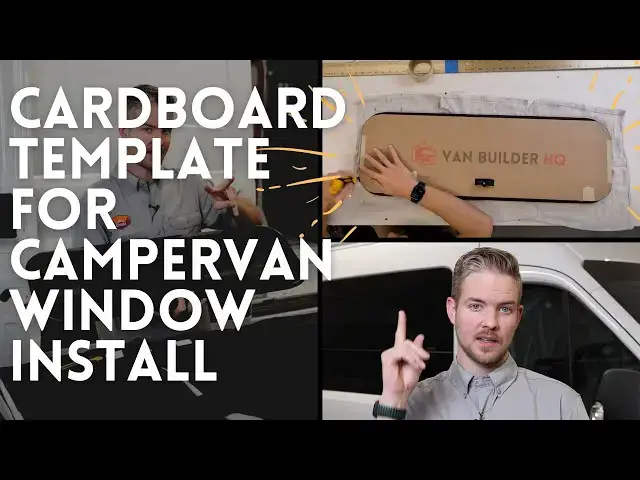
Cardboard Template For Campervan Window Install! (CRL AW1033 Camper Window Edition!)
May 3, 2025


Today Nick at Van Builder HQ, Nick is showing how to create a cardboard template for his Ford Transit campervan conversion window install. Tune in, this one you don't want to miss!
Visit https://www.vanbuilderhq.com to learn more.
Interested in buying a van? Check out https://www.odysseycustomvans.com
Support Van Builder HQ on Patreon: https://www.patreon.com/vanbuilderhq
Show More Show Less View Video Transcript
0:00
[Music]
0:08
hey guys welcome back to the shop today's video is a two-part video
0:13
so the first part of this video is about 17 minutes long and it's going to go over
0:19
the aw1033 awning style window it's going to show you how the whole window installs into the van
0:26
i talked a little bit about how it interacts with the installation of your van if you have a bump out uh
0:32
all that stuff kind of concerning how to fit the window into the van the full install however is going to be
0:39
in a separate video the card right here is going to link you to that video and i'll show the the
0:45
whole process start to finish second part of this video is creating the cardboard template so i go through
0:52
the whole process of creating a very precise cardboard template that you can use to make
0:58
installing this aw 1033 awning style window extremely easy straightforward you can copy it from one
1:04
side move it to the next and i'll show you that in the second part so hope you guys enjoy this video and we're gonna go
1:11
ahead and get into the next clip hey guys welcome back to the shop today we are starting part three of the
1:18
adventure wagon interior conversion kit now we're installing windows so that's not
1:24
part of the adventure wagon interior conversion kit itself but what i've decided to do is now is
1:30
the time to put these windows in before we get to the sound bedding material
1:36
the insulation and the upholstered panels that will complete our kit
1:42
so i'm assuming if you're doing the this adventure wagon install you've either put your windows in or
1:48
you've started the install of the venture wagon kit and you want to find a place a good place to
1:55
begin to put your windows in i think this is the best best place to do it so you can do it before even start or
2:03
i'm doing it right now the reason i'm delayed and didn't do it at the very beginning of this uh
2:09
van conversion is these have been on back order set since september i ordered these
2:16
probably middle of september and they came the middle of january so i've been waiting
2:23
i've been waiting on these windows forever and it's not just these windows i also ordered
2:29
two passenger sliding tv windows from crl
2:34
and i also ordered two driver side windows from crl
2:39
so those were also on back order so the four of those in total plus six of these windows
2:45
uh so yeah industry right now lead times logistics all that stuff it's pretty
2:50
wild so you gotta be really patient if you're working on a van build right now good news is i have enough windows for
2:57
this van and i have enough windows for my second van conversion that's over
3:02
there all right let's talk about these windows a little bit i really like these windows and the
3:08
reason i like them is because they are the awning style
3:14
they're not the half bunk sliders that a lot of people like to go with those are more readily available however
3:22
the environments which i want my clients customers to be able
3:28
to go to maybe a little bit harsher stormy weather snow that sort of thing
3:34
and so camping in my van with the awning that i
3:39
have and the tarp and stuff like that you know you need a lot of protection from
3:45
storms where if it's snow or rain when it blows in sideways against your
3:50
van if you don't have an awning style window or t vent windows for example
3:57
you can't really open up that half slider and not let rain into
4:04
your van or like mist stuff like that so the best way that i've decided is to
4:11
use these awning style windows so when you open these windows up
4:18
they open like this they twist open i see the only con about these windows
4:24
is they do not open a lot but you got to understand it's really
4:29
about surface area and right here you have a ton of surface a ton of a large opening where a lot of
4:36
air can come into your van so don't think that you're not gonna get a lot of
4:42
ventilation with this window you're gonna get a lot because this this gap right here is essentially um i mean i'm not gonna
4:49
calculate the uh square inches of this but you've got you've got a lot of
4:56
a lot of opening right there because the benefit of this window is
5:02
that you are shielded from you know rain and snow coming in
5:07
big rainstorm at night and you want to open the windows keep the van ventilated it's just going to roll right off
5:14
and it also comes with
5:20
the integrated screen the screen's nice it's a metal frame screen
5:26
and it is velcroed i'm going to go ahead and close this
5:38
so you just put this on and it's really easy to take on and off
5:44
it's velcroed as you guys can see fits right over
5:50
the thing that opens it up and you can just take it off
5:56
now i haven't i'm not twisting this all the way because it does close really tightly but you can just peel this right
6:02
off and then that way you're back to an open window
6:08
so yeah we're going with the aw 1033 windows i also really really like the tent the
6:13
tint is extremely dark on here very nice dark tint and
6:19
last thing we'll show is the gasket so it's got a nice foam gasket here
6:26
some other windows use the almost like a window adhesive to glue
6:31
them in i'm open to that in the future about using those
6:36
however if you when we cut out our template today if we keep a really tight edge here
6:43
we'll be able to get as much of this gasket ceiling as possible that's one reason why you don't want to cut your
6:49
hole out too big if you catch your hole out too big that's you're using
6:55
a lesser amount of gasket to seal out the water
7:00
another point to mention is these windows are not curved they are
7:05
flat so the transit the side of this transit is slightly curved
7:12
so there will be a slight uh the sheet metal is going to contact
7:17
100 here and then right here it'll contact on the inside but this outer rim i will just be
7:25
lightly touching it's still going to seal but when you're installing these just
7:31
make a mental note that this is what you're going to end up with later we're going to install these we're
7:37
going to see how true that is this is the first time i'm installing the aw1033 windows into a
7:43
van so we're going to see if what other youtubers have experienced
7:49
the diy-ers have experienced is kind of true for us i'm thinking that
7:56
instead of going right up here to the edge we're actually going to come down a little bit and maybe we'll interact with a little bit more of a vertical flat
8:02
surface so take that for what it's worth um
8:08
we're going to do this whole thing start to finish so we'll you'll get to see all of it another concern that some people had was
8:16
the problem that they ran into
8:22
was that the bag of screws that come with this they've had issues
8:27
being able to really clamp down on this outer ring
8:34
um okay this is not part of the kit i'm going to talk about this in just a second this is
8:39
a just a exterior frame or interior frame okay
8:46
so this is your clamping ring that comes with the window if we put it on here it stays nice and
8:53
flush okay however when uh
9:00
some youtubers online diyers they've had an issue with
9:06
this ring clamping down all the way and making a good seal because
9:12
these screws are or they're saying that they're bottoming out
9:17
on this little lip and i would agree with that i'm anticipating that being the same
9:24
thing that's going to happen to us when we install these today there's this channel right here i'm
9:29
going to just hand screw one in and that way you guys can can see that
9:37
so right there's that screw um
9:42
there's nothing i measured it with the calipers there's like two and a half millimeters of
9:47
depth to tighten this in uh and some people
9:53
i just uh kind of i understand why they're doing it manufacturing wise because they can just
9:59
make this and this and then you kind of deal with it when you get the window
10:04
however for people who have not installed things or aren't too handy it can be a little bit of a challenge to
10:12
get this to really clamp down and have good clamping force to keep the water out keep it sealed
10:20
and also just makes the install frustrating so what i'm going to try to do and help you guys out with today is i've got a plan
10:26
um we're slightly snowed in at the moment there's a big winter storm that came through so um
10:34
it's a bunch of snow snow right outside the shop i'm not sure if i'll be able to go to lowe's and pick up these uh socket
10:41
head cap screws but my solution to this is to get m4 socket head cap screws
10:48
and drill a pilot hole and then tap it with an m4
10:55
thread thread and i'm doing that because you can
11:02
you need this these should have been designed in a way where you can just
11:09
screw a screw in here because this is not really i mean this is a screw but it's more of
11:15
like a sheet metal screw and you need a little bit of finer threads to get that
11:22
nice compression around this whole entire gasket so that's what i'm going to do um
11:28
in today's video we're probably just going to get the template cut out in one of the windows cut out
11:34
and the following videos will go into uh i mean for you guys this all being one
11:40
video but the next segment of this i'll go in and have i'll have the bolts and everything ready but today i just wanted
11:47
to go ahead and get this video started to show you what we're installing so it's the aw 1033 window
11:54
this is what comes with it and we got our screen so
12:01
that is uh that's the whole thing right there we're gonna do one behind the slider door and then two
12:07
on the driver's side now we're doing the inventure wagon interior
12:13
conversion kit and there's a company i'm going to pull their box right over
12:19
here so we're using this company it's called flatline
12:24
fanco and we're using them for the roof system
12:31
the side ladder roof rack and
12:37
they make a product right here it's a it's designed for this awning style
12:42
window the aw1033 and it's this inner
12:49
trim ring so this trim ring is going to go inside the van
12:54
so if you guys can imagine this is the obviously this is the outside
13:01
this trim ring will get put around this window
13:07
and then what this does is see if you guys can see this on the overhead you're going to have
13:14
the window the sheet metal of your van this trim ring that compresses it to
13:20
make the seal and then you're going to have this outer this inner trim ring for your van
13:28
and what this is doing is this is making up for the insulation
13:35
thickness as well as the adventure wagon interior panels
13:43
so once you have the insulation put in and that's pressed down and then you have your
13:52
interior panels you got quite a bit of thickness that you need to be able to adjust for
13:59
so they make this kit and it's designed to work with the adventure wagon
14:05
interior kit and you put this in first once you've
14:10
put your window in and then this trim ring
14:16
uh so this will actually be the whole this will be the what you cut out of your interior
14:23
panel from adventure wagon you'll cut out this square profile and once you've cut that out this ring
14:30
slips in side of it it's got four bolts here so you can
14:35
adjust how thick your insulation is so i'll show that above
14:43
see if i can do that so you guys can see you can adjust how
14:48
wide or narrow it is and then when you get finished
14:55
you put your window in the ring and when you're finished with your interior kit you put your panel in
15:00
what this is going to do is this is going to finish out your kit and make a nice clean
15:08
outer frame which is functional and it looks really good too
15:15
and you have three bolts up here and three bolts up here and these will you'll screw directly into your
15:22
adventure wagon panel and i've got one over here
15:33
so this is one of the this right here is one of the interior
15:38
bump outs and so the thickness that you are making up for
15:46
is the thickness of this plastic so you got the plastic
15:51
this little little eighth inch insulation you've got your material
15:56
and then you'll have your you'll have one layer of insulation here so if you can imagine
16:05
this being this panel you can see you've got
16:10
you know quite a bit of space that you need to make up for and that's what this is going to do
16:22
so inside the van we've already marked out where we're going to uh to
16:27
cut this we've we've got close to an idea of exactly what we're going to do but
16:34
that's the whole point of the video today is to have you guys just join along with me in
16:39
putting this together and so the first thing we're going to do
16:45
is we're going to move on to actually cutting out our template so that's probably the most important part
16:51
that's why i've set up this whole entire rig here is so that you guys can
16:59
learn from all the videos that i've watched and i've got a playlist that i'll link
17:05
and it's about six youtube videos from people all over the u.s and it's how they installed it
17:11
each one has a different problem that they ran into and so i'm probably pretty much taking those six or ten videos that i watched
17:18
and kind of rolling it into this video so anything that i saw really worked for them that helped them out i'm putting it
17:23
in this video but what i'm going to do is i'm going to go ahead and clean off this table
17:30
move this insulation and then we'll have this laid out make sure that you have your crl box
17:37
with you because that is what we're going to use to create our template
17:43
we're going to need a fine tipped permanent marker we'll need a
17:50
razor blade to cut it out with a brand new nice clean super sharp blade
17:56
and then i'll go ahead and start creating my template so let's get this
18:01
cleaned off and then we will start making our template
18:06
all right we're back got our cro box got our permanent marker and
18:12
razor razor blade and we're gonna go ahead and just uh
18:17
kind of disassemble the box [Applause]
18:25
and we're going to cut down one side cut down the other side
18:52
then what i'm gonna do is uh flip this over so we got a nice uh
19:00
give you guys a headache on that video uh we're gonna put this down here
19:07
and let me just double check on our framing make sure you guys can actually see what's going on perfect
19:14
nice
19:20
as you guys can already tell my stuff is very long form highly detailed so
19:26
feel free to fast forward on any of this you know scrub through it to get to a point where you want to uh just kind of
19:32
move on from where i'm at you might have already got the cardboard cut out know how to do all of this
19:37
that's completely cool so i mean this this video is ultra detailed for somebody who
19:43
really has no idea where to start
19:48
and that way it can benefit everyone so the first thing i'm going to do is uh
19:55
take off this frame we don't need that i'm going to tell you why
20:01
i'm not going to use this and there was a there's a couple videos that i saw
20:07
and what the comments from those videos of people that are installing this is
20:14
this tends to flex and it really doesn't give you an accurate
20:19
representation of where the cutout needs to be
20:24
there was somebody on youtube that also made a template for this
20:29
they took pieces of wood uh
20:35
this is a bad example but they took pieces of wood and actually made a exterior frame to hold this to
20:41
where it didn't flex so they could get a nice accurate read on this inside
20:46
because what people are doing is they are tracing this inside ring
20:52
for the obvious reason of well that's what fits around this and that should be
20:58
my rate my dimensions for what i should trace here's the problem
21:06
you get a lot of up and down movement and you have a lot of side to side movement
21:14
you have almost a quarter of an inch left to right and i say you got about
21:24
definitely over an eighth up to down up and down that's not good
21:30
you want a better tolerance than that for your cutting your hole out because remember
21:36
the tighter you get your hole the tighter you get that
21:42
template and dimensions number one to get a little bit of wiggle room to where if you
21:47
uh if you cut it out too much and remove it remove that material you're that's it that's
21:53
uh your sol you you can't add more sheet metal back
21:59
so aaron on the side of caution is going to help you out but also
22:05
you want as much of this gasket to touch the sheet metal of the van as possible
22:10
the more this gasket that's touching the better seal that you're going to get
22:16
and also it's going to you know wobble less because it's getting as much bite onto
22:23
the side of the van so everything helps out just tight as you can get this
22:29
so what i'm going to do and we're going to see if it's going to work out because i haven't seen anybody do it
22:38
but just in my mind is what i think is going to work
22:44
so make sure you take everything off and what we're going to do
22:50
uh one annoying part is this knob but i'm trying to use the edge of the table to
22:55
knock that off so first thing i'm going to do is i need
23:00
to i just need to cut some more of this cardboard off here
23:07
and i'm actually going to do a straight cut so i can use this um
23:16
let me tell you what i'm doing so this outer
23:24
this outer rim right here which is what is going to go through our hole that needs to be what is referenced
23:31
so from here from here to here
23:37
that is what needs to be our minimum width and then from here to here
23:44
our min okay minimum height and then from here to here minimum width uh we can go ahead and i
23:51
can already tell you how ridiculously different that is so right here if you guys see we got 10
23:58
and one two three let's see one two three four five six
24:08
ten and three eighths this just shy of ten and three eighths
24:16
okay so let's get this piece
24:22
and we'll give it a fighting chance we'll measure it here so it's not flexing
24:29
okay so we went from ten and three eighths
24:38
to ten one two three four five eights
24:48
man that's crazy
24:55
like 11 16 10 11 16 almost ten and three quarters almost ten
25:00
and three quarters so huge difference huge difference you don't want that
25:08
big of a difference when you're cutting these windows out so i'm going to make sure that we
25:16
get these just as tight as possible
25:22
so i'm going to start out with watch my time on the camera here
25:29
i'm going to start off by just getting a straight edge for our cardboard
25:35
so we're just going to go down here and get a straight line
25:51
i'm using a drywall dry wall square for that
26:12
just a little bit left over okay so now we got our straight edge
26:18
here and then the next thing we're gonna do
26:25
is we're going to do our measurement
26:31
right here and we got this little plastic plastic tab here and a plastic tab here there's
26:37
nothing here there is a little spot weld with some slag on it right here
26:43
we'll take care of that later we can always do like a little just grind a little notch out so that'll
26:49
pop in so we got ten and a half inches right there ten and a half
26:58
all right right where that plastic is which is our so we're gonna do ten and a half
27:07
and i know i told you the other dimension earlier but that did not include this little plastic
27:13
tab right here so i need we need to take care of that
27:20
we're gonna go ten and a half
27:41
and put my mark slightly above the line that way when i go
27:46
here i'm able to uh to make that work
27:52
and what i'm actually gonna do is move this stuff so don't scratch it the
28:00
pieces i'm going to take my drywall square
28:11
i'm actually going to square off this piece of cardboard
28:37
so
28:53
okay that way we got a nice right angle you can start moving on from that
29:00
so i'm going to leave this till last i'm going to go ahead and square this edge off where we where we need it
29:06
width-wise so let's bring this on here and be careful this is really abrasive
29:13
so don't don't try not to slide this window
29:19
uh all over this so i'm trying to just keep it to where i just lay it straight down
29:29
okay and then we got 32
29:36
a little less than 32. let's make sure there's no bumps
29:41
okay we got 32
29:51
32 and a half
30:10
i think i go 32 and a half
30:30
and this may look like overkill but i was an engineer for
30:37
a couple years and i worked for a textile company and we had to
30:43
uh keep these machines running and there was no spare parts available
30:49
because these machines were designed in the 50s and 60s so if you needed if a part broke you had
30:55
to literally recreate the part so redesign it or
31:02
that sort of thing and so what i picked up is uh
31:07
just having to just having to be ultra precise because you know you had bearing clearances and stuff like that and
31:15
uh slip fits interference fits and
31:20
for those of you that don't know that means uh like for a shaft to fit into a hole
31:26
there's a certain type of clearance but you had to be ultra precise or it just wouldn't work at all
31:33
this is not the case we're talking about eighth of an inch sixteenth of an inch
31:38
which is huge compared to bearing tolerances and stuff like that
31:46
but i know that if i'm as precise as i could possibly be it's just gonna it's gonna fit perfect the first time and i
31:54
don't have to get all this anxiety going i can just i just know that it'll be right when i go
32:00
to do it so we got our measurement here we got 32 and a half
32:07
right there and i'm gonna come in
32:13
i'm going to come in an eighth of an inch because
32:22
that was where i was that was right where i was at and i'm going to make sure that i cut on
32:28
the outside of my marker so
32:35
we got 32 we're going to do 32 and a half exactly for the cardboard and then i'm going to
32:40
come in my marker will be an eighth of an inch in so that when we cut it out on the
32:46
outside it'll be a perfect replica of our our window
32:54
okay so we got 32
33:00
and a half we got 32 and a half
33:07
push down so nothing moves we're going to go ahead and make our mark
33:19
okay just triple check
33:30
this top is good
33:36
the bottom is off somehow
33:56
actually we're good we're just gonna yeah make sure we do the outside of that yeah we'll be perfect
34:02
we're good there so now since this is our right angle our true right angle we can just come back over here
34:10
and get this matched up it's the way you match up the square
34:16
you don't want to like going like that you want to make sure it's nice and tight
34:21
slide down and this was our 10 and a half inch measurement
34:37
it's just a little off over here
34:54
okay we're good here
35:19
uh since this is the first window of the aw1033 series that i've
35:24
installed i'm assuming that manufacturing wise they may be off about a sixteenth of an
35:31
inch or eighth of an inch possibly um they could
35:37
they could wow me and uh it could be much more accurate than that
35:42
but i'm not sure
35:47
okay two and a half good so we're going to go ahead and leave this where it's at
35:53
we're going to bear down and we're going to go ahead and make our cut
36:40
and the same thing over here get this window
36:45
out of the way i do have an extra one of those
36:52
i bought an extra one just in case something happened in the shop one broke
36:57
um because i actually only need five i don't need six
37:15
i'm just going to tell you guys that i'm human i'm not a robot i did kind of slightly cut into
37:21
the wrong side of my line
37:28
so i just got to be careful there it is
37:36
so i'm tracing you guys will see right there
37:43
that this part is off
37:54
so i might put a piece of tape right there
38:08
actually masking tape is what i need
38:45
okay and we can check that we got ten and a half we've got ten and
38:52
a half we've got ten and a half okay so if you goof and cut your piece of
38:57
cardboard instead of making doing the whole entire thing just put a little piece of tape right there
39:06
okay so we got this started so let's go back and look at our window
39:14
and let's
39:31
all right you guys are gonna love this when i was cutting this to get my right angles
39:37
uh i forgot to measure this width side so
39:43
this is not wide enough it's okay
39:49
this is this is the place you want to mess up you don't want to mess up later
39:57
so i didn't realize this box was that narrow i thought i could just go for it
40:03
and not need that extra width but i was wrong
40:10
yeah so we have to use every bit of that box [Music]
40:33
back in the game okay one thing i will do
40:40
since we made that little goof on this one is i'm going to use this one to practice my radius on and then i will uh
40:48
i'll be back to do the other part all right we're going to let nova bark
40:54
for a minute while we explain how important cutting the radius out correctly is
41:01
so a lot of the problems that come with installing this window are in this radius that i'm cutting right here
41:06
so if you take the outer ring that the compression ring that holds the window into the
41:13
its spot if you trace that it's just too big of a radius and that allows not enough
41:19
ceiling area to happen between the four corners and that is actually what causes the
41:26
leaks in this window so you want to make sure when you are tracing out that radius that you are
41:32
tracing the tighter radius not the wider radius
41:37
okay i got the camera restarted so now we can take our template that we haven't cut the edges
41:43
off yet let's put it on here
41:51
it's looking amazing
41:56
these with these sides are perfect don't mess with this these top and bottom
42:03
are perfect let's not mess with that so what i'm going to do is i'm actually
42:08
going to tape down the sides
42:14
alright so this next part is very important as well tape down the side so you don't have any movement between the top and bottom that you got very
42:21
accurate this next part is we're going to precisely trim the corners and we're
42:26
going to cut it while it's actually taped to the frame this way we can use the frame as a guide
42:33
don't worry about scratching it it's aluminum and this part will not show because it'll be hidden by the
42:39
trim ring but make sure you're we are taking the razor the sharpest one you have and
42:46
we're just kind of shaving off that corner just as precisely as possible
42:53
and that way you're only cutting out the hole in which the window is going to go
42:58
through and nothing more it's going to give you the best seal possible and once you're done with that
43:05
you're pretty much finished with the template and you go ahead and trace it out on the van and start cutting out the hole
43:13
this is really good we got this taken care of so the next thing we're going to do
43:18
is we're going to put it on the van and we will start to begin
43:24
doing our tracing out and our preparation to cut our first hole out in
43:29
the van
43:35
[Music]
43:48
you
#Campers & RVs
#Motor Vehicles (By Type)
#Trucks, Vans & SUVs
#Home Improvement
#Doors & Windows
#Convertibles