Up next in 10



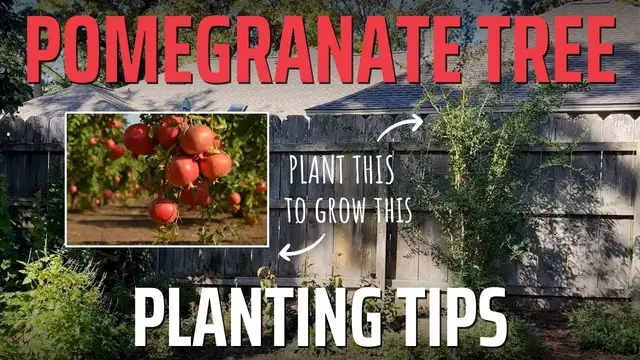
Growing a pomegranate tree is fairly simple, but there are a few things you need to know at planting time that will increase your chance of success. In this video, I walk through the basics of pomegranate variety selection, planting tips, and early tree care.
Thanks for watching!
LEARN MORE:
How to check your soil drainage:
https://youtu.be/bd6Q8AJjOVk
Choosing the right pomegranate tree for your area:
https://thefruitgrove.com/choosing-the-perfect-pomegranate-tree-19-top-varieties/
How to grow sweeter pomegranates:
https://thefruitgrove.com/simple-tips-to-grow-sweeter-pomegranates/
ABOUT US:
At The Fruit Grove, our goal is to provide the best possible information, tips, recipes, and advice to help you start and utilize your own fruit grove, whether it’s just one tree or a whole backyard orchard!
Visit our website for more fruit-related gardening info, tips, and recipes:
Show More Show Less View Video Transcript
0:00
Pomegranate trees are really the unsung hero of the garden as far as I'm concerned. I mean
0:04
I think everyone should plant one in their backyard, so here's mine. And in this video
0:09
I'm going to show you exactly what you need to know to plant a pomegranate tree
0:13
how to choose the right one, how to get it in the ground, and how to care for it its first year
0:18
And along the way, I'm going to share a few tips with you that you might not have thought of that
0:22
could make all the difference in how well your pomegranate tree grows. There's a ton to love
0:27
about pomegranate trees. They're really heat tolerant. They're even fairly cold tolerant
0:31
considering they're a subtropical plant. They don't take a lot of care. They can tolerate a
0:37
really wide variety of soil types, pH values. They love lots and lots of sun, but they can also
0:44
tolerate some shade. They're productive. They're beautiful and ornamental in the landscape. And
0:51
of course, they're absolutely delicious. I mean, there's no comparison between homegrown pomegranate
0:57
and the ones that you find in the grocery store that always look just a little bit questionable
1:01
to me. Most pomegranate varieties love heat and they actually need a lot of heat in order to
1:07
fruit well. We're talking at least 120 days over 85 degrees Fahrenheit. Now, if that's not your
1:13
climate, it's okay. You don't need to worry about it because there are a few varieties that can
1:18
tolerate a more temperate climate. So a couple of those sort of milder climate varieties would
1:23
include Desert Knee or Golden Globe. Now, this is a wonderful pomegranate tree and that's actually
1:29
the name of the cultivar. Wonderful is by far the most commonly grown pomegranate tree throughout
1:36
the world. It's the one you're most likely to find in the grocery store and it's very commonly
1:41
commercially cultivated, but it's also pretty much the easiest one to find in your local nursery
1:48
So the reason is because it's awesome. It's delicious. It's beautiful. It's disease resistant
1:54
It's very easy to grow and it has that really quintessential pomegranate look and taste of the
1:59
bright red fruit and kind of that balance of sweet and tart. But the thing is there are tons of other
2:05
varieties out there that you can grow. Another really popular one is Parfianca. So that's one
2:12
that you'll see a lot, but there are even more varieties. And if you're not a fan of the slight
2:18
astringent tartness in some pomegranates, you might like some of the sweeter varieties that have less
2:25
acidity. So examples of some of those sweet varieties would be Pink Satin or Ever Sweet
2:31
It's a very handy name. It tells you that it's sweet. But now just a little word of caution
2:36
about those. They're very sweet. They're delicious. But in my opinion, you miss a little bit of that
2:42
pomegranate flavor when it's not as acidic, but they're still really delicious and it kind of
2:47
depends on your situation and on your taste. So choose the one that is right for you. So now that
2:53
you've chosen your pomegranate variety, the next step is to choose the right location to plant your
2:57
tree. Now, the first thing to think about is sun. Pomegranate trees love sun. They love heat. They
3:05
can be drenched in sun all day and thrive. This is great news if you live in a really hot, sunny
3:11
climate like mine. Now, it's shady right now where I am, but you're looking for a spot in your yard
3:15
that has at least six to eight hours of sunlight every day. So there are some pomegranate trees
3:21
that are a little more tolerant of partial shade, but just keep in mind that will affect how well it
3:26
fruits and even how sweet and flavorful the pomegranates become. So aim for as much sun as you
3:32
can. And the next thing is space. These guys can get big, generally in the 10 to 15 foot range. Now
3:40
they're not too hard to keep pruned at a smaller size, but it does take some work. And just in
3:46
general, because you want them to have a lot of light and air, you want to make sure you have
3:50
plenty of space around your pomegranate tree. The other thing to think about as far as location is
3:56
just the visual. I mean, it's a beautiful tree. It's very ornamental. It gets bushy and it tends
4:02
to want to grow kind of like mine in this multi-stemmed form. It is possible to train a pomegranate
4:08
tree to be a single-stemmed tree, but it's a little bit tricky and it's less common. So they want to
4:14
grow in a slightly bushier, multi-stemmed form. So in terms of thinking of it in your landscape, you
4:21
could treat it like any other small ornamental tree or large shrub, but they're really beautiful
4:27
They have these small glossy dark leaves. The flowers are really big. They're a couple inches, these
4:33
bright red trumpet looking flowers and these big clusters at the end of the branches. And then, of
4:39
course, when the fruit grows, it almost looks like these perfect red Christmas tree ornaments all
4:44
over your tree. And they take a long time to develop, so you see them for a long time, for many months
4:49
So you want to see that. So I highly recommend you put your pomegranate tree somewhere where you can
4:55
enjoy its four-season beauty. So I've got mine right in a direct view from the kitchen window
5:01
And the last thing, as far as location goes, is my first tip, which is check your soil drainage. You
5:08
want to pick a spot that has really, really good drainage. A thing with pomegranate trees is that
5:14
they hate wet feet. They hate being planted in soil that stays really soggy. So it's important
5:20
that you double check that the area you want to plant your tree is going to drain the water through
5:25
fairly quickly. But if you're concerned about drainage, go ahead and pick a different location
5:38
Now we've got our tree, we've got our location, and now it's time to prep the planting site
5:43
So if you haven't done so already, now is a great time to check your soil pH. The great news is
5:48
pomegranate trees are really tolerant of a lot of different pH levels. So ideally, you want a pH that's
5:55
between 5.5 and 7, so that is slightly acidic to neutral. But they can actually tolerate a pH range
6:02
outside of that, even slightly alkaline soils, up to about 8, which is great news because it can be
6:08
really hard to find fruit trees that grow well in alkaline soil. But go ahead and test your pH just
6:14
so you know where you are and you can double check to see if you need to do anything else to tweak
6:19
your soil to get it ready for planting. But most garden soils are going to fall naturally within
6:25
that ideal range of 5.5 to 7. So now it's time to dig the planting hole. Take a look at the size of
6:31
the pot that your pomegranate tree came in and dig the hole about two to three times the width of that
6:38
pot. This leads right into my tip number two. Don't amend your soil when you plant your tree
6:44
unless you need to. Now let me explain a little bit. So ideally, you want the pomegranate tree to adapt
6:52
to the native soil of your planting spot. So I mean, if you think about it, planting a tree is
6:58
stressful. I mean, you're moving the tree from its comfy little potted environment to a whole new
7:05
location. I mean, think about how stressful it is for us when we have to move houses, right? It's
7:09
similar here. It's stressful on the roots to move to a new location. So once, if you've amended the
7:16
soil a lot, once the roots have grown outside of that amended area, it can be a shock to the plant
7:23
to reach unamended native soil, if that's not what they're used to, if they're used to a rich compost
7:28
And that can actually harm or even kill the tree in some circumstances. So we don't want that. We
7:34
want it to be comfortable with the native soil in your area. Now, my caveat to that is you might want
7:41
to amend the soil a little bit in some circumstances. In my case, my soil is sand. It is pure sand. It has
7:52
almost no organic material in it, unless I add it. Now, sand is great for drainage, and a pomegranate
7:59
tree loves well-drained soil, so I have that covered. But I did have to put in some compost
8:04
into my planting hole, and I dug it in really well. And I didn't add too much compost, but I had to add
8:10
some so that the soil would retain some moisture, and so that the plant roots could get the nutrients
8:17
that they need to support growth and to just grow healthily. So that's my tip number two. Don't amend
8:22
the soil unless you have to. So once your planting hole is set, take that tree out of its pot and
8:28
loosen up the roots gently around the side. If the root ball is really compacted, you may even want
8:34
to trim the roots lightly, but do this minimally. So lightly loosen up those roots and set it into
8:40
the planting hole so that the top of the root ball is just level with the top of the soil
8:45
You don't want to bury the root ball too deep. You want it to be just level. Once your tree's in place
8:51
start backfilling with your native soil or your native soil plus a little bit of compost mixture
8:56
like in my case. And as you go, tamp down the soil really firmly to get rid of any air pockets
9:03
My third planting tip for pomegranate trees is don't fertilize. Not yet. So again, we've got
9:10
this stressful situation for the tree's roots, and they can be sensitive to changes. So even something
9:17
as innocuous as fertilizer could potentially burn the roots or just cause more problems. It's better
9:23
to give the tree maybe a couple months to kind of get used to its new spot before you try to
9:28
fertilize. So after you've backfilled all the soil and tamped it down really well, the next most
9:34
important thing to do is my tip number four. Water more frequently than you think at first
9:40
Yes, pomegranate trees are drought tolerant, but after you first plant them, they need a lot of
9:46
water to help the roots to establish. So after you do a really good initial watering as you're
9:52
planting the tree, and I'm talking like you may even want to water as you're backfilling, because
9:57
the goal is to saturate the whole planting area, the entire root ball, to help it get established
10:04
So once you've done that, that first initial watering, you should probably water deeply about
10:09
twice a week for the next several weeks to get the plant going. This may seem like a lot, but it
10:14
really will help your plant get a good start. And then after that, aim to water about once a week
10:20
throughout the growing season. Now keep in mind how much rainfall you get. If you live in a really
10:25
rainy climate, or if it just happens to be like a rainy spring season like I have here, you have to
10:31
take that into account. You may not need to supplementally water quite so much. And the other
10:36
thing to keep in mind is the temperature. So as the temperature gets hotter, you may need to increase
10:41
your watering slightly. The hotter the air is, the more the plant essentially sweats. Water evaporates
10:48
off of the surface of the leaves to help cool the plant down, and that water needs to be replenished
10:54
through the roots. So keep an eye on the temperature, and as they start to rise into the 90s and above
11:00
you may need to water a little more frequently. Now a couple of my favorite ways to handle watering
11:04
a newly planted fruit tree is, first of all, these watering bags. I call them donuts. I don't know if
11:10
that's a thing, but that's just what I call them, for obvious reasons. I mean, look at the shape
11:15
But it's really simple. It's just this bag that you place around a young tree, and there's a little
11:20
spot to insert the hose. You fill the bag up, close it up, and underneath the bag are a couple of drip
11:26
emitters that slowly drain the water over a period of about eight hours. So what that means is it
11:32
gives the roots time to absorb more of the water rather than it just draining away. And I have found
11:38
this to be a game changer when it comes to my young planted fruit trees and plants. You know
11:45
I'm not a perfect gardener. I'll forget if it's all up to me manually watering, or it's so easy
11:50
to fall into the habit of watering too shallowly. The other thing is, of course, drip irrigation
11:55
and it depends on where your tree is. If you have access to drip irrigation, I highly recommend it
12:00
because, again, regularity of watering is almost more important than how much water the tree gets
12:07
You want it to be in regular intervals, and drip irrigation set up on a timer is just a super easy
12:14
way to do that. So here's my pomegranate tree. It's now October, and I planted it back in April or May
12:24
As you can see, or maybe you can't see, it's probably 10 feet tall right now. So it grew a ton
12:30
this first season, which I'm thrilled with. It's also looking a little bit wild, and that's okay
12:37
because I let it just kind of do its thing, and I wanted to wait to prune it for the first time
12:41
until this winter. So that'll be another video I'm going to tackle the big pruning of this
12:46
pomegranate tree, but for now it's just kind of crazy looking, and I don't mind. The other thing
12:51
you might notice is that there's no fruit on it, and again, this is okay. This is actually a good
12:57
thing because not growing fruit means that the tree has put its energy and all of its resources
13:04
to establishing a really great root system, to growing this massive canopy even the first year
13:11
and storing up what it needs in order to fruit next year and every year following. So I am
13:16
perfectly fine with the fact that I don't have any pomegranates yet. Hopefully I'll get a couple
13:21
next year, but realistically I'm thinking it might even be two years before I get any significant
13:26
crop of fruit, and you know what? I'm okay with it. I can wait. A little delayed gratification is
13:31
good for all of us. So that leads me to my fifth and final tip, which is simply observe your
13:38
pomegranate tree. Once you've planted the tree, get in the habit of coming out to take a look at it
13:44
See how it's responding to your watering, or do the leaves look pale or yellow like they might need
13:51
fertilizer, or like I've noticed, I've got a little bit of leaf curling, and I'm pretty sure it's due
13:56
to some mite damage. So I'm going to start spraying it with neem oil, and there's some things I can do
14:01
while the tree is dormant this winter that can help prevent that next season. And now I know
14:05
because I've been paying close attention. But all of these things is because I've kept an eye on it
14:11
and that really is the way to learn. It's the way to learn more about gardening, and of course about
14:16
everything. Now I hope you'll come back and watch a couple more of my videos, but the best way for
14:21
you to learn is to get out, observe, make mistakes, figure it out, and just keep at it. So I hope this
14:28
video inspires you to go get yourself a pomegranate tree, get it in the ground, and watch it go
14:34
Thanks so much for joining me, and I'll see you in the next video
#Home & Garden
#Home Improvement