Up next in 10



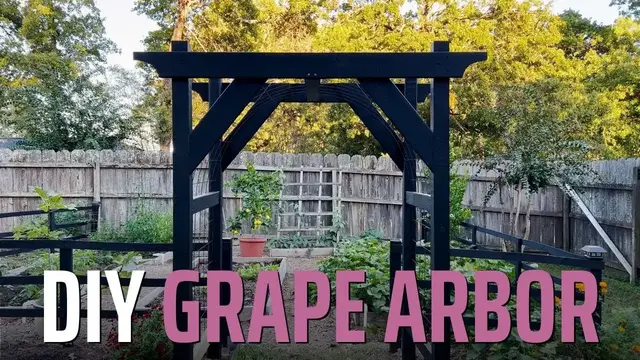
Sometimes the best garden projects start with an impromptu trip to the nursery! In this video, I show how we made a simple, inexpensive, and beautiful grapevine trellis archway in our garden. Watch to see the whole process, from the design to planting the grapevine.
Thanks for watching!
LEARN MORE:
Find the details, measurements, and materials info for this project here:
https://thefruitgrove.com/diy-grape-arbor-build-an-inexpensive-garden-archway-video/
ABOUT US:
At The Fruit Grove, our goal is to provide the best possible information, tips, recipes, and advice to help you start and utilize your own fruit grove, whether it’s just one tree or a whole backyard orchard!
Visit our website for more fruit-related gardening info, tips, and recipes:
https://thefruitgrove.com
#gardenprojects #gardenprojects #diygarden #gardendesign##fruitplants #grapevines #fruittrees #fruitgarden #backyardorchard #backyardgarden #growingfruit #gardening #fruitgardening #backyardgardening
[I occasionally link to goods or services that I have found to be useful and effective in my own garden. The Fruit Grove may receive commissions from the above links to products, at no additional cost to you.]
Show More Show Less View Video Transcript
0:00
You know, in gardening, sometimes things happen that lead you to do a project or plant a plant
0:06
that you weren't planning on. And that is exactly what happened with me and this grape arbor
0:11
So in this video, I'm going to show you exactly how we made this really easy and inexpensive
0:15
grape arbor project. So I did something the other day that I think most gardeners can relate to
0:21
I drove to my local plant nursery, you know, just to kill some time
0:26
And $200 later, I had a car full of plants that I didn't know I needed, including the
0:32
one that I was most excited about, which was this razzmatazz grape vine right here
0:37
And I was so excited to find this because it is a relatively new table grape variety
0:43
that is heat tolerant, disease resistant. It does well in humidity. It grows really vigorously and it's super productive and just apparently really easy
0:51
to care for. And it's one of those things that are really important to me, especially in my very high
0:57
disease pressure, hot, humid climate. So I had to grab it. But of course that meant we had to make something for it to climb on
1:05
And that was really the birth of this grape arbor project. Now we'd already built a fence to enclose our garden area
1:12
That's this black fence behind me. And I'll link to the video that shows how we did that
1:17
But we'd left, of course, an opening to get into the garden area
1:21
And I thought that was going to be the perfect place to put a nice arbor archway for this
1:26
grape vine to climb on. And then of course I wanted it to be really sturdy and last a long time
1:32
It needed to be inexpensive because I had just spent all that money on plants
1:36
And because, you know, you want it to be cost effective. And then I just need it to just last a long time because again, we have all this crazy
1:45
weather and heat and humidity that's rough on wood. Plus we have ants and termites in our sandy soil
1:52
So I really wanted it to last. So that was all the things that went into the design of our grape arbor
1:59
And now I'm going to show you exactly how we made it. Now first, let me explain that when I say we built a grape arbor, I'm talking about
2:14
me and my husband, Greg. Because when it comes to woodworking, he is definitely the expert of the two of us
2:21
So whenever I have a garden project like this, it's sort of like he's the project manager
2:25
and I am his very willing and somewhat able assistant. We came up with a really simple design because we wanted it to be fairly straightforward
2:32
to put together. We used all pressure treated wood because we wanted this to last as long as possible
2:38
And we wanted it to be a little more affordable. So if budget is less of an issue, something like cedar or something like that would work
2:45
really well and be really beautiful. But we stuck with pressure treated wood to just keep it simple and to keep the costs down
2:51
But what we decided to do is have four eight foot tall four by four posts on each corner
2:58
of the trellis. And then across the top of the front and the back is a two by six board with a little curved
3:05
decorative ending that we cut into it. And then to sort of hold that shape together, we have two angled two by sixes
3:13
And it also just makes it look decorative. So this is on the front and the backside of the trellis
3:18
And then we use two by four pieces to put the front and the back of the archway together
3:23
And that's also going to give us something to attach the mesh to. And that's what the grapevine is actually going to be climbing on
3:30
So like I said, the arbor is eight feet tall. But part of that is going to be sunk into the ground
3:36
So it's really closer to seven feet tall by the time we put it in the ground
3:40
But the boards themselves, the posts are eight feet tall. And then they're spaced about five feet apart
3:46
That's the opening. So the entire width of the trellis is longer than five feet
3:52
But the opening part is five feet. And then it's three feet front and back
3:56
So the actual archway part is three feet deep. Once we figured out the design and measurements, the first step was to cut the horizontal two
4:05
by sixes for the very top to the right length. Then I sketched out a template for the curvy decorative part at the end of each of the
4:16
two by sixes. And then Greg traced it onto a scrap piece of wood and cut it out at the bandsaw
4:23
We used the template and traced the curve onto the ends of the two by sixes
4:27
And then we used a jigsaw to cut them out. Now this is optional, but Greg also used a flush trim bit on his router to just smooth
4:39
out the curve as much as he could and then just lightly sanded it down
4:44
Then we attached the two by six to the front two posts
4:48
We laid it out so that the two by six would stick out about eight inches past the post
4:52
on either side. But then the post itself will stick up about two and a half inches above this horizontal
4:59
two by six at the top. Once we had the board in place, we just pre-drilled some holes and then attached it to the post
5:06
with some deck screws. Then we took another two by six board and we figured out what exact angle we wanted
5:17
it to take. These are for the angled sort of support pieces on the corners of the front and back of the trellis
5:24
Here, we've laid it out on the ground so you can see how the pieces fit together
5:28
The angled support pieces will attach to the side of each post but then go behind the two
5:34
by six board at the top. We used pocket screws to attach these angled pieces into the posts and then we screwed
5:45
them into the back of the two by six at the top
5:59
After that, we followed the same procedure to assemble the back part of the trellis
6:03
Once everything was assembled, I then painted the bottom foot or so of each of the posts
6:08
with this black asphalt paint. This was really to protect the wood because pressure treated wood isn't really meant for
6:15
ground contact. So, if I want this trellis to last, then I need to protect it somehow from water, from
6:21
bugs and ants and termites and all the things that might rot the wood
6:27
Asphalt paint was the solution. It was really, really simple to do
6:37
After that, we just wanted to double check and make sure we were happy with the overall
6:41
look, the proportion of everything and the height of the trellis. Now, the height was misleading
6:46
At first, we were a little worried that maybe we'd made it too tall but then we remembered
6:50
oh yeah, we're going to sink it a foot into the ground. So, if you imagine the trellis being about a foot shorter, I think it's going to be just
6:58
the right height for our garden. The next day, we started to figure out the layout and the placement of the arbor in the garden
7:04
So, we decided to set the front and back panels of the trellis in place first and then measure
7:12
and attach them with those horizontal support pieces. Once we had an idea of how we wanted it to sit and we measured everything exactly, we
7:20
could go ahead and start digging those holes. So as usual with these things, right when we start, we hit a couple snags in the way
7:33
of roots that we're having to dig around but especially the pipes that go to our sprinkler system
7:39
So, we may have to adjust the location of where we're digging these holes to set the
7:43
posts just a little bit though. It shouldn't make too big a difference but this is why we take our time
7:48
This is why we allow plenty of time and we don't stress out about a particular timeline
7:53
because these things always come up and we want to do it right
8:03
We used some stakes and string to double check that everything was aligned the way it needed
8:08
to be, that everything was level and then we placed one of the panels in the ground
8:13
so that we could just check the general look and height and make sure we were happy with
8:17
how everything was looking. And then once we were sure we were happy, we went ahead and put some dry cement in the
8:27
holes with the posts and then added some water on top and left it to set overnight
8:33
See how it gets all gooey? It's going to kind of soak in
8:41
Then we did the exact same procedure with the front part of the trellis and we kept
8:45
double checking the height of the base of the post holes to our level string to make
8:50
sure that everything was still aligned and that everything was going to be level
8:54
Once those were set into place and we backfilled all the holes to make sure everything was
8:59
really set, then we double checked the measurements between the posts, cut the 2x4s to size, pre-drilled
9:06
some pocket screws and attached our horizontal supports. We put one in the middle of the top of the trellis between the front and back panels
9:16
and then we put two along each side. Now for the wire mesh
9:21
What we decided to use is what's called often re-mesh and this is the stuff that's, it's
9:27
this very sturdy wire mesh that's put inside concrete to stabilize it
9:32
And it's really easy to find, we just got ours at a hardware store
9:37
It was however rusty when we bought it so I took the time to clean off the rust and
9:42
I decided to paint it to prevent it from rusting again. This re-mesh comes in 3 1⁄2 foot wide pieces and we wanted it to be 3 feet so Greg just
9:54
cut off one of the rows of squares on the end of the mesh and just made sure it was
9:58
nice and smooth so it would be easy to attach. The last step in our assembly was attaching the re-mesh panels to the trellis and to do
10:10
this we just hammered in some wire staples around the mesh to keep it in place and this
10:16
worked perfectly. It worked so well so we're really, really happy with how it turned out
10:23
It's early the next morning and so now I'm going to get started on painting the Great Barber
10:27
We're just about done, we just have one more of the panels to put on but I'm really excited
10:32
to see how this turns out. I think it's going to look beautiful, it's going to match the fence, and it's just going
10:36
to look more finished and polished
10:55
So here it is, the arbor is completely assembled, in place, and finished
11:00
So now I finally get to plant my grapevine. So here's the finished arbor, it's big, but I'm really happy with how it turned out
11:39
I think it's just the right size for my little garden bed and, you know, as you can see it
11:44
seems like there's room maybe for another plant on this side. Maybe I'll do another grapevine, I might just propagate this guy if he's doing well, or
11:53
maybe I'll do a flowering plant. But on the other hand, I know that Razzmatazz is supposed to be a really vigorous grower
11:59
so it just might fill up my entire arbor by itself. We're just going to have to see about that
12:05
But I'm going to do more videos on exactly how to care for the grapevine, how to prune
12:09
it, and everything you need to know about growing your own grapevine
12:13
But in the meantime I hope you enjoyed this video, I hope it inspires you to do a garden
12:17
project like this, even if it's one that you weren't planning. So thanks so much and I'll see you in the next video
#Home & Garden
#Home Improvement