Up next in 10


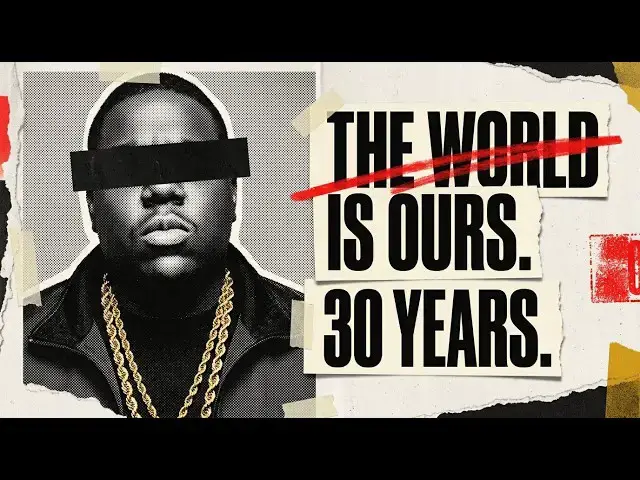
The Black Mafia Family is usually told as a story about parties, jewelry, and
two brothers from Southwest Detroit. That version skips the part that actually
matters: how the money physically moved.
Working only from DEA announcements, Justice Department releases, federal court
records, sentencing documents, and clemency filings, this documentary rebuilds
BMF as what prosecutors described — a multistate cocaine trafficking and money
laundering organization with links to Mexico-based suppliers.
We follow five systems:
• SUPPLY — how product crossed the border and reached American hubs
• DISTRIBUTION — the hub-and-spoke network across Detroit, Atlanta, Louisville,
Los Angeles, St. Louis and beyond
• CASH — how street proceeds became property, vehicles, jewelry and nominee
purchases
• BRAND — how a music company turned reputation into access
• COLLAPSE — how wiretaps, seizures, cooperating witnesses and one forgotten
vehicle turned a network into a set of counts
Where the public record is uncertain, this film says so. Indictments are
identified as accusations. Government estimates are identified as estimates.
Where the mythology and the paperwork disagree, the paperwork wins.
━━━━━━━━━━━━━━━━━━━━━━━━━━━━━━━━━━━
⚠️ AI PRODUCTION DISCLOSURE
All visuals in this documentary are AI-generated reconstructions. No archival
photographs or footage of real individuals are used. Faces, locations and
objects are interpretive recreations created to illustrate documented events.
Narration is synthesized. This film is journalism about the public record, not
a depiction of real footage.
━━━━━━━━━━━━━━━━━━━━━━━━━━━━━━━━━━━
📚 SOURCES
Drug Enforcement Administration public announcements
U.S. Department of Justice press releases (Eastern District of Michigan,
Northern District of Georgia, Western District of Kentucky)
Federal sentencing records and court opinions
Department of Justice clemency records, December 2024
This video does not glorify drug trafficking. It examines why the model failed.
If the subject matter affects you, resources are linked below.
━━━━━━━━━━━━━━━━━━━━━━━━━━━━━━━━━━━
⏱️ CHAPTERS
0:00 The Limo That Outlived the Empire
2:10 Fifty-Dollar Bags in Southwest Detroit
4:37 Expansion: Seven States and a Problem
7:22 Atlanta, and the Number That Changed Everything
9:00 The Supply Side
13:05 Turning Cash Into Something Legal
15:18 The Brand Becomes the Business
19:46 What the Wiretaps Actually Caught
21:40 Louisville: The Network, Counted
25:44 The Empty Stash House
27:06 October 28, 2005
28:36 The Hummer, Again
30:04 Violence, Precisely Stated
34:26 Thirty Years Each
36:08 Two Brothers, Two Records
38:10 Clemency, and the Moving Finish Line
39:25 The Afterlife of a Brand
41:10 What They Actually Built
Note on chapters: timestamps above are calculated from narration word counts at 132 wpm against your Kokoro speed of 0.88. Verify against the final rendered audio before publishing — if your render drifts, every chapter shifts.
-~-~~-~~~-~~-~--~-~~-~~~-~~-~--~-~~-~~~-~~-~-
⚠️ Content Disclaimer:
This video is created for educational and informational purposes only. We do NOT glorify, promote, or encourage any form of criminal activity.
All visuals, audio, and materials used in this video are either:
✔ Created using AI tools, or
✔ Sourced from royalty-free platforms with valid licenses.
Some images and characters have been generated using AI and do not represent real people or events.
No copyrighted content belonging to others has been used without permission.
❤️ Support the Channel:
If you enjoy learning about real-life crime stories, history, and social issues, don't forget to:
✔ Like the video
✔ Subscribe to the channel
✔ Share your thoughts in the comments
Your support helps us keep creating more valuable content!
🔧 Tools I Use to Grow This Channel:
I personally use vidIQ to optimize my videos, find trending keywords, and grow my YouTube channel faster. Try it for free and see the difference!
💼 Contact & Copyright:
If you believe any part of this video violates your rights, please contact me directly via YouTube. I fully respect copyright laws and will respond promptly.
-~-~~-~~~-~~-~--~-~~-~~~-~~-~--~-~~-~~~-~~-~-
-
Show More Show Less View Video Transcript
0:00
The secret did not die with the Black Mafia Family.
0:03
In two thousand eight, agents found it inside a Hummer stretch limousine that had already
0:10
been searched, seized, sold, and passed through four innocent owners.
0:15
Behind panels nobody had opened, the vehicle still held seven semiautomatic firearms and
0:21
nearly nine hundred thousand dollars in cash.
0:24
The organization was gone. The evidence was still moving through the world.
0:29
Before this story ends, that Hummer will answer a question the mythology never does: how can
0:36
a criminal empire look invisible and still leave its fingerprint in plain sight?
0:42
Three years earlier, another limousine had offered investigators a different clue.
0:48
A Lincoln Navigator stretch limousine contained nine hidden compartments and five hundred
0:54
eighty thousand two hundred fifty dollars.
0:57
It was not a glamorous secret.
1:00
It was a logistics decision made visible: a luxury vehicle carrying a public image on the
1:06
outside and a private inventory on the inside.
1:09
That contrast is the doorway into BMF.
1:12
The question is not whether the Flenory brothers looked powerful.
1:17
The question is how they converted visibility into scale, and why the same visibility
1:23
eventually became evidence.
1:25
Start with a correction, because the most dramatic version of this story is not always the
1:32
most accurate.
1:33
BMF is often described as a billion-dollar corporation with secret ledgers, a
1:39
twenty-four-hour dispatch center, and a proven alliance with every famous cartel name.
1:45
The public record is more exact.
1:48
Federal agencies described a multistate cocaine trafficking and money laundering
1:54
organization with links to Mexico-based suppliers.
1:57
Court records document phone intercepts, hidden compartments, cash movements, asset
2:04
purchases, forfeiture claims, cooperating witnesses, and a music company used as a front.
2:10
The real system is already cinematic. It does not need invented machinery.
2:16
According to a D-E-A announcement, Terry and Demetrius Flenory began in Southwest Detroit in
2:23
the mid-nineteen eighties, selling fifty-dollar bags of crack while they were still in high
2:29
school.
2:30
That detail is easy to rush past. Do not. It is the origin of the entire business problem.
2:36
A small local market teaches a dealer how to source, price, trust, collect, and repeat.
2:42
The brothers did not begin with a transnational brand.
2:46
They began with a transaction that worked.
2:49
Then they repeated it until repetition became organization, and organization became
2:55
something large enough for the federal government to name.
2:59
At the beginning, three threads look separate.
3:02
The first is supply: how product travels from a source outside the United States into
3:08
American hubs.
3:09
The second is money: how cash leaves the street and returns as property, jewelry, vehicles,
3:16
or a plausible transaction.
3:18
The third is image: how a name enters clubs, music, billboards, and conversations until
3:24
reputation becomes a form of access.
3:26
BMF became powerful when those threads reinforced one another.
3:31
It collapsed when they began pointing to the same people.
3:35
Follow the brothers, the distributors, and the investigators, and the business model becomes
3:41
a countdown.
3:43
The two brothers were not interchangeable characters.
3:47
Public accounts place Demetrius, known as Big Meech, closer to Atlanta's clubs, social
3:53
world, and entertainment ambitions, while Terry, known as Southwest T, became associated
4:00
with the Los Angeles side of the supply chain.
4:03
That is a useful map, not a perfect corporate chart.
4:07
Their roles overlapped, their organization crossed cities, and their legal exposure remained
4:13
shared.
4:14
The division of labor created strength: visibility could open doors, distance could protect
4:21
routes.
4:22
But division is not separation.
4:24
Robert Corso, the D-E-A's Detroit special agent in charge, later described the result this
4:31
way: Terry and Demetrius Flenory expanded what was a small, local operation into a
4:37
multistate, multimillion-dollar criminal enterprise with direct links to Mexican-based
4:43
drug-trafficking cartels.
4:47
By the nineteen nineties, the brothers were no longer operating only in Detroit.
4:53
The D-E-A said the organization expanded into Missouri, Kentucky, Georgia, Alabama,
4:59
Tennessee, California, and Texas, among other places.
5:03
That list matters because it turns a legend into geography.
5:07
Every new market required a local contact, a place to hold product, a way to collect
5:13
proceeds, and someone trusted enough to keep quiet.
5:16
Expansion created revenue, but it also multiplied the number of people who could lose a
5:23
shipment, keep a payment, talk to an investigator, or simply remember the wrong detail.
5:29
The names Big Meech and Southwest T became more than aliases. They were routing signals.
5:36
A reputation established in one city could open a door in another.
5:40
Federal cases later described BMF distributors receiving cocaine in multikilogram
5:46
quantities, sometimes through vehicles with concealed compartments.
5:51
The brothers did not have to stand on every corner.
5:55
They needed a chain of people who could translate a central supply into local sales.
6:01
That is the hub-and-spoke idea in its simplest form: the center does not touch every
6:07
customer, but every spoke depends on the center.
6:11
Here, the neat organizational chart begins to break down.
6:15
The public story often assigns Demetrius the Atlanta-facing entertainment and social world,
6:22
and Terry the Los Angeles-facing supply side.
6:25
There is evidence for different geographic centers and different public roles, but there is
6:32
no surviving corporate chart that explains every decision.
6:36
A responsible documentary has to say that plainly.
6:40
BMF was hierarchical enough for prosecutors to identify leaders and distributors, yet
6:46
flexible enough that the exact lines of authority were reconstructed from calls, testimony,
6:53
and transactions after the fact.
6:56
That flexibility was an advantage on the street.
7:00
A regional distributor could operate with local knowledge while the broader organization
7:06
supplied volume.
7:07
It was also a defense against a single arrest.
7:10
If one node disappeared, another could keep moving.
7:14
But networks have a hidden cost: coordination.
7:17
Someone has to answer the phone, confirm quantities, settle debts, and decide what happens
7:23
when a load goes missing.
7:25
The more the organization grew, the more ordinary its communications became.
7:30
Ordinary language, repeated across cities, was precisely what investigators could collect
7:37
and compare.
7:38
Atlanta became the most important public symbol of that scale.
7:43
A Justice Department account said that, at the peak in two thousand three and two thousand
7:49
four, BMF was moving hundreds of kilograms into Atlanta, Detroit, and other hubs every
7:55
month.
7:56
The D-E-A separately described an estimate of approximately two thousand five hundred
8:02
kilograms monthly through the Atlanta hub.
8:05
Those are government figures, not an audited internal ledger.
8:09
But even with that qualification, they show the central challenge: this was no longer a
8:16
corner transaction.
8:17
It was a recurring flow with a calendar, a return journey, and multiple points of failure.
8:23
Atlanta was not just another destination.
8:26
In the federal account, it became the public face of BMF's scale.
8:31
The city offered a large market, a visible nightlife economy, and connections that could
8:37
turn a local name into a regional brand.
8:40
That combination created a dangerous illusion.
8:43
From the outside, parties and music suggested expansion.
8:48
Underneath, the same city had stash houses, distributors, vehicles, cash, and people who had
8:54
to make every handoff work.
8:56
A hub is powerful because many routes meet there. It is vulnerable for the same reason.
9:02
When the center is watched, the entire network begins to cast one shadow.
9:14
The source side was described in equally broad terms.
9:18
The D-E-A said BMF had direct links to Mexico-based drug-trafficking organizations.
9:25
That supports a cross-border supply story, but it does not justify attaching every famous
9:31
cartel name to the Flenory brothers.
9:34
The public record we are using does not prove a direct operating relationship with both the
9:41
Milenio and Sinaloa cartels.
9:43
Precision matters here. The power of BMF was not that it became a Mexican cartel.
9:49
It was that it connected a U.S. distribution network to suppliers beyond the United States.
9:57
That connection created a reverse logistics problem.
10:01
Cocaine moved north toward American hubs. Cash moved in the opposite direction.
10:06
A Justice Department account described vehicles arriving with secret compartments and then
10:13
being filled with proceeds to travel back toward Mexican sources.
10:17
In a legal business, the return trip carries invoices, inventory reports, and bank
10:23
transfers.
10:24
In this system, the cargo was cash, and the paperwork was designed to disappear.
10:30
The absence of paperwork did not mean the absence of a trail.
10:34
It meant the trail moved into phones, vehicles, bank accounts, property records, and human
10:41
memory.
10:42
The vehicles were part of the solution.
10:45
Federal investigators described stretch limousines and luxury vehicles with hidden
10:51
compartments, or traps, used to conceal drugs and money.
10:55
Some vehicles also contained devices intended to mechanically expel drug-tainted air, an
11:01
attempt to frustrate canine detection.
11:04
That is a cinematic detail, but it is not a license to turn the case into an engineering
11:11
manual.
11:12
The important point is organizational: a luxury vehicle could carry status in public and
11:19
conceal inventory in private.
11:21
Image and logistics occupied the same shell.
11:24
At peak scale, a shipment was not merely a delivery.
11:28
It was an event that had to be received, stored, divided, sold, reconciled, and sent back
11:34
through the financial system.
11:36
Testimony in related cases described stash houses in the Atlanta area and repeated arrivals
11:43
of vehicles carrying large quantities.
11:46
The exact rhythm varied, and the public record does not establish a single dispatch center
11:52
or universal procedure.
11:54
What it does show is repetition. Repetition creates efficiency. It also creates patterns.
12:01
A route that works once can become a route investigators learn to watch.
12:06
Toree Sims shows what a spoke looked like when the center became a name in a court file.
12:13
He was identified by the government as a Louisville distributor for the Detroit and
12:19
Atlanta-based organization.
12:21
Wiretaps linked him to Terry Flenory, one shipment of ten kilograms was seized outside
12:27
Detroit, and later calls mapped a much larger Louisville operation.
12:32
Sims eventually became a fugitive and was featured on a national wanted program before his
12:39
arrest.
12:40
His story is not a side plot.
12:42
It shows how BMF's structure worked: leadership at a distance, local distribution, and a
12:48
trail that widened every time a regional operator spoke.
12:52
By the time the D-E-A announced the arrests, it summarized the system in one sentence.
12:59
The words came from Administrator Karen Tandy, and they are worth hearing because they
13:05
describe the scale without the mythology.
13:08
The BMF was a sophisticated drug smuggling and money laundering organization, led by
13:14
brothers that operated in eleven U.S.
13:17
states and had direct links to Mexico-based drug trafficking organizations.
13:26
Scale creates another problem: cash.
13:28
Cocaine can be sold quickly, but cash cannot simply announce itself as legitimate income.
13:35
According to the Detroit D-E-A account, BMF members deposited large amounts into bank
13:41
accounts, bought cashier's checks and money orders, transferred funds toward assets, and
13:47
paid personal expenses while trying to create the appearance of a lawful source.
13:53
The point of laundering is not to make money disappear. It is to make money look ordinary.
13:59
Ordinary money can buy a house, a car, jewelry, or time.
14:04
The cash problem also explains why BMF needed more than a drug pipeline.
14:09
It needed a story for the money after the sale.
14:12
Deposits, cashier's checks, money orders, property, jewelry, and nominee purchasers were not
14:19
separate tricks.
14:20
They were attempts to move cash across a boundary: from something that demanded secrecy to
14:27
something that could be spent in public.
14:30
The I-R-S investigators followed that boundary.
14:33
Their work mattered because a phone call can suggest a shipment, but a financial transaction
14:40
shows what the organization wanted the shipment to become.
14:44
I-R-S Chief of Criminal Investigation Nancy J.
14:47
Jardini described the institutional lesson this way: When law enforcement agencies combine
14:53
resources and expertise, we create a formidable force.
15:00
The asset list reads like a catalogue of visibility: luxury vehicles, real property,
15:06
jewelry, bank accounts, and high-end purchases.
15:10
Federal authorities said the organization used false names and nominee purchasers to conceal
15:16
who really controlled some transactions.
15:19
This was not sophisticated because it was elegant.
15:23
It was sophisticated because it separated ownership from use.
15:27
A person could enjoy the asset while the paperwork pointed somewhere else.
15:32
But every nominee creates another relationship, and every relationship creates another
15:38
witness, another document, another possible point of pressure.
15:43
Nancy J.
15:44
Jardini, the I-R-S chief of criminal investigation, described the wider harm in language
15:51
that reaches beyond BMF's balance sheet: The proceeds from the sale of illegal narcotics are
15:58
funneled through the underground, untaxed economy.
16:01
This impacts every law abiding, taxpaying citizen.
16:05
The lottery-ticket allegation makes the laundering story unusually concrete.
16:11
The Detroit D-E-A said BMF members bought winning four-digit Michigan lottery tickets from
16:17
the people who had actually won them, paying cash, then redeemed tickets valued at more than
16:23
one million dollars.
16:25
The proceeds were used for homes, mortgage payments, and vehicles, creating a
16:30
legitimate-looking explanation for money that the indictment said came from cocaine sales.
16:37
Whether one sees this as clever or absurd, the mechanism is the same: convert a criminal
16:43
origin into a document that appears routine.
16:46
Jewelry formed another bridge between cash and legitimacy.
16:51
A federal court order concerning jeweler Jacob Arabov described government allegations that
16:57
the Flenory organization used cash purchases and nominee buyers, while required transaction
17:04
reports did not identify the true purchasers.
17:07
The order was about venue and money-laundering allegations, not a cinematic verdict on every
17:14
celebrity connection.
17:15
That distinction matters. In a case this famous, association is often mistaken for proof.
17:22
The documentary record is strongest when it says exactly what a filing alleges, what a court
17:29
decided, and what remains disputed.
17:32
The jewelry allegations introduce another important character: the intermediary.
17:38
A supplier of luxury goods does not have to know every fact about a criminal network to
17:44
become part of its financial story.
17:47
The federal court order concerning Jacob Arabov described government allegations about cash
17:53
purchases, nominee buyers, and inaccurate or missing transaction reports.
17:59
That does not make every customer a conspirator, and it does not turn a filing into a
18:05
universal verdict.
18:06
It shows something more useful.
18:09
Laundering depends on ordinary institutions: banks, stores, property records, lottery
18:15
offices, and people willing to accept a convenient explanation.
18:24
Then came the cultural layer.
18:26
A federal court opinion described BMF Entertainment as an entertainment music company that
18:32
promoted hip-hop artists and served as a front organization to conceal evidence of drug
18:38
trafficking activity.
18:40
That is a stronger foundation than the claim that every song, tour, or celebrity appearance
18:46
was a laundering transaction.
18:48
A label can be a business, a social platform, a publicity machine, or a cover.
18:53
In BMF's case, the record supports the front function.
18:57
It does not turn every artist who crossed paths with the brand into a conspirator.
19:03
Why music? Because music moves attention before it moves money.
19:08
A song can make a name travel. A club appearance can turn a dealer into a personality.
19:13
A label can create a reason for people from different cities to meet.
19:18
That does not mean the entertainment venture was a profitable corporate division in the
19:24
conventional sense.
19:25
It means the venture produced access, legitimacy cues, and a public narrative.
19:30
The organization was no longer selling only product.
19:34
It was selling a feeling of belonging to a world where the rules seemed different.
19:40
The brand's most efficient message was not hidden. It was public.
19:45
Federal prosecutors later said BMF bought freeway billboards proclaiming that the world was
19:51
theirs.
19:52
The slogan worked because it collapsed business, celebrity, and threat into one image.
19:58
It sounded like ambition. It looked like advertising.
20:01
But it also told investigators something important: the organization valued recognition, not
20:07
just concealment.
20:09
Visibility could attract customers and allies.
20:12
It could also attract federal attention from places that did not care about the myth.
20:18
That is the cultural contradiction at the center of BMF.
20:22
Hip-hop did not simply provide a curtain behind which the drug trade hid.
20:27
It also provided a stage on which the organization performed power.
20:32
The same stage that made the brand valuable made it searchable.
20:37
Names repeated in songs, clubs, interviews, and social circles did not prove crimes by
20:44
themselves.
20:45
But they helped create a network of associations that investigators could test against phone
20:51
records, financial records, seizures, and testimony.
20:55
Image was not evidence. Image was an investigative lead.
21:00
BMF Entertainment is where the story becomes most tempting to exaggerate.
21:05
A music company can create legitimate revenue, but it can also create contacts, movement,
21:11
and a reason for cash to exist in places where cash would otherwise look suspicious.
21:17
The court record supports the description of a front organization.
21:22
It does not prove that every song, tour, endorsement, or celebrity appearance was a
21:28
laundering event.
21:29
The distinction protects the story from becoming gossip.
21:33
The label mattered because it connected worlds that normally stayed separate: street money,
21:40
nightlife, artists, promoters, and the public imagination.
21:44
At the sentencing of Atlanta defendants, U.S.
21:47
Attorney David Nahmias described that public performance in blunt terms.
21:52
These sentencings help bring to a close the Justice Department's successful dismantling of
21:59
the Black Mafia Family, A coast-to-coast drug empire once so brash and powerful that it
22:05
purchased freeway billboards proclaiming that the world was theirs.
22:16
Operation Motor City Mafia began on October twenty-eighth, two thousand three, as a two-year
22:23
Organized Crime Drug Enforcement Task Force investigation.
22:27
The D-E-A, its Special Operations Division, I-R-S Criminal Investigation, and the U.S.
22:34
Attorney's Office in the Eastern District of Michigan worked with offices and agencies in
22:40
several states.
22:42
The lesson is easy to miss.
22:44
BMF had scaled across jurisdictions, so the investigation had to scale across institutions.
22:51
Detroit could see the brothers. Louisville could see a distributor. Atlanta could see a hub.
22:58
Financial investigators could see the proceeds.
23:01
The case emerged when those views were joined.
23:05
Wiretaps were not magic windows into a secret headquarters.
23:09
They were fragments: a call, a name, a request, a number, a repeated phrase.
23:15
Their power came from accumulation.
23:17
A conversation that sounded incomplete in Detroit could become meaningful after a seizure in
23:24
Kentucky.
23:25
A phone number could connect a distributor to a supplier.
23:29
A witness could explain the language. A bank record could show what the call was preparing.
23:35
The investigation turned sound into structure by comparing small pieces over time.
23:41
The Louisville prosecution shows that process in miniature.
23:46
According to the Justice Department, wiretaps of Terry and Demetrius Flenory helped lead
23:52
investigators to Toree Sims in June of two thousand four.
23:56
Four intercepted conversations captured Sims ordering ten kilograms from Terry Flenory; the
24:03
shipment was seized outside Detroit.
24:05
A later wiretap on Sims's phone intercepted thousands of conversations about sales and
24:11
distribution in Louisville.
24:13
Trial testimony said Sims received and distributed more than one hundred kilograms in that
24:20
market.
24:21
The network was no longer an urban legend.
24:24
It was a set of transactions that could be counted.
24:27
The Sims case also reveals how a network breaks from the inside.
24:32
The government presented intercepted calls, a seized shipment, and testimony from former BMF
24:39
members Charles Parson and Arnold Boyd.
24:42
A cooperating witness brings a human explanation to mechanical evidence, but cooperation
24:49
also creates a question about motive.
24:52
That tension is why investigators need corroboration.
24:55
The strongest case is not a stranger's story by itself.
25:00
It is a story that matches the phone, the shipment, the timing, and the money.
25:05
In court, the network had to become more than a reputation. It had to become proof.
25:12
In a related federal sentencing, Acting U.S.
25:15
Attorney Terrence Berg made the institutional point plainly: Combating gangs and other types
25:22
of organized crime is a priority of this office.
25:26
Informants added what machines could not: interpretation.
25:30
A call can show that two people spoke.
25:33
A cooperating witness can explain who supplied whom, which vehicle mattered, and what a
25:39
payment meant.
25:40
That testimony is never neutral; prosecutors, defense lawyers, and judges weigh credibility,
25:47
incentives, and corroboration.
25:49
But when testimony aligns with seizures, wiretap timing, and financial records, it can turn
25:56
an allegation into a prosecutable pattern.
25:59
The government's case did not rest on one dramatic revelation.
26:03
It accumulated enough ordinary details to make denial harder.
26:08
David J. Hale, the U.S.
26:10
attorney in Western Kentucky, framed the purpose of that accumulation as a warning, not a
26:16
business lesson: This prosecution and the serious punishment imposed should make abundantly
26:23
clear that we will not permit drug trafficking organizations to operate with impunity.
26:32
Before the national arrests, Atlanta had already offered a glimpse of the network's
26:38
vulnerability.
26:39
In late November of two thousand four, Atlanta police and D-E-A agents raided an expensive
26:46
stash house after BMF activity had drawn attention.
26:50
The house was unoccupied, so there was no cinematic confrontation.
26:55
Inside, investigators found firearms, fictitious identifications, BMF paraphernalia,
27:01
marijuana, and vehicles, including a Hummer stretch limousine suspected of being used for
27:08
transport.
27:09
The raid did not end the organization.
27:12
It forced people to move, and movement often reveals where the pressure is.
27:18
The empty stash house is a better suspense scene than a raid with shouting.
27:23
Nobody was there. The organization had already moved.
27:27
What remained was a partial portrait: firearms, fictitious identifications, BMF
27:33
paraphernalia, marijuana, vehicles, and a Hummer that investigators suspected had carried
27:39
the business.
27:40
The absence of people created a new kind of evidence.
27:44
It suggested warning, preparation, and a network capable of relocating before the door
27:50
opened.
27:51
But relocation is not disappearance.
27:54
Every move requires a new address, a new driver, a new phone, and a new chance to be seen.
28:01
On October twenty-eighth, two thousand five, the operation struck.
28:05
The D-E-A announced thirty arrests, three million dollars in currency and assets, two and a
28:12
half kilograms of cocaine, and numerous weapons.
28:15
Before that day, authorities said they had already arrested seventeen BMF members and
28:21
associates and seized six hundred thirty-two kilograms of cocaine, five point three million
28:28
dollars in currency, and five point seven million dollars in assets.
28:32
Later Justice Department statements described nearly fifty arrests in the broader takedown.
28:39
Different announcements count different stages, but all point to the same conclusion: the
28:45
network was being dismantled across jurisdictions, not captured in one room.
28:51
The geography of the indictments explains why.
28:54
Detroit, Atlanta, Louisville, Orlando, Los Angeles, St.
28:58
Louis, and Greenville appeared in related prosecutions.
29:02
The Detroit district alone eventually charged sixty-five defendants in connection with the
29:09
Flenory organization, while federal officials said more than one hundred co-conspirators
29:16
were charged nationwide.
29:17
These numbers are case counts, not a verified employee roster.
29:22
That distinction matters because criminal networks are fluid.
29:27
Some people are leaders, some distributors, some facilitators, and some simply appear in a
29:33
transaction.
29:34
The legal system had to separate those roles one case at a time.
29:39
Then the limousine story produced a second act.
29:43
The Hummer had been searched once and yielded no contraband.
29:47
It was forfeited and sold at auction. It passed through four innocent owners.
29:53
In two thousand eight, after a tip, federal agents found it again and obtained a warrant.
29:59
This time they located concealed compartments containing seven semiautomatic firearms and
30:06
nearly nine hundred thousand dollars in cash, believed to be proceeds from one of BMF's last
30:12
major cocaine transactions.
30:14
The vehicle had outlived the organization, but its hidden architecture had not forgotten.
30:21
The Hummer became a character because it carried two timelines at once.
30:26
In the first, investigators searched it and found nothing, then the government sold it.
30:32
In the second, a tip brought it back into the case years later.
30:36
Four innocent owners had possessed the vehicle in between.
30:39
The discovery of seven firearms and nearly nine hundred thousand dollars did more than add
30:45
evidence.
30:46
It changed the meaning of the earlier search.
30:49
A failure to see is not the same as proof that nothing was there.
30:53
In an organization built around compartments, missed evidence becomes part of the story.
31:02
Robert Corso, the Detroit special agent in charge, described the organization at sentencing.
31:09
The BMF was a violent, sophisticated drug smuggling and money laundering organization that
31:15
began right here in Detroit, Michigan.
31:24
Violence sits in the record, but it has to be handled with the same precision as money.
31:31
The Atlanta Justice Department account described the shooting death of Rashannibal Drummond
31:37
outside a club in July of two thousand four and said Fleming Daniels was indicted in Fulton
31:43
County for that murder.
31:45
An indictment is an accusation, not a conviction, and the public record does not justify
31:51
assigning every violent act to the Flenory brothers personally.
31:56
What can be said safely is that prosecutors and investigators portrayed BMF as a violent
32:02
organization, and that violence increased the cost of every dispute.
32:07
That cost was paid by people who never appeared on a ledger.
32:11
A kilogram lost in transit could become a debt. A debt could become a threat.
32:17
A threat could become evidence.
32:19
The mythology of fast money skips this middle layer because it is less glamorous than clubs
32:25
and cars.
32:26
But a business model is defined by what happens when the system fails.
32:31
BMF had mechanisms for distribution and concealment.
32:34
It also had weapons, intimidation, and the possibility of lethal consequences.
32:39
Those were not accessories to the model.
32:42
They were part of the risk that made the model unstable.
32:46
Prosecutors did not need to prove that every person knew everything.
32:51
They needed to prove roles, agreements, quantities, and intent across particular cases.
32:57
That is why the organization could look enormous in headlines and fragmented in court.
33:03
One trial might focus on a Louisville distributor. Another might focus on money laundering.
33:10
Another might focus on a stash house or a particular shipment.
33:14
Together, the cases described a network.
33:17
Separately, each case had to survive rules of evidence, cross-examination, plea agreements,
33:23
and the credibility of witnesses who sometimes had reasons to cooperate.
33:29
The brothers' relationship is often presented as a simple drama of visibility versus
33:35
security: one brother wanted the spotlight, the other wanted distance, and the empire split
33:41
down the middle.
33:42
The public record supports tension, geography, and separate roles, but not every dramatic
33:48
scene repeated in popular retellings.
33:51
What is documented is more revealing. Both brothers pleaded guilty.
33:56
Both received the same headline sentence.
33:59
Whatever disagreements existed, the legal system treated them as co-leaders of one
34:04
continuing enterprise.
34:06
The myth wants a clean fracture. The paperwork shows shared exposure.
34:11
The case files contain names that the mythology tends to flatten.
34:16
Rashannibal Drummond appears in the Atlanta account as a person killed outside a club.
34:22
Fleming Daniels appears as a defendant indicted for that murder.
34:27
Toree Sims appears as a distributor whose calls and flight turned a regional market into a
34:33
federal case.
34:34
Charles Parson and Arnold Boyd appear as former members who testified.
34:39
These are not interchangeable pieces in a corporate diagram.
34:43
They are the human points where a system becomes consequence.
34:48
A documentary that follows only the leaders misses how the business model reached everyone
34:54
beneath them.
34:56
Rodney G.
34:57
Benson, the D-E-A's Atlanta special agent in charge, offered his own summary after the
35:03
prosecutions: The Black Mafia Family wreaked havoc from coast to coast by distributing
35:09
cocaine and leaving a destructive path of violence along the way without regard for public
35:15
safety.
35:20
On October twenty-eighth, two thousand five, Demetrius and Terry Flenory were charged with
35:27
forty-one others in an indictment tied to BMF drug activity.
35:31
The brothers eventually pleaded guilty in two thousand seven to maintaining a continuing
35:37
criminal enterprise and conspiracy to launder monetary instruments.
35:42
In two thousand eight, Judge Avern Cohn sentenced each to three hundred sixty months, or
35:48
thirty years, in prison.
35:50
The sentence was for leadership in the enterprise; the money-laundering count carried its
35:56
own serious exposure.
35:58
This was not a business failure settled in bankruptcy court.
36:02
It was the state converting a network into a prison term.
36:07
At another sentencing, Acting U.S.
36:09
Attorney Terrence Berg reduced the lesson to a question: Criminals must look at these
36:15
sentences and decide if thirty years imprisonment is worth being part of a gang or other
36:22
criminal organization.
36:24
The legal language matters because it rejects the idea that BMF was merely a collection of
36:30
independent dealers.
36:32
A continuing criminal enterprise statute is designed for leadership over an ongoing drug
36:38
organization.
36:39
The plea spared the brothers the uncertainty of trial, but it did not erase the government's
36:46
picture of scale.
36:47
The sentence, forfeiture orders, and related convictions translated hidden operations into
36:53
public judgments.
36:55
Numbers that once moved through phones and vehicles were now printed in court records.
37:01
The empire had been converted into exhibits, counts, and decades.
37:06
The prison years added a second legal chapter.
37:09
In two thousand twenty, Terry was released to home confinement under pandemic-era guidance.
37:16
Demetrius sought similar relief and was denied at that stage; the court emphasized
37:22
procedural requirements and the seriousness of the offense.
37:26
The opinion described the BMF as an extensive organization and noted that both brothers had
37:33
received identical sentences, while their prison records and circumstances were not
37:39
identical.
37:40
That distinction became central.
37:42
Equal sentences at the start did not guarantee identical paths out.
37:47
The brothers' identical sentence became a test of whether identical beginnings produce
37:53
identical endings.
37:55
Terry was released to home confinement during the pandemic-era process.
38:00
Demetrius sought similar relief, but the court denied his request at that stage, pointing to
38:07
exhaustion requirements, the seriousness of the offense, and differences in prison records
38:13
and circumstances.
38:14
The contrast is narratively powerful because it resists a simple redemption story.
38:20
The law did not see two symbols.
38:23
It saw two defendants, two records, and two separate decisions inside the same family
38:29
history.
38:30
Robert Corso, the D-E-A's Detroit special agent in charge, summarized the institutional
38:36
message: Today's sentencings demonstrate that no matter how large the operation, or how much
38:43
money a drug trafficker makes illegally, eventually the law and justice will catch up.
38:49
Years later, Robert Corso, then the D-E-A's Detroit special agent in charge, described the
38:56
broader prosecution in language that sounded like a final verdict on the network: This drug
39:02
trafficking organization that brought the devastation of illicit drugs to cities across the
39:09
nation has been dealt a knockout blow today.
39:15
From a twenty twenty-six perspective, the sentencing story is less a single ending than a
39:21
sequence of legal mechanisms.
39:24
The brothers' original thirty-year terms were affected by plea agreements, guideline
39:29
changes, pandemic confinement policy, later sentence litigation, and executive clemency.
39:36
The Justice Department's clemency records show Terry Flenory among the recipients of the
39:42
December twelfth, two thousand twenty-four group commutations, which covered one thousand
39:48
four hundred ninety-nine people.
39:51
Public reporting placed Demetrius in community confinement after a later sentence reduction.
39:57
The important point is not celebrity access.
40:00
It is that the legal system kept rewriting the distance between a sentence and the time
40:06
actually served.
40:08
David E. Nahmias, the U.S.
40:10
attorney in Northern Georgia, closed one of his announcements with a line that now reads
40:16
like an argument with the brand: Their world, one built on illegal drugs and gun violence,
40:22
has crumbled, thanks to the hard work of many law enforcement agents and prosecutors.
40:28
Now all that is left for the BMF criminals is prison time.
40:33
That argument is still active.
40:35
BMF became a subject of music, interviews, documentaries, and scripted television.
40:42
Those formats can preserve history, but they can also compress evidence into character arcs
40:49
and turn victims, witnesses, and communities into background scenery.
40:54
The cultural afterlife is real.
40:57
So is the danger of mistaking cultural influence for institutional legitimacy.
41:03
BMF did not professionalize crime into a clean alternative economy.
41:08
It demonstrated how quickly money, attention, and fear can imitate the outward signs of
41:15
success.
41:16
The cultural afterlife creates one final reversal.
41:19
The organization tried to use music and celebrity to make criminal wealth look like a
41:25
lifestyle.
41:26
Decades later, entertainment uses the organization's story to make the past visible again.
41:32
The brand survived more easily than the business because a slogan can outlive a shipment, a
41:39
series can outlive a stash house, and a character can outlive a court file.
41:44
That survival is not proof that the empire won.
41:47
It is proof that image can keep moving after the money, the vehicles, and the leaders have
41:53
been stopped.
41:54
In the original raid announcement, Karen Tandy warned that the cost of the business model
42:01
was not abstract.
42:02
For too many years, these drug dealers have poisoned our streets and cast shadows of fear
42:08
across our communities.
42:10
Today's arrests dismantle this drug mob and should significantly impact drug-related crime
42:16
in the communities where the BMF operated.
42:19
So what did the Flenory brothers actually build? Not a Fortune Five Hundred company.
42:25
Not a secret corporation with audited books.
42:28
They built a scalable criminal network that borrowed the visible parts of business: supply,
42:35
distribution, brand, cash conversion, and regional management.
42:39
Its hidden evidence was not one perfect ledger.
42:43
It was the accumulation of ordinary traces: a phone call, a bank deposit, a nominee
42:49
purchase, a vehicle compartment, a seizure inventory, a witness explaining the code.
42:55
The slogan said the world was theirs. The record shows the opposite.
43:00
The world was never owned.
43:01
It was only connected, and every connection eventually led somewhere.
#Arts & Entertainment