
Germany: German voters elect Saxony-Anhalt parliament as far-right AfD seeks historic win.
Sep 6, 2026
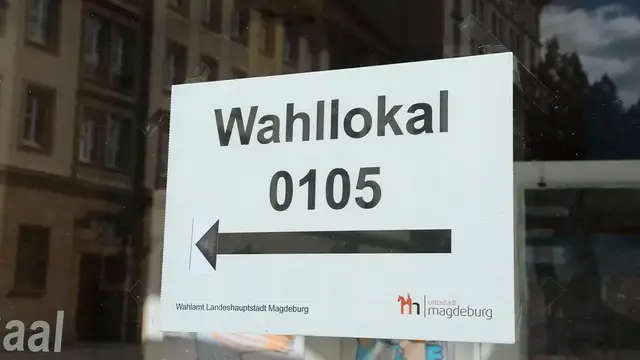
SHOTLIST: MAGDEBURG, GERMANY (SEPT. 6, 2026) 1. VARIOUS OF EXTERIOR OF POLLING STATION / VOTERS ARRIVING TO CAST THEIR BALLOTS 2. VARIOUS OF BANNERS OF CANDIDATES 3. VARIOUS OF PEOPLE CARRYING FLAGS, POSING FOR CAMERAS, AND WALKING AROUND CITY'S STREETS MAGDEBURG, GERMANY - SEPT. 6, 2026: About 1.7 million voters in the eastern German state of Saxony-Anhalt are electing a new state parliament Sunday, with the far-right Alternative for Germany (AfD) leading polls and hoping to govern a German state for the first time. Polling stations opened at 8 am and close at 6 pm local time. First projections will be released only after the polls close. State election officials said turnout reached 65.3% by 4 pm (1400GMT), well above the 41.0% recorded at the same hour in the previous election five years ago. In 2016, it was 47.1%. The latest survey by public broadcaster ZDF, conducted Sept. 1-3, put the AfD at 41% and Chancellor Friedrich Merz's center-right Christian Democratic Union (CDU) at 23%. The socialist Left Party stood at 11.5%, the Social Democrats at 8.5%, the Greens at 6%, the left-wing BSW at 4% and the liberal Free Democrats at 3%. The AfD, which campaigns against immigration and vows to begin mass deportations, leads the polls and hopes to form a state government. That would be the first far-right administration in a German state since 1949, after the Nazi regime fell and the Federal Republic was founded. The party has almost doubled its support in Saxony-Anhalt in five years. It took 20.8% in 2021. Many observers credit AfD lead candidate Ulrich Siegmund with driving the surge. The 35-year-old politician presents himself as a candidate of change and has already issued a "government program" and a 100-day plan. He pledges to expel people without legal status "from the first minute," expand deportation detention from dozens of sites to hundreds and make asylum seekers work or lose benefits. Siegmund's closest rival is Premier Sven Schulze of the CDU. The 47-year-old conservative took office in January after longtime leader Reiner Haseloff stepped down following nearly 15 years in power. The CDU has governed Saxony-Anhalt with changing coalition partners for more than two decades. Polls from several institutes put the AfD at about 40% to 43%, far ahead of its rivals. But finishing first would not automatically translate into control of the state parliament. Seats are allocated only to parties that clear the 5% threshold and win representation in the Landtag. The number of smaller parties that make it could determine whether the leading party has enough seats for a majority. Political observers expect a deadlock after Sunday's vote if the AfD falls short of a majority in the state parliament. Merz's CDU has ruled out any coalition or cooperation with the AfD, citing the party's record and intelligence findings that its Saxony-Anhalt branch is a confirmed far-right extremist organization. Other mainstream parties have taken the same stance. If the AfD falls short, Magdeburg could spend weeks arguing over who becomes premier. The option raised most often is a CDU-led minority government with the center-left Social Democrats and perhaps the Greens, surviving from vote to vote. Schulze has said he will not make himself dependent on the Left Party. Sunday's vote is expected to have ripple effects in national politics, although few observers foresee a snap federal election. A strong result for the AfD and a weak showing for the CDU could reignite questions about Merz's standing within his party. In the latest poll by public broadcaster ARD, 83% of eligible voters said they were dissatisfied with Merz, while 13% said they were satisfied -- the lowest level recorded for a sitting chancellor. A leadership fight within the Christian Democrats would not automatically topple the federal government. If pressure forces Merz to resign, parliament could choose a new chancellor without dissolving the Bundestag.
Show More Show Less #news