
Germany: German Chancellor Merz’s first year in power deepens voter discontent.
May 6, 2026
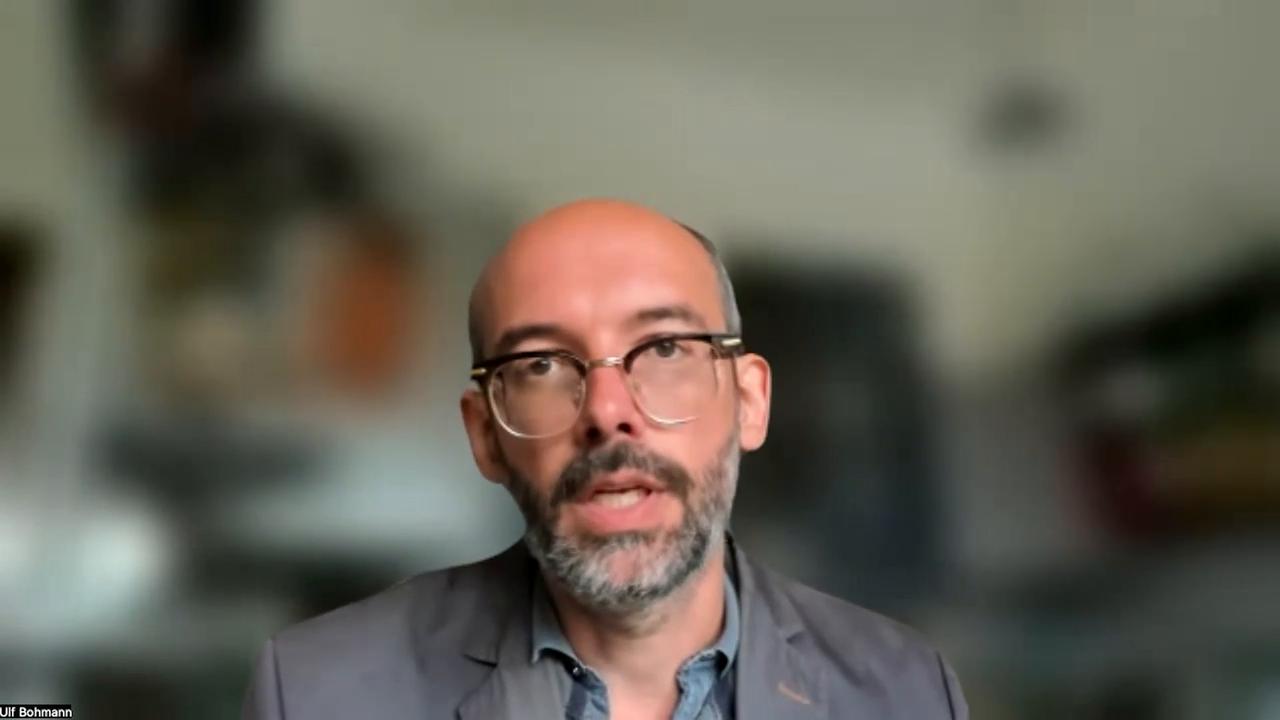
SHOTLIST: HANNOVER, GERMANY (MAY 6, 2026) 1. POLITICAL SCIENTIST ULF BOHMANN SPEAKING (English) HANNOVER, GERMANY - MAY 6, 2026: One year after Friedrich Merz took office as Germany’s chancellor, a mood of disappointment hangs over Europe’s largest economy — and over a coalition government that Merz once promised would look very different from its quarrelsome predecessor. A recent survey by the INSA institute found that 71% of voters were dissatisfied with Merz’s performance, while 19% of respondents expressed approval. Views of his coalition government were similarly downbeat: only 16% said the government had been successful in its first year. Political scientist Ulf Bohmann, a fellow at the Leibniz Research Centre for Science and Society in Hannover, said first-year slumps are common for governments in many democracies. But Merz, he said, is suffering a steeper drop because of the expectations he raised during the opposition and the election campaign. “When Merz was opposition leader from 2022 to May 2025, he repeatedly criticized the coalition government of the Social Democrats, Greens, and the liberal FDP for internal rifts and constant tensions,” he said. “He created an expectation before the elections that his government would be different. But now many people may have the same impression: that the new coalition is also arguing all the time and not getting things done.” Bohmann said disagreements are not unusual in any coalition. Still, he said, Merz’s own campaign pledge to do politics differently has left him vulnerable when disputes between his Christian Democrats (CDU/CSU) and coalition partner Social Democrats (SPD) turn into headline-making rows. For Merz, a veteran conservative who returned to the center of power after years in opposition, the grim polls come at a politically sensitive moment. Germany is grappling with an economic slowdown, cost-of-living pressures and questions over how to pay for everything from defense to pensions — strains that have repeatedly exposed fault lines within his coalition. - Fiscal tensions and reforms fuel coalition rifts Since taking office in May 2025, Merz’s government has been drawn into disputes over spending priorities and the shape of long-promised reforms — from military service and pension policy to tax questions, health care reform and possible cuts to social programs. Such issues are politically explosive in a country where many voters expect stability and incremental change — and where memories of bitter coalition infighting are fresh. The INSA poll found that 58% of voters think Merz’s Conservative–Social Democrat coalition will not survive to the end of the 2029 legislative term, while 24% expect it to last until then. Bohmann said the coalition collapsing soon is unlikely, despite the quarrels playing out in public. “The future is inherently unpredictable, so we can't say what's going to happen. But given the situation as it is right now, I think it's very unlikely that this coalition will collapse,” Bohmann said, stressing that neither side has much to gain from triggering an early election. “Neither the Christian Democrats (CDU/CSU) nor the SPD can credibly tell themselves, well, let's go to election and then we will be much bigger than before and we will improve our power. That's not credible at the moment. And I don't see it being a very credible option in the near future,” he said. Behind the political math is a larger fear shared across Germany’s mainstream democratic parties: the growing strength of the far-right Alternative for Germany, or AfD. - AfD on top as frustration deepens In the current INSA survey, the AfD stood at 27.5%, remaining in first place despite a small drop. Merz’s CDU/CSU bloc followed with 24%. The Social Democrats trailed at 13.5%, just ahead of the Greens at 13%, while the socialist Left Party reached 10.5%. Smaller parties, including the liberal FDP and the BSW, fell below the 5% threshold needed to enter parliament. Bohmann said the AfD’s rising support isn’t driven by a single issue, such as migration, but by a broader sense of pessimism and negative feelings among voters—fueled by far-right propaganda—that Germany is stuck politically and economically. “The AfD is profiting very much, it's gaining very much out of the dissatisfaction. It is not a case of a specific dissatisfaction with a certain decision or so, but with the overall picture,” he explained. “It is the feeling that many people have that we are not moving toward a better future, but perhaps toward a more dire one — as cuts to social security, geopolitical tensions, and the economic outlook impact people,” he said. - Merz’s bid to outflank the AfD is backfiring The AfD has long used migration as its core rallying cry, portraying asylum seekers and immigrants as threats and accusing mainstream parties of losing control of the borders. The i
Show More Show Less