live_tv
Livestream Starting Soon
00
Hours
:
00
Minutes
:
00
Seconds
Up next in 10

Former Washington Post writer: COVID lab leak fact-check is an ‘infinite regret’
Aug 16, 2025


Glenn Kessler said he regrets an article on the COVID-19 lab leak theory and urges newsrooms to reinstate ombudsmen.
Show More Show Less View Video Transcript
0:00
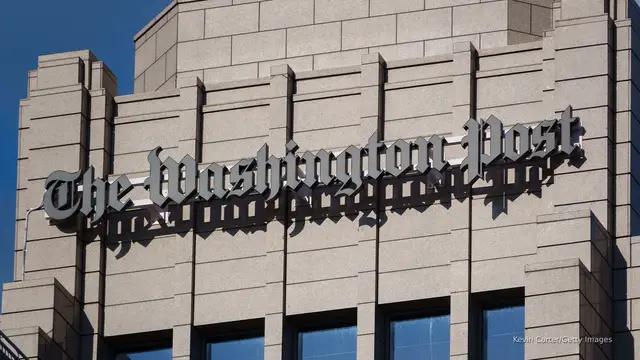
Glenn Kessler, who worked as a fact-checking columnist at The Washington Post for 28 years
0:05
has left that job and joined Iris Stoll, founder of TheEditors.com, to talk about his long-story
0:10
career at The Post, what he got wrong, and the changes he believes news outlets should make
0:15
to their coverage to appeal to more readers or viewers. Kessler said he was on a mission to reinstate the ombudsman at The Post
0:25
which didn't work out in his favor. An ombudsman is not part of the regular
0:29
editorial staff and is usually independent. It's someone who acts as a mediator between the news
0:34
organization and its audience, usually providing unbiased assessments of the outlet's performance
0:40
Newspapers like The Washington Post and The New York Times used to employ ombudsmen. However
0:45
they've been phased out over the years. When speaking with Stoll, Kessler said an ombudsman
0:49
could help explain to readers why certain stories are selected, why stories are written the way they
0:54
and to help admit when mistakes are made in articles. He recalled the time that he wrote an article
1:00
a skeptical perception, he called it, on a 10-year-old girl crossing state lines
1:04
to receive an abortion just two weeks after Roe v. Wade was overturned
1:08
An originative story was picked up by the right-leaning media as example
1:14
of this was a falsehood. And then the story was, it was confirmed
1:18
that it actually did happen. I updated my fact check, But I got a lot of negative blowback from readers for having done this in the first place
1:29
And I felt if there were an ombudsman in place they could have laid it out explained how the story got written why it got written how was it edited the mistakes that were made There was also discussion about whether fact checkers were too quick to dismiss the lab leak theory about where the COVID virus came from
1:48
and whether they wrongly labeled it as false before enough evidence was available
1:53
While at the post, Kessler edited a piece titled, Was the new coronavirus accidentally released from a Wuhan lab? It's doubtful
2:01
Kessler added the it's doubtful part to the article. He said that the original fact checks about the origins of the coronavirus were mainly aimed at debunking the idea that it was deliberately engineered as a biological weapon
2:12
Looking back, he calls this an infinite regret. But one of the reporters on the piece came up to me the next day and said, I think you made a real mistake by putting it's doubtful here
2:22
Because I'm uncertain where it stands. And you framed it in a way that made it seem more definitive than what we came up with. That's on me. You know, I screwed up. And she recently left the Washington Post to go to another place. And in my goodbye remarks, I mentioned, like, this explains why you should always listen to Sarah, because she's right. And I was completely wrong about this
2:50
He and Stoll also talked about left-leaning versus right-leaning coverage and the difference between news and editorial
2:56
He encourages people in today's media environment to diversify their news feeds
3:01
I personally learn more from people I disagree with than people I agree with
3:06
For Straight Arrow News, I'm Lauren Keenan. If you want more on this story, download the Straight Arrow News app or visit san.com
#Government
#news
#Politics